Do I Really Need to Change Synthetic Oil Every 6 Months
Do I really need to change synthetic oil every 6 months? The answer is not a simple yes or no. Synthetic oil lasts longer than conventional oil, but many experts still recommend a six-month oil change as a safety net. Your driving habits, car model, and oil life system all play a role.
You just rolled out of the dealership with a fresh synthetic oil change. The service advisor hands you a sticker saying “Next Oil Change: 6 Months.” You think, “Wait, I drive like 3,000 miles a year. Do I really need to change synthetic oil every 6 months?” It is a fair question. Many car owners wonder if the six-month rule is just a way for shops to make money. The truth is that synthetic oil is tougher than conventional oil, but time and environment still take a toll. This guide breaks down everything you need to know about oil change intervals, driving conditions, and when you can safely stretch your next service.
We will cover why oil matters, what manufacturers say, and how to read your car’s oil life system. You will learn the difference between time-based and mileage-based changes. By the end, you will know exactly when to book that appointment and when you can wait. Let us get into it.
Key Takeaways
- Synthetic oil can last longer than 6 months if your driving conditions are normal and you follow your car’s oil life system.
- Time matters as much as mileage because oil degrades even when the car sits.
- Severe service driving (short trips, extreme heat, towing) requires more frequent oil changes.
- Check your owner’s manual for the manufacturer’s exact recommendation on oil change intervals.
- Watch for signs of oil breakdown like dark color, gritty texture, or engine noise.
- A 6-month oil change is a good baseline for most drivers who want peace of mind.
- DIY oil change can save money, but proper disposal and oil filter replacement are critical.
📑 Table of Contents
Do I Really Need to Change Synthetic Oil Every 6 Months?
The short answer is: it depends. Synthetic oil is engineered to last longer than conventional oil. It resists oil breakdown and thermal stress better. However, “longer” does not mean “forever.” Even the best synthetic oil loses its additives over time. The six-month mark is a common recommendation because it accounts for oil degradation that happens even when you do not drive much. If you only put 1,000 miles on your car in six months, you still need a change. The oil change interval is not just about miles. It is also about time.
Most modern cars use synthetic oil or synthetic blend oil. These oils have superior engine protection compared to old conventional formulas. They flow better in cold weather and hold up under high heat. But they still face contamination from moisture, fuel, and combustion byproducts. The oil life system in your car tracks driving patterns and estimates when the oil is spent. If you ignore that system and just go by a calendar, you might miss the real need. Understanding how your specific car works is the first step.
What Happens When Oil Gets Old?
Oil does more than lubricate. It cleans engine parts, carries heat away, and prevents corrosion. Over time, these additives wear out. The oil becomes thinner or thicker, losing its oil viscosity. This leads to increased friction. Friction means more heat and wear. Eventually, engine sludge can form. Sludge is a gummy residue that clogs oil passages. It starves your engine of clean lubrication. Changing oil on time flushes out these contaminants. A fresh oil filter traps the grime so your engine stays healthy.
The Role of Synthetic Oil in Engine Protection
Synthetic oil is made in a lab. Its molecules are uniform and stable. This gives it a longer lifespan than conventional oil, which is refined from crude petroleum. Synthetic oil handles extreme temperatures better. It does not evaporate as quickly. It also resists oxidation, which is the chemical breakdown caused by heat and oxygen. Even with these advantages, synthetic oil still needs to be replaced. The oil type you use matters, but the interval matters just as much.
What Manufacturers Say About Synthetic Oil Intervals
Car makers spend millions testing oil change intervals. They set recommendations based on thousands of hours of engine testing. Most new vehicles with synthetic oil are rated for 7,500 to 15,000 miles between changes. Some can go even longer. But almost all manufacturers include a time limit. That limit is often six months or one year. The manufacturer recommendation is your best guide. It accounts for the specific tolerances and materials in your engine.
The Oil Life Monitor System
Many modern cars have an oil life system or oil life monitor. This computer algorithm tracks your driving habits. It looks at cold starts, hot running times, idling, and load. Based on this data, it calculates the remaining life of your oil. When the system drops to zero, it triggers a reminder. This is the oil change reminder you see on your dashboard. Some systems count down in percentage. Others use a simple “Change Oil Now” message. The oil life system reset is done after every service. This keeps the computer calibrated to your actual driving.
Severe Service vs. Normal Service
Manufacturers define two main categories: normal service and severe service. Normal service means driving on highways in moderate weather with steady speeds. Severe service includes short trips under 5 miles, extreme heat or cold, towing, stop-and-go traffic, and dusty roads. If your driving fits the severe category, you should shorten your oil change schedule. Many experts recommend halving the standard interval for severe drivers. This keeps engine protection at its peak and prevents oil degradation from moisture and fuel dilution.
The 6-Month Rule: Where It Comes From
The six-month oil change rule is not arbitrary. It comes from decades of engine wear data. Oil absorbs moisture from the air, especially when the car sits unused. This moisture mixes with the oil and creates acids. These acids corrode engine bearings and surfaces. Even if you drive only 500 miles in six months, the oil still accumulates water. A six-month oil change ensures that this moisture is flushed out before it causes damage. Time-based changes also account for the natural depletion of additives. Anti-wear agents, detergents, and dispersants all fade over months.
Time vs. Miles: Which Matters More?
For most drivers, the first to reach is the mileage limit. If you drive 1,000 miles a month, you will hit the 6,000-mile mark before the six-month mark. But if you drive only 200 miles a month, time wins. The oil change interval should be whichever comes first: the mileage cap or the time limit. This is a key concept many drivers miss. They think that because they drive little, they can skip oil changes. In reality, low-mileage cars can suffer from stale oil just as much as high-mileage ones.
Why Time Matters Even If You Do Not Drive Much
Engines are designed to run hot. When you drive, the heat burns off moisture and fuel that contaminate the oil. When the car sits, moisture condenses and mixes with the oil. This is especially true in humid climates or garages. The oil quality drops even without running the engine. Condensation also promotes engine sludge formation. A 6-month oil change breaks this cycle. It replaces the contaminated oil with fresh, protective fluid. This is one of the best things you can do for engine longevity, regardless of mileage.
When You Can Stretch Beyond Six Months
There are situations where you can safely go longer than six months between changes. If you drive regularly and cover good mileage, the oil life monitor will tell you when it is time. Modern synthetic oil is designed to last 10,000 to 15,000 miles in normal conditions. If you hit 7,500 miles at the five-month mark, you should change based on mileage, not the calendar. The oil life system will give you a clear signal. Stretching beyond six months is fine only if the system confirms the oil is still good.
Low-Mileage Driving and Its Risks
Low-mileage drivers face a unique challenge. The car sits for days or weeks at a time. This allows moisture to build up. Fuel can also seep past the piston rings and dilute the oil. Diluted oil loses its lubricating power. For these drivers, a six-month oil change is a smart rule. It prevents the slow buildup of contaminants that you cannot see. Even if the oil change cost feels high for low mileage, it is cheaper than an engine rebuild.
Driving Conditions That Let You Go Longer
If you drive mostly on highways in mild weather, your oil stays cleaner longer. Highway driving keeps the engine at optimal temperature. This burns off moisture and fuel contaminants. The oil performance remains stable for many miles. In these conditions, you can trust the oil life monitor to extend the interval. Just make sure you reset the system after each change. A proper oil life system reset ensures accurate readings going forward.
Quick Tips for High-Mileage Drivers
- Check your oil level monthly. Low oil means more engine wear.
- Keep a log of oil changes. Note the date and mileage each time.
- Use the right oil viscosity. Check your owner’s manual for the recommended grade.
- Replace the oil filter every time. A clogged filter reduces engine protection.
- Watch for the oil change reminder. Do not ignore dashboard alerts.
- Consider a DIY oil change if you are comfortable. It saves money and teaches you about your car.
Signs Your Oil Needs Changing Sooner
Even with a set oil change schedule, your car can tell you when it needs fresh oil. Learning to read these signs helps you avoid engine damage. You do not need to be a mechanic to spot them. A few simple checks take only minutes and can save you thousands in repairs.
Dark or Dirty Oil
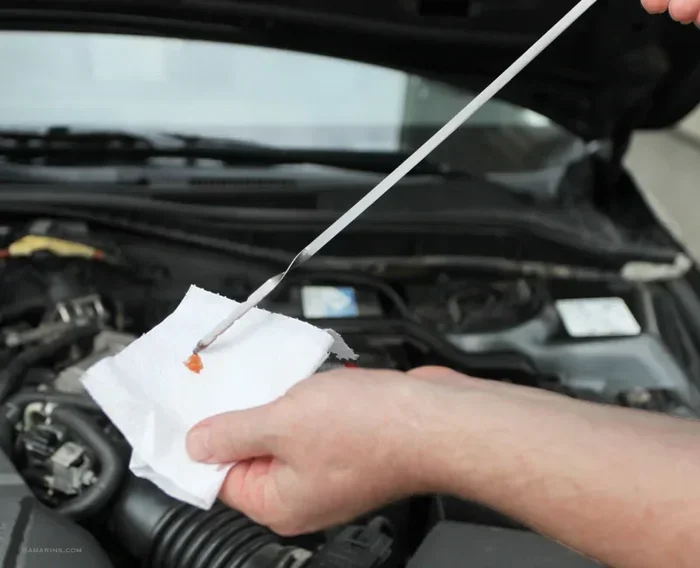
Fresh synthetic oil is amber or golden. As it ages, it darkens. By the time it is black, it has collected soot and combustion residues. Pull the dipstick and wipe it on a white rag. If the oil looks like coffee with cream, it is time for a change. This is a clear sign of oil breakdown and lost additives. Do not wait for the six-month mark if the oil looks this bad.
Engine Noise and Performance Drops
Clean oil cushions engine parts. It reduces metal-on-metal contact. When oil degrades, it becomes less effective. You might hear ticking or knocking sounds, especially on cold starts. The engine may feel sluggish or less responsive. These are signs that engine protection is fading. A timely oil change restores smooth operation and quiet performance.
The Oil Smell Test
Good oil has a slightly oily, neutral smell. If you detect a strong fuel odor or a burnt smell, the oil is contaminated. Fuel dilution happens when unburned fuel leaks into the crankcase. This is common in short-trip driving. The oil loses its lubricating properties. A burnt smell can indicate overheating. In both cases, you should change the oil immediately and check for underlying issues.
Mileage-Based Triggers
Always track your mileage between changes. If you hit the 7,500-mile mark before the six-month mark, change the oil. The oil change interval is a two-part rule: miles and months. The first one to arrive wins. This is especially important for synthetic blend oils, which may not last as long as full synthetic. Check the bottle label for the specific oil type and its recommended interval.
How to Decide Your Ideal Oil Change Interval
Choosing the right interval means balancing manufacturer guidance, your driving style, and your budget. There is no one-size-fits-all answer. A careful look at your habits and conditions will reveal the best plan. The goal is to protect your engine without wasting money on unnecessary services.
Comparison Table: Synthetic vs. Conventional Oil Change Intervals
| Oil Type | Typical Mileage Interval | Typical Time Interval | Best For |
|---|---|---|---|
| Full Synthetic | 7,500 to 15,000 miles | 6 to 12 months | New cars, highway driving, severe weather |
| Synthetic Blend | 5,000 to 7,500 miles | 6 months | Moderate driving, mixed conditions |
| Conventional Oil | 3,000 to 5,000 miles | 3 to 6 months | Older cars, short trips, severe service |
This table shows why the six-month rule is a safe default for synthetic oil. It covers both mileage and time concerns. Even if you drive very little, the time limit ensures freshness. For older cars using conventional oil, the interval is shorter. Always match your oil type to your engine’s needs.
Common Mistakes People Make
- Ignoring the oil life monitor. The system is smarter than a calendar. Trust it, but reset it after service.
- Changing oil too early. If you change at 3,000 miles with full synthetic, you waste money and oil.
- Skipping oil changes for low-mileage cars. Stale oil causes sludge. Time-based changes are non-negotiable.
- Using the wrong oil viscosity. This can increase wear and reduce fuel economy.
- Forgetting to replace the oil filter. A dirty filter recirculates contaminants back into the engine.
- Not checking for leaks. A small leak can drop your oil level fast, leading to engine damage.
Expert Insight from Mechanics
Most experienced mechanics agree on one thing: follow the manual, but trust your senses. The owner’s manual gives you the manufacturer recommendation. It is based on lab tests and real-world data. However, your driving environment is unique. A mechanic can look at your oil sample and tell you if it is breaking down faster than expected. Some shops offer oil analysis kits. These tests check for metal particles, water, and fuel dilution. They give you a precise picture of your oil quality and engine protection. For high-value or classic cars, this is a worthwhile investment.
Quick Tips for DIY Oil Changes
If you decide to change your own oil, preparation is key. Gather your tools, the correct oil type, and a new oil filter. Warm the engine for a few minutes. This helps the oil flow out completely. Drain into a proper container. Replace the filter by hand, tightening it snugly but not over-tightening. Refill with the recommended amount of synthetic oil. Check the level with the dipstick. Reset the oil life system according to your car’s manual. Proper disposal of old oil is critical. Take it to a recycling center. Never pour it down the drain.
Conclusion
The question “Do I really need to change synthetic oil every 6 months?” comes down to a balance of time, mileage, and driving conditions. Synthetic oil offers incredible engine protection and a longer lifespan than conventional oil. However, the six-month rule remains a solid baseline for most drivers. It prevents moisture buildup, additive depletion, and engine sludge. If you drive hard, in severe conditions, or put few miles on your car, stick close to this timeline. If you are a highway cruiser with a modern car, the oil life system may give you more flexibility. The key is to stay proactive. Check your oil regularly, watch for warning signs, and never ignore the oil change reminder on your dash. A little attention now saves you from costly repairs later. Keep your engine clean, and it will run strong for years to come.
Frequently Asked Questions
Can I go a year without changing synthetic oil?
Most manufacturers recommend a maximum of one year, but six months is safer for many drivers. Even if you drive few miles, oil absorbs moisture and loses additives over time. Going a full year increases the risk of engine sludge and reduced engine protection. Check your owner’s manual and your oil life system for guidance.
What happens if I change synthetic oil every 12 months instead of 6?
You may be fine if you drive regularly and hit high mileage. However, time-based degradation still occurs. The oil quality drops as additives deplete and moisture accumulates. For low-mileage drivers, 12 months can lead to acid buildup and corrosion. The six-month oil change is a safer default for most cars.
Does severe driving really require more frequent oil changes?
Yes, severe service includes short trips, extreme temperatures, towing, and stop-and-go traffic. These conditions cause faster oil breakdown and fuel dilution. Many manufacturers define severe service and recommend halving the standard interval. Ignoring this can void your warranty and shorten engine life.
How can I tell if my oil is still good after 6 months?
Check the oil life monitor if your car has one. You can also inspect the oil on the dipstick. Dark color, gritty texture, or a burnt smell indicate it is time for a change. A DIY oil change is a good opportunity to assess the oil’s condition yourself.
Is it cheaper to change oil every 6 months or wait until 10,000 miles?
The oil change cost for a six-month change may seem higher if you drive little. But skipping changes risks engine damage that costs thousands. Synthetic oil lasts longer, so you may not need to change as often as with conventional oil. The oil life system helps you find the sweet spot between cost and protection.
Can I reset my oil life system myself?
Yes, most vehicles allow a simple oil life system reset after an oil change. The procedure varies by make and model. It is usually found in the instrument cluster or infotainment system. Consult your owner’s manual for step-by-step instructions. Proper resetting ensures accurate readings for your next service.