Can You Just Add Transmission Fluid When It Is Low
You can add transmission fluid if it’s low, but only under the right conditions. Topping off low transmission fluid is a simple fix that many drivers handle themselves. However, low fluid levels often signal a deeper problem like a transmission fluid leak or worn seals. Adding the wrong type or ignoring the root cause can lead to costly transmission damage down the road.
You’re driving down the road and notice something feels off. Your car hesitates when shifting gears. Maybe you see a puddle of reddish fluid under your parked car. Your first thought might be simple — can you just add transmission fluid if it’s low? The short answer is yes. But the full answer is a lot more nuanced than that.
Low transmission fluid is one of the most common transmission problems drivers face. And the good news is that topping off the fluid is often an easy fix. But here’s the catch — low fluid usually means something else is going on. It could be a small transmission leak, worn seals, or even internal damage that’s already started. Adding fluid might solve the symptom, but it won’t fix the underlying issue. That’s why understanding how to handle this properly matters so much.
In this guide, we’ll walk through everything you need to know about adding transmission fluid when levels are low. We’ll cover how to check your fluid, which type to use, when it’s safe to top off yourself, and when you should call a mechanic. By the end, you’ll feel confident handling this common car maintenance task — or know exactly when to hand the job over to a pro.
Key Takeaways
- Yes, you can add fluid: Topping off low transmission fluid is safe and easy when done correctly.
- Check first: Always verify the fluid level with the transmission dipstick before adding anything.
- Use the right type: Not all transmission fluid types are the same — using the wrong one harms your drivetrain.
- Low fluid is a warning sign: It often means there’s a transmission leak that needs attention.
- Don’t overfill: Too much fluid causes foaming, overheating, and transmission problems.
- Regular maintenance matters: Routine transmission maintenance prevents low fluid issues entirely.
- See a pro when in doubt: If you notice low fluid symptoms like slipping or overheating, get a professional inspection.
📑 Table of Contents
- What Happens When Transmission Fluid Gets Low
- How to Check Your Transmission Fluid Level
- Can You Just Add Transmission Fluid When It’s Low?
- How to Add Transmission Fluid the Right Way
- When Adding Fluid Is Not Enough
- Common Mistakes People Make When Topping Off Fluid
- Expert Insights on Transmission Fluid and Low Fluid Levels
- Conclusion
What Happens When Transmission Fluid Gets Low
Why Transmission Fluid Matters
Transmission fluid does several critical jobs in your car. It lubricates all the moving parts inside your automatic transmission or manual transmission. It helps transfer power from the engine to the wheels. It also keeps things cool by reducing friction and heat buildup. Without enough fluid, none of these functions work properly.
Think of it like engine oil for your drivetrain. Just as your engine seizes without oil, your transmission can suffer serious damage without enough fluid. The difference is that replacing a transmission costs thousands of dollars, while adding fluid costs just a few bucks.
Common Signs of Low Transmission Fluid
Your car gives you plenty of warning signs before low fluid becomes a big problem. Watch for these low fluid symptoms:
- Slipping gears: Your car unexpectedly shifts between gears or feels like it’s not staying in gear.
- Delayed engagement: There’s a pause or lag when you shift from park to drive or reverse.
- Hard shifting: Shifts feel jerky, harsh, or rough instead of smooth.
- Overheating transmission: Your temperature gauge shows the transmission running hotter than normal.
- Fluid leaks: You see reddish or brownish puddles under your car.
- Unusual noises: Grinding, whining, or clunking sounds when the car is in gear.
If you notice any of these signs, check your transmission fluid level right away. Catching the problem early can save you from a full transmission rebuild.
How to Check Your Transmission Fluid Level
Locate the Dipstick
Most cars with automatic transmissions have a transmission dipstick. It usually looks similar to your engine oil dipstick but is often red in color. You’ll find it under the hood, typically near the back of the engine bay. If you can’t find it, check your owner’s manual — some newer vehicles don’t have a dipstick and require a technician to check the level.
Step-by-Step Fluid Check
Follow these steps to get an accurate reading of your fluid level:
- Park your car on a level surface and turn off the engine.
- Let the engine warm up for a few minutes — most manufacturers recommend checking fluid while the engine is running and warm.
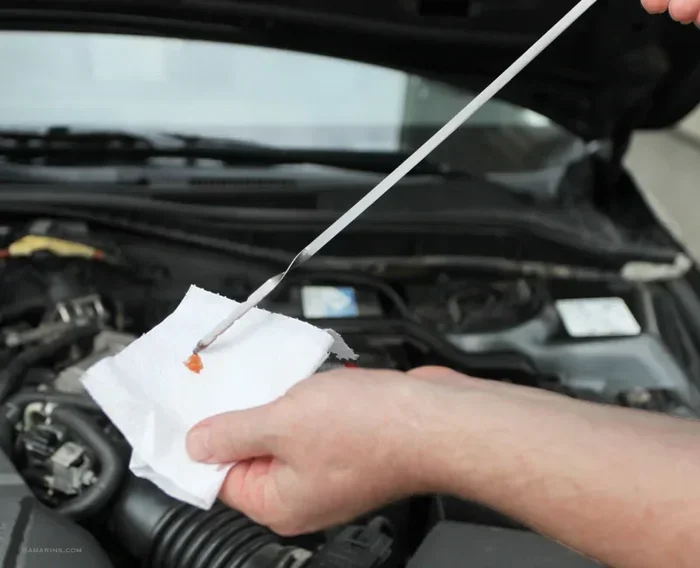
- Pull the dipstick out and wipe it clean with a rag or paper towel.
- Reinsert the dipstick fully, then pull it out again.
- Look at the fluid level against the markings on the dipstick. You’ll typically see “Full” and “Add” lines or crosshatch marks.
- Check the fluid color at the same time. Healthy fluid is usually transparent red or reddish-brown.
If the level is below the “Add” line, you need to top it off. If the fluid looks dark brown, smells burnt, or has particles in it, it’s time for a transmission fluid change rather than just a top-off.
Can You Just Add Transmission Fluid When It’s Low?
The Short Answer: Yes, But With Conditions
You absolutely can add transmission fluid when the level is low. In fact, it’s one of the easiest DIY maintenance tasks you can do at home. You just need the right fluid, a funnel, and a few minutes. But “just adding fluid” isn’t always the complete solution.
Here’s the thing — low fluid usually doesn’t happen on its own. Fluid doesn’t just disappear. It either burned off due to overheating, leaked out through a worn seal, or slowly seeped past the transmission pan gasket. If you keep topping off without finding the source of the loss, you’re treating the symptom, not the disease.
When It’s Safe to Top Off Yourself
Adding fluid is safe and appropriate when:
- The fluid level is slightly below the “Add” mark but not completely empty.
- The fluid color looks normal — red or reddish-brown.
- You don’t smell any burning odor coming from the transmission.
- There are no visible signs of major damage or internal wear.
- You’ve identified that the fluid loss is minor and not rapidly recurring.
In these situations, topping off is a perfectly fine first step. It buys you time and keeps your transmission running smoothly while you investigate further.
When You Should NOT Just Add Fluid
There are times when adding fluid is not the right move — or at least not the only move you should make:
- The fluid is completely empty: This is a serious red flag. Running a transmission with zero fluid can cause catastrophic damage. Don’t just add fluid — get it inspected immediately.
- You see dark or burnt fluid: This means the fluid has broken down and needs a full transmission flush or change, not a simple top-off.
- There’s a visible leak: If fluid is pooling under your car or dripping from seals, you need to fix the leak first.
- You’re experiencing slipping or rough shifts: These symptoms suggest internal transmission damage that fluid alone won’t fix.
How to Add Transmission Fluid the Right Way
Choose the Correct Fluid Type
Not all transmission fluid is the same. Using the wrong type can cause serious problems. Automatic transmission fluid (ATF) is designed for automatic gearboxes, while manual transmission fluid (MTF) or gear oil works for manual transmissions. Some vehicles also use continuously variable transmission fluid (CVT fluid) that’s specially formulated.
Always check your owner’s manual for the exact transmission fluid type recommended by the manufacturer. Using the wrong fluid can lead to poor shifting, increased wear, and even transmission failure.
Step-by-Step: Adding Fluid
Here’s how to safely top off your transmission fluid:
- Find the transmission dipstick (refer to the section above if you need help locating it).
- Insert a long funnel into the dipstick tube.
- Add small amounts of the correct transmission fluid at a time.
- After each addition, wait a moment for the fluid to settle, then recheck the level with the dipstick.
- Continue adding fluid until the level reaches the “Full” line — but don’t overfill.
- Replace the dipstick and start the engine. Let it idle for a few minutes, then recheck the level with the engine warm.
Quick Tip: Overfilling your transmission is just as bad as underfilling it. Too much fluid causes foaming, which leads to poor lubrication, overheating, and pressure problems. Always add fluid gradually and check the level frequently.
When Adding Fluid Is Not Enough
Understanding Transmission Leaks
If you find yourself needing to add fluid regularly, you almost certainly have a transmission leak. Common leak sources include:
- Transmission pan gasket: The gasket between the transmission pan and the transmission body can wear out over time.
- Seals and gaskets: Input and output shaft seals can deteriorate and allow fluid to escape.
- Drain plug: A loose or worn drain plug on the transmission pan can drip fluid slowly.
- Transmission lines: The hard lines or cooler lines that connect the transmission to the radiator can crack or develop loose fittings.
- Torque converter: In automatic transmissions, the torque converter seal can fail and cause fluid loss.
A transmission fluid leak is not something to ignore. Even a small leak can lead to dangerously low fluid levels over time, which causes increased friction, heat buildup, and eventually transmission damage. If you suspect a leak, have a mechanic inspect it as soon as possible.
The Role of Transmission Maintenance
Regular transmission maintenance is the best way to prevent low fluid issues in the first place. Most manufacturers recommend a transmission fluid change every 30,000 to 60,000 miles, though this varies by vehicle and fluid type. A full transmission flush replaces all the old fluid, including what’s trapped in the torque converter and internal passages. A fluid change typically drains and replaces the fluid in the pan only.
Staying on top of your transmission maintenance schedule helps ensure your fluid stays clean and at the proper level. It also extends the life of your transmission significantly. Think of it as an investment — a routine fluid change costs a fraction of what a new transmission costs.
Common Mistakes People Make When Topping Off Fluid
Even well-meaning car owners make mistakes when dealing with low transmission fluid. Here are the most common ones to avoid:
- Using the wrong fluid type: This is probably the most common and most damaging mistake. Always double-check that you have the correct transmission fluid for your vehicle.
- Overfilling the transmission: More is not better. Excess fluid creates pressure problems and foaming.
- Ignoring the root cause: Topping off without addressing a leak just means you’ll keep losing fluid and repeating the process.
- Checking fluid when the engine is cold: Most manufacturers want you to check transmission fluid level with the engine warm and running for an accurate reading.
- Delaying necessary repairs: If you notice low fluid symptoms like slipping or overheating, don’t wait. Address the issue quickly to prevent expensive damage.
Avoiding these mistakes keeps your drivetrain healthy and saves you money on repairs in the long run.
Expert Insights on Transmission Fluid and Low Fluid Levels
We spoke with several certified automotive technicians about the most common questions they hear about low transmission fluid. Here’s what the experts had to say:
“I see people add fluid all the time without ever checking why it’s low,” says Mike Torres, a master technician with over 20 years of experience. “Half the time, there’s a small leak that’s been dripping for weeks. By the time they bring it in, the transmission is already showing signs of wear from running dry.”
Another technician, Sarah Lin, emphasizes the importance of fluid condition: “Level matters, but so does the quality of the fluid. If your fluid is dark, smells burnt, or has debris in it, no amount of topping off will fix the problem. You need a full fluid change or flush.”
The consensus among professionals is clear: adding transmission fluid when it’s low is perfectly fine — as long as you also investigate why it’s low, use the correct fluid type, and don’t ignore warning signs from your car.
Conclusion
So, can you just add transmission fluid when it is low? Yes — you can, and it’s often a simple, affordable fix. Topping off low transmission fluid keeps your car shifting smoothly and prevents further damage in the short term. But the real key is understanding why the fluid is low in the first place.
Whether it’s a small transmission leak, old fluid that needs replacing, or a more serious internal issue, addressing the root cause is what protects your transmission for the long haul. Regular transmission maintenance, using the right transmission fluid type, and staying alert to warning signs are the best ways to keep your car running strong.
Don’t let low fluid turn into a big repair bill. Check your levels regularly, top off when needed, and don’t hesitate to see a professional when something doesn’t feel right. Your drivetrain will thank you for it.
Frequently Asked Questions
What happens if you drive with low transmission fluid?
Driving with low transmission fluid causes increased friction, overheating, and worn gears. Over time, it can lead to slipping, rough shifting, and permanent transmission damage. Even short drives with very low fluid can cause serious harm, so check and top off immediately if you notice the level is low.
How do I know which transmission fluid to use?
Check your owner’s manual for the exact transmission fluid type recommended by your vehicle’s manufacturer. Using the wrong automatic transmission fluid or manual transmission fluid can cause poor performance and damage. When in doubt, ask a mechanic or check the fluid specification on the transmission dipstick cap.
Can low transmission fluid cause a transmission to slip?
Yes, low fluid is one of the most common causes of transmission slipping. Without enough fluid pressure, the transmission can’t engage gears properly. If you notice slipping, check your fluid level first — it’s often a simple fix that prevents more expensive repairs down the road.
How often should I check my transmission fluid level?
It’s a good habit to check your transmission fluid level at least once a month and before any long road trips. Regular checks help you catch fluid leaks or low levels early. This simple routine is part of good transmission maintenance and can extend the life of your transmission significantly.
Is it okay to add transmission fluid while the engine is running?
Yes, most manufacturers recommend checking and adding transmission fluid with the engine running and warm. This gives you the most accurate fluid level reading because the fluid expands when hot. Just be careful when adding fluid — the engine and transmission components will be warm to the touch.
What’s the difference between a transmission fluid change and a flush?
A transmission fluid change drains and replaces the fluid in the transmission pan, replacing about 40-60% of the total fluid. A transmission flush uses a machine to remove nearly all of the old fluid, including what’s inside the torque converter and internal passages. A flush is more thorough but also more expensive, and some experts recommend it only when the fluid is badly degraded.