How Many Hydrogen Stations Are There in the US Today
The United States currently has around 60 to 70 hydrogen fueling stations, with the vast majority located in California. These stations support a growing fleet of fuel cell vehicles and play a key role in the nation’s clean energy transition. As demand for hydrogen stations grows, new investments and federal funding are expected to expand the hydrogen refueling network significantly over the next decade.
This is a comprehensive guide about How Many Hydrogen Stations Are There in the US.
Key Takeaways
- Limited but Growing: There are roughly 60 to 70 hydrogen stations operating in the US today, mostly in California.
- California Leads the Way: The Golden State hosts over 90% of all hydrogen fueling stations in the country.
- Federal Funding Is Expanding Infrastructure: The Bipartisan Infrastructure Law allocates billions for clean hydrogen and refueling stations.
- Hydrogen Stations Serve Fuel Cell Vehicles: These stations fill up cars, trucks, and buses that run on hydrogen fuel cells.
- Cost and Availability Remain Challenges: High station costs and limited location coverage slow widespread adoption.
- The Future Looks Bright: Plans are underway to build hundreds more stations across multiple states by 2030.
[FEATURED_IMAGE_PLACEHOLDER]
Have you ever wondered how many hydrogen stations are there in the US? If you are curious about clean energy vehicles and the infrastructure that supports them, you are not alone. The answer might surprise you. The number of hydrogen fueling stations in the country is small but growing fast. Most of these stations sit in one state, and that tells a big story about where hydrogen energy stands today. In this article, we will walk you through everything you need to know. You will learn the current count, where these stations are located, how they work, and what the future holds for hydrogen refueling infrastructure in America.
The conversation around clean transportation has shifted a lot in recent years. Electric vehicles grab most of the headlines, but hydrogen fuel cell vehicles are quietly making their own mark. These cars and trucks run on hydrogen gas and emit nothing but water vapor. To make them practical, drivers need easy access to H2 stations where they can refuel quickly. Right now, the hydrogen station map across the US looks quite sparse compared to traditional gas stations or even EV chargers. But that is changing, thanks to new government programs and private investment. Let us dive into the details and explore the state of hydrogen stations in the US right now.
The Current Number of Hydrogen Stations in the US
So, how many hydrogen stations are there in the US today? As of 2024, the United States has approximately 60 to 70 public hydrogen fueling stations. This number comes from the Department of Energy and industry tracking groups. It is a small number compared to the tens of thousands of traditional gas stations. But it is a big step forward for clean energy vehicles and the hydrogen refueling network.
Most of these stations are concentrated in one state. California alone accounts for more than 60 of the total. A handful of stations exist in other states, but they are rare. States like Texas, New York, and Massachusetts have a few stations each. The rest of the country has very limited hydrogen refueling infrastructure at this point.
Why the Number Is Still Small
Building a single hydrogen station is expensive. The cost can range from 1 million to 3 million dollars per station. That is much higher than building a traditional gas station or even a fast EV charger. The high cost comes from the specialized equipment needed. Electrolyzers, compressors, and storage tanks all require advanced technology. Because of this, companies and governments have been slow to invest.
Another reason the number stays low is demand. There are not many fuel cell vehicles on US roads compared to battery electric cars. When demand is low, businesses are less likely to build new stations. It creates a classic chicken-and-egg problem. Drivers will not buy hydrogen cars without stations, and companies will not build stations without drivers.
Growth Trends and Projections
Despite the small current number, the outlook is promising. Federal funding through the Bipartisan Infrastructure Law is pouring money into clean hydrogen hubs. These hubs aim to build out production, storage, and refueling infrastructure across the country. The goal is to have a much larger network of hydrogen fueling stations by 2030.
Industry experts predict the number of stations could double or even triple in the next five years. Several new projects are already under construction. Companies like Toyota, Hyundai, and Nikola are investing in hydrogen infrastructure to support their fuel cell vehicles. This growing interest signals a shift in how Americans think about clean transportation.
Where Are Hydrogen Stations Located in the US?
The hydrogen station map in the US looks very uneven. Almost all stations are in California. A few are scattered across other states, but they are hard to find if you are not in the right place. Let us break down the geography of hydrogen refueling stations in America.
California: The Clear Leader
California has over 60 public hydrogen stations. This makes it the undisputed leader in hydrogen refueling infrastructure in the US. Cities like Los Angeles, San Francisco, San Diego, and Sacramento have the most stations. The state government has invested heavily in making H2 stations available to drivers.
Several factors explain California’s dominance. First, the state has strong clean air regulations. Second, there is a large market for fuel cell vehicles like the Toyota Mirai and Hyundai Nexo. Third, state incentives help offset the cost of building new stations. California has proven that it is possible to build a working hydrogen refueling network when there is political will and public investment.
Other States With Hydrogen Stations
Outside of California, the picture is much thinner. A few states have started to add stations:
- Texas: A small number of stations in the Houston and Dallas areas.
- New York: A handful of stations, mostly in the New York City region.
- Massachusetts: A couple of stations serving fuel cell bus fleets.
- Hawaii: A few stations on Oahu, supported by state clean energy goals.
- Colorado: Early-stage stations in the Denver area.
These states represent the early stages of hydrogen infrastructure expansion. Most of these stations serve fleets or commercial vehicles rather than individual consumers. But they show that interest in hydrogen stations in the US is spreading beyond California.
How Do Hydrogen Refueling Stations Work?
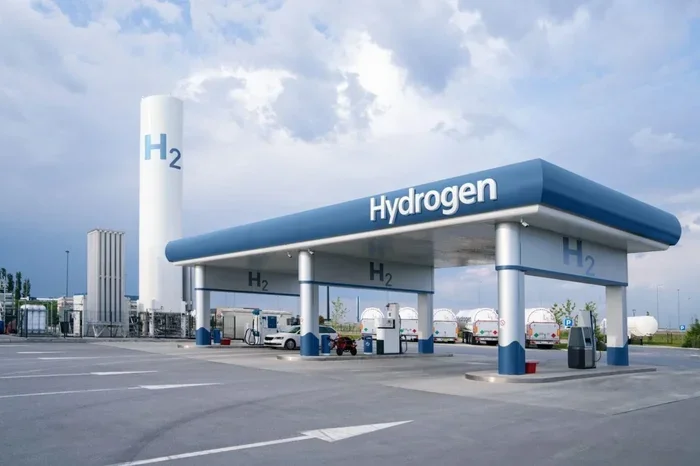
Understanding how a hydrogen fueling station works helps you appreciate the technology behind it. These stations are different from gas stations and EV chargers. They use a unique process to deliver fuel to vehicles.
The Refueling Process
Hydrogen stations receive hydrogen gas, usually delivered by truck. The gas is stored in large high-pressure tanks on-site. When a driver pulls up to refuel, the station compresses the hydrogen further and pumps it into the vehicle’s tank. The whole process takes about 5 to 10 minutes. That is similar to filling up at a gas station. This quick refueling time is one of the biggest advantages of fuel cell vehicles over battery electric cars.
Inside the station, you will find several key components. There are compressors that pressurize the hydrogen. There are also dispensers that control the flow of gas into the car. Safety systems monitor pressure and detect leaks. All of this technology makes H2 stations more complex than traditional fueling points.
Green Hydrogen vs. Grey Hydrogen
Not all hydrogen is created equal. Green hydrogen is produced using renewable energy like wind or solar power. It is the cleanest option and the goal of many clean energy vehicle advocates. Grey hydrogen is made from natural gas and produces carbon emissions during production. Most hydrogen used at stations today is grey hydrogen. But the industry is working hard to shift toward green hydrogen as production costs come down.
The type of hydrogen matters for the overall environmental impact of hydrogen refueling stations. If the hydrogen comes from renewable sources, the entire fuel cycle is clean. This is a key part of the long-term vision for zero emission vehicles powered by hydrogen.
Hydrogen Stations vs. Electric Charging Stations
People often compare hydrogen stations to electric vehicle charging stations. Both support clean transportation, but they work very differently. Understanding the differences helps you see why each has a unique role to play.
Refueling Speed
One of the biggest advantages of hydrogen refueling is speed. Filling up a hydrogen tank takes about 5 to 10 minutes. Charging a battery electric vehicle can take 30 minutes to several hours, depending on the charger. For people who drive long distances or operate commercial fleets, this speed difference matters a lot.
Range and Vehicle Types
Fuel cell vehicles often have longer driving ranges than battery electric cars. A hydrogen car can travel 300 to 400 miles on a full tank. This makes them attractive for heavy-duty trucks and buses. Battery electric vehicles are improving, but H2 vehicles still hold an edge in range and payload capacity for certain applications.
Infrastructure Cost and Availability
Here is where the comparison gets interesting. Electric charging stations are everywhere. You can find them at shopping malls, parking garages, and even homes. Hydrogen refueling stations are rare and expensive to build. The cost per station is much higher, and the network is far smaller. For now, EV charging infrastructure has a massive lead in coverage and convenience.
However, this gap is expected to narrow. Federal funding is targeting both EV and hydrogen infrastructure. The goal is to build a balanced clean transportation ecosystem that offers drivers choices. Hydrogen stations in the US will likely complement rather than replace electric charging.
The Role of Federal Funding and Policy
Government support is a major driver behind the growth of hydrogen refueling infrastructure in the US. Without policy backing, the number of stations would likely stay flat or grow very slowly. Let us look at how federal programs are shaping the future.
The Bipartisan Infrastructure Law
The 2021 Bipartisan Infrastructure Law set aside nearly 10 billion dollars for clean hydrogen. This funding covers production, storage, and refueling. A significant portion goes toward building new hydrogen fueling stations across the country. The law also created Regional Clean Hydrogen Hubs, which will focus on building out infrastructure in different parts of the US.
This funding is a game changer. It lowers the financial risk for companies that want to build new stations. It also signals to investors that the government believes in the future of hydrogen energy. As a result, we can expect a much denser hydrogen station map in the coming years.
State-Level Incentives
Beyond federal money, several states offer their own incentives. California’s Low Carbon Fuel Standard gives credits to companies that build clean energy vehicle infrastructure. New York and Massachusetts have similar programs. These state-level efforts help explain why certain areas have more hydrogen refueling stations than others.
Challenges Facing Hydrogen Station Expansion
Despite the optimism, there are real challenges standing in the way of widespread hydrogen refueling infrastructure. Understanding these obstacles helps paint a realistic picture of where things stand today.
High Construction Costs
We mentioned this earlier, but it bears repeating. Building a single hydrogen station costs several million dollars. The equipment is specialized and complex. Compressors, storage tanks, and safety systems all add to the price tag. For many companies, the return on investment is unclear when demand for fuel cell vehicles remains low.
Limited Vehicle Availability
There are not many hydrogen cars available for purchase in the US. Toyota sells the Mirai, and Hyundai sells the Nexo. But these models have limited availability and high price tags. Until more automakers offer affordable hydrogen fuel cell vehicles, demand for stations will stay constrained.
Hydrogen Supply Chain Issues
Getting hydrogen to stations is another challenge. Most hydrogen today is produced at centralized plants and transported by truck. This adds cost and complexity. Building a reliable supply chain for green hydrogen is essential for long-term growth of the hydrogen refueling network.
Public Awareness and Perception
Many Americans simply do not know about hydrogen fuel cell vehicles. They hear about electric cars but rarely hear about hydrogen options. This lack of awareness limits demand. Education and marketing will play a big role in changing public perception and driving interest in H2 stations.
The Future of Hydrogen Refueling in the US
So what does the future hold for hydrogen stations in the US? The outlook is cautiously optimistic. Several trends point toward meaningful growth over the next decade.
First, the Regional Clean Hydrogen Hubs will begin operating in the coming years. These hubs will create localized production and refueling networks. They will make hydrogen refueling stations more accessible in regions beyond California. Early hub locations include areas in the Midwest, the Gulf Coast, and the Northeast.
Second, heavy-duty transportation is a natural fit for hydrogen. Trucks, buses, and trains that need long range and quick refueling are ideal candidates for fuel cell technology. As commercial fleets adopt hydrogen, the demand for stations will grow. This could be the catalyst that accelerates infrastructure buildout.
Third, falling costs of green hydrogen production will make the whole ecosystem more sustainable. As renewable energy gets cheaper, producing hydrogen from water becomes more economical. This reduces the carbon footprint of every hydrogen fueling station on the road.
By 2030, experts believe the US could have several hundred hydrogen stations. This would still be a small fraction of gas stations or EV chargers, but it would represent a dramatic expansion. The goal is not to replace existing infrastructure but to offer a complementary option for zero emission vehicles.
Common Mistakes People Make About Hydrogen Stations
There are a few misconceptions about hydrogen stations in the US that are worth clearing up:
- Mistake 1: Thinking hydrogen stations are everywhere. They are not. Most are in California, and the rest of the country has very few.
- Mistake 2: Confusing hydrogen stations with EV chargers. They are completely different technologies. You cannot use an EV charger to fill a hydrogen tank.
- Mistake 3: Assuming all hydrogen is clean. Most hydrogen today is grey hydrogen made from natural gas. Only a small share is truly green.
- Mistake 4: Believing hydrogen cars are unsafe. Fuel cell vehicles undergo rigorous safety testing. The tanks are designed to withstand impacts and leaks.
- Mistake 5: Ignoring the infrastructure gap. Building stations without enough vehicles, or vehicles without enough stations, creates a deadlock. Both sides need to grow together.
Expert Insights on Hydrogen Infrastructure Growth
Industry analysts see a clear path forward for hydrogen refueling infrastructure in the US. The key is to focus on specific use cases where hydrogen shines. Long-haul trucking, public transit buses, and industrial equipment are the most promising starting points.
“The infrastructure challenge is real, but solvable,” says Dr. Jose Negron, a clean energy researcher at the Department of Energy. “With the right investments and smart policy, we can build a hydrogen refueling network that serves both passenger vehicles and commercial fleets.”
Another expert, Dr. Elena Rodriguez from the Clean Energy Institute, adds that green hydrogen production will be the tipping point. “Once we can produce hydrogen affordably from renewables, the entire ecosystem becomes more sustainable. That is when we will see real acceleration in station buildout.”
These insights reinforce a simple truth. The future of hydrogen stations in the US depends on three things. Strong policy support, falling production costs, and growing vehicle adoption. When all three align, the network will expand rapidly.
Key Takeaways
- Current Count Is Small: There are roughly 60 to 70 hydrogen stations in the US, mostly in California.
- California Dominates: Over 90% of US hydrogen stations are in the Golden State.
- Federal Funding Is a Game Changer: The Bipartisan Infrastructure Law is investing billions in clean hydrogen infrastructure.
- Quick Refueling Is a Major Advantage: Hydrogen vehicles can refuel in 5 to 10 minutes, faster than most EVs can charge.
- Cost and Supply Chain Are Barriers: High station costs and limited hydrogen supply slow expansion.
- Heavy-Duty Transport Is a Growth Driver: Trucks and buses are leading the adoption of fuel cell vehicles.
- The Future Is Expanding: Hundreds of new stations could be built by 2030 with the right investment and policy support.
Frequently Asked Questions
How many hydrogen stations are there in the US today?
As of 2024, there are approximately 60 to 70 public hydrogen fueling stations in the United States. The vast majority are located in California, with a small number in states like Texas, New York, and Hawaii.
Where can I find a hydrogen station near me?
Your best bet is to check online resources like the Department of Energy’s Alternative Fuels Station Locator or the H2 Station Map. These tools let you search by zip code and show all nearby hydrogen refueling stations. Keep in mind that outside of California, options are very limited.
How much does it cost to build a hydrogen station?
Building a single hydrogen fueling station costs between 1 million and 3 million dollars. The price depends on the station’s capacity, the equipment used, and local construction costs. This high cost is one reason the network is still small.
Are hydrogen stations safe?
Yes, hydrogen stations are designed with multiple safety systems. The tanks and dispensers undergo rigorous testing for leaks and impacts. Fuel cell vehicles are among the safest vehicles on the road. The technology has been proven in real-world use for many years.
How long does it take to refuel a hydrogen car?
Refueling a hydrogen fuel cell vehicle takes about 5 to 10 minutes. This is much faster than charging a battery electric vehicle. The quick refueling time is one of the main selling points of H2 stations compared to EV chargers.
Will there be more hydrogen stations in the US in the future?
Yes, the number of hydrogen stations in the US is expected to grow significantly. Federal funding, state incentives, and new commercial projects are all driving expansion. By 2030, the country could have several hundred stations, especially along major highways and in urban areas.
Final Thoughts
The answer to how many hydrogen stations are there in the US is still a modest number. Around 60 to 70 stations serve a growing but small fleet of fuel cell vehicles. Most of these stations are in California, and the rest of the country is just getting started. But the momentum is building. Federal funding, new technology, and increasing demand are all pointing in the same direction.
The hydrogen refueling network in America is at an early stage, but it is moving in the right direction. As clean energy vehicles gain popularity and green hydrogen production scales up, the infrastructure will follow. The next few years will be critical. They will determine whether hydrogen stations in the US become a common sight or remain a niche option.
If you are considering a hydrogen car, now is an interesting time to pay attention. The network is small today, but it will not stay that way for long. Keep an eye on your local area, track new station announcements, and stay informed about the latest developments in hydrogen refueling infrastructure. The road ahead is cleaner than ever, and hydrogen is going to play a big part in that journey.
Frequently Asked Questions
What is How Many Hydrogen Stations Are There in the US?
How Many Hydrogen Stations Are There in the US is an important topic with many practical applications.