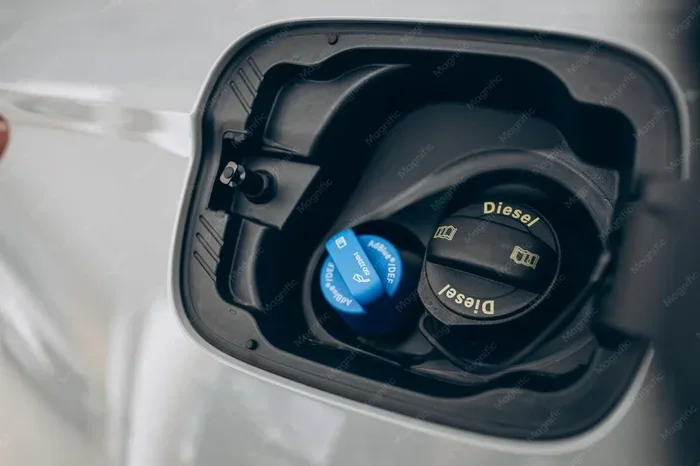
How Many Gallons Does Your Car Fuel Tank Usually Hold
Knowing how many gallons your car fuel tank holds is one of the simplest ways to plan road trips and save money at the pump. Most passenger cars carry between 12 and 16 gallons, but SUV and truck tanks can hold 20 gallons or more. In this guide, we break down fuel tank sizes by vehicle type, show you how to find your car’s exact capacity, and share practical tips to stretch every gallon. Whether you drive a compact sedan or a full-size truck, this article has the answers you need.
Have you ever stood at the gas pump and wondered, “how many gallons is my car tank?” It is a simple question, but the answer can surprise you. Fuel tank capacity varies wildly depending on the vehicle type, brand, and model. A tiny compact car might hold just 10 gallons, while a heavy-duty truck can carry 30 gallons or more.
Understanding your car’s fuel tank size is more useful than you might think. It helps you plan road trips, estimate fuel costs, and avoid getting stranded with an empty gauge. Whether you are a new car owner or have been driving for years, knowing your tank capacity gives you a real advantage. This guide covers everything you need to know about fuel tank sizes, from average numbers to practical tips for saving fuel.
Key Takeaways
- Average car tank size: Most standard cars hold 12 to 16 gallons of fuel.
- Vehicle type matters: SUVs and trucks have much larger tanks than sedans and compacts.
- Check your owner’s manual: It is the most reliable source for your exact fuel tank capacity.
- Fuel range depends on MPG: Multiply your tank size by your car’s miles per gallon to estimate range.
- Tank size affects cost: Larger tanks cost more to fill but mean fewer trips to the gas station.
- Fuel efficiency tips: Proper tire pressure, smooth driving, and removing excess weight all help you get more miles per gallon.
📑 Table of Contents
What Is Fuel Tank Capacity and Why Does It Matter?
Fuel tank capacity is the total amount of gasoline or diesel your car’s tank can hold when completely full. It is measured in gallons in the United States and liters in most other countries. The size of your tank directly affects how far you can drive before needing to refuel.
Why Fuel Tank Size Matters for Daily Driving
Your tank size shapes your daily routine more than you realize. A smaller tank means more frequent visits to the gas station, which costs you time and money. On the other hand, a larger tank lets you drive longer distances without stopping.
Here is why fuel tank capacity matters:
- Road trip planning: You need to know how far you can go before your next fill-up.
- Fuel cost estimates: A bigger tank costs more per fill but may save you money over time.
- Emergency preparedness: Knowing your range helps you avoid running out in remote areas.
- Vehicle comparison: When shopping for a car, tank size is a key factor alongside fuel economy.
- Resale value: Some buyers prefer vehicles with larger tanks for their convenience.
The average fuel tank capacity for a standard passenger car falls between 12 and 16 gallons. However, this number shifts a lot depending on the vehicle category. Understanding these differences helps you make smarter decisions about refueling and trip planning.
Average Fuel Tank Sizes by Vehicle Type
Not all cars are built the same, and neither are their fuel tanks. Vehicle type plays a huge role in determining how many gallons a tank holds. Let us break it down by category.
Compact and Subcompact Cars
Small cars like the Honda Civic, Toyota Corolla, and Hyundai Elantra typically have fuel tanks in the 12 to 14-gallon range. These compact car gas tanks are designed for efficiency and easy parking. Because the tanks are smaller, you will fill up more often.
Typical tank sizes for compact cars:
- Honda Civic: 12.4 gallons
- Toyota Corolla: 13.2 gallons
- Hyundai Elantra: 12.4 gallons
- Mazda3: 13.2 gallons
These vehicles usually deliver excellent fuel economy, often achieving 30 to 40 miles per gallon. So even with a smaller tank, you can still cover a solid distance on a single fill-up.
Mid-Size Sedans
Mid-size sedans like the Toyota Camry, Honda Accord, and Nissan Altima generally carry 15 to 17 gallons. These cars strike a nice balance between tank size and fuel efficiency. They offer enough range for long commutes and weekend getaways without requiring constant refueling stops.
Typical tank sizes for mid-size sedans:
- Toyota Camry: 15.8 gallons
- Honda Accord: 15.8 gallons
- Nissan Altima: 16.3 gallons
- Chevrolet Malibu: 13.3 gallons
SUVs and Crossovers
Sport utility vehicles need more fuel to move their heavier frames, so they come with larger tanks. SUV fuel tank sizes typically range from 16 to 22 gallons. Popular models like the Toyota RAV4, Ford Explorer, and Chevrolet Equinox all fall into this category.
Typical tank sizes for popular SUVs:
- Toyota RAV4: 14.5 to 16 gallons
- Ford Explorer: 18 to 21 gallons
- Chevrolet Equinox: 13.4 to 16 gallons
- Honda CR-V: 15.3 gallons
Larger SUVs like the Chevrolet Tahoe and Ford Expedition can hold 24 gallons or more. These big tanks give SUVs impressive range, which is especially helpful for families who travel long distances.
Trucks and Heavy-Duty Vehicles
Trucks have the largest fuel tanks of any passenger vehicle category. Full-size pickup trucks like the Ford F-150, Ram 1500, and Chevrolet Silverado typically carry 20 to 36 gallons. Some heavy-duty versions push even higher.
Typical tank sizes for popular trucks:
- Ford F-150: 23 to 36 gallons (depending on model)
- Chevrolet Silverado: 24 to 36 gallons
- Ram 1500: 23 to 26 gallons
- Toyota Tacoma: 16 to 21 gallons
These large tanks are essential for towing and hauling. When you are pulling a heavy trailer, your fuel economy drops significantly, so a bigger tank helps you go longer between fill-ups.
How to Find Your Car’s Exact Tank Size
Wondering how to find out how many gallons is my car tank? There are several reliable ways to get this information. You do not need to be a mechanic to figure it out.
Check the Owner’s Manual
Your car’s owner’s manual is the single best source for fuel tank capacity. Look in the section about specifications or technical data. The manual will list the exact tank size in gallons.
Pro tip: If you misplaced your manual, most manufacturers post PDF versions on their official websites. Just search for your vehicle’s year, make, and model.
Look at the Driver’s Side Door Jamb
Open your driver’s door and look at the door jamb (the frame around the door). There is a sticker there called the Federal Tire and Loading Information sticker. It lists important details about your vehicle, including fuel tank capacity.
Use Online Resources and VIN Decoders
Websites like FuelEconomy.gov and Edmunds let you look up your car’s specifications by entering the year, make, and model. You can also use a VIN decoder to pull detailed information about your specific vehicle.
Check the Fuel Door or Filler Neck
Some manufacturers stamp the fuel tank capacity on the inside of the fuel door or near the filler neck. Look for a small label or engraving that says something like “Tank capacity: 15.9 gallons.”
Contact a Dealership
If all else fails, call your local dealership. They can look up your vehicle’s specifications using the VIN number. This method always gives you an accurate answer.
Quick Tip: Always double-check your tank size before a long road trip. Even if you think you know it, a quick verification can save you from unexpected fuel shortages.
How Far Can You Go on a Full Tank?
Once you know your tank size, the next question is obvious: how far can you actually drive? The answer depends on your fuel economy and tank capacity working together.
The Simple Formula
To calculate your estimated range on a full tank, use this simple formula:
Tank Size (gallons) x MPG = Estimated Range (miles)
For example, if your car has a 15-gallon tank and gets 28 miles per gallon, you can drive about 420 miles on a full tank. That is a solid distance for most road trips.
Real-World Range Examples
Let us look at some real-world examples to make this clearer:
- Compact car (13 gallons x 35 MPG): About 455 miles of range
- Mid-size sedan (16 gallons x 30 MPG): About 480 miles of range
- SUV (18 gallons x 25 MPG): About 450 miles of range
- Full-size truck (24 gallons x 20 MPG): About 480 miles of range
These numbers are estimates. Your actual range will vary based on driving habits, road conditions, weather, and cargo weight. Highway driving generally gives you better fuel economy than city driving, so your range will be longer on open roads.
Factors That Reduce Your Fuel Range
Several things can shorten the distance you get on a full tank:
- Aggressive driving: Rapid acceleration and hard braking burn more fuel.
- Excess weight: Carrying heavy items in your trunk or cargo area reduces efficiency.
- Roof racks: They create drag, which forces your engine to work harder.
- Old or dirty air filters: Restricted airflow hurts engine performance.
- Underinflated tires: Tires with low rolling resistance improve fuel economy.
- Idling: Letting your car sit running uses fuel without moving you forward.
Understanding these factors helps you maximize every gallon. Small changes in how you drive can add up to significant fuel savings over time.
Tips to Maximize Your Fuel Tank Efficiency
Now that you know your tank size and how far you can go, let us talk about getting the most out of every gallon. Fuel efficiency is not just about your car, it is also about how you drive and maintain it.
Drive Smoothly and Steadily
One of the best ways to improve your fuel economy is to drive smoothly. Avoid rapid acceleration and sudden braking. Maintain a steady speed and use cruise control on highways when it is safe to do so.
Studies show that aggressive driving can lower your gas mileage by 15 to 30 percent at highway speeds. That is a lot of wasted fuel and money.
Keep Your Tires Properly Inflated
Underinflated tires create more rolling resistance, which means your engine has to work harder. Check your tire pressure at least once a month. The recommended pressure is listed on the driver’s side door jamb sticker.
Remove Unnecessary Weight
Every extra pound your car carries requires more fuel. Clean out your trunk and back seat regularly. Remove roof racks and cargo carriers when you are not using them. These simple steps can improve your MPG noticeably.
Use the Right Motor Oil
Using the manufacturer-recommended motor oil can improve your fuel economy by 1 to 2 percent. Look for oils labeled “energy conserving” on the back of the bottle. Also, change your oil regularly to keep your engine running efficiently.
Plan Your Trips Wisely
Combining errands into one trip saves fuel because a warmed-up engine runs more efficiently. Try to avoid driving during peak traffic hours when possible. Stop-and-go city driving is the enemy of good fuel economy.
Fill Up at the Right Time
Fuel is denser in the early morning when temperatures are cooler. Filling up early can give you slightly more fuel for your money. Also, avoid topping off your tank after the pump clicks off, as it can damage your evaporative emissions system.
Expert Insight: According to the U.S. Department of Energy, maintaining proper tire pressure alone can improve your fuel economy by up to 3 percent. That might not sound like much, but it adds up over hundreds of miles.
Common Myths About Car Fuel Tanks
There are a lot of myths floating around about fuel tanks and gas mileage. Let us clear up some of the most common ones.
Myth 1: You Should Always Fill Up in the Morning
While fuel is slightly denser when it is cool, the temperature difference at the pump is usually negligible. The time of day you fill up has almost no impact on how much fuel you actually get.
Myth 2: Premium Fuel Gives Better Mileage in All Cars
Premium fuel has a higher octane rating, but it does not automatically improve fuel economy. Only use premium fuel if your owner’s manual recommends it. Most standard cars run perfectly fine on regular gasoline.
Myth 3: Running on Empty Helps You Save Fuel
Some people believe they save fuel by keeping the tank low. In reality, running your tank too low can damage your fuel pump. Keep your tank at least a quarter full at all times to protect your fuel system and avoid getting stranded.
Myth 4: Bigger Tanks Always Mean Worse Fuel Economy
A larger tank does not directly affect your fuel economy. It simply gives you more range between fill-ups. Your MPG is determined by engine size, driving habits, and vehicle weight, not tank size.
Fuel Tank Size Comparison Table
Here is a quick reference table showing average fuel tank sizes across popular vehicle categories:
| Vehicle Category | Average Tank Size (Gallons) | Typical MPG | Estimated Full-Tank Range (Miles) |
|---|---|---|---|
| Compact Car | 12 – 14 | 30 – 40 | 360 – 560 |
| Mid-Size Sedan | 15 – 17 | 28 – 35 | 420 – 595 |
| Compact SUV | 14 – 17 | 25 – 32 | 350 – 544 |
| Full-Size SUV | 20 – 26 | 18 – 24 | 360 – 624 |
| Full-Size Truck | 22 – 36 | 15 – 22 | 330 – 792 |
| Minivan | 18 – 20 | 20 – 27 | 360 – 540 |
This table gives you a general idea of what to expect. Keep in mind that individual models can vary, and your actual mileage will depend on driving conditions and habits. Always refer to your specific vehicle’s specifications for the most accurate information.
Key Takeaways
- Fuel tank capacity varies by vehicle type: compact cars hold 12 to 14 gallons, while trucks can hold 30 gallons or more.
- Check your owner’s manual or door jamb sticker to find your car’s exact tank size.
- Multiply your tank size by your MPG to estimate how far you can go on a full tank.
- Driving habits matter: smooth acceleration, steady speeds, and proper tire pressure all improve fuel economy.
- Larger tanks cost more to fill but give you longer range and fewer trips to the gas station.
- Avoid common myths like running on empty or always using premium fuel unless your car requires it.
Conclusion
Knowing how many gallons your car fuel tank holds is one of the most practical things you can learn as a driver. It helps you plan trips, budget for fuel costs, and avoid the stress of running low on gas in unfamiliar areas.
As we have covered, fuel tank sizes vary significantly across vehicle types. Compact cars typically hold 12 to 14 gallons, mid-size sedans carry 15 to 17 gallons, SUVs range from 16 to 26 gallons, and trucks can hold 20 to 36 gallons or more. Use the methods in this guide to find your car’s exact tank capacity.
Beyond just knowing your tank size, remember that fuel efficiency plays a huge role in how far you can go. Drive smoothly, maintain your vehicle, and plan your trips wisely to get the most out of every gallon. These simple habits can save you money and reduce your trips to the pump.
So the next time someone asks you, “how many gallons is my car tank?” you will have a clear, confident answer. Take what you have learned here and apply it today. Your wallet and your peace of mind will thank you.
Frequently Asked Questions
How do I find out how many gallons my car tank holds?
The easiest way is to check your owner’s manual. You can also look at the sticker on your driver’s side door jamb or visit your manufacturer’s website. Online VIN decoders and resources like FuelEconomy.gov are also reliable sources for your exact fuel tank capacity.
What is the average fuel tank size for a regular car?
The average fuel tank size for a standard passenger car is between 12 and 16 gallons. Compact cars tend to be on the lower end around 12 gallons, while mid-size sedans are closer to 15 or 16 gallons. Your specific vehicle may vary based on the model and year.
Does a bigger fuel tank mean worse gas mileage?
No, tank size does not directly affect your gas mileage. Your fuel economy depends on factors like engine size, vehicle weight, driving habits, and road conditions. A bigger tank simply gives you more range between fill-ups, not better or worse MPG.
How far can I drive on a full tank?
To estimate your range, multiply your tank size in gallons by your car’s miles per gallon rating. For example, a 15-gallon tank with 30 MPG gives you about 450 miles of range. Keep in mind that real-world driving conditions can make this number higher or lower.
Is it bad to run your car on fumes?
Yes, running your car on very low fuel can be harmful. It can damage your fuel pump by causing it to overheat, and it leaves you at risk of running out of gas in unsafe locations. Try to keep your tank at least a quarter full at all times.
Can I increase my car’s fuel tank size?
It is possible to install aftermarket auxiliary fuel tanks, but this is uncommon for most drivers. It can be expensive and may affect your vehicle’s warranty. A more practical approach is to focus on improving your fuel economy through better driving habits and regular vehicle maintenance.