Is It OK to Exceed Payload Capacity on Your Vehicle
Is it OK to exceed payload capacity? The short answer is no. Overloading your vehicle stresses the suspension, brakes, and frame, leading to dangerous handling and longer stopping distances. This guide explains the real risks, legal issues, and simple steps to stay within safe limits.
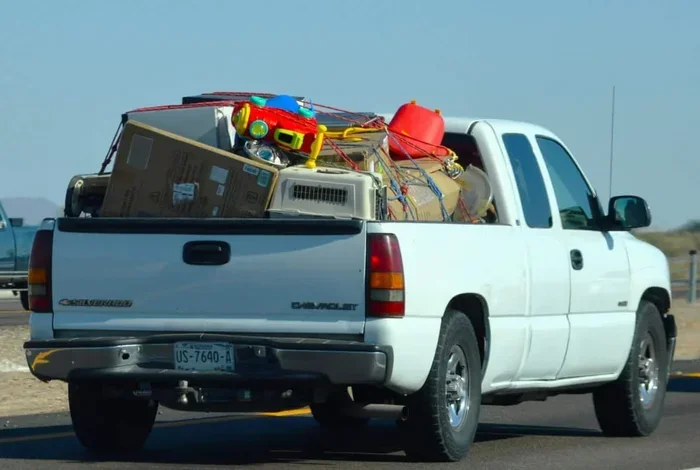
You just loaded up the truck bed. The camping gear is stacked high. The kids are in the back. You pull up to the driveway and wonder, is it OK to exceed payload capacity? It feels fine. The vehicle sits level. But that feeling can be deceptive. Overloading a vehicle is one of the most common yet overlooked safety risks on the road. Many drivers do not realize the hidden damage until it is too late.
Exceeding payload capacity is never a good idea. It puts extra stress on every part of your vehicle. The suspension, brakes, tires, and frame all feel the strain. This guide will explain what payload capacity means, why it matters, and what happens when you push past the limit. You will learn how to check your numbers and avoid costly mistakes. Let us keep your ride safe and smart.
Key Takeaways
- Exceeding payload can void your warranty and insurance claims.
- Overloading strains suspension, brakes, and tires, increasing accident risk.
- Gross Vehicle Weight Rating (GVWR) is the hard limit you must respect.
- Payload includes passengers, cargo, and tongue weight of a trailer.
- Always check your vehicle’s door jamb sticker or owner’s manual.
- Use a scale to weigh your load before hitting the road.
- When in doubt, leave weight behind or rent a larger vehicle.
📑 Table of Contents
What Is Payload Capacity and Why Does It Matter?
Payload capacity is the maximum weight your vehicle can safely carry. This number includes everything inside and on the vehicle. It covers passengers, cargo, and any tongue weight from a trailer. The manufacturer sets this limit based on the vehicle’s frame, suspension, and brakes. You can usually find it on a sticker inside the driver’s door jamb or in the owner’s manual.
Many people confuse payload with towing capacity. They are not the same thing. Towing capacity is the weight your vehicle can pull behind it. Payload is the weight it can carry on top of its own weight. Both numbers matter, but they serve different purposes.
Payload vs. Towing Capacity
Think of it this way. Towing is like pulling a wagon. Payload is like filling a backpack. Your vehicle has a fixed amount of strength for both tasks. If you pull a heavy trailer, that reduces your available payload. The extra weight of the trailer tongue presses down on the hitch. That pressure counts against your payload limit.
| Feature | Payload Capacity | Towing Capacity |
|---|---|---|
| Definition | Weight carried on the vehicle itself | Weight pulled behind the vehicle |
| Includes | Passengers, cargo, tongue weight | Trailer, cargo inside trailer |
| Where to find it | Door jamb sticker, owner’s manual | Owner’s manual, hitch rating |
| Key risk when exceeded | Suspension damage, poor handling | Engine strain, transmission overheating |
| Common mistake | Forgetting tongue weight counts | Ignoring payload when towing |
The Gross Vehicle Weight Rating (GVWR) is the total weight your vehicle can be, fully loaded. To find your payload, subtract the curb weight (the weight of the empty vehicle) from the GVWR. That gives you your payload number. If you carry more than that, you are overloading.
The Real Risks of Exceeding Payload Capacity
So what happens when you exceed payload capacity? The dangers are real and often invisible until a critical moment. Many drivers do not feel the extra strain right away. But over time, the damage builds up. And in an emergency, overloaded vehicles react poorly.
Suspension and Steering Damage
Your vehicle’s suspension is designed to handle a specific weight. Springs, shocks, and control arms all have limits. When you exceed payload capacity, the suspension bottoms out more often. The springs compress fully, which can cause them to break. Steering feels loose or vague. You might notice the vehicle pulls to one side. These issues make driving less predictable.
Braking and Handling Problems
Brakes need distance to stop a vehicle. More weight means more momentum. An overloaded vehicle takes longer to stop. In wet or icy conditions, the difference is even greater. The steering can feel heavy or unresponsive. You might struggle to navigate tight turns. This is especially dangerous on highways where quick maneuvers are often needed.
Tire Blowouts and Uneven Wear
Tires have a load rating printed on the sidewall. Exceeding payload capacity means the tires carry more than they are rated for. The sidewalls flex more, which builds up heat. Heat leads to blowouts. You may also notice uneven tire wear, with the inner shoulders wearing faster. Replacing tires is costly, but a blowout at highway speed can be fatal.
Frame and Body Stress
The vehicle frame is the backbone of the structure. Overloading can cause the frame to flex or warp over time. On pickup trucks, the bed may sag. The doors may not close properly. In severe cases, the frame can crack. These are expensive repairs that are often not covered by warranty.
Legal and Financial Consequences
Exceeding payload capacity is not just a safety issue. It can also lead to legal trouble and financial loss. Many drivers do not think about the non-physical consequences until they face a ticket or a denied claim.
Insurance Claims and Liability
If you get into an accident while overloaded, your insurance company may deny the claim. They can argue that you were driving an unsafe vehicle. The insurer might say the damage was caused by exceeding the payload limit. This leaves you responsible for all repair costs and medical bills. In some cases, the other driver’s insurance may also refuse to pay.
Fines and Violations
In many states, exceeding payload capacity is a traffic violation. You can be pulled over and fined. The fine amount varies by location. Some jurisdictions treat it as a moving violation that adds points to your license. For commercial vehicles, the penalties are even stricter. Overweight fines can run into hundreds of dollars.
Warranty Voiding
Your vehicle warranty covers defects in materials and workmanship. It does not cover damage caused by misuse. Overloading is considered misuse. If a suspension component fails because you exceeded payload capacity, the manufacturer will likely deny the warranty claim. You will pay for the repair out of pocket.
How to Check and Respect Your Vehicle’s Payload Limits
The good news is that staying within payload limits is simple. You just need to know the numbers and pay attention to them. Here is how you can do it step by step.
Finding the Numbers on Your Vehicle
Start by looking at the door jamb sticker. Every new vehicle has one. It lists the GVWR, curb weight, and payload capacity. If you cannot find the sticker, check the owner’s manual. The manual will have a section called “Vehicle Loading” or “Payload Specifications.” Write down the payload number and keep it in your glove box.
Weighing Your Load Accurately
Do not guess the weight. Use a public scale or a portable vehicle scale. Weigh your vehicle fully loaded, including all passengers and cargo. Subtract the curb weight to get your actual payload. Compare that number to the rated capacity. If you are close to the limit, remove some weight. It is better to be safe than sorry.
Remember to include tongue weight. If you tow a trailer, the tongue weight presses down on the hitch. This counts toward your payload. A common rule is that tongue weight should be about 10 to 15 percent of the total trailer weight.
Quick Tips, Common Mistakes, and Expert Insights
Quick Tips to Stay Within Payload Limits
- Weigh your vehicle after loading, not before.
- Distribute weight evenly side to side and front to rear.
- Check tire pressure before every trip. Proper pressure helps support the load.
- Use a payload scale if you regularly carry heavy loads.
- Read the door jamb sticker every time you buy a new vehicle.
- When in doubt, leave it behind. A little less weight is always safer.
Common Mistakes People Make When Loading Their Vehicle
Many drivers make the same errors. One common mistake is forgetting about passenger weight. Four adults can add 800 pounds or more. Another mistake is ignoring the weight of accessories. Roof racks, cargo boxes, and aftermarket bumpers all add weight. Some drivers assume the truck bed can handle anything. They pile in heavy firewood or construction materials without checking the numbers.
Another big mistake is mixing payload and towing. A driver might stay under the towing limit but forget that the trailer tongue weight eats into the payload. The result is an overloaded vehicle that feels fine at low speeds but becomes dangerous at highway speeds.
Expert Insights: What Mechanics and Safety Experts Say
Experienced mechanics see the damage caused by overloading every day. They often say that suspension failures are the most common result. “The shocks and springs wear out fast when a vehicle is constantly over its payload rating,” says a certified auto technician with over 20 years of experience. “We also see warped frames on older trucks that were used as workhorses without regard for weight limits.”
Safety experts emphasize that payload limits are not suggestions. They are engineering limits based on crash testing and durability. “The vehicle’s braking system, tires, and frame are all matched to the payload rating,” explains a highway safety researcher. “When you exceed that limit, you change the physics of the vehicle. Stopping distance increases, handling becomes unpredictable, and the risk of a serious accident rises.”
Conclusion
Is it OK to exceed payload capacity? The answer is a clear no. Overloading your vehicle creates unnecessary risks. It strains the suspension, brakes, tires, and frame. It can void your warranty and insurance claims. It can also lead to fines and legal liability. The safest approach is to know your payload number and respect it.
Take a few minutes to check your vehicle’s door jamb sticker or owner’s manual. Weigh your load before long trips. If you are near the limit, remove some weight or rent a larger vehicle. Small habits make a big difference. Your vehicle, your passengers, and everyone else on the road will be safer. Make payload awareness a normal part of your driving routine.
Frequently Asked Questions
What happens if you exceed payload capacity?
Exceeding payload capacity stresses your suspension, brakes, and tires. It can lead to longer stopping distances, poor handling, and even tire blowouts. Over time, it may cause frame damage and void your warranty.
How do I find my vehicle’s payload capacity?
Look at the door jamb sticker inside the driver’s door. It lists the GVWR and curb weight. Subtract curb weight from GVWR to get your payload capacity. You can also check the owner’s manual.
Does tongue weight count toward payload?
Yes, tongue weight counts toward payload. When you tow a trailer, the downward force on the hitch is part of the payload. It should be about 10 to 15 percent of the total trailer weight.
Can exceeding payload capacity affect insurance claims?
Yes, insurance companies may deny a claim if they determine the vehicle was overloaded. Overloading is considered misuse of the vehicle, which can void coverage for accident-related damage.
Is it illegal to exceed payload capacity?
In many states, exceeding payload capacity is a traffic violation. You can be fined and receive points on your license. Commercial vehicles face stricter penalties and weight limits.
What is the difference between payload capacity and towing capacity?
Payload capacity is the weight your vehicle can carry inside and on itself, including passengers and cargo. Towing capacity is the weight your vehicle can pull behind it. Both are important, but they measure different things.