Exactly How Much Does It Cost to Wrap a Tesla Model 3
The cost to wrap a Tesla Model 3 typically ranges from $2,000 to $5,500, depending on vinyl quality, design complexity, and labor. A full wrap protects your paint and boosts resale value, while a partial wrap is more affordable. This guide covers every price factor so you can budget confidently.
The cost to wrap a Tesla Model 3 is a question many owners ask before committing to a custom look or paint protection. Whether you want a sleek matte finish, a bold color shift, or simply to preserve your original paint, a wrap delivers big results. This guide breaks down every factor that influences the final price, so you can plan your budget with confidence. You’ll learn about material options, labor differences, and hidden costs that shops don’t always mention upfront.
A Tesla Model 3 wrap is more than a cosmetic upgrade. It acts as a protective layer against stone chips, UV rays, and minor scratches. Many owners choose to wrap their cars instead of repainting, because a high-quality wrap is fully reversible. If you ever decide to sell the vehicle, removing the wrap reveals the original factory paint underneath. That can significantly boost resale value. Understanding the price breakdown helps you decide between a full coverage wrap, a partial design, or a simple color change.
Key Takeaways
- Full wrap cost: $3,000–$5,500 for premium vinyl and custom design.
- Partial wrap cost: $1,200–$2,800 for partial coverage like the hood or roof.
- Material matters: Cast vinyl lasts 7–10 years; cheaper films last 3–5 years.
- Labor is key: Professional installation takes 2–3 days and ensures bubble-free results.
- DIY risks: Saving money on labor often leads to wrinkles, peeling, and paint damage.
- Maintenance: Proper care extends wrap life and keeps the finish looking new.
📑 Table of Contents
What Affects the Tesla Model 3 Wrap Cost
Several factors determine the final Tesla Model 3 wrap cost. Not every wrap is priced the same, and knowing these variables helps you avoid surprises. The biggest factors are material quality, design complexity, and labor rates.
Material Quality and Vinyl Type
The type of vinyl you choose has the biggest impact on price. Cast vinyl is the premium option. It conforms tightly to curves, resists fading, and can last 7 to 10 years. Calendered vinyl is more affordable but thinner and less durable, typically lasting 3 to 5 years. For a Tesla Model 3, most installers recommend cast vinyl because the car has complex body lines. A matte wrap usually costs more than a standard gloss finish because of the specialized film and installation technique. Color shift and satin wraps also fall into the premium category.
Design Complexity and Custom Graphics
A simple single-color wrap costs less than a multi-color design with racing stripes, logos, or custom graphics. If you want a full custom wrap design, the shop will spend extra time on masking and alignment. Some designs require multiple vinyl layers, which increases material cost. You can save money by choosing a clean, minimalist look. However, even a simple wrap requires precision to avoid bubbles and seams.
Labor Costs and Shop Location
Labor is the second largest expense. A professional wrap requires a clean, climate-controlled environment and skilled technicians. The wrap installation process for a Tesla Model 3 typically takes 2 to 3 full days. Rates vary by region. A shop in a major city will charge more than a rural installer. On average, labor accounts for 40 to 50 percent of the total vinyl wrap cost. A full wrap requires about 25 to 30 man hours of skilled work. That is far less than the how many man hours it takes to build a car from scratch, but it still demands precision and patience.
Quick Tips: Saving on Material Costs
- Choose a standard gloss finish if you want the lowest price.
- Avoid complex graphics unless you really need them.
- Get quotes from at least three local installers.
- Ask if the shop offers a discount for a plain color change.
Average Cost Breakdown for a Tesla Model 3 Wrap
Here is a realistic look at what you can expect to pay. Prices vary based on the factors above, but these ranges give you a solid starting point.
| Wrap Type | Average Cost Range | Coverage | Typical Duration |
|---|---|---|---|
| Full Wrap (Standard Gloss) | $3,000 – $4,000 | 100% exterior | 2–3 days |
| Full Wrap (Premium Cast Vinyl) | $4,000 – $5,500 | 100% exterior | 2–3 days |
| Partial Wrap (Hood + Roof) | $1,200 – $2,200 | 30–40% | 1 day |
| Partial Wrap (Full Front + Rear) | $1,800 – $2,800 | 50–60% | 1–2 days |
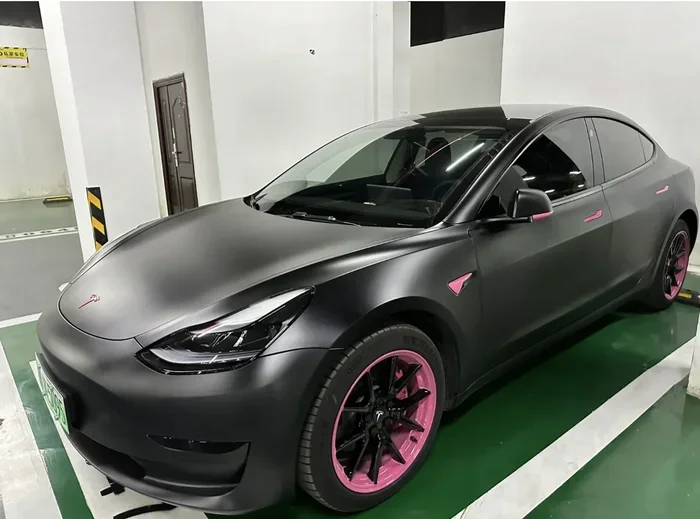
| Color Change Wrap (Matte) | $3,500 – $4,500 | 100% exterior | 2–3 days |
| Paint Protection Film (Full) | $5,000 – $8,000 | 100% exterior | 3–5 days |
A partial wrap is a great budget-friendly option. You can highlight the hood, roof, or mirrors while keeping the rest of the car in its original paint. If you are considering a partial wrap, keep in mind that any visible original paint will still be exposed to the elements. Many owners choose a partial wrap first and upgrade to a full wrap later.
Partial Wrap vs. Full Wrap: Which Is Right for You?
A full wrap covers the entire exterior, including the roof, doors, hood, and trunk. It offers maximum protection and a complete color change. A partial wrap targets specific panels. The cost to wrap a Tesla Model 3 partially is roughly half of a full wrap. However, the price difference is not always exactly 50/50. Removing and masking additional panels adds labor time. If you want a clean look, a full wrap is usually the better value.
Premium Wrap Options and Add-Ons
Some shops offer wrap packages that include surface preparation, paint correction, and a warranty. These add-ons increase the upfront cost but protect your investment. You can also add paint protection film to high-impact areas like the front bumper and hood. The bumper removal step is important here. If your design includes the front bumper, the installer may need to remove it. This step is similar to how long it takes to fit a new bumper, adding extra time and care to the job.
Common Mistakes When Budgeting for a Wrap
- Choosing the cheapest vinyl without checking its warranty.
- Ignoring the cost of design and printing custom graphics.
- Forgetting to ask if the price includes surface prep and masking.
- Assuming a wrap will fix existing paint damage.
DIY vs. Professional Wrap: Which Saves More Money?
Some owners consider wrapping their Tesla Model 3 themselves to save on labor. A DIY wrap kit costs between $500 and $1,500 for materials. However, the risks are significant. Without proper heat guns, squeegees, and experience, you are likely to end up with bubbles, wrinkles, or misaligned seams. A bad DIY wrap can damage the original paint, leading to costly repairs that erase any savings.
Risks of a DIY Wrap
Vinyl wrap requires a dust-free environment and steady hands. The Tesla Model 3 has many curves and tight panel gaps. Getting the film to lay perfectly on the door handles, mirror caps, and trunk edges is challenging. Even a small mistake can create a visible blemish. Most professional installers spend years perfecting their technique. They also use premium tools that heat the vinyl evenly, preventing shrinkage and peeling.
Finding the Right Installer
When choosing a shop, look for certified wrap installers with Tesla-specific experience. Ask to see previous work and read customer reviews. A reputable shop will offer a written warranty on both materials and labor. You might wonder if you can take your Tesla to any shop like you would a Toyota. Unlike taking your Toyota to any dealer, Tesla wraps are usually handled by certified Tesla Service Centers or specialized body shops that understand electric vehicle panels and sensors.
Expert Insight: The True Cost of a Cheap Wrap
Many owners learn the hard way that a low-priced wrap leads to early failure. Cheap vinyl yellows within two years and leaves adhesive residue on the paint. Removing a failed wrap often requires paint correction, which can cost another $500 to $1,000. Investing in quality materials and professional installation saves money in the long run.
How Long Does the Wrapping Process Take?
The timeline depends on the type of wrap and the shop’s workload. A simple partial wrap can be completed in one day. A full custom wrap typically takes two to three days. After the vinyl is applied, the wrap needs time to cure. During curing, the adhesive bonds fully to the paint surface.
Typical Timeline and Curing Process
Most installers recommend keeping the car indoors for 24 to 48 hours after wrapping. Avoid washing the car or driving it through heavy rain during this period. The wrap curing time can vary with temperature and humidity. In warm, dry conditions, the wrap sets faster. In cold or humid weather, it may take longer. Once fully cured, the wrap is durable and ready for daily driving.
Quick Tips: Aftercare for a Fresh Wrap
- Wait at least 48 hours before washing the car.
- Use a soft microfiber cloth and pH-neutral soap.
- Avoid high-pressure car washes for the first two weeks.
- Hand-dry the car instead of letting it air dry.
- Park in shaded areas to reduce UV exposure during the first month.
Maintaining Your Wrapped Tesla Model 3
A wrapped Tesla Model 3 requires regular care to look its best. The good news is that maintenance is simple. A wrapped surface is smooth and glossy (or matte, depending on your choice). Dirt and grime do not stick as easily as to bare paint, but regular washing is still important.
Cleaning Tips and Longevity
Wash the car every one to two weeks with a gentle car shampoo. Avoid automatic brush-style car washes, as the rotating brushes can catch edges and peel the vinyl. Instead, use a touchless wash or hand wash. Dry the car with a soft, lint-free cloth to prevent water spots. If you notice any small bubbles or peeling edges, address them immediately. A professional installer can often repair minor issues without redoing the entire panel.
With proper care, a cast vinyl wrap can last 7 to 10 years. Calendered vinyl may need replacement after 3 to 5 years. The wrap durability depends on how often you drive, your climate, and how well you maintain the film. Keeping the wrap clean and applying a wrap-safe sealant once a year can extend its lifespan.
Common Maintenance Mistakes
- Using harsh chemical cleaners or degreasers.
- Waxing the wrapped surface (most waxes are not compatible with vinyl).
- Ignoring small bubbles that can grow over time.
- Using a pressure washer too close to the edges.
Is a Wrap Worth It for Your Tesla Model 3?
Deciding whether a wrap is worth the investment depends on your goals. If you plan to keep the car for several years and want to protect the original paint, a wrap is an excellent choice. It also allows you to change the car’s appearance without the permanence of paint.
Pros and Cons of Wrapping a Tesla Model 3
Here is a quick comparison of the benefits and drawbacks:
- Pros: Protects original paint, fully reversible, custom design options, adds resale value, cost-effective alternative to repainting.
- Cons: Upfront cost can be high, requires professional installation for best results, may not cover all damage, needs regular maintenance.
For most Tesla Model 3 owners, the cost to wrap a Tesla Model 3 is justified by the protection and aesthetic benefits. A wrap acts as a sacrificial layer, taking the brunt of road hazards instead of your factory paint. If you ever decide to sell, a well-maintained wrap can make the car more attractive to buyers.
Before committing, request a detailed quote from a trusted installer. Ask exactly what is included in the price, such as surface prep, masking, and warranty terms. Understanding the Tesla Model 3 wrap cost upfront helps you make a confident decision.
In the end, a wrap is an investment in your car’s appearance and long-term value. Whether you choose a subtle matte finish or a striking custom design, the right wrap will turn heads and keep your Tesla looking factory-fresh for years to come.
Frequently Asked Questions
How much does it cost to wrap a Tesla Model 3?
The total cost to wrap a Tesla Model 3 typically ranges from $2,000 for a partial wrap to $5,500 for a premium full wrap. The final price depends on vinyl type, design complexity, and labor rates in your area. Always ask for a detailed breakdown before committing.
Is a Tesla Model 3 wrap worth the money?
Yes, a wrap protects your original paint and is fully reversible. It offers a custom look without the permanence of repainting. Many owners find that the Tesla Model 3 wrap cost pays off through paint preservation and improved resale value.
How long does a Tesla Model 3 wrap last?
A high-quality cast vinyl wrap can last 7 to 10 years with proper maintenance. Cheaper calendered films may last only 3 to 5 years. Regular washing and avoiding harsh chemicals will significantly extend the wrap’s lifespan.
Can I wrap my Tesla Model 3 myself to save money?
While DIY kits exist, professional installation is strongly recommended. The Tesla Model 3 has complex curves and tight panel gaps that are difficult to wrap without experience. A bad DIY job can lead to bubbles, peeling, and paint damage that costs more to fix than the savings.
Does a wrap affect the Tesla Model 3’s battery or sensors?
No, a properly installed wrap does not interfere with the battery, charging ports, or sensors. Professional installers carefully work around all electronics, cameras, and charging inlets. Just make sure the shop has experience with electric vehicles.
How long does the wrapping process take?
A partial wrap can be done in one day, while a full custom wrap typically takes two to three days. The curing process adds another 24 to 48 hours before the car is ready for a normal wash. Complex designs with custom graphics may take longer.