My Car Starts Sometimes and Sometimes It Just Doesnt
My car starts sometimes and sometimes it just doesnt is a frustrating problem many drivers face. Intermittent starting issues can stem from a weak battery, corroded terminals, a failing starter motor, or ignition switch problems. This guide walks you through every possible cause and gives you clear, practical steps to diagnose and fix the issue yourself or know when to call a mechanic.
There is nothing quite like the sinking feeling when you turn the key and nothing happens. You try again. Maybe it starts. Maybe it doesnt. This is the reality of dealing with a car that starts sometimes and sometimes it just doesnt. Its maddening. Its unpredictable. And it can happen at the worst possible moment.
Intermittent starting problems are among the most confusing issues a driver can face. Unlike a dead battery that always fails, or a broken starter that never works, these problems come and go. One day your car fires right up. The next day you are sitting in the driveway wondering what went wrong. The good news is that most causes are identifiable and fixable. You just need to know what to look for.
In this article, we will break down every likely reason your car hesitates to start. We will cover battery problems, starter motor failures, ignition switch issues, fuel system faults, and electrical gremlins that can plague any vehicle. By the end, you will have a clear picture of what might be going on and what steps to take next.
Key Takeaways
- Battery and terminal corrosion are the top culprits behind intermittent starting problems.
- A failing starter motor or solenoid can cause your car to crank sometimes and not others.
- Ignition switch wear is a common hidden cause that many drivers overlook.
- Fuel pump and fuel filter issues can lead to a crank no start condition.
- Neutral safety switch and ground strap problems create mysterious electrical gremlins.
- Regular maintenance and early diagnosis save you from costly repairs down the road.
📑 Table of Contents
Why Does My Car Start Sometimes and Sometimes It Doesnt?
The short answer is that intermittent starting issues usually point to an electrical or fuel delivery problem that is not consistent. Something works sometimes and fails other times. This could be a corroded battery terminal that makes contact only when the vibration is just right. Or a starter motor with a worn brush that occasionally completes the circuit. The root cause is almost always one of a handful of common offenders.
When you are dealing with a car that starts sometimes and sometimes it just doesnt, the first thing to understand is the basic starting process. Your battery sends power to the starter motor. The starter motor turns the engine over. The ignition system creates a spark. Fuel gets delivered to the cylinders. All of these steps need to work together perfectly every single time. If even one link in that chain is weak or failing intermittently, you will get inconsistent results.
Let us walk through each possible cause in detail so you can start narrowing things down.
The Battery and Its Connections
The battery is the most common source of intermittent starting problems. A battery that is partially dead may have enough charge to start the car on a good day but not on a cold morning or after the car has been sitting overnight. Corrosion on the battery terminals is another huge offender. That white or greenish crusty buildup acts like an insulator, blocking the flow of electricity. Sometimes the connection is good enough to start the car. Other times it is not.
Here are some signs your battery or connections might be the problem:
- Clicking sound when you turn the key but the engine does not crank.
- Lights dim significantly when you try to start the car.
- The car starts fine after a jump but fails again the next day.
- Corrosion or greenish buildup visible on the battery terminals.
- The car starts better after the engine has been running for a few minutes.
If you suspect your battery, start with a simple visual inspection. Look at the terminals. Are they clean and shiny, or do you see any buildup? You can clean minor corrosion with a wire brush and a baking soda solution. But if your battery is more than three to five years old, it might be time to test it with a multimeter or have it tested at an auto parts store. A healthy battery should read around 12.6 volts when the engine is off and not drop below 10 volts during cranking.
Starter Motor and Starter Solenoid Issues
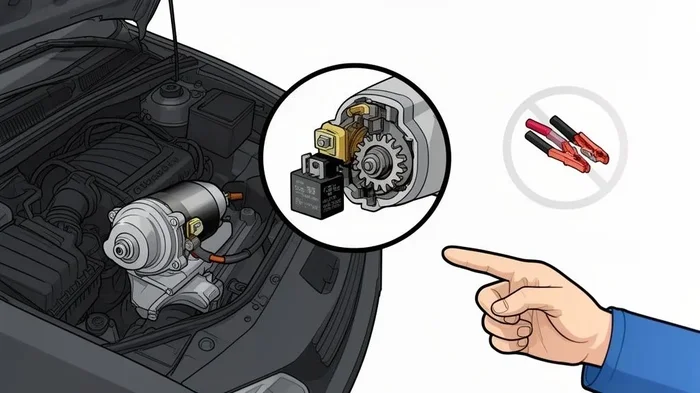
The starter motor is what actually cranks your engine. Inside the starter, there are brushes that make contact with a commutator to deliver power. Over time, these brushes wear down. When they wear unevenly, the starter might work sometimes and fail other times. This is one of the most common reasons a car starts sometimes and sometimes it just doesnt.
The starter solenoid is the little switch that engages the starter gear with the engine flywheel. A failing solenoid can produce a single loud click but fail to turn the engine over. Or it might work intermittently depending on temperature or vibration. Some drivers report that tapping on the starter with a hammer can temporarily free up a stuck component. While this is not a permanent fix, it can be a useful diagnostic trick. If tapping helps the car start, the starter motor is likely your culprit.
Here is what to watch for with starter problems:
- A grinding noise when you turn the key.
- Intermittent clicking without cranking.
- The car starts only after you try multiple times in a row.
- Slow cranking that gets worse over time.
Replacing a starter motor can cost anywhere from 300 to 500 dollars at a shop, depending on your vehicle. If you are handy, you can do it yourself and save on labor. Just make sure you disconnect the battery before you start any electrical work.
Ignition Switch Problems
The ignition switch is the component you interact with every time you turn your key or push the start button. Inside the switch, there are electrical contacts that can wear out over time. When these contacts degrade, they may not send a consistent signal to the starter relay, fuel pump, and ignition system. This is a sneaky cause because it can mimic so many other problems.
Ignition switch failure often shows up in very specific ways. For example, your dashboard lights might flicker when you turn the key. The car might start fine when the steering wheel is in one position but not another. Some drivers notice that wiggling the key in the ignition helps get the car to start. These are all classic signs of a worn ignition switch.
If you suspect your ignition switch, pay attention to these patterns:
- The car starts reliably only when the steering wheel is turned a certain way.
- Dashboard warning lights flicker or go blank when you turn the key.
- The key feels loose or wobbly in the ignition cylinder.
- The car sometimes does not start even though the battery is good.
Replacing an ignition switch is usually a relatively affordable repair. Parts typically cost between 50 and 150 dollars, and labor is straightforward for most mechanics.
Fuel System Troubles
Your engine needs fuel to run, and the fuel system has several components that can fail intermittently. The fuel pump is the workhorse of this system. It pushes fuel from the tank to the engine under pressure. A fuel pump that is beginning to fail might work fine when its cool but struggle when it gets hot. This is why some drivers find that their car starts after sitting for a while but refuses to start after driving for a few miles.
The fuel filter is another component that can cause intermittent problems. A partially clogged fuel filter restricts fuel flow just enough to cause issues under certain conditions but not others. You might notice that the car starts fine when you first turn the key but stalls or hesitates after running for a bit.
Here are common fuel system symptoms to watch for:
- The car cranks for a long time before starting or wont start at all.
- A whining noise coming from the fuel tank area.
- Loss of power when accelerating or going uphill.
- The car starts better after you turn the key off and back on a couple of times.
The second key trick is actually a useful diagnostic. When you turn the key to the ON position (not START), you should hear a brief hum from the fuel tank. This is the fuel pump priming the system. If you do not hear it, the fuel pump relay or the pump itself could be failing. A mechanic can check fuel pressure with a gauge to confirm whether the pump is delivering enough fuel.
Electrical Gremlins and Wiring Issues
Modern cars are essentially computers on wheels. They rely on dozens of electrical connections, sensors, and modules to start and run properly. A single loose or corroded connection can cause all sorts of intermittent problems that are incredibly difficult to track down.
One common hidden issue is a bad ground strap. The ground strap connects the engine or chassis to the battery negative terminal. If this strap is loose or corroded, the electrical current has to find alternate paths, which can lead to unpredictable behavior. Your car might start fine one day and not the next, with no clear pattern.
Another sneaky electrical problem involves the neutral safety switch. This switch prevents the car from starting unless the transmission is in Park or Neutral. A worn neutral safety switch can cause the car to start sometimes and not others depending on the exact position of the gear shifter. Try shifting slightly while holding the key in the START position. If the car starts, the neutral safety switch is likely the issue.
Here are some electrical problems to keep on your radar:
- Corroded or loose wiring connections at the starter and battery.
- A faulty ignition relay that cuts out intermittently.
- Damaged ground straps between the engine and chassis.
- A failing crank position sensor that confuses the engine computer.
Diagnosing electrical issues can be tricky. A good mechanic with a scan tool can read trouble codes from your cars computer that might point you in the right direction. Even if the check engine light is not on, there could be pending codes stored in memory that provide valuable clues.
Spark Plug and Ignition Coil Problems
While spark plug issues more commonly cause running problems rather than starting problems, they can sometimes contribute to intermittent no-start conditions. A spark plug that is heavily fouled or has a cracked insulator might produce a spark sometimes and not others. The same goes for ignition coils that are beginning to fail.
If your car cranks normally but refuses to start on certain occasions, the ignition system should be on your list of suspects. A simple test involves removing a spark plug, grounding it against the engine block, and cranking the engine to see if you get a strong blue spark. A weak or absent spark on one cylinder can be enough to prevent starting.
Keep these ignition-related signs in mind:
- The engine cranks normally but will not fire up.
- Misfires or rough running that come and go.
- Spark plugs that look black, wet, or covered in deposits.
- The car starts better after it has been running and warming up.
Spark plugs are relatively inexpensive and easy to replace. Most mechanics recommend changing them every 30,000 to 100,000 miles depending on the type. Ignition coils cost more, typically 100 to 300 dollars per coil, but they are still a manageable repair for most vehicles.
How to Diagnose Intermittent Starting Problems
Now that we have covered the main causes, let us talk about how to actually diagnose the problem. Intermittent issues are inherently harder to pin down than consistent ones. But there is a systematic approach that can help you get to the bottom of it.
Start by gathering information. When exactly does the car fail to start? Is it when the engine is hot? When it is cold? After the car has been sitting overnight? Does it happen more often in humid weather? These details can help narrow down the cause significantly.
Next, perform a basic battery test. Check the voltage with a multimeter. Clean the terminals thoroughly. Inspect all cable connections for tightness and corrosion. If the battery and connections check out, move on to the starter. Listen carefully when you turn the key. Do you hear a single click? A rapid clicking? Nothing at all? Each sound tells a different story about what might be going wrong.
If the car cranks but does not start, the problem is likely in the fuel or ignition system. Use the fuel pump priming trick described earlier. Check for spark using the spark plug test. Have someone help you by turning the key while you watch for spark. These simple tests can eliminate half the possibilities right from your driveway.
For stubborn problems, consider investing in an OBD2 scanner. These devices plug into your cars diagnostic port and read error codes from the engine computer. Many basic scanners cost under 30 dollars and can provide incredibly useful information. Even if you do not interpret the codes yourself, sharing them with a mechanic can save time and money on diagnostics.
Common Mistakes People Make When Their Car Wont Start
When you are frustrated and your car wont start, it is easy to jump to conclusions. Here are some common mistakes drivers make when dealing with intermittent starting problems:
- Assuming the battery is the problem without testing it properly. A battery might read fine at rest but fail under the load of cranking the engine. A load test is the only way to know for sure.
- Ignoring the ground straps and wiring connections. These small, overlooked components are responsible for completing the electrical circuit. A bad ground can cause all sorts of mysterious failures.
- Replacing parts blindly instead of diagnosing first. Throwing money at parts without a clear diagnosis is expensive and often ineffective. Test first, replace second.
- Dismissing the problem because it is intermittent. Just because the car starts sometimes does not mean the problem will go away on its own. Most intermittent issues get worse over time.
- Not checking the simplest things first. Fuel level, gear position, and ignition key condition are basics that people sometimes overlook when they are stressed about a no-start situation.
Avoiding these mistakes can save you time, money, and a lot of frustration. Take a methodical approach and work through the possibilities one at a time.
When to Call a Professional Mechanic
There is no shame in calling a professional. Some starting problems require specialized tools and expertise that go beyond DIY diagnostics. If you have checked the battery, terminals, starter, and fuel pump and still cannot identify the issue, it is time to bring in a mechanic.
Here are situations where professional help is especially important:
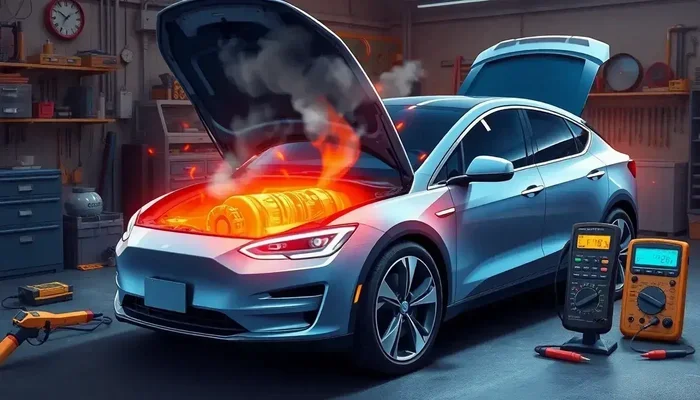
- You smell burning insulation or see smoke under the hood. This could indicate a short circuit or overheating component that needs immediate attention.
- The car dies while driving and will not restart. This is a safety concern that should be addressed urgently.
- Multiple electrical systems are malfunctioning along with the starting problem. This could point to a larger electrical issue like a failing alternator or main wiring harness problem.
- You have checked all the common causes and the problem persists. A professional mechanic has access to advanced diagnostic tools that can pinpoint hidden issues.
When you take your car to a shop, be prepared to describe the problem in detail. Tell them exactly when it happens, what you hear, and what you have already checked. The more information you provide, the faster they can diagnose the issue.
Prevention Tips to Avoid Starting Problems
The best way to deal with intermittent starting problems is to prevent them from happening in the first place. Regular maintenance goes a long way toward keeping your car reliable.
Here are some simple prevention tips that make a real difference:
- Have your battery tested at least once a year, especially if it is more than three years old. Most auto parts stores offer free battery testing.
- Clean your battery terminals regularly. A quick inspection every few months can catch corrosion before it becomes a problem.
- Replace your fuel filter on schedule. Check your owners manual for the recommended replacement interval and stick to it.
- Do not ignore warning signs. If your car is starting slower than usual or the dashboard lights seem dim, get it checked before it becomes a full no-start situation.
- Keep your gas tank at least a quarter full. Running low on fuel can cause the fuel pump to overheat and fail prematurely.
- Address electrical issues promptly. A flickering dome light or a slow power window today could be a sign of a bigger electrical problem tomorrow.
Taking these small steps can help you avoid the stress and expense of dealing with a car that starts sometimes and sometimes it just doesnt. Prevention is always cheaper and easier than repair.
Final Thoughts on Intermittent Starting Problems
Dealing with a car that starts sometimes and sometimes it doesnt is one of those problems that tests your patience. The unpredictability is what makes it so frustrating. But understanding the potential causes gives you power. You are no longer just hoping the problem goes away. You are equipped to investigate, diagnose, and take action.
Most intermittent starting issues come down to a handful of common causes. Battery and terminal problems are the most frequent. Starter motor wear is next. Ignition switch failures, fuel pump issues, and electrical gremlins round out the list. By working through these possibilities systematically, you can usually find the root cause without spending a fortune on diagnostics.
Remember to stay patient and methodical. Start with the simplest and most common causes and work your way toward the less obvious ones. Document what you find and what you have already checked. This information will be invaluable if you need to take your car to a professional.
Whether you fix the problem yourself or rely on a mechanic, the most important thing is to address it promptly. An intermittent starting problem rarely fixes itself. It almost always gets worse over time. The sooner you identify and resolve the issue, the sooner you can get back to driving with confidence and peace of mind.
Your car is a big investment and an essential part of daily life. Taking care of starting problems quickly keeps you safe, saves you money, and ensures your vehicle is ready to go whenever you need it.
Frequently Asked Questions
Why does my car start sometimes and not others?
Intermittent starting problems are usually caused by a weak battery, corroded terminals, a failing starter motor, or an ignition switch that is wearing out. These components work inconsistently, which is why the car starts on some days and not others. The most common culprit is a battery with a poor connection or a starter with worn internal brushes.
Can a bad ground strap cause my car not to start?
Yes, a bad ground strap can absolutely cause intermittent starting problems. The ground strap completes the electrical circuit between the engine and the battery. If it is loose or corroded, the current cannot flow properly, leading to unpredictable starting behavior. Checking and replacing a ground strap is a simple and inexpensive fix.
How do I know if my starter motor is failing?
Signs of a failing starter include a grinding noise when you turn the key, intermittent clicking without cranking, slow cranking that gets worse over time, and the car starting only after multiple attempts. Tapping on the starter with a tool may temporarily fix the issue, which is a strong indicator that the starter motor needs replacement.
Is it safe to drive a car that starts sometimes?
It can be safe for short trips if the car starts reliably most of the time. However, an intermittent starting problem can worsen and leave you stranded. It is best to diagnose and fix the issue as soon as possible. If the car fails to start unexpectedly, do not risk being stuck in an unsafe location.
How much does it cost to fix an intermittent starting problem?
The cost varies widely depending on the cause. Battery terminal cleaning or a new battery might cost 50 to 150 dollars. A starter motor replacement typically runs 300 to 500 dollars. Ignition switch repairs are usually 100 to 200 dollars. Fuel pump replacements can be 400 to 800 dollars depending on the vehicle. Getting a proper diagnosis first will help you avoid unnecessary expenses.
Can cold weather cause intermittent starting problems?
Yes, cold weather is a common trigger for intermittent starting issues. Low temperatures reduce battery capacity and increase the viscosity of engine oil, making it harder for the starter to turn the engine. If your car starts fine in warm weather but struggles in the cold, the battery or starter motor is likely the cause. Keeping your battery in good condition and using the right oil weight for your climate can help.
=== CONCLUSION ===
Dealing with a car that starts sometimes and sometimes it just doesnt is a challenge, but it is one you can overcome. The key is understanding the most common causes and working through them systematically. Start with the battery and connections, then move on to the starter, ignition switch, fuel system, and electrical components. Each of these areas has clear warning signs and diagnostic steps you can follow.
Intermittent starting problems are almost always fixable once you identify the root cause. Whether it is a simple cleaning of corroded terminals or a more involved starter or fuel pump replacement, taking action early saves you from bigger headaches down the road. Do not ignore the warning signs or assume the problem will resolve itself.
Use the tips and diagnostic steps in this guide to take control of the situation. Your car depends on you to keep it running well, and a reliable start is the foundation of that reliability. Stay proactive, stay informed, and keep your car on the road where it belongs.