How Fast Do You Have to Be Going to Dent a Car Bumper
You can dent a car bumper at surprisingly low speeds — sometimes as slow as 5 to 10 mph. The exact speed depends on bumper material, impact angle, and the object involved. Understanding what causes bumper dents helps you prevent damage and know when to seek bumper dent repair.
Have you ever backed out of a parking spot and heard that awful crunch? Or maybe you got hit in a parking lot and noticed a ugly dent on your bumper. Either way, one question probably ran through your mind right away. How fast do you have to be going to dent a bumper? The answer might surprise you.
Many drivers assume you need to be going really fast to cause bumper damage. But the truth is, you can dent a car bumper at very low speeds. Sometimes just a few miles per hour is enough. The speed needed depends on several factors. These include bumper material, impact angle, and what you hit.
In this guide, we will break down everything you need to know about bumper damage. We will cover what speeds cause dents, what makes some bumpers more vulnerable, and how to fix a dent. You will also learn tips to prevent bumper damage in the first place. Let us get into it.
Key Takeaways
- Low speeds can cause dents: Even parking lot bumps at 5 mph can dent a bumper.
- Material matters: Plastic bumpers dent more easily than metal ones.
- Impact angle affects damage: A direct hit causes more harm than a glancing blow.
- Repair options exist: Paintless dent repair and bumper filler are affordable solutions.
- Prevention works: Parking smart and driving slowly in tight spaces reduces risk.
- Insurance may cover it: Fender bender claims often cover bumper dent repair costs.
📑 Table of Contents
What Speed Can Dent a Car Bumper?
The short answer is that you can dent a bumper at speeds as low as 5 mph. But that is just the starting point. The real answer depends on many variables. Let us look at the numbers more closely.
Low-Speed Impacts and Bumper Damage
Most modern car bumpers are made of plastic or a plastic cover over a foam or aluminum core. These materials are designed to absorb impact at low speeds. That is why cars have bumpers in the first place. But here is the catch. Just because bumpers are meant to absorb low-speed hits does not mean they cannot dent.
At speeds between 5 and 15 mph, a bumper can easily dent if it hits a solid object. A concrete pole, a parked car, a curb, or a shopping cart can all cause damage at these speeds. The bumper may crack, crack, or simply pop out of shape.
Even a slow parking lot bump at 3 to 5 mph can leave a dent. This is especially true if the impact hits a weak spot on the bumper. The corners and edges are the most vulnerable areas. A direct hit on these spots can cause damage even at very low speeds.
Higher Speeds and Severe Damage
When speeds increase, the damage gets worse. At 20 to 30 mph, a bumper dent can turn into a cracked or broken bumper. The entire front or rear end may suffer structural damage. At speeds above 30 mph, bumper damage is almost guaranteed. And it is not just the bumper that gets hurt.
Higher speeds mean more force. More force means more damage to the car body, the frame, and internal parts. A fender bender at 25 mph can cause major bumper damage. The cost of repair goes up fast as speed increases.
What Factors Determine Bumper Damage?
Speed is not the only thing that matters. Several other factors play a big role in how much damage a bumper takes. Let us walk through them.
Bumper Material
Not all bumpers are the same. The material used makes a huge difference in how easily a bumper dents.
- Plastic bumpers: Most modern cars use plastic bumpers. They are light and designed to absorb impact. But they dent easily. Even a small hit can leave a visible mark.
- Metal bumpers: Older cars and some trucks have metal bumpers. These are harder to dent. But when they do dent, the damage is often more severe.
- Foam or aluminum core bumpers: These have a layer under the plastic cover. The core helps absorb shock. But the plastic cover can still dent on impact.
Impact Angle and Force
The angle at which something hits your bumper matters a lot. A direct, head-on hit at 5 mph can cause a big dent. A glancing blow at 15 mph might only leave a scratch. The force of impact spreads across the bumper surface. A focused hit on a small area causes more concentrated damage.
Think of it this way. Poking a finger through a pillow is easy. Pushing your whole hand through it is harder. The same principle applies to bumper dents. A small, focused impact creates more damage than a spread-out one.
Object Type and Hardness
What you hit also determines the damage. A concrete wall will dent a bumper at a much lower speed than a rubber traffic cone. The harder the object, the more damage it causes. Here is a quick look at common objects and the speeds at which they can cause dents.
| Object | Speed Needed to Dent Bumper | Damage Severity |
|---|---|---|
| Concrete wall | 5-10 mph | High |
| Parked car | 5-15 mph | Moderate to High |
| Curb or parking block | 3-10 mph | Moderate |
| Shopping cart | 5-15 mph | Low to Moderate |
| Rubber speed bump | 10-20 mph | Low |
| Guardrail | 5-10 mph | Very High |
| Soft object (trash can) | 10-20 mph | Low |
As you can see, hard objects like concrete and guardrails cause damage at very low speeds. Softer objects need more speed to leave a dent. But even a soft object can cause damage if the speed is high enough.
Vehicle Age and Condition
Older bumpers tend to be more brittle. Years of sun exposure, weather, and normal wear make plastic bumpers weaker over time. A bumper that has been on the road for 10 years or more is more likely to dent than a new one. The same goes for bumpers that have been repaired before. Previous damage weakens the structure and makes future dents more likely.
Common Situations That Cause Bumper Dents
Bumper dents happen more often than most people think. They can occur in everyday driving situations. Here are the most common causes of bumper dents.
Parking Lot Dings
Parking lots are the number one place for bumper dents. Tight spaces, distracted drivers, and shopping carts all contribute. You might come back to your car and find a fresh dent from another car door. Or you might dent your own bumper on a curb while parking. These low-speed incidents are the most common type of bumper damage.
Low-Speed Collisions
A fender bender is a common type of low-speed collision. Even at 10 to 15 mph, the impact can dent a bumper. Rear-end collisions are especially likely to cause front bumper damage. And side impacts can dent the bumper on the hit side. These accidents often happen at intersections, in traffic, and in residential areas.
Hitting Curbs and Parking Blocks
Curbs are a bumper’s worst enemy. Hitting a curb while parking or turning can dent the front or rear bumper easily. Parking blocks and speed bumps are also common culprits. These hits usually happen at low speeds but can cause serious dents, especially on the bumper edges.
Road Debris and Accidents
Debris on the road can also cause bumper damage. A fallen tree branch, a loose tire, or debris from a truck ahead can hit your bumper at higher speeds. These incidents are harder to avoid and can cause significant damage even at moderate speeds.
How to Tell If Your Bumper Is Damaged
Not all bumper damage is obvious. Some dents are small and hidden. Others are hard to miss. Here is how to check if your bumper has been damaged.
Visual Inspection
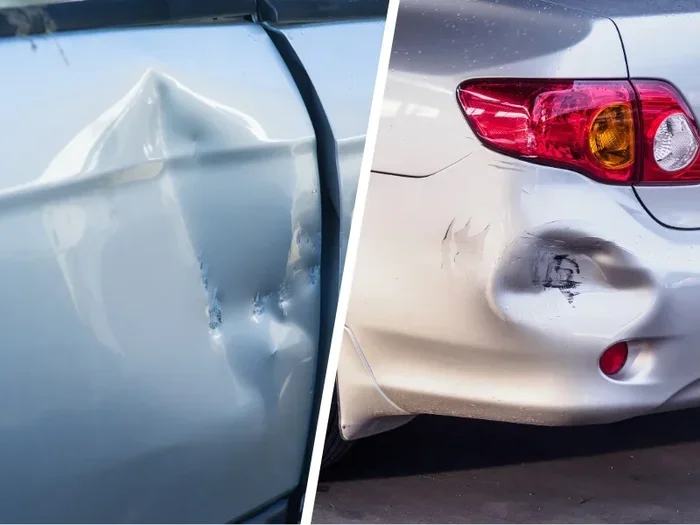
Walk around your car and look at the bumper closely. Check for any dents, cracks, scratches, or misalignment. A dented bumper might look pushed in or have a visible depression. Cracks might be small hairline marks or deep splits. Scratches can expose the underlying foam or core material.
Check for Structural Damage
Sometimes the damage goes deeper than the surface. If the bumper feels loose or moves when you push on it, the mounting points may be damaged. A misaligned bumper that sits crooked is also a sign of structural damage. In these cases, bumper replacement might be needed instead of a simple repair.
Watch for Hidden Damage
Not all damage is visible from the outside. A bumper dent can hide internal cracks or damage to the sensors and cameras mounted on modern bumpers. If your car has parking sensors, a backup camera, or a front radar, check if they still work after an impact. Hidden damage can lead to expensive repairs if not caught early.
Bumper Dent Repair Options
If you have a dented bumper, you have several repair options. The right choice depends on the severity of the dent and the bumper material.
Paintless Dent Repair
Paintless dent repair, or PDR, is a popular method for fixing small to medium dents. A technician uses special tools to push the dent out from behind the bumper. This method works well for dents that have not cracked the paint. It is fast, affordable, and preserves the original paint.
PDR is ideal for parking lot dings and minor fender bender damage. The cost is usually much lower than a full bumper repair or replacement. Most small dents can be fixed in one visit.
Bumper Filler and Resurfacing
For larger dents or dents with cracked paint, bumper filler might be needed. The technician applies a filler material to the damaged area, shapes it, and then repaints the bumper. This method works for most plastic bumper dents. It is more expensive than PDR but handles more severe damage.
Bumper Replacement
In cases of severe damage, bumper replacement might be the only option. If the bumper is cracked in multiple places, the mounting points are damaged, or the core material is crushed, repair is not enough. A new bumper is installed and painted to match the car.
Bumper replacement is the most expensive option. But it is sometimes necessary for safety and structural integrity. The cost can range from a few hundred to over a thousand dollars depending on the vehicle.
Cost of Bumper Dent Repair
The cost of bumper dent repair varies widely. Small dents fixed with PDR might cost $50 to $150. Larger dents requiring filler and paint can cost $150 to $400. Full bumper replacement can run $500 to $2,000 or more. The vehicle make and model also affects the price. Luxury cars and rare models cost more to repair.
Insurance often covers bumper dent repair, especially after a collision. Check with your insurance provider to see what is covered under your policy. Many fender bender claims are handled without raising your rates.
How to Prevent Bumper Dents
Prevention is always better than repair. Here are some practical tips to help you avoid bumper dents.
Park Smart
Choose parking spots away from high-traffic areas. Avoid parking next to shopping carts or tight spaces between large vehicles. A little extra time finding a good spot can save you from a costly dent.
Drive Slowly in Tight Spaces
Speed is the main cause of bumper dents. Drive slowly in parking lots, residential streets, and crowded areas. A few extra seconds of caution can prevent a lot of damage.
Use Bumper Guards and Covers
Bumper guards and protective covers add an extra layer of protection. They absorb impact and reduce the chance of dents. These accessories are especially useful for older cars or cars parked in busy areas.
Stay Alert
Distracted driving causes many low-speed collisions. Keep your eyes on the road and your surroundings. Being aware of your environment helps you avoid accidents that can dent your bumper.
Key Takeaways
- Low speeds can dent bumpers: Even 5 mph impacts can cause visible dents on a car bumper.
- Material plays a big role: Plastic bumpers dent more easily than metal ones.
- Hard objects cause more damage: Concrete and guardrails dent bumpers at very low speeds.
- Impact angle matters: Direct hits cause worse damage than glancing blows.
- Multiple repair options exist: Paintless dent repair, filler, and replacement are all viable solutions.
- Prevention is possible: Smart parking and careful driving reduce the risk of bumper dents.
- Insurance may help: Many collision-related bumper dents are covered by car insurance.
Conclusion
So how fast do you have to be going to dent a bumper? The answer is simpler than most people think. You can dent a car bumper at speeds as low as 5 mph. The exact speed depends on bumper material, impact angle, and what you hit. Hard objects like concrete and guardrails cause damage at very low speeds. Softer objects need more force.
Bumper dents are a common problem for all drivers. They happen in parking lots, on streets, and in low-speed collisions. The good news is that most bumper dents can be repaired. Paintless dent repair is fast and affordable for small dents. Larger dents may need filler or even a full bumper replacement.
The best way to deal with bumper dents is to prevent them. Park smart, drive slowly in tight spaces, and stay alert. If you do get a dent, get it checked out quickly. Ignoring a bumper dent can lead to worse damage over time. A small repair today can save you a lot of money and hassle tomorrow.
Whether it is a parking lot ding or a fender bender, knowing what causes bumper damage helps you take better care of your car. Drive safely, park carefully, and keep your bumpers in great shape.
Frequently Asked Questions
Can a bumper dent at 5 mph?
Yes, a bumper can dent at just 5 mph, especially if it hits a hard object like a concrete pole or another car. The speed needed depends on the bumper material and the object involved.
How much does it cost to repair a dented bumper?
Bumper dent repair costs vary. Small dents fixed with paintless dent repair cost $50 to $150. Larger dents requiring filler and paint can cost $150 to $400. Full bumper replacement ranges from $500 to $2,000 or more.
Is paintless dent repair effective for all bumper dents?
Paintless dent repair works best for small to medium dents that have not cracked the paint. Large dents, deep creases, or dents with damaged paint may need filler and resurfacing instead.
Will insurance cover bumper dent repair?
Many insurance policies cover bumper dent repair after a collision or fender bender. Check with your provider to confirm your coverage. Some claims are handled without affecting your insurance rates.
What is the most common cause of bumper dents?
Parking lot incidents are the most common cause. Other drivers hitting your car, hitting curbs while parking, and low-speed collisions all contribute to bumper dents. Shopping carts and road debris also cause damage.
Can you drive with a dented bumper?
You can usually drive with a small bumper dent. But if the dent is large, cracked, or affects the bumper’s structural integrity, it should be repaired promptly. A damaged bumper may not protect you properly in another collision.