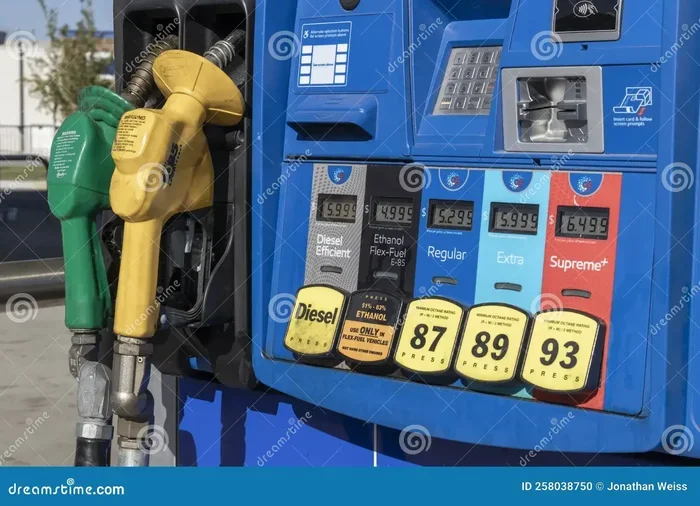
Can I Put 93 Octane Gas in My Car Without Any Damage
You can put 93 octane gas in your car if the manufacturer recommends it or allows it. Using premium fuel in an engine designed for regular gas usually offers no real benefit. However, putting 93 octane in a high-compression or turbocharged engine can prevent engine knock and boost performance. Always check your owner’s manual before choosing a fuel type.
You pull up to the gas station and stare at the pump. Regular. Mid-grade. Premium. The numbers on the pump tell a story, but do you really know what they mean? If you have ever wondered can I put 93 octane gas in my car, you are not alone. This is one of those questions that almost every driver has asked at least once.
The short answer is yes, you can put 93 octane gas in most cars. But the real question is whether you should. The answer depends on your vehicle, your engine, and what the manufacturer recommends. Using the wrong fuel type can lead to poor performance, wasted money, or even engine damage over time. Let’s break it all down so you can make the right choice at the pump every single time.
Key Takeaways
- Check your manual first: Your vehicle’s fuel requirements are listed in the owner’s manual or on the fuel door sticker.
- 93 octane gas is premium fuel: It resists engine knock better than regular or mid-grade gasoline.
- Using premium in a regular engine won’t hurt: But it won’t give you more power or better fuel economy either.
- High-performance engines need higher octane: Turbocharged and high-compression engines rely on 93 octane or higher.
- Engine knock is the real danger: Low octane in a high-compression engine can cause serious damage over time.
- Fuel cost matters: Premium gas costs more per gallon, so weigh the benefits before switching.
- When in doubt, follow the manufacturer’s recommendation: It’s the safest and most reliable guide.
📑 Table of Contents
- What Does 93 Octane Gas Actually Mean?
- Can I Put 93 Octane Gas in My Car? The Simple Answer
- When Should You Use 93 Octane Gas?
- What Does Your Car Manual Say?
- Does Premium Gas Give You Better Fuel Economy?
- Common Mistakes People Make with Premium Fuel
- Quick Tips for Choosing the Right Fuel
- Expert Insights on Premium Fuel Usage
- How Fuel Type Affects Long-Term Engine Health
- Conclusion
What Does 93 Octane Gas Actually Mean?
Before we dive into whether your car can handle 93 octane fuel, let’s talk about what octane rating even means. Octane rating measures how well a fuel resists engine knock, also called detonation. Engine knock happens when the air-fuel mixture in your combustion chamber ignites too early or unevenly. This can cause a knocking or pinging sound and, over time, serious engine damage.
Here is how the three main fuel types break down:
- Regular gasoline: 87 octane. This is the most common and least expensive fuel type.
- Mid-grade gasoline: 89 octane. A middle-ground option for some vehicles.
- Premium gasoline: 91 to 93 octane. The highest octane rating available at most pumps.
The higher the octane level, the more the fuel can handle compression before igniting. This is why high-performance engines with high compression ratios often require premium fuel. The fuel resists premature ignition, keeping the engine running smoothly and efficiently.
How Octane Rating Affects Your Engine
Your engine’s compression ratio plays a huge role in determining the right fuel type. The compression ratio is the ratio of the volume of the cylinder when the piston is at the bottom versus when it is at the top. A higher compression ratio means the air-fuel mixture gets squeezed more before ignition.
When the mixture gets squeezed too much with low octane fuel, it can ignite on its own before the spark plug fires. That is engine knock. Over time, repeated knocking can damage your fuel injector, pistons, and other engine components. Using the correct octane level prevents this problem and keeps your engine healthy.
Can I Put 93 Octane Gas in My Car? The Simple Answer
So, can you put 93 octane gas in your car? In most cases, yes. The vast majority of cars on the road today are designed to run on regular gasoline. Putting premium fuel in these vehicles will not cause any harm. Your engine will simply burn the fuel as it normally would.
However, the real question is whether doing so provides any benefit. For most everyday sedans, SUVs, and trucks designed for regular gas, the answer is no. You will not get more horsepower, better fuel economy, or a cleaner engine just by switching to premium.
That said, there are exceptions. If your car has a turbocharged engine, a high compression ratio, or is a high-performance vehicle, the manufacturer may recommend or require 93 octane fuel. In those cases, using regular gas can actually hurt your engine and void your warranty.
What Happens If You Put 93 Octane in a Regular Engine?
If your car is designed for regular gasoline and you switch to 93 octane, nothing bad will happen. The engine will run fine. You might notice a very slight improvement in smoothness, but most drivers will not feel any difference.
You will, however, pay more at the pump. Premium gas costs anywhere from 30 to 60 cents more per gallon than regular. Over time, that adds up. If your owner’s manual says regular is fine, there is no reason to spend extra on premium fuel.
When Should You Use 93 Octane Gas?
There are specific situations where 93 octane fuel is not just recommended, it is necessary. Understanding these scenarios can save you from costly repairs and keep your engine running at its best.
High-Performance and Luxury Vehicles
Luxury cars and high-performance vehicles often come with powerful engines that pack a lot of compression into a small space. Brands like BMW, Mercedes-Benz, Audi, and Porsche frequently recommend or require premium fuel. These engines are tuned to take advantage of the higher octane rating to deliver maximum power and efficiency.
If you own one of these vehicles, skipping premium gas can lead to reduced performance and potential engine problems over time. Always check the fuel requirements listed on the fuel door or in the owner’s manual.
Turbocharged and Supercharged Engines
Turbocharged engines force more air into the combustion chamber, which increases compression. This extra compression means the air-fuel mixture is more likely to ignite prematurely. That is why many turbocharged engines need premium fuel to prevent knock and maintain optimal performance.
Cars like the Ford EcoBoost, Chevrolet Turbo models, and many modern SUVs use turbocharging. If your vehicle has a turbo, check whether the manufacturer recommends 93 octane gas. Using the wrong fuel type can cause the engine control module to retard timing, reducing power and efficiency.
Sports Cars and Muscle Cars
Sports cars and muscle cars are built for performance. Vehicles like the Chevrolet Corvette, Ford Mustang GT, and Dodge Challenger often come with high compression ratios and powerful engines. These engines are designed to run on premium fuel.
Using regular gas in a sports car might not cause immediate damage, but it can lead to engine knock over time. The engine computer may adjust timing to compensate, which reduces performance and can lead to long-term wear. If you want your sports car to perform at its best, stick with the recommended fuel type.
What Does Your Car Manual Say?
The best source for fuel recommendations is always your vehicle’s owner’s manual. Every car comes with specific fuel recommendations from the manufacturer. These guidelines are based on extensive testing and engineering to ensure your engine runs safely and efficiently.
Look for the fuel section in your manual. You will typically find one of three recommendations:
- Recommended: Premium fuel is suggested for best performance, but regular gas is acceptable.
- Required: Premium fuel is mandatory. Using anything else may void your warranty and cause engine damage.
- Regular unleaded is acceptable: Your engine is designed to run on 87 octane fuel without any issues.
If your manual says premium is required, do not use regular gas. The potential cost savings are not worth the risk of engine damage. On the other hand, if the manual says premium is recommended but not required, you can safely use regular gas and save money at the pump.
Check the Fuel Door Sticker
Many cars also have a sticker on the inside of the fuel door that shows the recommended fuel type. This is a quick and easy way to check without digging through the manual. If the sticker says 91 or 93 octane, go with premium. If it says 87 octane, regular gas is perfectly fine.
Does Premium Gas Give You Better Fuel Economy?
This is one of the most common myths about premium fuel. Many drivers believe that 93 octane gas will improve their gas mileage and save them money in the long run. The truth is more nuanced.
For engines designed to run on regular gas, premium fuel will not improve fuel economy. The engine is tuned for a specific fuel type, and adding more octane does not change how efficiently it burns fuel. You will simply spend more money for the same results.
However, in engines that are designed for premium fuel, using the correct octane level does allow the engine to operate at peak efficiency. These engines have higher compression ratios and advanced timing systems that take full advantage of high-octane fuel. In these cases, using the recommended fuel type can help maintain optimal fuel economy and engine performance.
The Bottom Line on Fuel Economy
If your car does not require premium gas, do not expect a boost in miles per gallon from switching to 93 octane. The slight cost difference per gallon will outweigh any minor efficiency gains. Save your money and stick with the fuel type your vehicle was designed for.
Common Mistakes People Make with Premium Fuel
There are several mistakes drivers make when it comes to choosing fuel. Avoiding these errors can save you money and protect your engine.
Mistake 1: Assuming Premium Is Always Better
Just because premium fuel costs more does not mean it is better for your car. Premium gas is simply a higher octane level fuel. It is not a cleaner fuel or a superior fuel in all situations. For most daily drivers, regular gas works perfectly fine.
Mistake 2: Ignoring the Owner’s Manual
Many drivers guess what fuel their car needs instead of checking the manual. This can lead to using the wrong fuel type and potentially causing engine problems. Always refer to the owner’s manual or fuel door sticker for guidance.
Mistake 3: Switching Fuels Frequently
Switching back and forth between regular and premium gas is unnecessary for most vehicles. Your engine does not need to cycle through different fuel types. Pick the right one for your car and stick with it.
Mistake 4: Using Premium to Fix Engine Problems
Some drivers switch to premium gas when they hear knocking or notice performance issues. While premium fuel can sometimes reduce knock in engines that are designed for it, it will not fix underlying engine problems. If your car is knocking, have it checked by a mechanic instead of just switching fuel types.
Quick Tips for Choosing the Right Fuel
- Always read your owner’s manual before choosing a fuel type.
- Check the fuel door sticker for the recommended octane level.
- Do not use premium fuel in a regular engine expecting better performance.
- If your car requires premium, never use regular gas.
- Keep your fuel tank at least a quarter full to prevent fuel pump issues.
- Buy fuel from reputable stations to avoid contaminated gasoline.
- Use a fuel additive only if recommended by your vehicle manufacturer.
Expert Insights on Premium Fuel Usage
According to automotive experts, the vast majority of cars on the road do not require premium fuel. The American Automobile Association (AAA) has stated that using premium gas in a vehicle that does not require it provides no real benefit. The extra cost is simply wasted money.
However, experts also emphasize that vehicles requiring premium fuel should always use it. Modern engines with high compression ratios and advanced engine performance features are designed to operate with higher octane fuel. Skipping premium in these engines can lead to reduced power, poor fuel economy, and potential long-term damage.
Engineers at major car manufacturers design each vehicle with a specific fuel type in mind. The combustion chamber, fuel injector, and engine control systems are all calibrated to work with a particular octane level. Respecting these recommendations is the best way to ensure your engine lasts for years to come.
How Fuel Type Affects Long-Term Engine Health
Using the right fuel type is one of the simplest ways to protect your engine over the long term. Here is how different fuel choices impact your vehicle:
- Using the recommended fuel: Keeps your engine running smoothly, maintains warranty coverage, and ensures optimal performance.
- Using lower octane than recommended: Can cause engine knock, reduced power, and potential damage to pistons and valves over time.
- Using higher octane than required: Will not harm your engine but will cost more with no added benefit.
Over hundreds of thousands of miles, the fuel you choose makes a real difference. Sticking with the manufacturer’s recommendation is the smartest approach for any vehicle owner.
Conclusion
So, can I put 93 octane gas in my car? Yes, in most cases you can. But whether you should depends entirely on your vehicle and its fuel requirements. If your car is designed for regular gas, premium fuel will not hurt, but it will not help either. If your car requires or recommends premium fuel, using 93 octane gas is essential for engine health and performance.
The best thing you can do is read your owner’s manual and follow the manufacturer’s fuel recommendations. This simple step will save you money, protect your engine, and keep your car running smoothly for years to come. Next time you pull up to the pump, you will know exactly which fuel type is right for your ride.