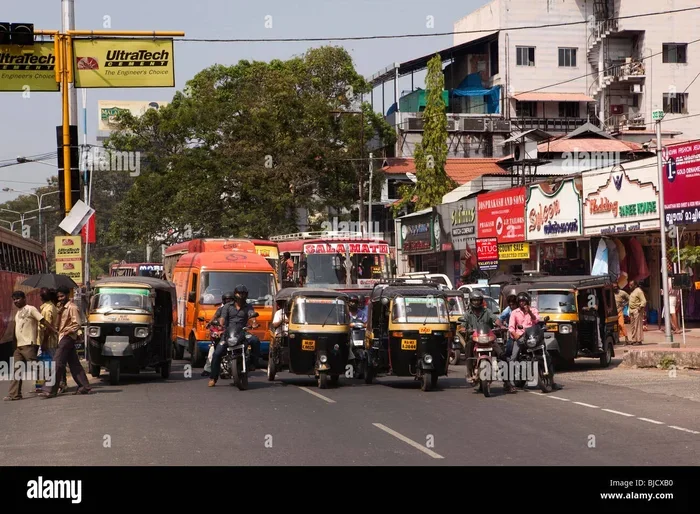
3 Lakh Cars in Kerala and What It Means for Roads Now
Kerala now has over 3 lakh cars on its roads, reshaping traffic patterns and infrastructure demands across the state. This surge in car ownership reflects economic growth but also brings serious challenges like congestion, road wear, and pollution. Understanding what 3 lakh cars in Kerala means helps residents, planners, and buyers prepare for the road ahead.
Kerala is a small state on India’s southwestern coast. It covers just about 38,000 square kilometers. Yet it holds a massive secret on its roads. The number of cars registered in Kerala has crossed the 3 lakh mark. This number tells a story of change, growth, and challenge. When we talk about 3 lakh cars in Kerala, we are not just counting vehicles. We are looking at how a state’s identity on the road is shifting fast.
For years, Kerala was known for its backwaters, lush greenery, and high literacy rates. But now, it is also known for something else. The state has one of the highest vehicle-to-population ratios in India. More families own cars than ever before. This trend is not random. It comes from rising incomes, better financing options, and a strong middle class. But with every new car on the road, the pressure on Kerala’s streets grows. The question is no longer whether there are too many cars. It is what Kerala will do about it.
Key Takeaways
- Kerala’s car count has crossed 3 lakh: Vehicle growth is accelerating faster than road expansion.
- Traffic congestion is worsening: Urban areas like Kochi and Thiruvananthapuram feel the impact most.
- Road infrastructure is under strain: Potholes, narrow lanes, and aging bridges need urgent upgrades.
- The government is responding: New policies focus on public transport, EV adoption, and highway expansion.
- Car buyers should think ahead: Consider fuel costs, maintenance, and alternative transport options.
- Road safety is a growing concern: More cars mean more accidents without better enforcement and awareness.
📑 Table of Contents
- What Does 3 Lakh Cars in Kerala Actually Mean?
- How Kerala Became a State with So Many Cars
- The Impact on Kerala’s Roads and Traffic
- Government and Infrastructure Responses
- What This Means for Car Owners and Buyers in Kerala
- Future Outlook: What Comes Next for Kerala’s Roads?
- Comparison: Kerala’s Vehicle Growth vs. Road Growth
- Common Mistakes People Make with Car Ownership in Kerala
- Conclusion
What Does 3 Lakh Cars in Kerala Actually Mean?
Let us break this down simply. Three lakh means 300,000 cars. That is a huge number for a state with a population of around 35 million. This means roughly one car for every 117 people. Compare this to states like Uttar Pradesh or Bihar, where car ownership is far lower. Kerala punches way above its weight in vehicle ownership. This number of 3 lakh cars in Kerala changes how we think about the state’s roads.
But numbers alone do not tell the full story. What matters is where these cars are. Most of them sit in urban centers. Cities like Kochi, Thiruvananthapuram, Kozhikode, and Thrissur carry the bulk of this vehicle load. These cities already struggle with narrow roads and high population density. Adding 300,000 cars into the mix creates a perfect storm. Traffic slows down. Commutes stretch longer. And frustration builds on every crowded street.
The Math Behind the Milestone
To understand the scale, let us look at a few quick numbers. Kerala’s vehicle population has grown by about 8-10 percent each year over the last decade. Car sales alone crossed 2 lakh units annually in recent years. Not all of these stay on Kerala roads. Some get exported. But a large share stays put. Over time, this adds up. The 3 lakh cars in Kerala figure is not a one-time spike. It is the result of steady, year-after-year growth.
Here is something else to think about. Kerala has a unique social structure. Nearly every family owns a television. Almost every household has a smartphone. Now, car ownership is joining that list. It is no longer a luxury for the few. It is becoming normal for the many. This shift in mindset is just as important as the numbers themselves.
How Kerala Became a State with So Many Cars
The rise of 3 lakh cars in Kerala did not happen overnight. It is the result of several factors working together over decades. Understanding these causes helps us see where things are headed.
Rising Incomes and a Strong Economy
Kerala has one of the highest per capita incomes in India. Remittances from Gulf countries have long fueled the state’s economy. Families save well and spend wisely. When incomes rise, the first big purchase many families make is a car. This pattern has repeated across generations. Today, even middle-class families in smaller towns can afford a new or used car. Financing options from banks and NBFCs have made this easier. Low-interest loans and flexible EMI plans remove the upfront cost barrier.
Limited Public Transport in Rural Areas
Kerala’s public transport system works well in cities. Buses run frequently in Kochi and Thiruvananthapuram. But in rural areas, the picture is different. Many villages lack reliable bus services. Trains connect major towns but skip smaller ones. In these areas, a car is not just a convenience. It is a necessity. Families buy vehicles because they have no other practical choice. This drives up the total count of 3 lakh cars in Kerala even in districts where road space is limited.
The Culture of Car Ownership
Kerala has a strong car culture. Owning a car is seen as a status symbol. It also represents independence and mobility. Families often buy their second car before their first one ages out. Women drivers are increasingly common, adding to household car counts. Festivals, weddings, and family gatherings all push car purchases higher. This cultural factor is hard to measure but very real in its impact.
Easy Access to Financing and Loans
Banks and non-banking financial companies have made car loans widely available. Even buyers with modest incomes can qualify. Down payment requirements have come down. Processing times are fast. Some lenders offer special schemes for Kerala residents. All of this makes it easier to turn the dream of car ownership into reality. As a result, more cars hit the road every month.
The Impact on Kerala’s Roads and Traffic
More cars mean more traffic. This seems obvious, but the real-world effects are complex. The 3 lakh cars in Kerala figure has changed daily life for thousands of commuters.
Urban Congestion Is Getting Worse
Kochi is the most affected city. Its roads were built decades ago. They were never designed for today’s traffic volumes. The same is true of Thiruvananthapuram and Kozhikode. During peak hours, these cities grind to a halt. What used to take 20 minutes now takes 45 or more. Delivery trucks, auto-rickshaws, bikes, and pedestrians all compete for the same limited space. Cars add to the squeeze.
Traffic jams are no longer just a morning problem. Evening rush hours last longer. Weekend traffic in tourist areas like Munnar and Varkala has spiked. Even small towns are seeing more congestion than before. The 3 lakh cars in Kerala are spread across the state. Their impact is felt everywhere.
Road Wear and Maintenance Costs
More vehicles mean more damage to roads. Cars are heavier than bikes or auto-rickshaws. They cause more wear on asphalt surfaces. Rural roads, which are often unpaved or poorly maintained, suffer the most. Potholes become bigger and more dangerous. Repair costs rise for the government. Taxpayers end up footing the bill. This creates a cycle. Bad roads lead to more accidents. More accidents lead to more demand for road repairs.
Air Pollution and Environmental Concerns
Kerala was once known for its clean air. That is changing. More cars mean more exhaust fumes. Diesel and petrol vehicles emit harmful pollutants. Carbon monoxide, nitrogen oxides, and particulate matter are rising in city air. In cities like Kochi, air quality index readings have worsened in recent years. This affects health, especially for children and the elderly. The environmental cost of 3 lakh cars in Kerala is real and growing.
Road Safety Concerns
More cars on the road also mean more risk. Kerala already has a high rate of road accidents. Narrow highways, aggressive driving, and poor road conditions contribute to this. The addition of hundreds of thousands of cars makes the situation more dangerous. Speeding, drunk driving, and distracted driving remain major issues. Road safety campaigns have had some success. But the numbers continue to climb. This is one of the most serious consequences of having 3 lakh cars in Kerala.
Government and Infrastructure Responses
The Kerala government is aware of the growing vehicle count. Several steps have been taken to manage the impact of 3 lakh cars in Kerala on the state’s roads.
Road Expansion and Highway Projects
The state has invested in widening key highways. National Highway 66, which runs along the coast, has seen expansion work. The NH 544 corridor connecting Kochi and Salem is being upgraded. These projects aim to ease congestion on the most trafficked routes. However, progress is slow. Land acquisition issues, environmental clearances, and funding delays hold up many projects. The gap between road growth and car growth remains wide.
Promoting Public Transport
Kerala has tried to strengthen its public transport system. Kerala State Road Transport Corporation (KSRTC) operates buses across the state. AC buses on major routes have been introduced. Metro rail projects are planned for Kochi and Thiruvananthapuram. These efforts aim to pull some car owners off the road. But public transport still lacks the reach and convenience that a personal car offers. Convincing people to switch is a long-term challenge.
Electric Vehicle Push
The state government has also focused on electric vehicles (EVs). Kerala has announced subsidies for EV buyers. Charging stations are being set up in cities. The goal is to reduce pollution and fuel dependency. If EV adoption grows, it could ease some environmental pressure from 3 lakh cars in Kerala. But EV prices remain high for most families. Infrastructure for charging is still limited outside major cities.
Traffic Management Technology
Smart traffic signals have been installed in Kochi and Thiruvananthapuram. CCTV cameras monitor key intersections. Digital traffic police systems help manage flow. These tools are helpful but not enough on their own. They work best when combined with better road planning and public awareness.
What This Means for Car Owners and Buyers in Kerala
If you own a car or plan to buy one in Kerala, the current situation matters to you. The reality of 3 lakh cars in Kerala affects your daily commute, your costs, and your choices.
Fuel Costs and Maintenance
Fuel prices in Kerala are among the highest in India. Kerala levies a separate fuel tax. Petrol and diesel costs more here than in many neighboring states. With more cars on the road, fuel demand rises further. Maintenance costs also add up. More cars mean more demand for mechanics, parts, and service centers. Choosing a reliable car with low maintenance needs is a smart move.
Insurance and Road Tax
Car insurance premiums have risen across India. Kerala is no exception. More claims due to accidents push insurance costs higher. Road tax rates vary by vehicle type and engine capacity. Buyers should factor these costs into their budget. A car is not just a purchase price. It is an ongoing financial commitment.
Considering Alternatives
Not everyone needs a car. For many trips, a bike or an auto-rickshaw works fine. Car-sharing services are growing in cities. Ride-hailing apps like Uber and Ola operate widely in Kerala. These alternatives can save money and reduce traffic. Before buying a second car, ask yourself if you really need it. Sometimes, sharing a ride or using public transport makes more sense.
Choosing the Right Car for Kerala Roads
If you do decide to buy, pick wisely. Small cars handle Kerala’s narrow streets better. Fuel-efficient models save money in the long run. SUVs and larger vehicles are popular but take up more road space. Consider your daily route. If you drive mostly in the city, a compact car is often the best choice. For highway driving, a slightly larger vehicle may be more comfortable.
Future Outlook: What Comes Next for Kerala’s Roads?
The number of 3 lakh cars in Kerala is likely to keep growing. India’s car market is expanding. Kerala’s economy continues to improve. More families will be able to afford vehicles. The question is whether the state’s infrastructure can keep up.
Will Road Expansion Be Enough?
Building more roads helps, but it is not a permanent fix. New roads attract more cars. This is called induced demand. The cycle continues unless public transport becomes a real alternative. Kerala needs a long-term vision. That vision should include better buses, metro rail, cycling lanes, and pedestrian-friendly streets.
The Role of Technology
Technology can play a big role. Smart traffic systems can reduce congestion. Real-time navigation apps help drivers avoid busy routes. EV adoption can cut pollution. Autonomous vehicles may one day change how we think about car ownership. But all of this takes time and investment.
Community Awareness and Responsibility
Ultimately, the roads belong to everyone. Every driver, rider, and pedestrian has a role to play. Following traffic rules reduces accidents. Carpooling reduces congestion. Choosing public transport on busy days helps everyone. When people take responsibility, the impact of 3 lakh cars in Kerala becomes more manageable.
Comparison: Kerala’s Vehicle Growth vs. Road Growth
| Factor | Kerala | National Average |
|---|---|---|
| Car Population (approx.) | 3 lakh+ | Varies widely |
| Annual Vehicle Growth Rate | 8-10% | 6-8% |
| Road Expansion Rate | 2-3% | 2-4% |
| Urban Congestion Level | High | Moderate to High |
| Public Transport Coverage | Good in cities, weak in rural areas | Varies by state |
| EV Adoption Rate | Low but growing | Low but growing |
The table above shows a clear gap. Vehicle growth outpaces road growth. This gap is where most of Kerala’s traffic problems come from. Without closing this gap, the situation will continue to worsen.
Common Mistakes People Make with Car Ownership in Kerala
- Buying a bigger car than needed: Large SUVs are hard to park and drive on narrow Kerala roads.
- Ignoring maintenance: Skipping regular servicing leads to costly repairs later.
- Overlooking fuel costs: Kerala’s fuel prices are high. Factor this into your monthly budget.
- Not considering public transport: Many trips do not require a car. Try alternatives first.
- Skipping insurance upgrades: Basic coverage may not be enough. Review your policy annually.
Conclusion
The number 3 lakh cars in Kerala is more than just a statistic. It represents a state in transition. Kerala is growing economically. Its people are gaining access to better lifestyles. Car ownership is a part of that progress. But progress must be balanced with planning. The roads need attention. The infrastructure needs investment. And every driver needs to take responsibility.
The challenges are real. Congestion, pollution, road wear, and safety risks all come with more cars. But solutions exist. Stronger public transport, smarter traffic management, EV adoption, and community awareness can make a difference. Kerala has always been a state that values education and progress. Now it needs to apply that same energy to its roads.
If you are part of the 3 lakh cars in Kerala story, whether as a driver, a buyer, or a concerned citizen, your choices matter. Choose wisely. Drive safely. Support better infrastructure. Together, Kerala can keep its roads moving and its people connected.
Frequently Asked Questions
Why does Kerala have so many cars compared to its size?
Kerala has high per capita income, strong remittance flows, and a culture that values personal mobility. These factors drive car ownership even in a small geographic area. The result is a high vehicle density that exceeds many larger Indian states.
How has the arrival of 3 lakh cars in Kerala affected daily commutes?
Daily commutes in cities like Kochi and Thiruvananthapuram have become significantly longer. Traffic jams are now common during both morning and evening peak hours. What used to be a short drive now often takes twice as long.
Is the Kerala government doing anything to reduce traffic congestion?
Yes, the government is working on road expansion, metro rail projects, EV incentives, and smart traffic systems. However, these efforts are still in progress and have not yet matched the pace of vehicle growth.
Are electric vehicles a good option for Kerala car buyers?
Electric vehicles can help reduce pollution and fuel costs. Kerala offers subsidies for EV buyers. However, charging infrastructure is still limited, and EV prices remain higher than conventional cars for most buyers.
What is the biggest road safety concern with so many cars on Kerala roads?
The main concern is the rising number of accidents. Narrow roads, aggressive driving, and poor enforcement contribute to this problem. More cars without better safety measures increase the risk for everyone on the road.
Should I buy a second car in Kerala right now?
It depends on your needs. If you commute daily in a congested city, a second car may add to your costs without much benefit. Consider carpooling, ride-sharing, or public transport before making a decision.