What Can Cause the VSC Light to Come On in Your Car
Your car’s VSC light can be a scary sight, but it’s often a sign of a simple fix. This light means your Vehicle Stability Control system has detected a problem that could affect handling. Common triggers include a faulty wheel speed sensor, low brake fluid, or a loose gas cap. In this guide, we’ll walk you through the most common reasons your VSC warning light is on and how to address them. By the end, you’ll know exactly what to check and when to call a pro.
Your car’s VSC light can be a scary sight, but it’s often a sign of a simple fix. This light means your Vehicle Stability Control system has detected a problem that could affect handling. Common triggers include a faulty wheel speed sensor, low brake fluid, or a loose gas cap. In this guide, we’ll walk you through the most common reasons your VSC warning light is on and how to address them. By the end, you’ll know exactly what to check and when to call a pro.
That little yellow or orange warning light on your dashboard can mean many things. It might be a loose gas cap, or it could signal a deeper issue with your car’s safety systems. Either way, ignoring it is not a good idea. Your Vehicle Stability Control system helps you keep control during slippery conditions or sudden swerves. When it goes offline, your safety net disappears. So let’s find out what could be causing that VSC light to come on.
Key Takeaways
- The VSC light is a warning that your vehicle’s stability control system has detected an issue.
- Common causes include faulty wheel speed sensors, low brake fluid, and a loose gas cap.
- You can often diagnose the problem with an OBD-II scanner and a visual inspection.
- Driving with the VSC light on is generally safe for short distances, but get it checked soon.
- Resetting the light without fixing the root cause will only bring it back.
- Regular maintenance, like checking brake fluid and keeping sensors clean, helps prevent future warnings.
📑 Table of Contents
What Does the VSC Light Mean?
The VSC light stands for Vehicle Stability Control. This system uses sensors to monitor your car’s direction and speed. If it senses the car is sliding or losing traction, it automatically applies brakes to individual wheels. This helps you stay on course. The VSC system works closely with your ABS (Anti-lock Braking System) and traction control. When the VSC light turns on, it means one of these systems has detected a fault.
How Vehicle Stability Control Works
Your car has sensors at each wheel, a steering angle sensor, and a yaw rate sensor. The yaw rate sensor measures how fast your car is rotating. The steering angle sensor reads how much you’ve turned the wheel. The computer compares your intended path with the actual path. If they don’t match, the system steps in. It can reduce engine power or apply brakes to specific wheels. This keeps you from spinning out. A faulty sensor can throw off this balance and trigger the VSC light.
Difference Between VSC and Traction Control
People often confuse VSC with traction control. Traction control stops your wheels from spinning when you accelerate. VSC is broader. It helps you steer correctly during a loss of control. Both systems share sensors and components. A problem in one can often affect the other. You might see both the VSC light and the traction control light on at the same time. That usually points to a shared sensor or module issue.
Quick Tip: If both the VSC and check engine lights are on, don’t panic. Pull over safely and check your gas cap first. A loose cap is the cheapest and easiest fix.
Why Does the VSC Light Come On?
There are many reasons the VSC light might illuminate. Most are related to sensors or fluid levels. Some are as simple as a loose gas cap. Others require professional diagnosis. Here are the top causes you should know about.
Faulty Wheel Speed Sensor
The wheel speed sensor is one of the most common culprits. Each wheel has a sensor that tells the computer how fast it’s spinning. If a sensor fails or gets dirty, the system can’t monitor wheel speed accurately. This will trigger the VSC light. You might also notice the ABS light coming on. A damaged sensor or a broken wire can cause this. Road grime and debris can also clog the sensor tip. A simple cleaning or replacement often fixes the problem.
Low Brake Fluid Level
Your car’s brake fluid is essential for the stability control system. The VSC system uses the brakes to correct skids. If your brake fluid is low, the system will shut down and warn you. Check your brake fluid reservoir under the hood. It’s usually a clear container with MIN and MAX lines. If the level is low, top it up with the correct DOT fluid. But don’t just ignore it. Low brake fluid could mean worn brake pads or a leak. Get it inspected.
Malfunctioning ABS Module
The ABS module controls the anti-lock braking system. It also shares data with the VSC system. If the ABS module has an internal fault, it can disable both ABS and VSC. This is a more serious issue. You might hear a grinding noise when braking. The ABS light will likely be on too. Repairing or replacing an ABS module can be costly. A mechanic can run a diagnostic scan to confirm if the module is the problem.
Steering Angle Sensor Issues
The steering angle sensor tells the computer how much you’ve turned the steering wheel. It’s usually located in the steering column. If this sensor is misaligned or faulty, the VSC system can’t know your intended direction. This will cause the VSC light to come on. You might also notice a heavy or stiff steering feel. A steering angle sensor calibration is often needed after a wheel alignment or battery replacement. A mechanic can reset it with a scan tool.
Loose or Faulty Gas Cap
Yes, something as simple as a loose gas cap can trigger the VSC light. The gas cap seals the fuel system. If it’s loose or cracked, it lets fuel vapors escape. This creates a leak in the evaporative emissions system. The car’s computer sees this as a fault and may disable certain systems, including VSC. Always twist your gas cap until it clicks. If the light stays on after tightening, the cap might need replacing. It’s a cheap part and an easy fix.
Wiring and Connector Problems
Your car’s sensors rely on wiring and connectors. Over time, these can corrode, fray, or become loose. A damaged wire to the wheel speed sensor or yaw rate sensor can break the communication line. This will cause the VSC light to come on. Water and dirt can also get into connectors and cause short circuits. A visual inspection under the car can often reveal damaged wires. A mechanic can use a multimeter to test for continuity.
Yaw Rate Sensor Failure
The yaw rate sensor measures how fast your car is rotating around its vertical axis. It’s a key part of the stability control system. If this sensor fails, the VSC system can’t detect a skid. It will turn itself off and light up the warning. The yaw rate sensor is usually located near the center of the car, under the floor. Replacement can be expensive because it requires removing interior trim. A diagnostic scan will show a specific code for the yaw rate sensor.
Brake Light Switch Malfunction
The brake light switch tells the car’s computer when you press the brake pedal. It also sends a signal to the VSC and ABS systems. If this switch fails, the systems may not activate correctly. This can cause the VSC light to come on. You might also notice your brake lights not working properly. Replacing a brake light switch is usually a quick and inexpensive repair.
Throttle Position Sensor Problems
The throttle position sensor monitors how far the throttle valve is open. It helps the engine control unit adjust the fuel and air mixture. If this sensor sends incorrect data, it can affect the stability control system’s intervention. The VSC light may turn on as a result. A dirty or worn throttle position sensor can often be cleaned or replaced without major expense.
| Common Cause | Severity | Typical Repair Cost |
|---|---|---|
| Loose or faulty gas cap | Low | $0 – $20 |
| Faulty wheel speed sensor | Medium | $100 – $300 |
| Low brake fluid | Medium | $20 – $100 (fluid + labor) |
| Steering angle sensor calibration | Medium | $50 – $150 |
| Brake light switch failure | Medium | $30 – $100 |
| Throttle position sensor issue | Medium | $100 – $250 |
| ABS module malfunction | High | $500 – $1,200 |
| Yaw rate sensor failure | High | $300 – $800 |
| Wiring or connector damage | Varies | $50 – $400 |
Common Mistake: Many drivers try to reset the VSC light by disconnecting the battery. This might turn the light off temporarily, but it won’t fix the underlying problem. The light will return once the fault is detected again. Always diagnose the root cause first.
Expert Insight: “I see the VSC light come on often after a car battery dies or is replaced,” says a certified mechanic. “The steering angle sensor loses its center point. A quick recalibration with a scan tool usually solves it. Don’t ignore it, because stability control is a critical safety feature.”
How to Diagnose the VSC Warning Light
Diagnosing the VSC light is easier than you think. You don’t need to be a mechanic. A few simple steps can help you narrow down the cause.
Using an OBD-II Scanner
An OBD-II scanner is the best tool for diagnosing the VSC light. You can buy one for under $50 or borrow it from an auto parts store. Plug it into the diagnostic port under your dashboard. Turn the ignition to the “on” position (don’t start the engine). The scanner will read the diagnostic trouble codes stored in your car’s computer. These codes tell you exactly which sensor or system is failing. Common codes related to VSC include C0034 (wheel speed sensor), C0040 (yaw rate sensor), and C0050 (steering angle sensor). Write down the codes and search for their meaning.
Checking for Related Warning Lights
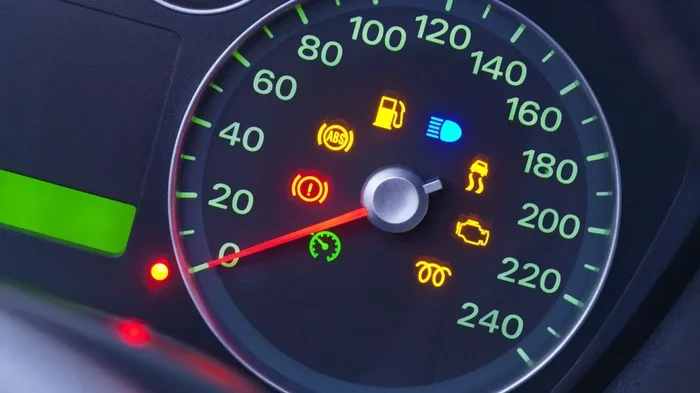
Look at your dashboard for other warning lights. Is the check engine light on? Is the ABS light on? The combination of lights gives you clues. If the VSC light and ABS light are both on, the issue is likely in the ABS system or a shared sensor. If only the VSC light is on, it could be a minor issue like a loose gas cap or a steering angle sensor calibration. Note all the lights and share them with your mechanic.
Visual Inspection
Before you grab a scanner, do a quick visual check. Open the hood and look at the brake fluid reservoir. Is the level low? Check the gas cap and make sure it’s tight and not cracked. Look under the car for any visible wiring damage or fluid leaks. Sometimes the fix is right in front of you. A loose battery terminal can also cause sensor errors. Make sure your battery connections are clean and tight.
Quick Tip: Keep a small notebook in your glove box. Write down when the VSC light came on and what you were doing at the time. This info can help your mechanic diagnose the issue faster.
Can You Drive with the VSC Light On?
This is a common question, and the answer is “it depends.” The VSC system is a safety feature, but your car can still be driven without it. However, you lose the stability and traction control assistance. On dry roads, you probably won’t notice a difference. But on wet, icy, or gravel roads, the risk of skidding increases. You’ll need to drive more carefully and give yourself extra stopping distance.
Safety Risks
Driving without stability control means the car won’t automatically correct a slide. If you take a turn too fast or hit a patch of ice, you could lose control. The VSC system works with the brakes and engine to keep you on track. Without it, you’re relying solely on your driving skills. This is especially dangerous for inexperienced drivers or in bad weather. If the VSC light is on and you notice other issues like vibration or pulling, stop driving and get a tow.
When It’s Safe to Keep Driving
If the VSC light comes on and nothing else seems wrong, you can likely drive a short distance to a repair shop. Check your other gauges. Is the temperature normal? Are the brakes working fine? If everything else is okay, you’re probably safe to drive carefully. Just avoid rough roads and bad weather. Have someone else drive if possible. The goal is to get the car diagnosed and repaired as soon as possible.
Common Mistake: Many people ignore the VSC light because the car still drives fine. They don’t realize that the system is offline and they’re missing a critical safety net. Don’t be that person. Get it checked.
How to Fix the VSC Light
Fixing the VSC light means finding and repairing the root cause. Simply resetting the light won’t solve the problem. It will just come back. Here’s how to approach the fix.
Resetting the Light
Once you’ve repaired the issue, you can reset the VSC light. You can do this with an OBD-II scanner by clearing the trouble codes. Or you can disconnect the car battery for 15 minutes. This resets the computer. But remember, if the problem isn’t fixed, the light will return. Always confirm the repair before resetting. A successful reset means the light stays off after you drive for a few miles.
Repairing the Root Cause
The repair depends entirely on what triggered the light. A loose gas cap just needs tightening. A faulty wheel speed sensor needs replacement. A low brake fluid level needs topping up and leak inspection. A malfunctioning ABS module requires professional repair or replacement. Steering angle sensor calibration is done with a scan tool. Always use quality parts and have a certified technician perform the work. After the repair, test drive the car to make sure the VSC light stays off.
Cost Estimates
The cost to fix the VSC light varies widely. A gas cap replacement costs under $20. A wheel speed sensor might be $100 to $300. An ABS module can run $500 to $1,200. Labor rates vary by location. Always get a written estimate before authorizing repairs. Ask your mechanic to explain the diagnostic codes and the recommended fix. A good mechanic will walk you through the process.
Quick Tip: Ask your mechanic to show you the old parts. This confirms the repair was done and helps you understand what was wrong.
Preventing the VSC Light from Coming Back
Once you’ve fixed the VSC light, you want to keep it off. Regular maintenance is the best prevention. Here are some tips to keep your stability control system healthy.
Regular Maintenance
Follow your car’s maintenance schedule. Check brake fluid levels regularly. Inspect tires for proper inflation and even wear. Worn tires can confuse the wheel speed sensors. Keep your battery terminals clean and tight. A weak battery can cause sensor errors and trigger warning lights. Have your car’s sensors inspected during routine service. A quick check can catch small issues before they become big problems.
Driving Habits
Your driving style affects the VSC system. Avoid harsh braking and sudden acceleration. These actions can strain sensors and modules. Drive smoothly and anticipate road conditions. If you’re off-roading or driving through deep water, the sensors can get temporarily confused. Once you’re back on dry pavement, the light should turn off. If it doesn’t, have it checked. Also, avoid modifying your car’s suspension or braking system without professional guidance. Aftermarket parts can interfere with the VSC system’s calculations.
Expert Insight: “The best way to prevent VSC light issues is to keep your sensors clean and your electrical connections tight,” says a master technician. “A simple spray of electrical contact cleaner on sensor connectors once a year can make a big difference.”
Key Takeaways
- The VSC light warns of a problem in your vehicle’s stability control system.
- Common causes include faulty wheel speed sensors, low brake fluid, and loose gas caps.
- An OBD-II scanner is your best tool for diagnosing the issue.
- Drive carefully if the light is on, but get it checked promptly.
- Resetting the light without fixing the cause will only bring it back.
- Regular maintenance keeps the VSC system working reliably.
Conclusion
The VSC light is your car’s way of telling you something needs attention. It can be triggered by simple things like a loose gas cap or more complex issues like a faulty ABS module. Now you know the common causes and how to approach them. Don’t ignore that warning light. Your safety depends on the stability control system working properly. Use an OBD-II scanner to get the codes, check the simple things first, and seek professional help when needed. A little attention now can save you from a bigger problem later. Keep your car maintained, drive safely, and that VSC light should stay off where it belongs.
Frequently Asked Questions
Is it safe to drive with the VSC light on?
It is generally safe for a short distance if your car feels normal and no other warning lights are on. However, you lose stability control assistance, which is crucial in slippery conditions. Drive carefully and avoid bad weather until you can get the car diagnosed.
How much does it cost to fix the VSC light?
The cost depends entirely on the cause. A loose gas cap fix costs almost nothing. A wheel speed sensor replacement might be $100 to $300. More complex repairs like an ABS module can run $500 to $1,200. Always get a detailed estimate before authorizing repairs.
Can a dead battery cause the VSC light to come on?
Yes, a dead or weak battery can cause the VSC light to illuminate. When battery voltage drops, sensors can send incorrect signals. After replacing the battery, the steering angle sensor may need recalibration. A scan tool can reset the system and clear the light.
Will the VSC light reset itself?
Sometimes the light will turn off if the issue was temporary, like a momentary sensor glitch. But if the problem persists, the light will stay on or come back. You should never ignore a persistent VSC light. Have it scanned to find the root cause.
What is the difference between the VSC light and the check engine light?
The check engine light monitors emissions and engine performance. The VSC light specifically relates to the stability control system. They can both come on together if a shared sensor is faulty. An OBD-II scanner can read codes for both systems and help pinpoint the issue.
How do I know if my VSC system is working?
You can’t easily test the VSC system from the driver’s seat. If the light is off, the system is active and ready. Some cars have a button to manually turn it off, but the light should stay off during normal driving. If you feel the car sliding and no intervention happens, the system may be disabled.