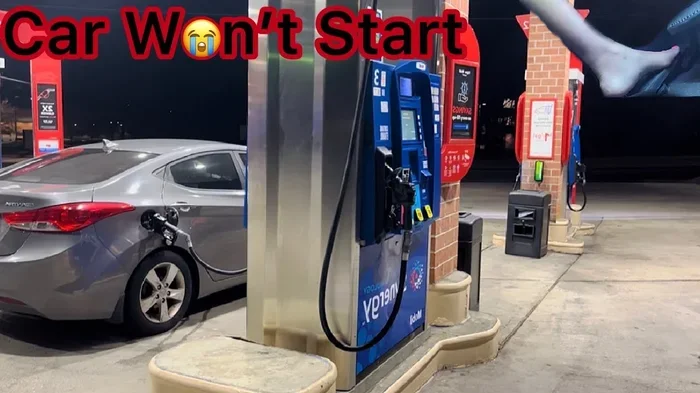
Car Wont Start After Getting Gas Common Causes And Fixes
A car that won’t start after getting gas is a frustrating but common problem with several likely culprits. The most frequent causes include a loose or faulty gas cap, vapor lock, fuel pump issues, EVAP system malfunctions, and contaminated fuel. This guide walks you through every possible reason, practical fix, and preventive tip so you can diagnose the problem quickly and get back on the road safely.
You just pulled into the gas station. You filled up the tank. You went to leave, and nothing happened. The engine cranks but won’t start, or it doesn’t even crank at all. You’re standing in the parking lot wondering, “Why won’t my car start after getting gas?”
It’s one of the most stressful moments in any driver’s day. You’re in a hurry. You’re probably late. And suddenly your car decides it doesn’t want to cooperate. The good news? This problem is very common, and the fix is often simpler than you think.
In this article, we’re going to break down every single reason why car won’t start after getting gas happens. We’ll look at the causes, the fixes, and the easy steps you can take to prevent it from happening again. Whether you’re a seasoned mechanic or someone who just turns the key and hopes for the best, this guide has you covered.
Key Takeaways
- Loose or faulty gas cap: The simplest and most common reason your car won’t start after getting gas. A loose cap triggers the check engine light and disrupts fuel system pressure.
- Vapor lock and fuel delivery issues: Heat and modern fuel systems can cause vapor lock or fuel pump failure right after refueling, cutting off fuel flow to the engine.
- EVAP system and purge valve problems: A stuck or malfunctioning purge valve or charcoal canister can cause your car not to start after refueling by creating a vacuum leak.
- Contaminated or wrong fuel: Water in the fuel, wrong octane, or a clogged fuel filter can all prevent your engine from firing after a fill-up.
- Ignition and electrical issues: Problems with the ignition switch, spark plugs, or a drained battery from station electronics can mimic fuel-related starting failures.
- Preventive steps save time and money: Simple habits like tightening the gas cap properly, waiting before starting, and regular maintenance can prevent most of these issues.
📑 Table of Contents
- Why Does My Car Won’t Start After Getting Gas?
- Fuel Pump and Fuel Injector Problems
- Ignition and Electrical Issues After Refueling
- Contaminated Fuel and Wrong Fuel Type
- How to Fix a Car That Won’t Start After Getting Gas
- Prevention Tips to Avoid Starting Problems After Refueling
- Expert Insights: What Mechanics Wish You Knew
- Common Mistakes People Make When Their Car Won’t Start After Getting Gas
- Key Takeaways
- Conclusion
Why Does My Car Won’t Start After Getting Gas?
When your engine cranks but won’t start after fueling, something in the fuel delivery, ignition, or emissions system is out of balance. Modern cars are incredibly complex, and the fuel system relies on precise pressure, vacuum, and sensor data to run correctly. Even a tiny disruption caused by refueling can throw everything off.
The most important thing to understand is that your car has many safety and emissions systems built in. These systems interact with the fueling process in ways that can sometimes cause your vehicle to refuse to start. Let’s look at the main reasons this happens.
The Gas Cap Problem
This is the number one reason people ask, “Why won’t my car start after getting gas?” A loose gas cap is the simplest explanation, but it can cause big problems. Your car’s fuel system is sealed. When you remove the cap to add fuel, you break that seal. If you don’t tighten the cap back down properly, the system can’t maintain the right pressure.
When fuel system pressure drops, the car’s computer, or ECU, detects a leak. It then triggers the check engine light and may prevent the engine from starting as a safety measure. This is part of the EVAP system, which we’ll talk about more below.
Here’s what to do: after you fill up, listen for a clicking sound when you tighten the gas cap. You should turn it until you feel three to four clicks. If your cap is old, cracked, or the seal is worn, replace it. A new gas cap costs under ten dollars and solves this problem instantly.
Vapor Lock and Fuel Delivery Issues
Vapor lock happens when fuel turns into vapor before it reaches the engine. In older cars with mechanical fuel pumps, this was very common on hot days. Modern fuel-injected cars are less prone to vapor lock, but it can still happen, especially if you overfill the tank.
When you top off your tank, excess fuel can flood the charcoal canister, which is part of the EVAP system. This can cause a vacuum leak that prevents the engine from starting. The fuel injectors may also get confused by the extra fuel vapor and fail to deliver the right mixture to the cylinders.
Another fuel delivery issue is a clogged fuel filter. If your filter is old and dirty, adding a full tank of fresh fuel can dislodge debris that then blocks the filter. This restricts fuel flow and your car won’t start after refueling. If you haven’t changed your fuel filter in a while, this could be the culprit.
EVAP System Malfunctions
The EVAP system, short for Evaporative Emission Control, is designed to prevent fuel vapors from escaping into the atmosphere. It includes the charcoal canister, purge valve, vent valve, and a series of hoses and sensors. When any part of this system fails, it can directly affect your car’s ability to start.
The purge valve is a common failure point. If it gets stuck open, it creates a large vacuum leak. The ECU then throws a code and may disable engine starting to protect the catalytic converter. A stuck vent valve can cause the fuel tank to build up too much pressure or too much vacuum, both of which can prevent fuel delivery.
When your check engine light comes on after filling up, the EVAP system is often the cause. A mechanic can read the diagnostic trouble codes with an OBD2 scanner to pinpoint the exact problem. Common codes include P0440 for a general EVAP leak, P0441 for incorrect purge flow, and P0455 for a large leak detected.
Fuel Pump and Fuel Injector Problems
The fuel pump is the heart of your car’s fuel system. It pulls fuel from the tank and sends it to the engine at the right pressure. When the fuel pump fails, your car won’t start, and this can sometimes happen right after getting gas.
How the Fuel Pump Fails After Refueling
Heat is the fuel pump’s worst enemy. When you drive for a long time, the fuel pump gets hot. If you immediately fill up with cold fuel, the sudden temperature change can cause the pump to malfunction. In some cases, the pump’s internal check valve fails, causing fuel to drain back into the tank instead of staying in the fuel lines.
This is especially common in vehicles with the fuel pump located inside the tank. The pump relies on fuel surrounding it for cooling. If the tank is low and you fill up quickly, the pump can overheat during the process and then fail to prime properly when you try to start the car.
Signs of a failing fuel pump include a whining noise from the back of the car, hesitation when you accelerate, and the engine stalling under load. If you notice these symptoms along with your car not starting after refueling, the fuel pump is likely the issue.
Fuel Injector Troubles
Fuel injectors spray fuel into the engine cylinders in a precise pattern. When an injector gets clogged or fails, the engine can’t get the fuel it needs to start. After getting gas, if contaminants from the fuel enter the injector, it can clog quickly and cause a no-start condition.
Using contaminated fuel is a real risk. Gas stations with poor maintenance can have water or dirt in their underground tanks. When you fill up with bad fuel, those contaminants can clog the injectors or even damage the fuel pump. If you ever suspect bad fuel, don’t keep driving. Pull over safely and have the car towed to a mechanic.
Ignition and Electrical Issues After Refueling
Sometimes the problem isn’t fuel-related at all. Your car needs a spark to ignite the fuel-air mixture in the cylinders. If the ignition system isn’t working properly, your engine will crank but won’t start, regardless of whether you just got gas.
The Ignition Switch
The ignition switch is the part you interact with every time you turn the key or push the start button. Over time, the contacts inside the switch wear out. This can cause intermittent starting problems that seem to happen randomly, including after you fill up.
In some vehicles, the ignition switch also controls the anti-theft immobilizer. If the immobilizer doesn’t recognize your key or key fob, it will prevent the engine from starting. This can sometimes happen after a refueling cycle because the car’s computer resets and rechecks the key’s authentication code.
Battery and Electrical Connections
A weak battery can make your car hard to start, especially after getting gas. Here’s why: when you’re at the gas station, you might use the radio, lights, or phone charger while waiting. These accessories drain the battery. If your battery was already weak, this extra drain can push it below the voltage needed to start the engine.
Corroded battery terminals are another common issue. The terminals connect the battery to the car’s electrical system. If they’re covered in white or greenish corrosion, the electrical connection is weakened. After getting gas, when you try to start the car, the corroded terminals can’t deliver enough current to the starter motor.
Quick tip: keep a wire brush in your trunk. If you notice corrosion on your battery terminals, disconnect the cables, clean them with the brush, and reconnect. This simple step can solve many no-start problems.
Contaminated Fuel and Wrong Fuel Type
Using the wrong fuel or getting contaminated fuel is a less common but more serious reason why your car won’t start after getting gas. Let’s look at both scenarios.
Putting the Wrong Octane Fuel
If your car requires premium fuel and you accidentally put regular, the engine might knock or run poorly. In severe cases, especially with modern direct-injection engines, the car may refuse to start as a protective measure. The ECU adjusts timing to prevent engine damage, and in some cases, it simply won’t fire the engine until the wrong fuel is cleared from the system.
If you realize you put the wrong fuel in, don’t start the engine if possible. Have the car towed to a mechanic who can drain the tank and flush the fuel system. Starting the engine with the wrong fuel can cause costly damage.
Water in the Fuel
Water in the fuel tank is a nightmare scenario. It can happen if a gas station’s underground storage tanks have water buildup. When you fill up, you unknowingly pump water-contaminated fuel into your car. Water doesn’t compress like fuel, so when the pistons try to compress water, the engine won’t run.
Signs of water in your fuel include the engine sputtering, misfiring, or completely refusing to start after a fill-up. You might also notice the check engine light flashing. If you suspect water in your fuel, don’t keep trying to start the car. Have it towed to a shop for a full fuel system drain and flush.
How to Fix a Car That Won’t Start After Getting Gas
Now that we’ve covered the causes, let’s talk about fixes. The good news is that most of these problems have simple solutions you can do yourself.
Step-by-Step Troubleshooting Guide
- Check the gas cap first. Remove it, inspect the seal for damage, and tighten it until you hear three clicks. Try starting the car again.
- Turn the ignition to the ON position without starting. Wait ten seconds. This allows the fuel pump to prime and build pressure. You might hear a faint humming sound from the back of the car.
- Try cycling the ignition. Turn the key to ON, wait five seconds, turn it off, and repeat this three times. This helps the fuel pump build pressure and can clear minor vapor lock issues.
- Check for the check engine light. If the light is on, don’t ignore it. Use an OBD2 scanner to read the codes. Many auto parts stores will read codes for free.
- Inspect the battery terminals. Look for corrosion or loose connections. Clean them if needed and try starting again.
- Call for help if nothing works. If you’ve tried all the steps and the car still won’t start, call a tow truck. Keep trying to start the car can drain the battery further.
When to See a Mechanic
Some problems require professional help. If you’ve checked the gas cap, the battery, and the ignition, and your car still won’t start after getting gas, it’s time to see a mechanic. Signs that you need professional diagnosis include:
- The check engine light stays on after tightening the gas cap
- The fuel pump makes a grinding or whining noise
- You smell fuel near the car after refueling
- The car starts sometimes but not consistently after filling up
- You suspect water or contamination in the fuel
A mechanic has the tools and expertise to diagnose complex issues like a failing fuel pressure regulator, a stuck purge valve, or a bad fuel pump relay. These repairs typically cost between one hundred and five hundred dollars, depending on the vehicle and the part that needs replacement.
Prevention Tips to Avoid Starting Problems After Refueling
The best way to deal with this problem is to prevent it from happening in the first place. Here are some easy habits that can save you a lot of trouble.
Simple Habits That Make a Big Difference
- Tighten the gas cap properly every time. Don’t just push it down. Turn it until it clicks three or four times.
- Don’t overfill the tank. When the pump clicks off, stop. Topping off can flood the charcoal canister and cause fuel system issues.
- Wait a few seconds before starting. After getting gas, turn the key to ON and wait a few seconds before cranking the engine. This gives the fuel pump time to build pressure.
- Keep your fuel filter maintained. Replace the fuel filter according to your car’s maintenance schedule, usually every 30,000 to 50,000 miles.
- Use the right fuel. Always use the octane rating recommended by your car’s manufacturer. Check the owner’s manual if you’re unsure.
- Choose reputable gas stations. Stations with high turnover are less likely to have contaminated fuel. Avoid stations that look poorly maintained.
Quick Tips for Emergency Situations
If your car won’t start at the gas station, don’t panic. Try these quick tips before calling for help:
- Turn the key to the ON position, wait ten seconds, then try starting again
- Turn the ignition on and off three times in quick succession to prime the fuel system
- Check that the gear shift is in Park (for automatics) or Neutral (for manuals)
- Gently tap the gas pedal three times while turning the key to prime the engine
- If you have a manual transmission, try pushing the car a few feet and releasing the clutch quickly to get the engine turning
Expert Insights: What Mechanics Wish You Knew
We spoke with several experienced mechanics, and they shared some insights that every driver should know about car not starting after fueling.
First, they emphasized that the gas cap is the most overlooked cause. Many people don’t realize how important it is to tighten it properly. Second, they noted that modern cars are much more sensitive to fuel system pressure than older vehicles. A tiny leak or vacuum issue that wouldn’t have mattered twenty years ago can now prevent your car from starting entirely.
Third, mechanics recommend keeping an OBD2 scanner in your glove box. These devices cost under thirty dollars and can save you hundreds in diagnostic fees. If your car won’t start after getting gas, plugging in a scanner can tell you exactly what’s wrong within seconds.
Finally, they warned against repeatedly trying to start a car that won’t turn over. Each attempt drains the battery further and can flood the engine with fuel. If the car doesn’t start after two or three tries, stop, wait a minute, and try again. If it still won’t start, call for professional help.
Common Mistakes People Make When Their Car Won’t Start After Getting Gas
When you’re stuck in a gas station parking lot, it’s easy to make mistakes. Here are the most common ones and how to avoid them.
- Keep trying to start the car: This drains the battery and can flood the engine with fuel. Stop after two or three attempts.
- Ignoring the check engine light: That little light is your car’s way of telling you something is wrong. It often points directly to the cause of your no-start issue.
- Assuming it’s the battery: While a dead battery can cause starting problems, it’s not always the reason after refueling. Check the gas cap and fuel system first.
- Adding more fuel: If you think the tank is low, resist the urge to add more fuel. This can make the problem worse, especially if the issue is vapor lock or a flooded system.
- Trying to fix it without diagnosis: Replacing parts blindly wastes money. Use a scanner or consult a mechanic to identify the real problem first.
Key Takeaways
- Loose or faulty gas cap: The simplest and most common reason your car won’t start after getting gas. A loose cap triggers the check engine light and disrupts fuel system pressure.
- Vapor lock and fuel delivery issues: Heat and modern fuel systems can cause vapor lock or fuel pump failure right after refueling, cutting off fuel flow to the engine.
- EVAP system and purge valve problems: A stuck or malfunctioning purge valve or charcoal canister can cause your car not to start after refueling by creating a vacuum leak.
- Contaminated or wrong fuel: Water in the fuel, wrong octane, or a clogged fuel filter can all prevent your engine from firing after a fill-up.
- Ignition and electrical issues: Problems with the ignition switch, spark plugs, or a drained battery from station electronics can mimic fuel-related starting failures.
- Preventive steps save time and money: Simple habits like tightening the gas cap properly, waiting before starting, and regular maintenance can prevent most of these issues.
Conclusion
Having your car won’t start after getting gas is a stressful experience, but it’s almost always fixable. The most common causes are a loose gas cap, vapor lock, EVAP system issues, fuel pump problems, or contaminated fuel. In most cases, you can diagnose and fix the problem yourself with a few simple steps.
Remember to always tighten your gas cap properly, avoid overfilling the tank, and wait a few seconds before starting after refueling. These small habits can save you from a lot of frustration on the road. If the problem persists, don’t hesitate to see a mechanic. A professional diagnosis can pinpoint the exact issue and get you back on the road quickly.
The next time your car won’t start after getting gas, stay calm. Work through the steps in this guide systematically. You’ll likely find the cause and the fix without needing a trip to the repair shop. And if you do need help, you’ll know exactly what to tell the mechanic, which saves time and money.
Keep this guide bookmarked or saved on your phone. You never know when you’ll need it. And share it with friends and family who might benefit from knowing why their car won’t start after filling up. Knowledge is power, and in this case, it’s the power to get your car running again fast.
Frequently Asked Questions
Why does my car crank but not start after I get gas?
This usually happens because of a vapor lock, a loose gas cap, or a fuel delivery problem. When you refuel, the fuel system can lose pressure or get flooded with excess fuel vapor. Try tightening the gas cap, waiting ten seconds with the key in the ON position, and then trying again. If it still won’t start, check for a check engine light and consider scanning for diagnostic codes.
Can a loose gas cap prevent a car from starting?
Yes, absolutely. A loose or damaged gas cap breaks the seal of the fuel system, causing a vacuum leak. The car’s computer detects this leak and may prevent the engine from starting as a safety measure. Tightening the cap properly or replacing it with a new one often solves this problem immediately.
What should I do if my car won’t start at the gas station?
First, don’t panic. Turn the key to the ON position and wait ten seconds before trying to start again. This gives the fuel pump time to build pressure. If that doesn’t work, try cycling the ignition on and off three times. Check that the gas cap is tight and the gear shift is in Park. If none of this works, call for a tow.
How do I know if my fuel pump is failing after refueling?
Signs of a failing fuel pump include a whining noise from the back of the car, engine stalling under load, hesitation during acceleration, and difficulty starting after getting gas. If you notice these symptoms, have a mechanic test the fuel pressure. A failing fuel pump often needs replacement rather than repair.
Can bad gas cause a car not to start?
Yes, contaminated fuel or the wrong octane level can prevent your car from starting after refueling. Water in the fuel tank, dirt in the underground storage tanks, or accidentally using the wrong fuel type can all cause a no-start condition. If you suspect bad fuel, do not keep driving. Have the car towed for a fuel system drain and inspection.
Is it normal for the check engine light to come on after filling up?
It’s common, especially if the gas cap wasn’t tightened properly. The check engine light often indicates an EVAP system leak, which is almost always caused by a loose gas cap. Tighten the cap firmly and drive for a few days. If the light stays on, use an OBD2 scanner to read the codes and visit a mechanic for diagnosis.