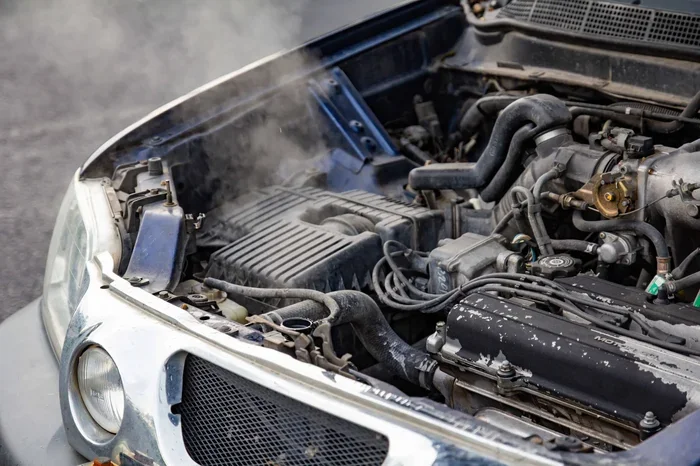
Can Low Antifreeze Cause Overheating and Serious Damage
Yes, low antifreeze can absolutely cause your engine to overheat. When your coolant level drops too low, the cooling system cannot properly transfer heat away from the engine block. This leads to rising temperatures, potential warping of engine parts, and in severe cases, a blown head gasket or cracked engine block. Understanding how antifreeze works and recognizing the early signs of low coolant can save you from costly repairs.
Have you ever been driving and noticed your temperature gauge climbing into the red zone? It is a scary moment for any driver. One of the most common reasons this happens is low antifreeze. Many car owners ignore their coolant levels until something goes wrong. But here is the truth: low antifreeze can cause overheating and lead to some very serious engine problems.
Your car’s cooling system is designed to keep the engine at a safe running temperature. Antifreeze, also known as coolant, plays a big role in this process. It absorbs heat from the engine and carries it away through the radiator. When the fluid level drops, the system cannot do its job. Heat builds up fast, and damage can happen in just a few minutes of driving.
In this article, we will explain exactly how low antifreeze causes overheating. We will cover the warning signs you should never ignore, the types of damage that can happen, and how to fix and prevent the problem. Whether you are a new car owner or have been driving for years, this guide will help you protect your engine and your wallet.
Key Takeaways
- Low antifreeze directly causes engine overheating by reducing the cooling system’s ability to manage heat.
- Warning signs include a rising temperature gauge, steam from the hood, and sweet-smelling leaks.
- Driving with low coolant can lead to serious damage like warped heads, blown gaskets, and cracked blocks.
- Checking your coolant level is easy and should be done monthly as part of basic car maintenance.
- Common causes of low antifreeze include leaks, evaporation, and old fluid that needs replacing.
- Prevention is simple with regular coolant flushes, leak inspections, and using the right antifreeze type.
📑 Table of Contents
What Is Antifreeze and Why Does It Matter?
Antifreeze is a liquid that flows through your engine’s cooling system. It is usually a mix of ethylene glycol or propylene glycol and water. The main job of radiator fluid is to pull heat away from the engine block and transfer it to the air through the radiator. Without enough of this fluid, your engine has no way to cool down properly.
How Antifreeze Works in Your Engine
The cooling system works like a loop. Coolant flows from the engine block into the radiator. Air passes over the radiator fins and cools the fluid down. The cooled fluid then goes back into the engine to absorb more heat. This cycle keeps repeating while your car runs. The thermostat controls when the coolant flows based on engine temperature. If the fluid level is too low, the loop breaks and heat stays trapped in the engine.
The Difference Between Antifreeze and Coolant
People often use the words antifreeze and coolant to mean the same thing. But there is a small difference. Antifreeze is the concentrated liquid you buy at the store. Coolant is the mixture you put in your car, which is usually a 50/50 mix of antifreeze and water. The antifreeze concentration matters a lot. Too much water and the fluid can freeze in winter. Too little and it may not cool the engine well enough in summer.
Can Low Antifreeze Cause Overheating?
The short answer is yes. Low antifreeze causes overheating in a very direct way. When there is not enough fluid in the system, there is not enough liquid to absorb and carry away heat. The engine temperature rises quickly, especially during hot weather, heavy traffic, or towing.
How Low Coolant Levels Lead to Engine Heat
Think of antifreeze as your engine’s sweat. Just like your body sweats to cool down, your engine uses coolant to manage heat. When the level drops, there is less “sweat” to go around. Hot spots develop in the engine. The engine temperature gauge starts to climb. If you do not notice it in time, the temperature can spike past safe limits very fast.
Even a small drop in coolant level can cause problems. You do not need to be completely empty for overheating to start. A level that is just slightly below the minimum line can be enough to cause issues, especially under heavy load or on a hot day.
The Science Behind Cooling System Failure
Your cooling system relies on a few key parts working together. The water pump pushes coolant through the engine. The radiator releases that heat into the air. The radiator cap keeps the system pressurized, which raises the boiling point of the fluid. When the fluid level is low, air pockets form in the system. Air does not transfer heat the way liquid does. This creates hot spots and reduces the overall efficiency of cooling. The result is engine overheating that can happen faster than you expect.
The boiling point of a properly filled coolant system is around 225 to 230 degrees Fahrenheit when pressurized. But with low fluid, that pressure drops. The boiling point falls too. This means the remaining coolant can boil and turn into steam, which is even less effective at cooling. This is why you sometimes see steam coming from under the hood when your car overheats.
Warning Signs Your Antifreeze Level Is Too Low
Knowing the signs of low coolant can help you act fast. The earlier you catch the problem, the less damage you will face. Here are the most common warning signs that your antifreeze level is too low.
Dashboard Warning Lights and Temperature Gauges
The first sign most drivers notice is the temperature gauge on the dashboard. If the needle moves into the red zone or near the “H” mark, your engine is running too hot. Some cars also have a coolant warning light that looks like a thermometer or a wavy line. If this light comes on, pull over safely and check your coolant level right away.
Physical Symptoms to Watch For
There are several physical signs that your engine is overheating due to low antifreeze:
- Steam or smoke coming from under the hood. This means the coolant is boiling and turning to steam.
- A sweet smell inside or outside the car. Coolant has a distinct sweet odor that is easy to recognize.
- Puddles under your car. Green, orange, or pink fluid on the ground is a sign of a coolant leak.
- Weak heater. If the heater blows cold air, the coolant level may be too low to flow through the heater core.
- Hissing or gurgling sounds from the engine bay. This can mean air pockets are forming in the system.
If you notice any of these signs, stop driving and let the engine cool down. Opening the radiator cap while the engine is hot can cause burns from pressurized steam. Always wait at least 15 to 20 minutes before checking anything.
Serious Damage Caused by Low Antifreeze
Driving with low antifreeze is risky. The damage can range from minor to catastrophic. Here is what can go wrong when you ignore low coolant levels.
Engine Block Cracks and Warped Heads
Engine blocks are made of metal, and metal expands when it gets hot. When the engine temperature rises above normal because of low antifreeze, the metal can warp or crack. A cracked engine block means the engine needs major repair or a full replacement. The overheating repair cost for a cracked block can easily reach several thousand dollars. This is why catching low coolant early is so important.
Head Gasket Failure
The head gasket sits between the engine block and the cylinder head. It keeps coolant, oil, and combustion gases in their proper places. When the engine overheats from low antifreeze, the head gasket can fail. A blown head gasket allows coolant to leak into the cylinders or oil passages. This causes white smoke from the exhaust, oil contamination, and loss of engine power. Fixing a head gasket is one of the most expensive overheating repairs a car owner can face.
Damaged Radiator and Water Pump
Low coolant does not just hurt the engine. It can also damage other parts of the cooling system. The water pump relies on coolant to lubricate its internal bearings. Running dry or low can cause the pump to seize. The radiator can also suffer if overheating causes pressure buildup beyond what the radiator cap can handle.
Common Reasons Antifreeze Levels Drop
If you find your coolant level is low, it is important to figure out why. Simply topping it off without finding the cause will only lead to the same problem again. Here are the most common reasons antifreeze levels drop over time.
Leaks in the Cooling System
The most common cause of low coolant is a leak. Leaks can happen in many places:
- Radiator hoses can crack or loosen over time.
- The radiator itself can develop pinhole leaks or rust-through holes.
- The water pump seal can wear out and weep coolant.
- The heater core inside the dashboard can leak, often causing wet carpets on the passenger side.
- Head gasket leaks can allow coolant into the combustion chamber.
If you see a puddle of colored fluid under your car or notice a sweet smell inside the cabin, get the cooling system inspected right away.
Evaporation and Old Fluid
Over time, coolant can evaporate slowly through the coolant reservoir cap or small seep paths in the system. Old antifreeze also loses its effectiveness. The antifreeze concentration drops, and the fluid becomes less efficient at transferring heat. This is why most car makers recommend a coolant flush every 30,000 to 50,000 miles, or as specified in your owner’s manual.
How to Check and Fix Low Antifreeze
Checking your coolant level is one of the easiest things you can do as a car owner. It takes just a few minutes and can save you from a world of trouble.
Step-by-Step Coolant Check
Follow these steps to check your antifreeze level safely:
- Wait for the engine to cool down. Never open the radiator cap on a hot engine. Wait at least 15 to 20 minutes after turning off the car.
- Locate the coolant reservoir. This is usually a plastic tank near the radiator with MIN and MAX marks on the side.
- Check the level. The coolant should be between the MIN and MAX lines. If it is below MIN, you need to add more.
- Open the reservoir cap slowly. Twist it counterclockwise to release any pressure first, then remove it fully.
- Add the right mixture. Use a 50/50 mix of antifreeze and distilled water, or pre-mixed coolant as the label directs.
- Replace the cap and start the engine. Let the car run for a few minutes, then recheck the level once the engine is warm.
When to See a Mechanic
If you find yourself needing to add coolant frequently, there is likely a leak. Do not just keep topping it off. Take your car to a trusted mechanic and ask them to pressure-test the cooling system. They can find hidden leaks in hoses, the radiator, the water pump, or the head gasket. The overheating repair cost for a small leak is much lower than the cost of fixing a blown head gasket or cracked engine block.
Preventing Low Antifreeze Problems
Prevention is always better than repair. A few simple habits can keep your cooling system in great shape and prevent engine overheating from low antifreeze.
- Check your coolant level monthly. Make it part of your regular car care routine.
- Get a coolant flush on schedule. Fresh fluid protects better and lasts longer.
- Use the right type of antifreeze. Check your owner’s manual for the recommended coolant type for your vehicle.
- Watch for leaks. Inspect under your car for puddles and check the hoses for cracks or wet spots.
- Replace the radiator cap if it is old or weak. A bad cap can cause pressure loss and fluid evaporation.
- Pay attention to the temperature gauge. If it starts climbing, pull over and investigate.
Taking these small steps can add years to your engine’s life. It also keeps you safe on the road and saves you from unexpected breakdowns and expensive repair bills.
Final Thoughts
The answer to the question can low antifreeze cause overheating is a clear and definite yes. Low antifreeze removes the protective layer of cooling that your engine depends on every time you drive. The result can be overheating, serious engine damage, and repair bills that run into the thousands. But the good news is that this problem is easy to prevent. A simple monthly check of your coolant level, timely coolant flushes, and quick attention to warning signs can keep your engine running smoothly and safely.
Do not wait until you see steam coming from under the hood. Take a few minutes today to check your antifreeze level. Your engine will thank you, and your wallet will too. Stay proactive, stay informed, and keep your car cooling system in top shape.
Frequently Asked Questions
What happens if I drive with low antifreeze?
Driving with low antifreeze puts your engine at risk of overheating. Without enough coolant, heat builds up quickly and can warp engine parts, blow the head gasket, or crack the engine block. Even a short drive on a hot day can cause serious damage if the coolant level is too low.
How do I know if my antifreeze is low?
The most common signs are a rising temperature gauge on the dashboard, steam or smoke from the hood, a sweet smell near the engine, puddles of colored fluid under the car, and the heater blowing cold air. Check the coolant reservoir to see if the level is below the MIN line.
Can low antifreeze cause the engine to shut off?
Yes, many modern cars have an engine protection system that will shut the engine off if the temperature gets too high. This is a safety feature designed to prevent catastrophic damage. If your car shuts off suddenly, check the coolant level and temperature gauge immediately.
How often should I check my antifreeze level?
You should check your antifreeze level at least once a month. It is also a good idea to check it before long road trips or during hot summer months when the cooling system works harder. A quick check takes only a few minutes and can prevent big problems.
Is it safe to add antifreeze to a hot engine?
No, it is not safe to open the radiator or coolant reservoir on a hot engine. The system is pressurized, and opening it while hot can cause hot coolant to spray out and cause serious burns. Always wait at least 15 to 20 minutes for the engine to cool down first.
What is the cost of repairing damage from low antifreeze?
The cost varies widely depending on the damage. A simple coolant top-off costs very little. But if low antifreeze has caused a head gasket failure, the repair can cost anywhere from $1,000 to $2,000 or more. A cracked engine block can cost several thousand dollars. Regular maintenance is much cheaper than major repairs.
=== CONCLUSION ===
Low antifreeze can cause overheating and lead to serious, expensive engine damage if left unchecked. The cooling system depends on the right fluid level to keep your engine at a safe temperature. By checking your coolant regularly, watching for warning signs, and addressing leaks quickly, you can protect your car from overheating and avoid costly repairs. Take a few minutes today to check your antifreeze level. It is one of the simplest and most important things you can do for your car’s long-term health.