Why Is My Electric Forklift Not Moving Anymore Now
When your electric forklift stops moving, it can halt your entire operation. The most common reasons include a dead or weak battery, a faulty motor controller, or hydraulic system failures. This guide walks you through every likely cause, gives you step-by-step fixes, and shares expert tips to get your lift truck running again safely.
There is nothing more frustrating than turning the key on your electric forklift and hearing silence. You press the pedal. You flip the switch. Nothing happens. Your forklift is not moving, and your warehouse is standing still. Whether you manage a busy distribution center or a small loading dock, a stationary lift truck brings everything to a halt.
This article is your complete guide to figuring out why your electric forklift is not moving anymore. We will cover every common cause, from simple battery problems to complex controller failures. You will learn how to diagnose the issue yourself, when to call a professional, and how to prevent it from happening again. Let us get your lift truck back on the floor.
Key Takeaways
- Dead or weak battery: The number one reason electric forklifts won’t move. Regular charging and maintenance prevent most battery issues.
- Faulty motor controller: This component controls power delivery. If it fails, your forklift will not respond even with a full charge.
- Drive motor problems: Worn brushes, burned windings, or loose connections can stop the wheels from turning.
- Hydraulic system failure: Low fluid, a broken pump, or clogged filters can prevent lifting and movement.
- Safety interlocks and switches: A tripped emergency stop or faulty sensor can lock out the entire system.
- Regular maintenance saves money: Following a proper service schedule catches small problems before they become big, expensive repairs.
📑 Table of Contents
- Common Reasons Your Electric Forklift Will Not Move
- Battery Issues: The Leading Culprit
- Motor Controller Failures
- Drive Motor Problems
- Hydraulic System Failures
- Safety Interlocks and Electrical Connections
- Preventing Future Movement Problems
- When to Call a Professional
- Cost Considerations for Forklift Repairs
- Key Takeaways
- Conclusion
Common Reasons Your Electric Forklift Will Not Move
Before you start tearing things apart, it helps to understand what could be going wrong. Electric forklift troubleshooting starts with knowing the main systems involved. A modern electric lift truck has several components that must all work together for it to move. When one part fails, the whole machine stops.
Here are the most common reasons a forklift will not start or move:
- Battery problems — The battery is dead, undercharged, or has a faulty connection.
- Controller failure — The brain of the forklift is not sending power to the motor.
- Drive motor issues — The motor itself has burned out or has worn internal parts.
- Hydraulic system faults — Low fluid or a broken pump stops all functions.
- Safety switch malfunctions — An interlock or emergency stop has engaged and will not release.
- Wiring and connector problems — Corroded or loose wires break the electrical circuit.
Each of these issues has its own set of symptoms. Let us walk through them one by one so you can pinpoint the problem quickly.
How to Tell What Is Causing the Problem
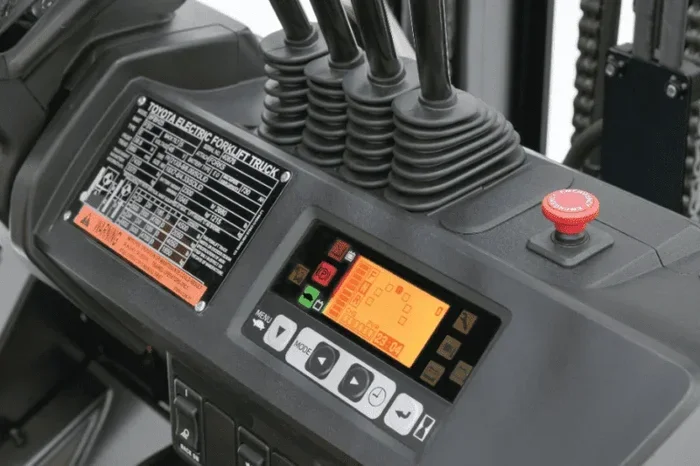
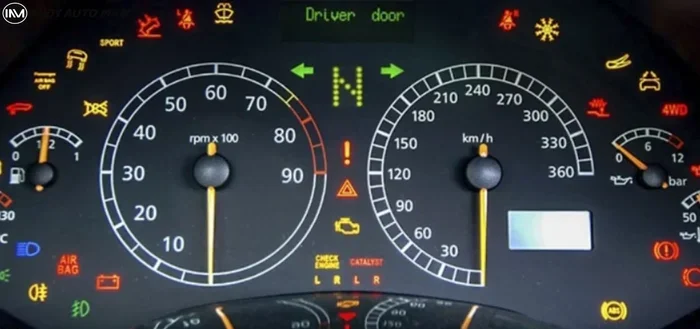
Start with the basics. When you turn the key, do the dashboard lights come on? Does the forklift make any noise at all? These simple observations tell you a lot. If the lights are dim or do not come on, you are likely dealing with a battery or connection issue. If the lights work fine but the forklift stays still, the problem is probably in the controller, motor, or safety systems.
Always check the most obvious things first. A tripped emergency stop button is one of the most overlooked causes. It happens more often than you would think. Someone bumps it, it clicks into place, and suddenly nobody can move the truck. Before you dig into complex repairs, make sure the emergency stop is fully released.
Battery Issues: The Leading Culprit
The battery is the heart of every electric forklift. Without a healthy battery, nothing else matters. When your forklift not starting or forklift not moving forward, the battery should always be your first suspect.
Signs Your Forklift Battery Is Failing
How do you know if the battery is the problem? Look for these telltale signs:
- The dashboard lights are dim or flickering.
- The forklift makes a clicking sound but does not start.
- The battery voltage reads below the manufacturer recommended level.
- The forklift worked fine yesterday but dies after a short shift today.
- You notice corrosion on the battery terminals.
A fully charged 48-volt forklift battery should read around 52 volts at rest. If your meter shows significantly less, the battery needs charging or replacement. Electric forklift battery problems are extremely common in warehouses that do not follow a proper charging schedule.
Quick Fixes for Battery Problems
Before you replace the battery, try these steps:
- Check all terminal connections. Tighten any loose cables and clean off any white or green corrosion.
- Use a multimeter to measure voltage. If it is below 48 volts for a 48-volt system, charge it fully.
- Inspect the battery cables for fraying or damage. Replace any cable that looks worn.
- If the battery is old (over five years), consider replacement. Batteries have a limited lifespan.
Pro tip: Never let a battery run completely dead. Deep discharging shortens its life significantly. Set a charging schedule and stick to it. This simple habit prevents most battery-related downtime.
Motor Controller Failures
The forklift controller is the electronic brain that manages how much power goes from the battery to the drive motor. When the controller fails, your electric lift truck will not move at all, even if the battery is fully charged.
Symptoms of a Bad Controller
Watch for these signs that your controller may be the problem:
- The forklift has power (lights work, horn sounds) but the wheels do not turn.
- The forklift moves slowly or jerky before stopping completely.
- You hear a burning smell near the controller box.
- Error codes appear on the display panel.
- The forklift works intermittently, sometimes moving and sometimes not.
Controllers fail for several reasons. Overheating is the most common cause, especially in hot warehouse environments. Water or moisture intrusion can also damage the internal circuits. And sometimes, a simple power surge does the job.
What to Do When the Controller Fails
Controller repair is not a DIY job for most operators. The unit contains sensitive electronics that require specialized knowledge. Here is what you should do:
- Check the fuse first. A blown fuse can mimic controller failure.
- Look for visible damage, burn marks, or loose wiring on the controller unit.
- Contact a qualified electric forklift repair technician for diagnosis and replacement.
- Keep the controller box clean and dry to prevent future issues.
Replacing a controller can be expensive, but it is far cheaper than replacing the entire forklift. Regular inspection of the controller during your forklift maintenance tips routine can catch early warning signs.
Drive Motor Problems
The drive motor is what actually turns the wheels. When this component fails, your forklift not moving problem becomes very real. Drive motors wear out over time, especially in heavy-use environments.
Types of Drive Motor Failures
There are a few common ways a drive motor can fail:
- Burned windings — The internal coils overheat and break down. This usually happens from overloading or continuous heavy use.
- Worn brushes — DC motors use carbon brushes that wear down over time. When they are too short, the motor loses contact and stops working.
- Gearbox failure — The motor connects to the wheels through a gearbox. Worn gears or low lubricant can stop the wheels from turning.
- Solenoid failure — The solenoid is the switch that sends power to the motor. If it fails, the motor gets no electricity.
If you hear a grinding or whining noise when you try to move the forklift, the gearbox or motor brushes are likely the issue. A complete lack of response usually points to a solenoid or electrical connection problem.
How to Test the Drive Motor
You can perform a few basic checks before calling a technician:
- Check the solenoid. Listen for a clicking sound when you press the pedal. No click means the solenoid may be bad.
- Measure the motor resistance with a multimeter. Compare your reading to the manufacturer specifications.
- Inspect the brushes visually if your motor design allows access. Replace them if they are worn down.
- Check the gearbox oil level. Low or dirty gear oil causes premature wear.
Remember, working on electrical components requires caution. Always disconnect the battery before performing any motor tests. Forklift safety inspection should always come first.
Hydraulic System Failures
You might wonder why a hydraulic issue would prevent your forklift from moving. The answer is simple: many electric forklifts tie their hydraulic pump to the same motor that drives the wheels. When the hydraulic system fails, it can lock up the entire drivetrain.
Common Hydraulic Problems
Here are the hydraulic issues that can stop your forklift in its tracks:
- Low hydraulic fluid — The pump cannot build enough pressure to operate. This is the easiest fix and the most commonly overlooked.
- Broken hydraulic pump — A failed pump means no power to the lift or the drive system.
- Clogged filters — Dirty filters restrict fluid flow and cause the system to overheat.
- Valve failures — A stuck valve can lock the hydraulic circuit in one position.
Check your hydraulic fluid level at the start of every shift. This one habit prevents a surprising number of forklift operational issues. If the fluid is consistently low, you have a leak somewhere that needs professional attention.
Quick Hydraulic Troubleshooting
- Look under the forklift for any fluid puddles or drips.
- Check the hydraulic reservoir level and top it off with the correct fluid type.
- Listen for unusual noises from the pump — grinding or whining means trouble.
- If the forklift lifts but does not move, the pump may be the culprit.
Safety Interlocks and Electrical Connections
Modern forklifts have multiple safety features designed to prevent operation when something is wrong. These safety interlocks are there to protect you, but they can also be the reason your forklift will not move.
Common Safety Switch Issues
Here is what to check when safety systems are involved:
- Emergency stop button — Make sure it is fully released. Sometimes it sticks and needs to be wiggled gently.
- Seat switch — The forklift will not move unless the seat sensor detects weight. A faulty seat switch mimics a dead forklift.
- Directional selector — If the selector is not in the correct position, the forklift will not respond.
- Parking brake — A stuck parking brake can prevent movement and sometimes trips other safety circuits.
These switches are designed to be fail-safe. When they malfunction, they keep the forklift from moving even when everything else is fine. A simple continuity test with a multimeter can tell you if a safety switch is working properly.
Wiring and Connector Problems
Forklifts work in tough environments. Vibration, moisture, and dirt all take a toll on wiring and connectors. Over time, connections can corrode or loosen, breaking the electrical circuit that powers your forklift.
Look for any wires that are frayed, pinched, or disconnected. Pay special attention to connectors near the battery, the controller, and the motor. A simple cleaning of corroded terminals with a wire brush can restore connection in many cases.
For a more thorough check, inspect the wiring harness from end to end. Look for any spots where wires have been rubbed bare against metal edges. These abrasion points eventually cause shorts that can stop your forklift cold.
Preventing Future Movement Problems
The best way to deal with a forklift that will not move is to stop it from happening in the first place. A solid forklift maintenance tips routine goes a long way toward keeping your lift truck reliable and your operations running smoothly.
Daily Checks Every Operator Should Do
Before you start your shift, spend five minutes on these checks:
- Turn the key and check the dashboard lights. All lights should be bright and steady.
- Test the horn, lights, and backup alarm.
- Press the brake pedal and feel for firm response.
- Check the hydraulic fluid level visually.
- Listen for any unusual sounds when you try to move the forklift slowly.
These five minutes can catch problems early. A small issue today becomes a big repair tomorrow if you ignore it.
Weekly and Monthly Maintenance Tasks
- Weekly: Clean battery terminals, check tire condition, and inspect all safety switches.
- Monthly: Test battery capacity, inspect all wiring and connectors, and check hydraulic fluid quality.
- Quarterly: Have a professional technician perform a full electric forklift repair inspection.
Sticking to a maintenance schedule is the single best investment you can make. It reduces downtime, extends the life of your equipment, and keeps your warehouse safe.
Training Matters
Operator error causes more forklift problems than most people realize. Training your team on proper operation and basic troubleshooting can prevent many of the issues we have discussed. Make sure operators know how to check the battery, recognize warning signs, and respond correctly when something goes wrong.
A well-trained operator is your first line of defense against forklift not moving emergencies. They notice small changes before they become big problems.
When to Call a Professional
Not every repair is a DIY job. Some problems require the skills and tools of a trained technician. Here are situations where you should call in the experts:
- The controller needs replacement or reprogramming.
- The drive motor requires internal repair or rebuilding.
- You are dealing with hydraulic pump replacement.
- Wiring issues are complex or spread across multiple systems.
- The forklift is still under warranty and DIY repairs could void it.
Trying to save money by doing complex repairs yourself can end up costing more in the long run. A qualified electric forklift repair professional has the diagnostic tools and experience to fix the problem right the first time.
Choosing the Right Repair Service
When you need professional help, look for these qualities:
- Experience with your specific forklift brand and model.
- Certified technicians with current training.
- Good reviews and references from other warehouse operators.
- Transparent pricing and clear communication about the repair process.
- Availability of replacement parts in stock.
Building a relationship with a reliable repair service saves you time and money. They know your equipment history and can spot patterns before they become repeat problems.
Cost Considerations for Forklift Repairs
Repair costs vary widely depending on the problem. A simple battery replacement might cost a few hundred dollars. A new controller or drive motor can run into thousands. Understanding the potential costs helps you make smart decisions about repair versus replacement.
Here is a rough cost breakdown for common repairs:
- Battery replacement: $500 to $3,000 depending on voltage and capacity.
- Controller replacement: $800 to $2,500.
- Drive motor repair or replacement: $1,000 to $4,000.
- Hydraulic pump replacement: $600 to $2,000.
- Safety switch replacement: $50 to $200.
Keep in mind that regular maintenance significantly reduces these costs. A well-maintained forklift lasts longer and needs fewer expensive repairs. The investment in a maintenance program pays for itself many times over.
Key Takeaways
- Battery health is critical: Always check the battery first when your forklift will not move. A weak or dead battery causes the majority of no-start problems.
- Controllers and motors are complex: These components require professional diagnosis. Do not attempt internal repairs unless you are qualified.
- Hydraulic failures affect movement: Low fluid, broken pumps, and clogged filters can stop your forklift completely.
- Safety interlocks exist for a reason: Always check emergency stops, seat switches, and directional selectors before assuming a major failure.
- Maintenance prevents downtime: A consistent maintenance schedule catches small problems before they become costly repairs.
- Training your operators matters: Well-trained operators notice problems early and prevent many common issues.
- Know when to call a pro: Complex electrical and mechanical repairs should always be left to qualified technicians.
Conclusion
A forklift that will not move is more than just an inconvenience. It is a productivity killer that can slow down your entire operation. But the good news is that most causes are diagnosable and fixable once you know what to look for.
Start with the simple stuff. Check the battery. Make sure the emergency stop is released. Inspect the hydraulic fluid level. Many problems reveal themselves with these basic steps. If the issue is more complex — a failed controller, a burned motor, or a wiring problem — do not hesitate to bring in a professional.
The best approach to electric forklift troubleshooting is prevention. Regular maintenance, operator training, and prompt attention to small issues keep your lift truck moving and your warehouse running. Take care of your equipment, and it will take care of your business.
Now that you know the common reasons behind a stationary forklift, you are better equipped to handle the problem when it arises. Stay proactive, stay safe, and keep your operations moving forward.
Frequently Asked Questions
What should I check first when my electric forklift will not move?
Start with the battery. Check the voltage level and make sure all terminals are clean and tight. Next, verify that the emergency stop button is fully released and the directional selector is in the correct position. These simple checks solve the problem more often than you might expect.
How long does a forklift battery typically last before needing replacement?
A well-maintained forklift battery usually lasts between four and six years. However, deep discharging, improper charging, and neglect can shorten that lifespan significantly. Following a consistent charging and maintenance routine helps your battery last as long as possible.
Can a low hydraulic fluid level prevent my forklift from moving?
Yes, absolutely. Many electric forklifts use the same motor for both driving and hydraulics. When hydraulic fluid is low, the pump cannot build enough pressure, which can lock the drivetrain and prevent movement. Always check your fluid level at the start of each shift.
Is it safe to repair a forklift controller myself?
No, controller repair involves sensitive electronics and should be left to trained professionals. Incorrect handling can cause further damage or create safety hazards. Always contact a certified electric forklift repair technician for controller issues.
How can I reduce forklift downtime in my warehouse?
Implement a consistent maintenance schedule, train operators on basic troubleshooting, and perform daily pre-shift inspections. These practices catch small problems before they grow into major breakdowns that stop your operations in their tracks.
What does it mean if my forklift makes a clicking sound but will not move?
A clicking sound usually indicates a dead battery or a bad solenoid. The electrical system is trying to engage but does not have enough power or the solenoid is failing. Check your battery voltage first, and then inspect the solenoid if the battery is in good condition.