When I Turn the Key Nothing Happens No Click Fix Guide
When I Turn the Key Nothing Happens No Click is a frustrating problem that leaves you stranded. This fix guide walks you through every possible cause, from a dead battery to a faulty ignition switch, and gives you clear steps to diagnose and solve the issue yourself. Whether you are a beginner or a seasoned DIYer, you will find practical solutions that actually work.
You slide into the driver’s seat, insert the key, twist it, and… nothing. No sound. No click. No grinding. Just dead silence. If you have ever experienced this, you know how unsettling it feels. Your car just sits there like it has given up on you completely.
The good news is that a when I turn the key nothing happens no click situation is usually fixable. In most cases, the problem is simple and inexpensive to repair. In this guide, we will walk through every possible cause step by step. You will learn how to diagnose the issue, what tools you need, and exactly how to fix it. Let’s get your car running again.
Key Takeaways
- Dead or weak battery: The most common reason your car won’t start with no click at all.
- Corroded or loose battery terminals: A simple cleaning or tightening can bring your car back to life.
- Faulty ignition switch: A worn ignition switch can silently prevent power from reaching the starter.
- Bad starter motor or solenoid: These components fail over time and cause a no-crank condition.
- Neutral safety switch issues: A misaligned or broken switch can block the starting circuit entirely.
- Key fob battery problems: Modern cars may not recognize a dead key fob battery, causing a no-start situation.
- Faulty starter relay: A failed relay cuts power to the starter before it ever gets a chance to engage.
📑 Table of Contents
- Why Your Car Won’t Start With No Click
- Most Common Causes When Nothing Happens
- Step-by-Step Diagnosis Process
- How to Fix Each Cause
- Prevention Tips to Avoid Future No-Start Issues
- When to Call a Professional
- Tools You Will Need for Diagnosis and Repair
- Understanding the Difference Between No Crank and No Start
- Real-World Examples and Stories
- Cost Estimates for Common Repairs
- Final Thoughts on Fixing a No-Start No-Click Problem
Why Your Car Won’t Start With No Click
Before you start pulling parts apart, it helps to understand what happens when you turn the key. When you insert the key and twist it to the “Start” position, a small electrical signal travels from the ignition switch to the starter motor. That signal tells the starter to crank the engine. If any part of that chain fails, you get silence.
The “no click” part is important. A single click usually means the solenoid is trying to engage but the starter motor is bad. No click at all means the electrical signal never reaches the starter in the first place. That narrows down the list of suspects significantly.
The Starting Circuit Explained
Think of the starting circuit like a chain. Each link must be strong for the chain to work. The chain includes the battery, battery cables, ignition switch, neutral safety switch, starter relay, and the starter motor itself. If even one link is weak or broken, the whole thing fails. When you turn the key and hear nothing, one of those links has a problem.
Most Common Causes When Nothing Happens
Let’s get into the most likely reasons your car won’t start with no click. These are the issues mechanics see every single day.
1. Dead or Weak Battery
A dead battery is the number one cause of a no-start condition. Batteries don’t last forever. Over time, they lose their ability to hold a charge. Cold weather makes it worse because it reduces battery performance significantly.
You might think your battery is fine if the headlights work. But a battery can have just enough power to run lights and not enough to crank the engine. That is a common mistake people make. The dashboard lights might come on bright, but the starter needs much more power than the lights do.
To check your battery, use a multimeter. Set it to DC voltage and touch the probes to the battery terminals. A healthy battery reads 12.6 volts or higher. Anything below 12.2 volts means the battery is weak and may need charging or replacing.
2. Corroded or Loose Battery Terminals
Even if your battery is strong, corrosion on the terminals can block the electrical connection. You might see a white or bluish powdery buildup on the terminals. This buildup acts like an insulator and prevents electricity from flowing properly.
Loose terminals are just as bad. If the cable clamps are not tight, the connection is intermittent. You might get power sometimes and not other times. Wiggle the cables gently and see if anything changes. If the car starts when you wiggle them, you have found your problem.
Cleaning battery terminals is easy. Use a wire brush or a battery terminal cleaner. Remove the cables (negative first, then positive), clean both the terminals and the cable ends, and reconnect them tightly. This simple fix solves the problem more often than you would think.
3. Faulty Ignition Switch
The ignition switch is the part you interact with every time you start your car. Over years of use, the internal contacts wear out. When they wear out, they fail to send the electrical signal to the starter. The result is a silent no-start condition.
Signs of a bad ignition switch include the dashboard lights not coming on when you turn the key, or the car starting intermittently before failing completely. Some older vehicles have ignition switches that can be replaced easily. Newer cars may require a more involved process involving the steering column.
If you suspect the ignition switch, try gently wiggling the key while turning it. If the car starts or the dashboard flickers when you do this, the ignition switch is likely the culprit.
4. Bad Starter Motor or Solenoid
The starter motor is a small but powerful electric motor that cranks the engine. The solenoid is the component that pushes the starter gear into the engine flywheel and completes the electrical circuit. When either one fails, you get no crank and no click.
Starters wear out over time, especially in high-mileage vehicles. Heat from the engine can damage the internal windings. A bad solenoid might still produce a faint click sometimes but not enough to engage the starter. If you hear a single faint click and nothing else, the solenoid could be the issue.
Testing the starter requires a bit of electrical knowledge. You can use a multimeter to check for voltage at the starter terminals when someone turns the key. No voltage means the problem is upstream in the circuit. Voltage present but no engagement means the starter itself is bad.
5. Neutral Safety Switch Problems
The neutral safety switch prevents the car from starting unless the transmission is in Park or Neutral. It is a safety feature, but it can also be a source of frustration. If the switch is misaligned or faulty, it blocks the starting circuit completely.
This is especially common in vehicles that have been moved around a lot or have high mileage. The switch can shift out of position over time. Try shifting the gear selector to Neutral and attempting to start the car. If it starts in Neutral but not in Park, the neutral safety switch needs adjustment or replacement.
6. Faulty Starter Relay
The starter relay acts as a switch that sends power from the battery to the starter motor. It is a small, inexpensive component located in the fuse box. When the relay fails, the signal never reaches the starter, and you get complete silence when you turn the key.
A bad relay can sometimes be swapped with a similar relay in the same fuse box to test it. If the car starts after swapping, you have confirmed the relay was the problem. Replacing a starter relay is one of the cheapest and easiest fixes on this list.
7. Key Fob Battery (For Push-Button Start Vehicles)
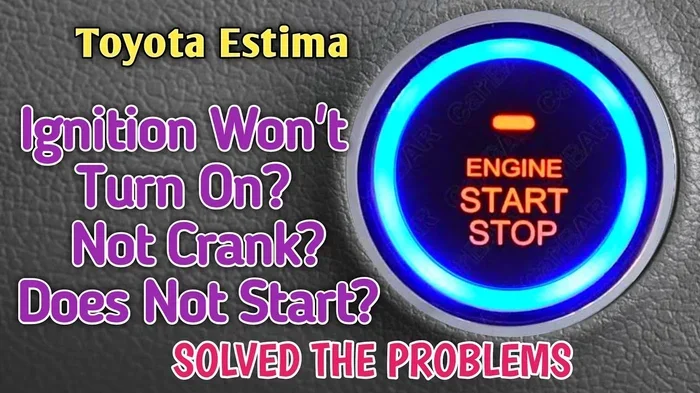
If your car has a push-button start system, a dead key fob battery can cause a no-start condition. The car cannot detect the fob and refuses to start. Some vehicles have a backup start procedure where you hold the fob against a specific spot on the steering column or console.
Check your owner’s manual for the exact backup start location. Replacing the fob battery is usually a simple coin-cell battery swap. This is a surprisingly common cause that many people overlook entirely.
Step-by-Step Diagnosis Process
Now that you know the common causes, let’s walk through a systematic diagnosis. Following these steps in order will save you time and money.
- Check the dashboard lights. Turn the key to the “On” position (not Start). Do the dashboard lights come on? If not, you likely have a battery or connection problem.
- Test the battery voltage. Use a multimeter. Below 12.2 volts means the battery needs attention.
- Inspect the battery terminals. Look for corrosion, looseness, or frayed cables.
- Try the backup start method. If your car has a push-button start, hold the fob against the start button or designated spot.
- Shift to Neutral and try again. This tests the neutral safety switch.
- Listen for any sound. Even a faint click or buzz can give you clues about where the problem lies.
- Check the starter relay. Locate it in the fuse box and swap it with a similar relay.
- Test for voltage at the starter. This requires basic electrical testing skills.
Following this process helps you eliminate possibilities one by one. You will narrow down the cause without replacing parts that are not actually bad.
How to Fix Each Cause
Once you have identified the cause, here is how to fix it.
Fixing a Dead Battery
If your battery is dead, you have two options. You can jump-start the car using jumper cables and another vehicle or a portable jump starter. Connect the positive cable to the dead battery first, then to the good battery. Connect the negative cable to the good battery and then to an unpainted metal surface on the dead car. Start the good car first, then try starting the dead car.
After a successful jump start, let the engine run for at least 20 minutes to recharge the battery. If the battery is old (more than three to five years), consider replacing it. A jump start is only a temporary solution for a failing battery.
Fixing Corroded Terminals
Clean the terminals with a wire brush or battery cleaner solution. You can also use a mixture of baking soda and water applied with an old toothbrush. After cleaning, rinse with a little water and dry thoroughly. Reconnect the cables tightly (positive first, then negative). Apply dielectric grease to the terminals to prevent future corrosion.
Fixing a Bad Ignition Switch
Replacing an ignition switch involves removing the steering column covers. Disconnect the battery first. Remove the screws holding the covers, disconnect the electrical connector, and unbolt the old switch. Install the new switch in reverse order. Some vehicles require programming the new switch to the immobilizer system. In those cases, a dealership or locksmith may be needed.
Fixing a Bad Starter
Replacing a starter motor requires getting under the vehicle or accessing it from the top of the engine. Disconnect the battery. Unbolt the starter from the engine block. Disconnect the electrical connections. Install the new starter and reconnect everything. Torque the bolts to specification. This is a moderate-difficulty repair that most DIYers can handle with basic tools.
Fixing a Bad Relay
Locate the starter relay in the fuse box. It will be labeled in the fuse box cover diagram or in the owner’s manual. Pull the old relay straight out and push the new one in. Make sure it clicks into place. This fix costs just a few dollars for the relay itself.
Prevention Tips to Avoid Future No-Start Issues
The best way to deal with a no-start problem is to prevent one from happening in the first place. Here are some simple habits that keep your starting system healthy.
- Get your battery tested annually. Most auto parts stores test batteries for free. A quick test can warn you before the battery leaves you stranded.
- Clean the battery terminals once a year. A quick cleaning prevents corrosion buildup that can slowly weaken your connection.
- Replace the key fob battery every two years. Don’t wait until it dies completely. Proactive replacement saves you from a surprise no-start situation.
- Don’t leave accessories on when the engine is off. Lights, radio, and phone chargers drain the battery over time.
- Drive your car regularly. A car that sits for weeks at a time will develop a weak battery. Driving at least once a week keeps the battery charged.
These small habits add up to big savings in time and money. A little prevention goes a long way toward keeping your car reliable.
When to Call a Professional
Not every car problem is a DIY fix. Some situations call for a professional mechanic. Here are the signs that you should stop troubleshooting and call for help.
If you have checked the battery, terminals, and fob, and the car still does not start, there may be a deeper electrical issue. Problems with the engine control module, wiring harness, or immobilizer system require specialized diagnostic equipment. These are not things you can fix with a multimeter and a screwdriver.
Also, if you are uncomfortable working with electrical systems, it is perfectly fine to call a professional. Working around batteries can be dangerous if you do not know what you are doing. A professional mechanic can diagnose the problem quickly and safely.
Finally, if your car is under warranty, check with your dealer before attempting any repairs. DIY repairs can sometimes void the warranty on certain components. It is always worth a quick call to save yourself money and headaches later.
Tools You Will Need for Diagnosis and Repair
Having the right tools makes the job much easier. Here is a list of the most useful tools for diagnosing a no-start condition.
- Digital multimeter: Essential for testing battery voltage, continuity, and voltage drops across connections.
- Battery terminal cleaner: A wire brush tool specifically designed to clean battery terminals quickly.
- Jumper cables or portable jump starter: For testing and temporary power when the battery is dead.
- Basic socket set: For removing battery terminals, starter bolts, and steering column covers.
- Flashlight: You will need good lighting under the hood and under the car.
- Owner’s manual: Your manual contains fuse box diagrams, backup start procedures, and specific troubleshooting steps for your vehicle.
You do not need expensive specialty tools for most of these diagnoses. A good multimeter and a basic socket set will take you a long way. Invest in quality tools and they will serve you for years.
Understanding the Difference Between No Crank and No Start
It is important to understand the difference between a no-crank and a no-start condition. A no-crank means the engine does not turn over at all when you turn the key. This is what we are covering in this guide. A no-start means the engine cranks but does not fire up and run.
These are completely different problems with different causes. A no-crank issue is electrical. A no-start issue could be fuel-related, spark-related, or sensor-related. Understanding which problem you have helps you focus your diagnosis and avoid wasting time on the wrong fixes.
When you turn the key and hear the engine crank but it does not start, that is a no-start condition. When you turn the key and hear absolutely nothing, that is a no-crank condition. Both are frustrating, but they require different approaches to fix.
Real-World Examples and Stories
Let me share a couple of real-world examples that show how common this problem is and how simple the fixes can be.
A friend of mine called me last winter in a panic. His car would not start. No click, nothing. He was convinced the starter was dead and it would cost him hundreds of dollars. I walked over, checked the battery voltage, and it read 11.1 volts. The battery was simply too cold and too weak to crank the engine. A quick jump start got him going, and he replaced the battery the next day for under $100.
Another time, my neighbor’s push-button start car would not start one morning. She tried the button three times with no response. She was about to call a tow truck when she remembered the backup start procedure in her manual. She held the fob against the start button, and the car started immediately. The fob battery was dead. A $5 battery replacement solved the entire problem.
These stories show that the cause is often simpler than people think. Before you assume the worst, work through the list of common causes systematically. You might be surprised at how easy the fix turns out to be.
Cost Estimates for Common Repairs
Wondering what these fixes might cost? Here is a rough breakdown of common repair costs for a no-start condition.
- Battery replacement: $50 to $200 depending on the vehicle and battery type.
- Battery terminal cleaning: Free if you do it yourself. A mechanic might charge $20 to $50 for the service.
- Starter relay replacement: $10 to $30 for the relay part. Labor is minimal if you do it yourself.
- Ignition switch replacement: $50 to $200 for parts, plus $50 to $150 for labor if you hire someone.
- Starter motor replacement: $150 to $400 for parts, plus $100 to $300 for labor at a shop.
- Neutral safety switch replacement: $50 to $150 for parts and labor combined.
These are rough estimates and can vary based on your vehicle make and model, your location, and whether you do the work yourself. Always get a quote from a trusted mechanic before authorizing major repairs.
Final Thoughts on Fixing a No-Start No-Click Problem
Dealing with a when I turn the key nothing happens no click problem can be stressful, but it does not have to be overwhelming. The most important thing is to stay calm and work through the diagnosis systematically. Start with the simplest and most common causes first. In most cases, it is a battery issue, a corroded terminal, or a faulty relay. These are easy and affordable fixes.
Remember that every car is different, and the exact steps may vary depending on your vehicle’s make, model, and year. Always refer to your owner’s manual for vehicle-specific information. If you get stuck or feel unsure, there is no shame in calling a professional mechanic. The goal is to get you back on the road safely and confidently.
Armed with the knowledge in this guide, you now have the tools to tackle most no-start problems on your own. You can save money, learn valuable skills, and gain confidence in your ability to handle car troubles. The next time you turn the key and nothing happens, you will know exactly what to do.
Frequently Asked Questions
Why does my car make no sound when I turn the key?
No sound when turning the key usually points to an electrical issue in the starting circuit. The most common causes are a dead battery, corroded battery terminals, a faulty ignition switch, or a bad starter relay. Start by checking your battery voltage and cleaning the terminals before moving on to more complex diagnostics.
Can a bad key fob battery cause a car not to start?
Yes, especially in vehicles with push-button start systems. If the car cannot detect the key fob, it will not allow the engine to start. Try holding the fob directly against the start button or the designated backup start location on your vehicle. Replacing the fob battery usually resolves this issue completely.
How do I know if my starter is bad or my battery is dead?
Test the battery voltage with a multimeter. If it reads below 12.2 volts, the battery is likely the problem. If the battery is fully charged and the car still makes no sound when you turn the key, the issue is likely in the starter circuit, ignition switch, or neutral safety switch. A professional can test the starter directly if needed.
Is it safe to jump-start a car that won’t start with no click?
Yes, jump-starting is safe when done correctly. Always connect the positive cable first, then the negative. Make sure the cables do not touch each other while connected to the batteries. If the car starts, let it run for at least 20 minutes to recharge the battery before turning it off again.
How much does it cost to fix a no-start no-click problem?
The cost depends entirely on the cause. A battery replacement typically costs $50 to $200. A starter relay costs as little as $10 to $30. A starter motor replacement can range from $150 to $700 including parts and labor. Always get a diagnosis before committing to a repair to avoid unnecessary expenses.
What should I do if my car still won’t start after trying all the fixes?
If you have gone through all the common causes and the car still does not start, there may be a deeper electrical or computer issue. At this point, it is best to call a professional mechanic. They have diagnostic equipment that can read error codes and pinpoint the exact problem. Do not keep trying to start the car, as this can drain the battery further and potentially damage the starter.
=== CONCLUSION ===
A when I turn the key nothing happens no click problem is almost always fixable with the right approach. The most common causes are battery issues, corroded terminals, faulty ignition switches, and bad relays. By working through the diagnosis steps in this guide, you can identify the root cause and apply the correct fix.
Start with the simplest checks and work your way up. Most of the time, the solution is quick, affordable, and well within your reach. Keep the prevention tips in mind to avoid finding yourself in this situation again. And remember, there is no shame in calling a professional when the problem is beyond your comfort zone.
Now you have everything you need to tackle this common car problem with confidence. Grab your multimeter, check that battery, and get back on the road.