Do Hybrid Cars Last Longer Than Gas Cars in Real Life
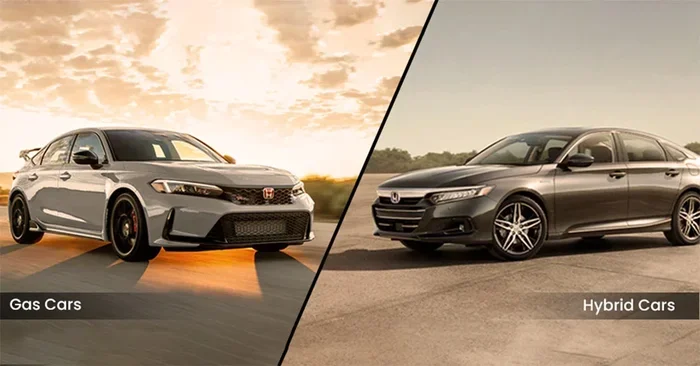
Do hybrid cars last longer than gas cars? The short answer is yes, in most cases. Hybrid vehicles tend to outlast traditional gas-powered cars thanks to reduced engine wear, regenerative braking, and fewer moving parts. However, the hybrid battery and maintenance costs play a big role in overall longevity. Understanding how both types of cars age helps you make a smarter buying decision.
Have you ever wondered whether do hybrid cars last longer than gas cars? It is a question that keeps popping up in car forums, dealerships, and coffee shop conversations alike. People want to know if spending extra money on a hybrid is worth it in the long run.
The truth is, the answer is not a simple yes or no. Many factors come into play when we talk about hybrid car lifespan versus gas car durability. Things like driving habits, maintenance routines, battery health, and even the brand of the vehicle all matter. But here is what we do know from real-world data and expert analysis.
Hybrid vehicles generally tend to last longer than their gas-only counterparts. The electric motor shares the workload, which reduces strain on the gas engine. Less strain means fewer breakdowns over time. But that is only part of the story. Let us dig deeper into what makes hybrid vehicle reliability stand out and where gas cars still hold their ground.
Key Takeaways
- Hybrid cars often last longer: Reduced engine strain and electric motor support help extend overall vehicle lifespan.
- Gas cars have simpler repairs: Fewer complex systems mean lower repair costs in some cases, but more engine wear over time.
- Hybrid battery life matters: Most hybrid batteries last 8 to 15 years, and replacement costs have dropped significantly.
- Maintenance costs differ: Hybrids often require less frequent brake and engine maintenance due to regenerative braking and electric assist.
- Real-world examples support longevity: Models like the Toyota Prius have proven track records of lasting well over 200,000 miles.
- Your driving habits count: How you drive, charge, and maintain either type of vehicle greatly affects its lifespan.
📑 Table of Contents
- How Long Do Hybrid Cars Actually Last?
- How Long Do Gas Cars Typically Last?
- The Hybrid Battery Factor
- Maintenance Costs: Hybrid vs Gas
- Fuel Efficiency and Its Impact on Lifespan
- Resale Value and Long-Term Ownership
- Which One Should You Choose?
- Common Mistakes That Shorten Any Car’s Life
- Key Takeaways
- Conclusion
How Long Do Hybrid Cars Actually Last?
When people ask about hybrid car lifespan, they usually want a number. And that is fair. Most hybrid vehicles can comfortably reach 200,000 to 300,000 miles with proper care. Some well-maintained models even push past the 300,000-mile mark.
Compare that to the average gas car, which tends to last around 200,000 miles. The difference comes down to how the powertrain works. A hybrid powertrain uses both an electric motor and a gas engine. This shared workload reduces the overall stress on each component.
The Role of the Electric Motor
The electric motor in a hybrid car does a lot of heavy lifting. It assists during acceleration, which means the gas engine does not have to work as hard. Over time, this adds up. Less work equals less wear and tear.
Think of it like carrying a heavy box. If you have a friend helping you, the job feels easier. Your body does not get as tired. The same principle applies to hybrid vehicle components. The electric motor shares the burden, and the gas engine lasts longer as a result.
Real-World Longevity Examples
Some of the most famous hybrid car longevity stories come from the Toyota Prius. Many Prius owners report crossing the 250,000-mile threshold without major issues. The Toyota Prius longevity record is well-documented, with some vehicles hitting 300,000 miles or more.
Other brands like Honda and Ford have also produced reliable hybrid models that stand the test of time. The key takeaway is that hybrid car reliability is not just a marketing claim. It is backed by real data from real owners.
How Long Do Gas Cars Typically Last?
Gas cars have been around for over a century. Engineers know a lot about how they age. Most gas-powered vehicles last between 150,000 and 200,000 miles. With excellent maintenance, some gas cars reach 250,000 miles or more.
But gas engines have more moving parts than hybrid systems. More parts mean more things that can wear out. The engine, transmission, exhaust system, and fuel system all experience regular stress during every drive.
Engine Wear and Tear
A traditional gas engine handles all the work. There is no electric motor to share the load. This means more friction, more heat, and more strain on internal components. Over time, this leads to more frequent repairs.
Common issues with aging gas engines include:
- Worn piston rings that reduce engine efficiency
- Timing belt or chain failures that can cause major damage
- Exhaust system corrosion from years of use
- Fuel injector buildup that affects performance
- Transmission problems as the vehicle ages
Maintenance Demands
Gas cars require regular oil changes, spark plug replacements, and exhaust system inspections. These maintenance tasks add up over the years. While they are not expensive individually, they contribute to the overall car ownership costs of a gas vehicle.
On the positive side, gas cars have a simpler design. Fewer systems mean fewer things to go wrong. This simplicity can be a real advantage when things do break down. Traditional vehicle maintenance is often more straightforward and less expensive for basic repairs.
The Hybrid Battery Factor
The biggest concern most people have about hybrid car lifespan is the battery. The hybrid battery is different from a standard car battery. It is larger, more complex, and more expensive to replace. So does it shorten the overall life of the vehicle?
The answer is usually no. Most hybrid batteries are designed to last the lifetime of the car. On average, a hybrid battery lasts between 8 and 15 years, or roughly 100,000 to 150,000 miles. Some batteries even last longer.
Battery Degradation Over Time
Like all batteries, hybrid batteries lose some capacity over time. This means they hold less charge as they age. However, this degradation is usually gradual. Most drivers do not even notice a significant drop in performance until the battery is quite old.
Here is what typically happens with a degrading hybrid battery:
- Slight reduction in fuel efficiency during the first few years
- More frequent use of the gas engine to compensate
- Warning lights on the dashboard indicating battery health
- Reduced electric-only driving range
- Potential need for battery replacement in extreme cases
Battery Replacement Costs
The cost of replacing a hybrid battery has dropped significantly over the years. A decade ago, a new hybrid battery could cost $3,000 to $5,000 or more. Today, prices range from about $1,500 to $3,500 depending on the vehicle model and brand.
Many manufacturers now offer extended battery warranties. Toyota, for example, covers hybrid batteries for up to 10 years or 150,000 miles in many states. This warranty gives buyers peace of mind and reduces the financial risk of battery replacement cost concerns.
Quick Tip: If you buy a used hybrid, check the battery warranty status first. A remaining warranty can save you thousands of dollars if the battery fails early.
Maintenance Costs: Hybrid vs Gas
One of the most important factors in vehicle lifespan is how much it costs to maintain. A well-maintained car will always outlast a neglected one, regardless of the powertrain type. But do hybrids actually cost less to maintain?
The answer is generally yes. Hybrid vehicle maintenance tends to be lower over the long term, though the upfront costs can be higher.
Why Hybrids Cost Less to Maintain
There are several reasons why hybrid car maintenance costs tend to be lower than gas car costs:
- Regenerative braking reduces wear on brake pads and rotors. The electric motor handles most braking, so the friction brakes last much longer.
- Less engine use means fewer oil changes and less engine wear over time.
- Fewer transmission issues because the electric motor assists with gear changes and reduces strain on the transmission.
- No starter motor wear since the electric motor handles starting the engine.
- Reduced exhaust system stress because the gas engine runs less frequently.
Where Gas Cars Save Money
Gas cars are not all bad when it comes to maintenance. There are areas where they actually cost less to fix:
- simpler overall design means fewer complex systems that could fail
- More mechanics familiar with gas engines, so labor costs are often lower
- Cheaper parts availability since gas cars have been around much longer
- No high-voltage battery systems that require specialized technicians
The key is to factor in the total cost of ownership over the life of the vehicle. While gas cars may have cheaper individual repairs, the cumulative wear and tear on the engine can add up to higher costs over 10 or 15 years.
Fuel Efficiency and Its Impact on Lifespan
Hybrid fuel efficiency is one of the biggest advantages of these vehicles. But did you know that better fuel efficiency can actually contribute to a longer vehicle lifespan?
How Fuel Efficiency Affects Longevity
When a car uses less fuel, it puts less stress on the engine. The engine runs cooler and cleaner, which reduces internal wear. Over hundreds of thousands of miles, this difference adds up significantly.
Hybrid vs gas mileage comparisons show that hybrids typically get 40 to 60 miles per gallon in city driving. Gas cars in the same class usually get 25 to 35 miles per gallon. That is a big difference that translates to less engine stress over time.
Less fuel burned also means fewer deposits build up inside the engine. Cleaner internal components last longer and perform better. This is one of the hidden benefits of hybrid vehicle ownership that many people overlook.
The Regenerative Braking Advantage
Regenerative braking is a system unique to hybrid and electric vehicles. It captures energy during braking and stores it in the battery for later use. This system has two major benefits for vehicle longevity.
First, it reduces wear on the traditional braking system. Brake pads and rotors last much longer on hybrids because the electric motor handles most of the slowing down. Second, it reduces the overall energy waste in the vehicle, which means less heat and stress on components.
Expert Insight: According to automotive engineers, regenerative braking is one of the main reasons why hybrid brake systems often outlast gas car brake systems by 50,000 miles or more.
Resale Value and Long-Term Ownership
Another important factor in hybrid car lifespan is resale value. How long a car holds its value affects the total cost of ownership and can influence your decision to keep or sell the vehicle.
Hybrid resale value has been strong in recent years. As fuel prices rise and environmental concerns grow, more buyers want efficient vehicles. This demand keeps hybrid vehicle resale value higher than many comparable gas models.
Why Hybrids Hold Value Better
Several factors contribute to the strong resale value of hybrids:
- Fuel savings appeal to second-hand buyers looking for lower operating costs
- Proven reliability of popular hybrid models builds buyer confidence
- Growing demand for efficient vehicles in the used car market
- Lower mileage on older models since hybrids were often used for commuting
A higher resale value means you lose less money when you sell or trade in the vehicle. This effectively lowers the total cost of ownership, which is an important part of the do hybrid cars last longer than gas cars equation.
Which One Should You Choose?
By now, you probably have a good sense of the answer to do hybrid cars last longer than gas cars. But the right choice for you depends on your personal situation, driving habits, and budget.
Choose a Hybrid If:
- You drive a lot of miles each year and want to save on fuel
- You plan to keep the vehicle for 10 years or more
- You want lower long-term maintenance costs
- You live in an area with stop-and-go traffic where hybrids shine
- You care about reducing your environmental impact
Choose a Gas Car If:
- You prefer a simpler vehicle with fewer complex systems
- You plan to keep the car for a shorter period
- You have access to affordable gas car maintenance
- You do not drive enough miles to offset the higher fuel costs
- You want a lower upfront purchase price
Both types of vehicles have their strengths. The best choice depends on how you use your car and what matters most to you. Whether you choose a hybrid car or a gas-powered vehicle, proper maintenance and smart driving habits will help your car last as long as possible.
Common Mistakes That Shorten Any Car’s Life
Regardless of whether you drive a hybrid or a gas car, certain mistakes can shorten your vehicle’s lifespan. Avoiding these habits will help both types of cars last longer.
Skipping Regular Maintenance
This is the number one killer of vehicle longevity. Skipping oil changes, ignoring warning lights, and neglecting tire rotations all lead to bigger problems down the road. A regular maintenance schedule is your best investment in your car’s future.
Hard Driving Habits
Aggressive acceleration, hard braking, and speeding put extra stress on every component of the vehicle. Smooth, steady driving helps both hybrid and gas cars last longer. The driving habits you develop matter more than the type of car you drive.
Ignoring Fluid Changes
Transmission fluid, coolant, and brake fluid all have recommended change intervals. Ignoring these can lead to expensive repairs and premature component failure. Stay on top of fluid changes for both hybrid and gas vehicles.
Quick Tip: Keep a maintenance log for your vehicle. Write down every oil change, tire rotation, and repair. This history helps you stay on track and makes the car more valuable when you sell it.
Key Takeaways
- Hybrid cars often last longer: Reduced engine strain and electric motor support help extend overall vehicle lifespan.
- Gas cars have simpler repairs: Fewer complex systems mean lower repair costs in some cases, but more engine wear over time.
- Hybrid battery life matters: Most hybrid batteries last 8 to 15 years, and replacement costs have dropped significantly.
- Maintenance costs differ: Hybrids often require less frequent brake and engine maintenance due to regenerative braking and electric assist.
- Real-world examples support longevity: Models like the Toyota Prius have proven track records of lasting well over 200,000 miles.
- Your driving habits count: How you drive, charge, and maintain either type of vehicle greatly affects its lifespan.
Conclusion
So, do hybrid cars last longer than gas cars? The evidence strongly suggests yes. Hybrid vehicles benefit from reduced engine wear, regenerative braking, and shared workload between the electric motor and gas engine. These advantages translate into longer lifespans, lower maintenance costs, and better fuel efficiency over time.
Gas cars still have their place. They are simpler, often cheaper to buy upfront, and easier to repair in some cases. But when it comes to long-term durability and total cost of ownership, hybrid vehicles have a clear edge.
The most important thing you can do for any car is to maintain it properly and drive it wisely. Whether you choose a hybrid or a gas car, following a regular maintenance schedule and practicing smooth driving habits will help your vehicle serve you well for many years to come.
Make your decision based on your needs, budget, and driving patterns. Both hybrid and gas cars can provide reliable transportation. But if longevity and long-term savings matter most to you, a hybrid car is likely the smarter choice.
Frequently Asked Questions
How long does a hybrid car battery typically last?
Most hybrid car batteries last between 8 and 15 years, or roughly 100,000 to 150,000 miles. Some batteries last even longer with proper care. Replacement costs have also dropped significantly in recent years, making battery issues less of a financial worry than they used to be.
Are hybrid cars more expensive to maintain than gas cars?
Generally, no. Hybrid vehicle maintenance costs tend to be lower over the long term. Regenerative braking reduces brake wear, and the gas engine experiences less strain. However, some hybrid-specific repairs can be more expensive if they involve the high-voltage battery or electric motor systems.
Can a hybrid car reach 300,000 miles?
Yes, many hybrid cars can reach 300,000 miles or more with proper maintenance. The Toyota Prius is one of the most well-known examples of a hybrid that achieves this milestone. Regular maintenance and gentle driving habits play a big role in reaching these high mileages.
Do hybrids have more problems than gas cars?
Not necessarily. Hybrid car reliability has improved dramatically over the years. While hybrids have more complex systems, the electric motor actually reduces wear on the gas engine. The most common hybrid issue is battery degradation, but modern batteries are built to last the life of the vehicle in most cases.
Is it worth buying a used hybrid car?
Yes, buying a used hybrid can be a great value. The hybrid battery warranty often still covers the vehicle, and the fuel savings continue to add up. Just make sure to get a pre-purchase inspection and check the battery health before buying.
How does driving style affect hybrid car lifespan?
Smooth, steady driving helps both hybrid and gas cars last longer. Avoiding aggressive acceleration and hard braking reduces stress on all vehicle components. For hybrids, gentle driving also helps preserve battery health and maximize fuel efficiency over the years.