Why Isnt The HiAce Sold In The US Market Right Now
The Toyota HiAce is not sold in the US market because of strict federal regulations, emissions standards, and safety requirements that make it nearly impossible to import legally. The vehicle’s design, diesel engine options, and right-hand drive configurations create additional hurdles for American compliance. Understanding these barriers helps explain why this popular global van remains absent from US dealerships.
The Toyota HiAce is one of the most popular vans in the world. It has been a staple in Asia, Europe, Africa, and the Middle East for decades. But if you live in the United States, you have probably noticed something odd. You cannot buy one at a dealership. You cannot easily order one from a dealer. And finding one on a lot is nearly impossible. This raises a big question: why isnt the HiAce sold in the US market right now?
The answer is not simple. It involves a mix of regulations, market strategy, design choices, and logistics. Many car enthusiasts and small business owners would love to have access to this versatile vehicle. But a combination of federal rules and Toyota’s own decisions keeps it out of American hands. In this article, we will break down every major reason why the HiAce is not sold in the US. We will also look at what the future might hold.
If you have ever wondered about the HiAce and its absence from American roads, you are in the right place. We will cover everything from emissions laws to vehicle design. By the end, you will understand exactly why this global van star has never made it to US showrooms.
Key Takeaways
- Regulatory Barriers: US federal safety and emissions standards make it extremely difficult for the HiAce to qualify for sale in America.
- Design Limitations: The HiAce’s cab-over engine layout and right-hand drive options don’t align with US consumer preferences and regulations.
- Grey Market Risks: Importing a HiAce through unofficial channels is costly, complicated, and often not worth the effort for most buyers.
- Market Strategy: Toyota has chosen to focus on other models in the US rather than invest in homologating the HiAce.
- Future Possibility: Changes in regulations or a shift in consumer demand could eventually open the door for the HiAce in the US.
- Alternatives Exist: Several US-legal vans offer similar functionality to the HiAce for those who need a commercial or passenger vehicle.
📑 Table of Contents
- What Is the Toyota HiAce and Why Is It So Popular?
- The Regulatory Hurdles Blocking HiAce Imports
- Emissions Standards and the Diesel Problem
- Market Strategy: Why Toyota Chose Not to Sell It
- The Grey Market and What It Means for US Buyers
- Could the HiAce Ever Come to the US?
- Alternatives to the HiAce Available in the US
- Key Takeaways
- Conclusion
What Is the Toyota HiAce and Why Is It So Popular?
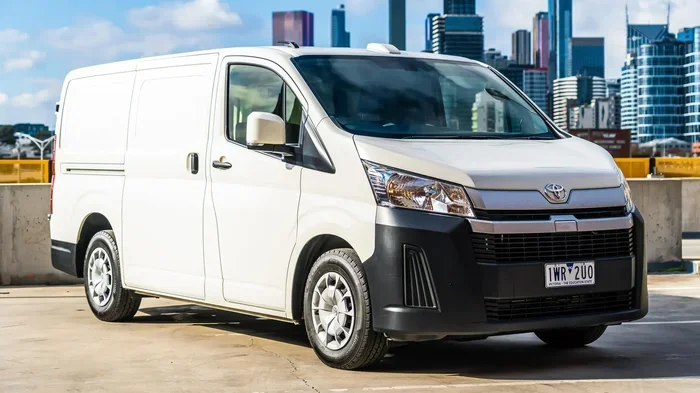
Before we dive into the reasons it is not sold in the US, let us talk about what the HiAce actually is. The Toyota HiAce is a light commercial van that was first introduced in 1967. It has gone through many generations over the decades. Today, it is used as a cargo van, a passenger van, a shuttle bus, and even an ambulance in many countries.
The HiAce is incredibly popular around the world for a few key reasons:
- Reliability: Toyota built a reputation for making vehicles that last. The HiAce is no exception. Many owners report hundreds of thousands of miles with minimal issues.
- Versatility: It comes in many configurations. You can get a short wheelbase or a long wheelbase. You can choose between a cargo van, a passenger van, or a combo of both.
- Affordability: Compared to similar vans in other markets, the HiAce is often priced very competitively.
- Diesel Power: Most HiAce models come with diesel engines. These engines are known for fuel efficiency and long life, which is perfect for commercial use.
- Global Availability: The HiAce is sold in over 80 countries. It is one of the most widely distributed commercial vans on the planet.
Given all of these strengths, it is easy to see why Americans might be interested in the HiAce. Small business owners, shuttle operators, and van enthusiasts all see value in what this vehicle offers. But the gap between global popularity and US availability comes down to a set of very specific barriers.
The HiAce’s Global Presence
The HiAce holds a special place in many markets. In Japan, it is a workhorse for small businesses. In Southeast Asia, it is a common public transit vehicle. In the Middle East, it serves as a comfortable people mover. Its cab-over engine design gives it a tight turning radius and maximizes cargo space. This design is common in commercial vans but rare in the US market.
The Regulatory Hurdles Blocking HiAce Imports
The biggest reason the HiAce is not sold in the US is regulation. The United States has some of the strictest vehicle import and safety laws in the world. These laws were designed to protect consumers, but they also create massive barriers for foreign vehicles.
Federal Motor Vehicle Safety Standards
Every vehicle sold new in the US must meet Federal Motor Vehicle Safety Standards, or FMVSS. These standards are set by the National Highway Traffic Safety Administration, or NHTSA. They cover things like crash testing, seat belt requirements, lighting, and structural integrity.
The HiAce was designed primarily for markets with different safety expectations. It may not meet every FMVSS requirement without significant modifications. Here are some specific areas where the HiAce could fall short:
- Crash test ratings: The HiAce has not been tested under US crash test protocols.
- Seat belt anchorage: The seating configurations in many HiAce models may not match US requirements.
- Lighting standards: Headlight beam patterns and taillight designs often differ between the HiAce and US-legal vehicles.
- Windshield and mirror requirements: These components must meet specific US regulations that the HiAce may not satisfy.
Meeting all of these standards would require Toyota to invest a lot of money. And that leads us to the next point.
Importation Rules for Personal Use
You might be thinking, “Can I just import a HiAce myself?” The short answer is: it is very difficult. Under US customs and import laws, vehicles that are older than 25 years can be imported without meeting FMVSS. But any vehicle newer than 25 years must comply with all relevant safety and emissions standards.
This means that if you wanted to buy a brand-new HiAce from a foreign dealer and bring it to the US, you would face a long and expensive process. You would need to have the vehicle modified to meet every applicable federal standard. For most people, this is simply not practical.
Emissions Standards and the Diesel Problem
Another major factor is the HiAce’s reliance on diesel engines. The US has some of the strictest emissions standards in the world, and diesel vehicles face particularly heavy scrutiny.
EPA Certification Requirements
The Environmental Protection Agency, or EPA, regulates vehicle emissions in the United States. Any vehicle sold new in the US must be certified by the EPA. This means the vehicle must pass rigorous testing for exhaust emissions, including nitrogen oxides, particulate matter, and carbon monoxide.
Most HiAce models are sold with diesel engines. While diesel engines are efficient and durable, they produce higher levels of certain pollutants compared to gasoline engines. Getting a diesel HiAce certified by the EPA would be a costly and time-consuming process for Toyota.
Here are some key facts about EPA certification:
- Testing is expensive: Each vehicle model must undergo extensive emissions testing.
- Standards are strict: The EPA’s Tier 3 emissions standards are among the toughest in the world.
- Diesel is declining: US consumer interest in diesel passenger vehicles has dropped significantly in recent years.
Why Diesel Matters for the HiAce
The HiAce is fundamentally a diesel-powered vehicle in most markets. Diesel engines give it the torque and fuel economy needed for heavy commercial use. But in the US, diesel passenger vehicles have struggled to find a market. Volkswagen’s diesel scandal in 2015 damaged consumer trust in diesel technology. Combined with the rise of hybrid and electric vehicles, diesel has become a tough sell in the American market.
Toyota has chosen to focus its US efforts on gasoline, hybrid, and electric vehicles. The HiAce does not fit neatly into that strategy.
Market Strategy: Why Toyota Chose Not to Sell It
Even if the regulatory hurdles could be overcome, Toyota has made a deliberate business decision not to sell the HiAce in the US. This decision comes down to market analysis, consumer preferences, and competition.
US Consumer Preferences
American consumers have different preferences when it comes to vans and commercial vehicles. The US market has its own set of popular vans, including the Ford Transit, the Ram ProMaster, and the Mercedes-Benz Sprinter. These vehicles are designed with American buyers in mind.
Here is how the HiAce compares to some of the most popular US vans:
| Feature | Toyota HiAce | Ford Transit | Ram ProMaster |
|---|---|---|---|
| Engine Options | Diesel为主 | Gasoline, Diesel, Electric | Gasoline, Diesel |
| US Availability | Not Available | Widely Available | Widely Available |
| Driving Position | Right-hand drive common | Left-hand drive | Left-hand drive |
| Cargo Volume | Up to 285 cu ft | Up to 487 cu ft | Up to 463 cu ft |
| Starting Price (approx.) | Varies by market | $37,000+ | $38,000+ |
As you can see, the HiAce offers a competitive package. But its right-hand drive options and diesel focus do not align well with US buyer expectations. Most American van buyers want left-hand drive vehicles with gasoline or hybrid powertrains.
Toyota’s US Product Line
Toyota already has a strong presence in the US commercial van segment through the Toyota Sienna minivan and the Tacoma pickup truck. The company has invested heavily in these models and their dealer networks. Adding the HiAce to the US lineup would require additional infrastructure, dealer training, and marketing spend.
Toyota has calculated that the return on investment for bringing the HiAce to the US would not justify the costs. There simply are not enough potential buyers to make it a profitable venture. The company has chosen to focus its resources on models that already sell well in the American market.
The Grey Market and What It Means for US Buyers
Even though the HiAce is not officially sold in the US, some people still manage to get their hands on one. This is known as the grey market. Grey market imports are vehicles that are purchased from foreign dealers and brought into the US through unofficial channels.
What Is the Grey Market?
The grey market refers to the importation of vehicles that are not officially distributed by the manufacturer in a particular country. People who want a specific vehicle that is not available domestically may turn to the grey market as a workaround.
Importing a HiAce through the grey market is possible, but it comes with significant challenges:
- High costs: Shipping, customs duties, and compliance modifications can add thousands of dollars to the purchase price.
- Legal risks: Vehicles that do not meet EPA or NHTSA standards may be seized at the border.
- Lack of warranty: A grey market HiAce would not come with a Toyota warranty in the US.
- Parts and service: Finding replacement parts and qualified mechanics for a non-US HiAce can be difficult and expensive.
25-Year Import Rule
There is one legal shortcut for importing vehicles into the US. The “25-year rule” allows vehicles that are at least 25 years old to be imported without meeting modern safety and emissions standards. This means that older generations of the HiAce can legally be imported and registered in the US.
However, this rule only applies to vintage vehicles. If you want a brand-new or recent-model HiAce, the 25-year rule does not help you. You would still need to go through the expensive and complex process of EPA and NHTSA compliance.
Could the HiAce Ever Come to the US?
It is natural to wonder if the HiAce will ever be officially sold in the US. The short answer is: it is possible, but it would take significant changes. Let us look at some of the factors that could make this happen in the future.
Shifting Regulations
Vehicle regulations are not set in stone. They change over time as technology evolves and consumer needs shift. If the EPA or NHTSA were to relax certain standards, it could open the door for more foreign vehicles, including the HiAce.
However, recent trends suggest the opposite. Emissions standards in the US have been getting stricter, not looser. The push for electric vehicles and stricter fuel economy rules means that diesel-powered commercial vans face an even tougher road ahead.
Growing Demand for Commercial Vans
On the other hand, the US commercial van market has been growing. Small businesses, food truck operators, and delivery services are all looking for versatile and affordable vans. If demand for a vehicle like the HiAce were to increase significantly, Toyota might reconsider its stance.
Some automotive analysts believe that Toyota could introduce a US-specific version of the HiAce. This version would be designed from the ground up to meet American standards. It would feature left-hand drive, gasoline or hybrid powertrains, and US-compliant safety features. But there is no official word from Toyota on this possibility.
What Would It Take?
For the HiAce to be officially sold in the US, several things would need to happen:
- Homologation: Toyota would need to invest in getting the HiAce certified for the US market. This involves extensive testing and modifications.
- Engine changes: The HiAce would likely need to offer gasoline or hybrid engine options to appeal to US buyers.
- Left-hand drive: A US-spec HiAce would need to be built with left-hand drive as the standard configuration.
- Dealer network: Toyota would need to establish a distribution and service network for the HiAce in the US.
- Consumer demand: There would need to be enough demand to justify the investment.
Right now, none of these conditions are in place. But the automotive landscape changes quickly. It is always possible that we could see a HiAce on US soil in the years to come.
Alternatives to the HiAce Available in the US
If you want a van similar to the HiAce but cannot import one, there are several US-legal alternatives worth considering. These vehicles offer many of the same benefits and are readily available at dealerships across the country.
The Ford Transit
The Ford Transit is one of the most popular commercial vans in the US. It offers a huge cargo area, multiple wheelbase options, and a choice of gasoline, diesel, or electric powertrains. It is a direct competitor to what the HiAce would be if it were sold in the US.
The Ram ProMaster
The Ram ProMaster is another strong contender. It features a front-wheel-drive layout, a flat floor, and excellent cargo capacity. It is designed specifically for commercial use and is a favorite among delivery services and tradespeople.
The Mercedes-Benz Sprinter
The Sprinter is the premium option in the US commercial van market. It offers top-notch build quality, advanced technology, and a spacious interior. While it is more expensive than the HiAce, it delivers a similar level of versatility and reliability.
The Toyota Sienna
If you are looking for a Toyota product that is available in the US, the Sienna minivan is worth a look. It is a passenger-focused vehicle, but it shares Toyota’s reputation for reliability. The Sienna is also available as a hybrid, which is a big plus for fuel-conscious buyers.
Key Takeaways
- Regulatory Barriers: The HiAce does not meet US federal safety and emissions standards, which prevents it from being sold officially in the country.
- Diesel Focus: The HiAce is primarily a diesel vehicle, and diesel passenger vehicles face declining popularity and stricter regulations in the US.
- Right-Hand Drive: Many HiAce models are built with right-hand drive, which does not suit American driving conditions and preferences.
- Toyota’s Business Decision: Toyota has chosen to focus on models that already sell well in the US rather than invest in bringing the HiAce to market.
- Grey Market Is Costly: Importing a HiAce through unofficial channels is expensive, risky, and often impractical for most buyers.
- Future Possibility: While it is possible the HiAce could come to the US someday, there are no current plans from Toyota to do so.
- Strong Alternatives Exist: The Ford Transit, Ram ProMaster, and Mercedes-Benz Sprinter offer similar functionality for US buyers.
Conclusion
The Toyota HiAce is an amazing vehicle. It has earned its reputation as one of the most reliable and versatile commercial vans on the planet. But the reasons why the HiAce is not sold in the US are clear and well-founded. Federal regulations, emissions standards, safety requirements, and Toyota’s own market strategy all play a role in keeping this vehicle off American soil.
The HiAce sold in the US is not a reality today, and it may not be one anytime soon. The regulatory environment is tough, and Toyota has made a calculated decision to focus its resources elsewhere. For now, American buyers who want a van like the HiAce will need to look at the alternatives available in the US market.
That said, the automotive world is always changing. Regulations evolve, consumer preferences shift, and new opportunities emerge. It is not impossible to imagine a future where the HiAce finally makes its way to the US. But for now, the barriers remain firmly in place. If you are a van enthusiast or a small business owner looking for a reliable commercial vehicle, the options available in the US market today are more than capable of getting the job done.
Keep an eye on this space. If Toyota ever decides to bring the HiAce to the US, it will be big news in the automotive world. Until then, we will have to appreciate the HiAce from afar and enjoy the excellent alternatives that are already here.
Frequently Asked Questions
Why is the Toyota HiAce not sold in the US?
The HiAce is not sold in the US because it does not meet federal safety and emissions standards set by NHTSA and the EPA. Additionally, Toyota has chosen not to invest in homologating the vehicle for the American market due to low projected demand.
Can I import a Toyota HiAce into the US?
Yes, you can import a HiAce, but it must comply with EPA and NHTSA regulations if it is less than 25 years old. The process is expensive and requires modifications to meet US standards. Older models over 25 years old can be imported more easily under the federal exemption rule.
Is there a US version of the Toyota HiAce?
No, Toyota has not released a US-specific version of the HiAce. There have been rumors and speculation, but no official announcements have been made regarding a HiAce for the American market.
What is the closest US alternative to the HiAce?
The Ford Transit, Ram ProMaster, and Mercedes-Benz Sprinter are the closest alternatives. They offer similar cargo space, commercial utility, and reliability, though they differ in engine options and driving dynamics.
Will the HiAce ever be sold in the US?
It is possible but unlikely in the near future. Toyota would need to invest significantly in modifying the HiAce to meet US regulations, and there would need to be enough consumer demand to justify the cost. No official plans have been announced.
Why is the HiAce so popular outside the US?
The HiAce is popular globally because of its reliability, versatility, affordability, and diesel efficiency. It is used as a cargo van, passenger van, shuttle bus, and more in over 80 countries, making it one of the most adaptable commercial vehicles in the world.