When Should You Not Wrap Your Car And Ruin Your Paint
Knowing when you should not wrap your car can save thousands in paint repair costs. Wrapping a vehicle with damaged, oxidized, or poorly prepped paint leads to irreversible harm. This guide reveals the critical warning signs and situations where a car wrap does more damage than good.
You love your car. The color is gorgeous. The finish shines like glass. So the idea of wrapping it sounds exciting. Maybe you want a new look. Maybe you want to protect the original paint. Whatever your reason, there is one thing you must know first. Sometimes wrapping a vehicle does more harm than good.
Here is the truth many people overlook. A vinyl wrap is not a magic shield. It does not fix bad paint. In fact, it can make things worse. When you should not wrap your car depends on a few key factors. Your paint condition matters most. The age of your vehicle matters too. And the quality of the installation matters enormously. This guide breaks down every situation where wrapping your car could ruin your paint for good.
Key Takeaways
- Worn or thinning paint: Applying vinyl over a deteriorated clear coat traps moisture and accelerates paint failure.
- Pre-existing damage: Wrapping over scratches, chips, or rust spreads the problem beneath the film.
- Poor surface prep: Skipping proper cleaning and correction guarantees adhesive failure and paint removal.
- Age matters: Older vehicles with original paint may not hold up well to wrap adhesive during removal.
- Chemical sensitivity: Certain paint types and finishes react poorly to wrap adhesives and solvents.
- Professional assessment is key: Always consult a certified detailer before committing to a car wrap.
📑 Table of Contents
- Understanding How Car Wraps Interact With Paint
- When Your Paint Condition Means No Wrap
- Pre-Existing Damage That Rules Out Wrapping
- Vehicle Age and Original Paint Considerations
- Surface Imperfections That Prevent Safe Wrapping
- When the Wrap Process Itself Causes Damage
- Alternatives to Wrapping When Paint Is Not Ready
- How to Know If Your Car Is Ready for a Wrap
- Expert Insights on Paint and Wrap Compatibility
- Common Mistakes People Make Before Wrapping Their Car
- The Cost of Ignoring Warning Signs
- Key Takeaways
- Conclusion
Understanding How Car Wraps Interact With Paint
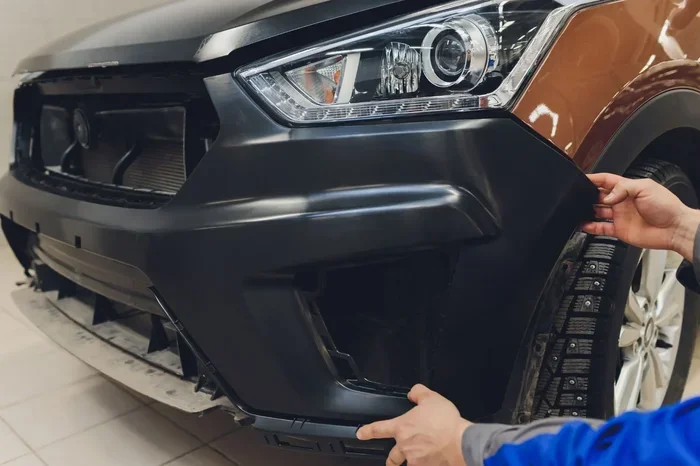
Before we dive into when not to wrap, let us understand how wraps work. A vinyl wrap is essentially a large sticker. It sticks directly to your car’s surface. The adhesive bonds to the clear coat. When applied correctly, a wrap protects the paint underneath. It shields against UV rays, minor scratches, and environmental damage.
But here is the catch. When the wrap comes off, it takes the top layer of your clear coat with it. This is called clear coat delamination. On healthy, thick paint, this is usually not a big deal. The clear coat regenerates or can be corrected. On thin or damaged paint, this removal process strips away what is left. You are left with dull, exposed paint that looks worse than before.
The Science Behind Wrap Adhesion
Wrap adhesive is designed to bond strongly. It grips the surface at a microscopic level. This bond keeps the vinyl looking smooth and tight. But strong adhesion means strong removal force. Professional installers use heat guns and careful techniques to minimize damage. Amateur attempts often pull up paint right along with the wrap.
Think of it like a Band-Aid. Pulling it off slowly and gently causes minimal pain. Yanking it off fast tears everything. The same principle applies to your car’s paint surface. The condition of your paint determines how much damage occurs during wrap removal.
When Your Paint Condition Means No Wrap
This is the most important section of this article. Your paint condition dictates whether a wrap is safe. If your paint has certain problems, wrapping is a terrible idea. Here are the specific conditions that mean you should not wrap your car.
Oxidized Paint
Oxidation happens when paint loses its oils due to sun exposure and environmental contact. The paint looks chalky, dull, and faded. It feels rough to the touch. If you have oxidized paint, a vinyl wrap will lock in the damage. The adhesive bonds to the oxidized layer. When you remove the wrap, the oxidized layer comes off too. Now you have thin, compromised paint that cannot be recovered easily.
Oxidized paint needs correction before any wrapping. A professional paint correction process restores the clear coat. Polishing removes the oxidized layer and reveals fresh paint underneath. Only after correction should you consider a wrap.
Clear Coat Failure
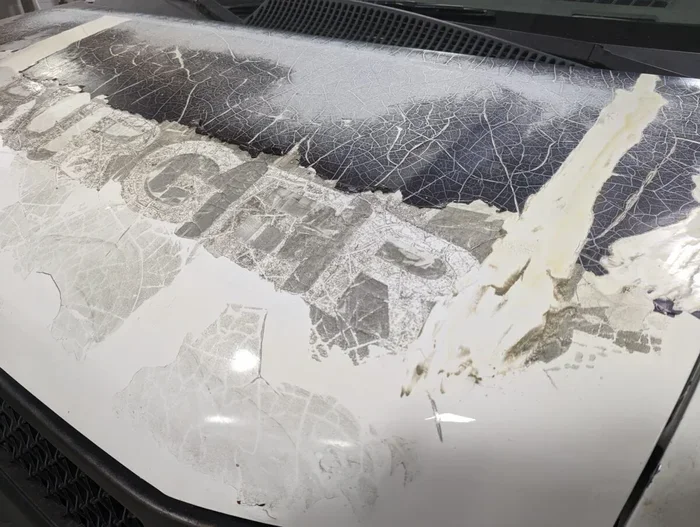
Your car’s clear coat is the protective layer on top of the color coat. When it fails, the paint looks milky, hazy, or shows spider-web-like cracks. This is called clear coat delamination or alligatoring. Wrapping over failing clear coat traps moisture between the vinyl and the damaged surface. This speeds up the deterioration process significantly.
Clear coat failure means your paint is already dying. A wrap will accelerate the death. You need to address the clear coat issue first. This might mean a full paint correction or even a repaint in severe cases.
Thin or Scratched Paint
Older vehicles often have thin paint from years of washing, polishing, and environmental exposure. If your paint is thin, the wrap adhesive can pull it right off during removal. Deep scratches that reach the primer or bare metal are another red flag. Wrapping over scratches traps moisture inside the scratch. This leads to rust formation underneath the wrap.
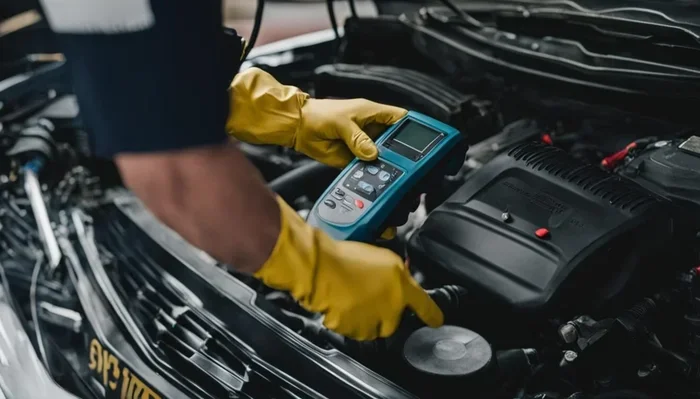
Before wrapping, always check your paint thickness with a paint thickness gauge. A professional detailer can do this for you. If the readings show thin paint, wrapping is a risk you should not take.
Pre-Existing Damage That Rules Out Wrapping
Some forms of paint damage make wrapping completely unsafe. These issues must be fixed first. Here is what to watch out for.
Rust and Corrosion
If your car has any rust spots, do not wrap over them. Rust is an active process. It spreads beneath the vinyl wrap. The wrap creates a moist, dark environment that accelerates rust growth. What starts as a small spot can become a major structural problem hidden under your beautiful new wrap.
Rust must be completely treated before any wrap is applied. This means sanding, treating with a rust converter, and sealing the area. In many cases, the damaged panel needs professional repair first.
Deep Paint Chips and Stone Damage
Stone chips and deep scratches expose the primer or bare metal. Wrapping over these areas seals in moisture and contaminants. Over time, this leads to bubbling, peeling, and further corrosion. The wrap essentially creates a sealed environment for damage to thrive unseen.
If you have stone chips, get them touched up before wrapping. A simple paint pen fix or professional chip repair takes minutes. It saves you from expensive paint damage later.
Previous Paint Repairs or Poor Paint Jobs
Cars with previous bodywork or paint repairs can be tricky. The new paint may not bond the same way as the original factory paint. Wrap adhesive does not stick well to poorly cured or incompatible paint. This leads to edges lifting, bubbling, and premature wrap failure.
Additionally, if the previous paint job used a different type of paint or primer, the wrap adhesive may react chemically. Always disclose any previous paint work to your installer before proceeding.
Vehicle Age and Original Paint Considerations
The age of your vehicle plays a huge role in whether wrapping is safe. Older cars come with unique challenges that many people do not consider.
Classic Cars and Vintage Vehicles
Classic cars often have original paint that has been exposed to decades of elements. The paint chemistry has changed over time. It becomes brittle and less flexible. Modern vinyl wraps are designed for contemporary paint formulas. Applying a wrap to classic car paint can cause cracking, peeling, and irreversible damage during removal.
If you own a classic car, consult a specialist before wrapping. They understand the unique properties of older paint and can advise whether wrapping is safe.
Cars With Original Paint Over 15 Years Old
Even non-classic vehicles over 15 years old deserve caution. The original clear coat on older cars is often much thinner than modern clear coats. Decades of UV exposure have weakened it significantly. Wrapping and removing the wrap could strip what little protection remains.
For older vehicles, consider paint protection film instead. PPF is designed to be removed more gently and offers superior protection without the same level of adhesive bonding risk.
Surface Imperfections That Prevent Safe Wrapping
Your car’s surface needs to be in excellent condition for a wrap to work safely. Even minor imperfections can cause big problems under vinyl.
Surface Contamination
Brake dust, industrial fallout, tree sap, and embedded dirt create a contaminated surface. If the surface is not properly decontaminated before wrapping, the adhesive bonds to the contaminants instead of the paint. This means the wrap will not last as long and removal becomes more destructive.
A professional detailer performs a clay bar treatment and iron removal before wrapping. This ensures a clean, pure surface for the vinyl to bond to. Skipping this step is one of the most common mistakes that leads to paint damage.
Swirl Marks and Fine Scratches
Swirl marks and fine scratches create micro-abrasions on the paint surface. When the wrap is applied, it conforms to these imperfections. During removal, the vinyl catches on these scratches and pulls at the clear coat. Over time, this creates micro-fractures in the clear coat that spread and worsen.
Having a light polish before wrapping smooths the surface. This allows the vinyl to sit evenly and removes safely later. It is a small step that makes a big difference.
When the Wrap Process Itself Causes Damage
Sometimes the problem is not the paint condition but how the wrap is applied. Even on good paint, poor installation causes damage.
Improper Heat Application
Heat guns are essential for conforming wrap to curves and edges. But too much heat scorches the vinyl and transfers heat to the paint. On hot days or thin paint, excessive heat can actually melt or soften the clear coat. This creates permanent damage that cannot be undone.
Always ensure your installer uses heat guns at the correct temperature and keeps them moving constantly. Never let the heat gun sit in one spot.
Aggressive Wrap Removal
When it is time to remove the wrap, the method matters enormously. Pulling the vinyl off quickly and forcefully tears at the clear coat. The right approach uses heat to soften the adhesive and peels the wrap back slowly at a low angle. This minimizes the force on your paint.
If you plan to remove the wrap yourself, do not rush it. Use a heat gun on low, work in small sections, and peel slowly. Better yet, let a professional handle the removal.
Using Harsh Chemicals During Installation
Some installers use harsh chemicals to squeeze out bubbles or help the vinyl conform. These chemicals can react with your paint or strip away the wax and sealant layers that protect it. Over time, this chemical exposure weakens the clear coat and leaves the paint vulnerable.
Ask your installer what products they use. Reputable professionals use wrap-specific soaps and lubricants that are safe for automotive paint.
Alternatives to Wrapping When Paint Is Not Ready
If your paint is not in good enough condition for wrapping, do not worry. You have options. These alternatives protect your car without risking your paint.
Paint Protection Film
PPF, also known as clear bra, is a transparent film applied to the paint. Unlike vinyl wrap, PPF is designed to be removed with minimal impact on the paint. It offers excellent protection against rock chips, scratches, and environmental damage. PPF is the best choice when you want protection but your paint needs time to recover first.
Paint Correction and Detailing
Before wrapping, invest in a professional paint correction. This process removes imperfections and restores the clear coat to its best condition. A corrected surface holds wrap adhesive better and releases more cleanly later. Think of it as preparing a wall before painting. The prep work makes all the difference.
Ceramic Coating as an Alternative
If you just want protection and shine, a ceramic coating might be your best bet. It bonds to the paint at a molecular level and provides long-lasting protection. Ceramic coatings do not require removal and do not carry the same risks as vinyl wraps. They enhance your original paint rather than covering it.
How to Know If Your Car Is Ready for a Wrap
So how do you know if your car is safe to wrap? Here are the signs that your paint is ready:
- Paint thickness readings are within normal range.
- The clear coat looks glossy and feels smooth.
- There are no visible rust spots or bubbling.
- Paint color is even with no major fading.
- The surface has been properly decontaminated and polished.
- A professional detailer has given the paint a clean bill of health.
If your car checks all these boxes, you are likely a good candidate for a vinyl wrap. If not, address the paint issues first. Your future self will thank you when you remove that wrap and your paint still looks amazing.
Expert Insights on Paint and Wrap Compatibility
Professional installers see the damage from bad wrap decisions every day. They have seen paint peeled off, clear coats destroyed, and rust spread under wraps. The consensus among experts is clear. Never wrap a car without assessing the paint first. The cost of a paint assessment is tiny compared to the cost of repainting a damaged panel.
Many wrap shops offer free consultations. Use this opportunity to have your paint evaluated. A good installer will tell you honestly if your car is not ready. They will not take your money if the job will cause damage. This honesty is a sign of a reputable professional.
Common Mistakes People Make Before Wrapping Their Car
Here are the most common errors that lead to paint damage:
- Wrapping over wax or sealant. The wrap does not bond properly and peels prematurely.
- Ignoring small chips and scratches. Small problems become big ones trapped under vinyl.
- Choosing the cheapest installer. Poor installation causes adhesive failure and paint pulling.
- Skipping the pre-wrap paint evaluation. This is the single biggest mistake people make.
- Leaving the wrap on too long. Extended wear increases the risk of adhesive bonding to the clear coat.
- Removing the wrap themselves without proper tools. DIY removal is the leading cause of paint damage from wraps.
Avoiding these mistakes protects your paint and ensures your wrap looks great for years. Take the time to do things right the first time.
The Cost of Ignoring Warning Signs
Let us talk numbers. A quality paint correction costs between $500 and $2000 depending on the vehicle. A professional wrap costs between $2000 and $5000. But repairing paint damage caused by a bad wrap? That can easily cost $3000 to $8000 or more. In severe cases, a full repaint runs $5000 to $15000 per panel.
The math is simple. Invest in paint assessment and correction before wrapping. It saves you thousands of dollars and preserves your vehicle’s value. A car with pristine original paint is worth significantly more than one with wrap damage and repainted panels.
Key Takeaways
- Check your paint condition first: Oxidized, thin, or damaged paint should never be wrapped.
- Address rust and chips before wrapping: Wrapping over these issues traps moisture and accelerates decay.
- Older vehicles need extra caution: Original paint on cars over 15 years old is often too thin for safe wrapping.
- Surface prep is non-negotiable: Proper decontamination and correction ensure safe wrap adhesion and removal.
- Hire a professional installer: Amateur installation is the fastest way to ruin your paint with a wrap.
- Consider PPF or ceramic coating as alternatives: These offer protection without the same removal risks.
- Always get a professional paint assessment: It is a small cost that prevents expensive damage.
Conclusion
Knowing when you should not wrap your car is just as important as knowing when you should. A vinyl wrap can transform your car’s appearance and protect your paint. But applied to the wrong surface, it becomes a paint-destroying machine. The key is honest assessment of your paint’s current condition.
Never wrap over oxidized paint, failing clear coat, rust, or deep chips. Never skip the surface prep. Never choose an unqualified installer. And never remove a wrap aggressively or without professional help. Follow these rules and your car will look stunning with or without a wrap.
Your car’s paint is its first impression. Protect it wisely. Take the time to evaluate, prepare, and choose the right path. When you do, your car will turn heads for years to come with its original paint shining bright underneath.
Frequently Asked Questions
Can I wrap my car if the paint has minor swirl marks?
Minor swirl marks are usually not a dealbreaker. A light polish before wrapping smooths the surface and helps the vinyl adhere properly. However, deep swirl marks that have scratched into the clear coat should be corrected first. Always have a professional evaluate the depth of any swirl marks before wrapping.
How long should I wait to wrap after a fresh paint job?
Wait at least 30 to 90 days after a fresh paint job before wrapping. New paint needs time to fully cure and off-gas. Wrapping too soon traps solvents beneath the vinyl, which causes adhesion failure and paint damage. Your paint shop can tell you the exact cure time for their specific paint system.
Does wrapping a car damage the original paint when removed?
On healthy, thick, well-maintained paint, a wrap should not cause damage during removal. However, on thin, old, or damaged paint, removal can strip the clear coat. The condition of your paint before wrapping determines the outcome. Always have a professional assess your paint first.
Is paint protection film safer than a vinyl wrap for preserving original paint?
Yes, PPF is generally safer for preserving original paint. It is designed for easy removal without damaging the clear coat. PPF also offers superior protection against rock chips and scratches. For vehicles with older or thinner paint, PPF is often the better choice over a vinyl wrap.
What should I do if my wrap has already damaged my paint?
If your wrap has already caused paint damage, stop driving the car if possible. Exposed paint is vulnerable to corrosion. Consult a professional detailer or paint correction specialist immediately. They can assess the damage and recommend a repair plan. Early intervention prevents the damage from worsening and keeps repair costs lower.
Can I wrap a car that has been previously wrapped?
Yes, but only if the previous wrap was removed properly and the paint underneath is in good condition. If the previous wrap caused damage during removal, that damage must be corrected before applying a new wrap. Always inspect the paint thoroughly after removing an old wrap before re-wrapping the vehicle.