Best Adhesive Remover for Cars to Remove Sticker Residue
Sticker residue on your car can be stubborn and frustrating. A quality adhesive remover for cars makes the job quick and safe. You will learn how to pick the right product, avoid common mistakes, and get your car looking clean again. This guide covers top products, proven methods, and expert tips you can use today.
There is nothing worse than seeing a stubborn sticker stuck to your car. You peel it off, and then the sticky mess stays behind. That sticker residue clings to your paint like it refuses to leave. It makes your car look dirty even after a fresh wash. A good adhesive remover for cars solves this problem fast and safely.
Whether you are removing a bumper sticker, a vinyl decal, or old tape marks, the right glue remover for automotive use makes all the difference. But not all products work the same way. Some are too harsh. Some take too long. And some cost way too much. This guide helps you find the best adhesive remover for cars for your needs. You will learn what to look for, which products top the list, and how to use them the right way.
Key Takeaways
- Choose a paint-safe formula: Always pick an adhesive remover for cars that won’t damage your clear coat or paint.
- Heat helps: Using a hair dryer or heat gun softens sticker glue and makes removal much easier.
- Household items work too: Rubbing alcohol, coconut oil, and WD-40 are affordable alternatives to commercial products.
- Act fast: The longer sticker residue sits, the harder it becomes to remove.
- Follow up with wax: After removing adhesive, wax your car to restore protection and shine.
- Avoid harsh scrapers: Never use razor blades or steel wool on your car’s paint.
📑 Table of Contents
- Why Sticker Residue Is a Common Car Problem
- How to Choose the Best Adhesive Remover for Cars
- Top Adhesive Removers for Cars Reviewed
- Step-by-Step Guide to Removing Sticker Residue
- Quick Tips and Common Mistakes
- Expert Insights on Car Adhesive Removal
- How Often Should You Use an Adhesive Remover?
- Final Thoughts on Adhesive Remover for Cars
Why Sticker Residue Is a Common Car Problem
What Causes Sticky Residue on Your Car
Stickers and decals use a strong bonding agent to stick to surfaces. Over time, heat and UV rays break down the adhesive. This makes the glue seep into your car’s clear coat. The result is a cloudy, sticky film that normal washing cannot fix. Vinyl decal adhesive is especially tough because it forms a strong bond with paint and glass.
Bumper stickers are the worst offenders. They sit on your car for months or years. The sun bakes the glue into the paint. When you finally peel them off, the adhesive residue stays behind. Even regular car wash soap cannot dissolve this type of bond. You need a dedicated residue cleaner to break it down.
Why You Should Remove It Promptly
Leaving sticker residue on your car is not just a cosmetic issue. Over time, the adhesive can attract dirt and grime. This creates a dull film that dulls your paint. In some cases, old adhesive can even cause paint discoloration. The longer you wait, the harder it becomes to remove.
Using a paint-safe adhesive remover early prevents long-term damage. It keeps your car looking fresh and protects its resale value. A quick treatment now saves you from a much bigger job later.
How to Choose the Best Adhesive Remover for Cars
Look for Paint-Safe Formulas
The most important thing to check is whether the product is safe for automotive paint. Your car has a clear coat that protects the base color. Harsh chemicals can eat through this layer. They cause swirl marks, discoloration, and even permanent damage. Always choose a car detailing adhesive remover that is labeled clear coat safe.
Read the label carefully. Avoid products that contain acetone or strong solvents unless they specifically state they are safe for car paint. A gentle but effective adhesive dissolver is your best bet.
Consider the Type of Adhesive
Not all adhesives are the same. Some are water-based. Others are oil-based or rubber cement. The type of glue determines which adhesive remover for cars works best. For example, rubbing alcohol adhesive removal works well on water-based glues. But oil-based adhesives need a stronger solvent. Knowing what you are dealing with helps you pick the right product.
Here are the most common types of car adhesives you will encounter:
- Vinyl decal glue – Very strong and durable
- Bumper sticker adhesive – Often rubber-based and stubborn
- Tape residue – Usually easier to remove
- Factory decals – Often use a lighter adhesive
- Rubber gasket adhesive – Needs a heavy-duty remover
Check for Added Protectants
The best adhesive remover for cars does more than just dissolve glue. Some products include wax or sealant in the formula. This adds a layer of protection after you remove the residue. It is a nice bonus that saves you time. Look for products that clean and protect in one step.
Top Adhesive Removers for Cars Reviewed
Goo Gone Automotive Spray
Goo Gone Automotive is one of the most popular adhesive removers for cars on the market. It is specially formulated for automotive use. The spray dissolves sticker glue, tape residue, and adhesive marks without harming your paint. It leaves behind a light citrus scent, which most people enjoy.
You spray it on, let it sit for a few minutes, and wipe it off. It works on both old and fresh residue. Many car detailers recommend this product as a go-to residue cleaner. It is affordable and widely available at auto parts stores and online.
3M Adhesive Residue Remover
3M is a trusted name in automotive care. Their adhesive residue remover is a heavy-duty option. It handles the toughest glue bonds, including old bumper stickers and vinyl decals. The formula is paint-safe when used as directed.
This product comes in a spray bottle with a precision nozzle. It lets you target specific spots without making a mess. It is a bit stronger than Goo Gone, so use it carefully on sensitive areas. Overall, it is one of the best glue removers for automotive surfaces.
WD-40 Multi-Use Product
WD-40 is famous for more than just squeaky hinges. It works surprisingly well as an adhesive remover for cars. The solvent in WD-40 breaks down sticky glue quickly. It is also great for removing grease and grime from your car.
Spray it on the residue, wait a minute or two, and wipe it away. One downside is that WD-40 can strip away existing wax. So you should wax your car after using it. But for a quick and affordable fix, WD-40 is hard to beat.
Chemical Guys Signature Series Orange Degreaser
Chemical Guys makes a premium adhesive dissolver that works on car surfaces. Their orange degreaser is pH-balanced and safe for paint. It cuts through tough adhesive, grease, and sticker residue with ease.
It is a bit pricier than other options, but the quality justifies the cost. It is a favorite among professional car detailers. If you want a top-tier residue cleaner that is gentle on your car, this is a great choice.
Quick Comparison Table
Here is a quick look at how these products compare:
- Goo Gone Automotive: Great for everyday use, easy to apply, affordable
- 3M Residue Remover: Heavy-duty, paint-safe, precise nozzle
- WD-40: Affordable, multi-purpose, strips wax
- Chemical Guys Orange Degreaser: Premium quality, pH-balanced, professional grade
Step-by-Step Guide to Removing Sticker Residue
Method 1: Use Heat to Soften the Glue
Heat is one of the simplest and most effective ways to remove sticker residue. A household hair dryer works perfectly for this. Set it to medium heat and hold it about six inches from the sticker. Move it back and forth for about 30 seconds. The heat softens the vinyl decal adhesive and makes it pliable.
Once the sticker feels warm, use your fingernail or a plastic scraper to lift the edge. Pull it back slowly at a low angle. Most of the sticker should come off in one piece. If some glue remains, move on to the next step.
You can also use a heat gun on a low setting. But be careful. Too much heat can damage your car’s paint or trim. Keep the gun moving and never hold it in one spot.
Method 2: Apply an Adhesive Remover for Cars
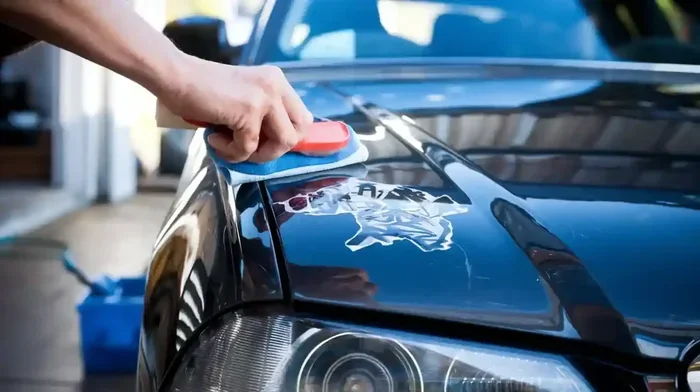
After heat treatment, spray your chosen adhesive remover for cars directly onto the remaining residue. Let it sit for two to three minutes. The solvent needs time to break down the glue. Do not rush this step.
Take a soft microfiber cloth and gently rub the area in circular motions. The residue should start to lift off. If it does not, apply another layer of remover and wait a bit longer. Never scrub aggressively. This can scratch your paint and cause more problems than it solves.
For stubborn spots, let the remover soak for five to ten minutes. Then try again with a fresh cloth. Most sticker residue comes off with patience and the right product.
Method 3: Try Household Alternatives
You do not always need a commercial product. Several household items work well as adhesive removers for cars. Here are some options:
- Rubbing alcohol: Dampen a cloth with isopropyl alcohol and rub the residue gently. It dissolves most glues without harming paint.
- Coconut oil: Apply a small amount to the sticky area. Let it sit for ten minutes, then wipe it off. It works surprisingly well on light residue.
- Peanut butter: This sounds strange, but the oils in peanut butter break down adhesive. Apply a thin layer, wait a few minutes, and wipe clean.
- Baking soda paste: Mix baking soda with water to form a paste. Rub it on the residue with a soft cloth. It acts as a gentle abrasive.
These household methods are great for light to moderate residue. For heavy-duty adhesive, a commercial adhesive remover for cars is still the best choice.
Quick Tips and Common Mistakes
Quick Tips for Best Results
- Always test the remover on a hidden area first. This ensures it will not damage your paint or clear coat.
- Work in a shaded area. Direct sunlight causes removers to dry too quickly.
- Use soft microfiber cloths. They are gentle on paint and do not leave lint behind.
- Apply remover to the cloth, not directly to the car. This gives you more control.
- Wax your car after removing adhesive. This restores the protective layer.
- Be patient. Let the product do the work. Rushing leads to scratches.
Common Mistakes to Avoid
Many people make mistakes when trying to remove sticker residue. Here are the ones you should avoid:
Using a razor blade or steel wool. These tools can scratch your paint deeply. Even with a lubricant, they are too risky for car surfaces. Always use a plastic scraper if you need to lift hard residue.
Using too much force. Scrubbing aggressively does not speed up the process. It damages the clear coat. Gentle, circular motions work best.
Skipping the test spot. Even paint-safe products can react differently on different paints. Always test on a hidden area first.
Not letting the remover sit long enough. Most adhesive dissolvers need time to work. If you wipe too soon, you are just moving the glue around.
Using the wrong product. Not all removers are created equal. A product that works on glass may damage your car’s paint. Always choose a formula designed for automotive use.
Expert Insights on Car Adhesive Removal
Professional car detailers know a few tricks that make adhesive remover for cars work even better. Here are some insights from the experts.
Start with the least aggressive method first. Try heat and a plastic scraper before reaching for chemicals. Many stickers come off with just heat alone. Reserve chemical removers for the stubborn residue that remains.
Work in small sections. Do not spray a large area at once. Apply the remover to one spot, remove the residue, and then move to the next section. This prevents the product from drying before you can wipe it away.
Keep a clay bar handy. After removing adhesive, a clay bar can smooth out any remaining roughness on the paint surface. It is a great finishing step that leaves your paint feeling silky smooth.
Reapply wax or sealant. Any adhesive remover for cars will strip away some of your car’s existing protection. Always follow up with a coat of wax or a ceramic sealant. This restores the barrier and adds shine.
How Often Should You Use an Adhesive Remover?
Most car owners only need to use an adhesive remover for cars a few times a year. New stickers, bumper stickers, and decals are the most common reasons. If you frequently attend events or support causes with car decals, you may need it more often.
Regular maintenance helps. Waxing your car every few months creates a protective layer. This makes future residue easier to remove. A well-maintained clear coat also resists adhesive bonding better than an unprotected one.
Keep a bottle of residue cleaner in your garage or trunk. You never know when you will need to remove a sticker or adhesive mark quickly. Being prepared saves time and prevents the glue from setting in.
Final Thoughts on Adhesive Remover for Cars
Removing sticker residue does not have to be a nightmare. With the right adhesive remover for cars, the job is quick and painless. Whether you choose a commercial product like Goo Gone or a household alternative like rubbing alcohol, the key is to be gentle and patient.
Always prioritize paint-safe formulas. Test on a hidden area first. And never skip the follow-up wax. Your car’s paint deserves the same care you give the rest of your vehicle. A clean, residue-free car not only looks better but also holds its value longer.
Now that you know what works, you can tackle any sticker residue with confidence. Keep the tips from this guide in mind the next time you need to remove an adhesive mark from your car. Your vehicle will thank you for it.
Frequently Asked Questions
Can I use adhesive remover on a car with a matte finish?
Yes, but you need to be extra careful. Matte finishes are more delicate than glossy paint. Always test the adhesive remover for cars on a hidden area first. Use a soft cloth and gentle motions. Avoid products with heavy solvents or strong chemicals. When in doubt, choose a pH-balanced, matte-safe formula.
Will adhesive remover damage my car’s clear coat?
Most paint-safe adhesive removers for cars will not damage your clear coat. However, harsh products or improper use can cause harm. Always check the label for clear coat compatibility. Test on a small hidden area before applying to the entire surface. Follow the product instructions carefully.
How long should I let the adhesive remover sit on the residue?
Most products need two to five minutes to work. Let the adhesive dissolver soak into the glue. If the residue is old or thick, let it sit for up to ten minutes. Do not let the product dry completely on the surface. Reapply if needed and wipe gently with a microfiber cloth.
Can I use WD-40 to remove sticker residue from my car?
Yes, WD-40 works well as a glue remover for automotive surfaces. Spray it on the residue, wait a minute or two, and wipe it off. Just remember that WD-40 can strip away existing wax. So it is best to wax your car after using it. It is a great affordable option for occasional use.
Is it safe to use a heat gun on car paint?
Yes, but with caution. Use a heat gun on the lowest setting and keep it moving. Never hold it in one spot for too long. Excessive heat can damage your car’s paint or melt surrounding trim. A regular hair dryer is a safer alternative for most situations. Use the heat gun only for very stubborn adhesive.
What is the best way to prevent sticker residue from forming?
The best prevention is to remove stickers as soon as possible. The longer a sticker stays on, the harder the adhesive residue becomes to remove. Applying a layer of car wax before putting a sticker on can also help. The wax creates a barrier that makes future removal easier. If you use decals frequently, consider removable adhesive options designed for cars.
=== CONCLUSION ===
A reliable adhesive remover for cars is an essential tool for every car owner. Sticker residue is a common problem, but it is easy to fix with the right approach. Choose a paint-safe adhesive remover, follow the proper steps, and be patient with the process. Whether you prefer a commercial product or a household alternative, the goal is the same: a clean, residue-free car surface.
Remember to always test first, work in small sections, and protect your paint with wax after treatment. Your car will look its best, and the sticker residue will be a thing of the past. Apply these tips today and enjoy a cleaner, sharper-looking vehicle.