Can You Get Smoke Smell Out of a Car Once and For All
Yes, you can get smoke smell out of a car — but it takes the right approach and a bit of patience. Whether the odor came from cigarettes, cigars, or wildfires, this guide covers every method that actually works. From simple household tricks like baking soda and vinegar to professional ozone treatment, we walk you through it all. By the end, you will know exactly how to restore a fresh, clean smell to your car interior for good.
Let us be honest. There is nothing worse than getting into your car and immediately catching a wave of stale smoke smell. Whether you are a former smoker, bought a used car from a smoker, or simply dealt with secondhand smoke exposure, that stubborn odor can make every drive miserable. The good news? Can you get smoke smell out of a car? Absolutely. But it is not always a one-step fix. It requires understanding why the smell sticks so well and using the right combination of techniques. In this guide, we will walk you through every proven method — from simple household hacks to professional-grade solutions. You will learn how to deep clean every surface, which products actually work, and how to keep your car smelling fresh for good.
The truth about smoke odor in car is that it goes way beyond what you can see. Smoke particles are microscopic. They settle into your upholstery, cling to dashboard plastic, and even get trapped inside your ventilation system. A quick spray of air freshener might mask the smell temporarily, but it does nothing to remove the source. That is why we have put together this comprehensive guide. We want you to understand the science behind the odor, explore every removal option, and ultimately choose the method that fits your budget and situation. By the time you finish reading, you will have a clear action plan to make your car smell brand new again.
Key Takeaways
- Smoke smell lingers because particles embed deep in fabric, leather, and plastic surfaces inside your car.
- DIY methods like baking soda, vinegar, and activated charcoal can significantly reduce smoke odor at home.
- Professional treatments such as ozone therapy and steam cleaning offer the most powerful results for stubborn smells.
- Replacing your cabin air filter and thoroughly cleaning all surfaces is essential for lasting freshness.
- Prevention tips like smoking outside and using seat covers help keep your car odor-free long-term.
- Multiple methods combined together work far better than relying on a single solution alone.
- Patience and repetition are key — one treatment may not completely eliminate deep-set smoke residue.
📑 Table of Contents
- Why Smoke Smell Sticks to Your Car So Hard
- DIY Methods to Remove Smoke Smell from Your Car
- Professional Smoke Odor Removal Options
- Preventing Smoke Smell from Returning
- How to Know If the Smoke Smell Is Completely Gone
- Common Mistakes People Make When Trying to Remove Smoke Smell
- Quick Tips for Faster Results
- Comparison Table: DIY vs Professional Smoke Odor Removal
- Final Thoughts: Can You Get Smoke Smell Out of a Car Once and For All?
Why Smoke Smell Sticks to Your Car So Hard
Before jumping into the solutions, it helps to understand the problem. Smoke odor in car interiors is one of the toughest smells to remove, and there is a real scientific reason for that. Cigarette smoke contains thousands of chemical compounds. These tiny particles are called thirdhand smoke residue. They settle on every surface they touch — fabric seats, carpet, headliner, dashboard, and even the inside of your air vents.
Over time, this residue builds up and bonds with the materials. That is why a single cigarette session can leave a noticeable smell for hours. Now imagine months or years of exposure. The particles become deeply embedded. Simply opening a window or using a regular car air freshener will not break that bond. You need methods that actually neutralize the odor at the molecular level or physically remove the contaminated material.
The Role of Your Car’s Interior Materials
Different materials trap smoke odor differently. Cloth and fabric upholstery absorb smoke particles like a sponge. Leather is smoother, but smoke residue still clings to it, especially in the pores. Plastic and vinyl surfaces on your dashboard and doors can develop a greasy film from smoke buildup. Even your carpet and floor mats act as odor reservoirs. This is why car interior cleaning needs to be thorough and multi-step. You cannot just clean one area and expect the whole car to smell fresh.
How Your Car’s Ventilation System Spreads the Smell
Your car’s ventilation system plays a huge role in smoke odor. Every time you turn on the air conditioning or heater, air passes through the cabin air filter and circulates through the ducts. If those components are coated in smoke residue, they will keep spreading the smell every time you use the system. This is one of the most overlooked causes of persistent smoke smell removal challenges. Many people clean the visible surfaces but forget about the air filter and ducts entirely.
DIY Methods to Remove Smoke Smell from Your Car
If you are looking for affordable ways to tackle the problem yourself, you have plenty of options. These DIY smoke odor removal methods use common household items and a few specialty products. They work well for mild to moderate smoke smells. For severe cases, you may need to combine several methods or move on to professional treatment.
Method 1: Deep Cleaning All Fabric and Upholstery
The first step in any smoke smell removal plan is to clean every fabric surface. Start by vacuuming all seats, carpets, and floor mats thoroughly. Use a handheld vacuum with a crevice tool to reach tight spaces between seats and in the trunk. Next, use an upholstery cleaner specifically designed for car interiors. Spray it generously on fabric seats and carpets, then scrub gently with a soft brush. Blot with a clean cloth and let everything dry completely with the windows open.
For a natural option, mix equal parts white vinegar and water in a spray bottle. Lightly mist your fabric surfaces (do not soak them) and wipe down with a microfiber cloth. Vinegar is a natural odor neutralizer that breaks down smoke particles without leaving a strong scent of its own once it dries.
Method 2: Using Baking Soda to Absorb Odors
Baking soda car odor treatment is one of the oldest and most effective tricks in the book. Baking soda is a natural absorber. It pulls odors out of materials instead of just covering them up. Here is how to do it. Sprinkle a generous amount of baking soda all over your car seats, carpet, and floor mats. Let it sit for at least 12 hours — overnight works best. Then vacuum it up thoroughly. You may need to repeat this process two or three times for heavy smoke smells.
Pro tip: For an extra boost, mix baking soda with a few drops of essential oil like lavender or eucalyptus before applying. This adds a pleasant scent while the baking soda does its work. Just make sure the mixture is well blended and not too damp.
Method 3: Cleaning the Dashboard and Hard Surfaces
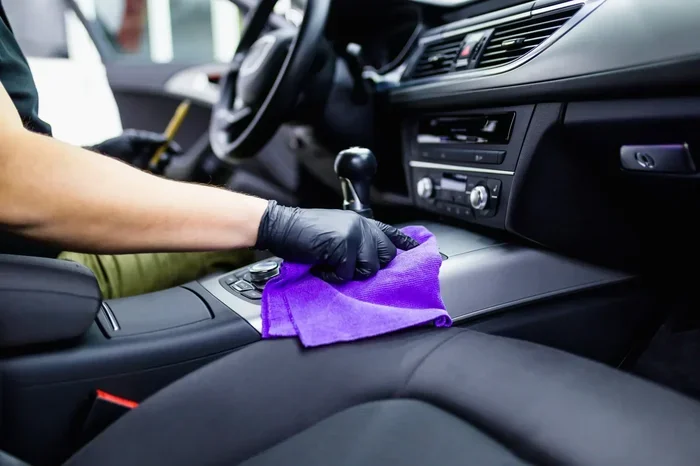
Do not forget about your dashboard, center console, and door panels. These hard plastic and vinyl surfaces collect smoke residue too. Use a dedicated car interior cleaner and a microfiber cloth to wipe down every hard surface. Pay special attention to the areas around your air vents, as smoke particles love to accumulate there. A small brush or cotton swab dipped in cleaner can help you reach the vent slats and crevices around your controls.
After cleaning, you can apply a protectant product to restore the look of your dashboard and prevent future odor absorption. This step also makes your car look and feel brand new again.
Method 4: Activated Charcoal Bags
Activated charcoal is a powerful odor absorber. It works by trapping smoke molecules inside its porous structure. Place several activated charcoal bags inside your car overnight or for a few days. You can find them cheaply online or at pet stores. They are safe, non-toxic, and work silently in the background. Many people use them as a long-term solution to keep their car smelling fresh even after the initial smoke smell is gone.
Method 5: The Coffee Grounds Trick
Fresh coffee grounds are another natural car deodorizer that many people swear by. Place a bowl of dry, fresh coffee grounds in your car overnight. The grounds will absorb a surprising amount of smoke odor. Some people also put coffee grounds in small fabric sachets and place them under each seat. Just be careful not to spill them, as coffee grounds can be messy to clean up.
Professional Smoke Odor Removal Options
When DIY methods are not enough, professional treatment is the way to go. Professional car detailing services have access to industrial-grade equipment and products that are far more powerful than anything you can buy at the store. If your car has heavy smoke damage or a smell that just will not go away, these options are worth considering.
Ozone Treatment for Smoke Odor
Ozone treatment car odor removal is considered the gold standard for eliminating stubborn smoke smells. An ozone generator produces ozone molecules (O3) that aggressively attack and neutralize odor-causing molecules at the source. The process is done inside a sealed car, and the machine runs for one to three hours depending on the severity of the smell.
Ozone treatment is highly effective. It can reach areas that cleaning alone cannot, including inside ductwork and deep within foam cushions. However, it should always be performed by a professional. Ozone is harmful to breathe in high concentrations, so the process requires proper equipment and safety precautions. Most professional detailers offer ozone treatment as a standalone service for around $100 to $250.
Steam Cleaning and Hot Extraction
Steam cleaning car interior is another powerful professional option. High-temperature steam penetrates deep into fabric and carpet fibers, loosening embedded smoke particles and residue. A hot water extraction machine then pulls the dirty water and contaminants out, leaving your upholstery significantly cleaner and fresher.
This method works especially well on cloth seats and carpeted floors. It is also excellent for removing the yellowish stains that heavy smoking can leave on fabric surfaces. Many detail shops bundle steam cleaning with other services for a comprehensive smoke smell removal package.
Chemical Fogging Services
Some professional services use a chemical fogging process. A specialized solution is converted into a fine mist and circulated throughout the car’s interior. The fog reaches every surface, including hard-to-reach areas, and neutralizes smoke odor molecules on contact. This method is similar to what is used in fire damage restoration. It is very effective but should be done by trained professionals using safe, automotive-approved products.
Preventing Smoke Smell from Returning
Once you have successfully removed the smoke smell, you want to make sure it stays gone. Prevention is just as important as the removal process itself. A few smart habits can keep your car interior smelling fresh for months or even years.
Replace Your Cabin Air Filter
Your cabin air filter is one of the most important components when it comes to car odor control. This filter traps dust, pollen, and — yes — smoke particles before they enter your car through the ventilation system. If the filter is old and saturated with smoke residue, it will keep releasing that smell every time you run the air or heat. Replacing it is cheap (usually $15 to $40) and makes a noticeable difference in air quality and smell.
Make Your Car a Smoke-Free Zone
This one might seem obvious, but it is worth stating clearly. If you want to keep smoke smell out of your car for good, do not smoke inside it. Step outside instead. Even a single cigarette inside a closed car can reintroduce smoke particles and undo all your hard work. If you have passengers who smoke, politely ask them to step out as well.
Use Seat Covers and Floor Mats
Protecting your car’s interior is a smart long-term strategy. Seat covers create a barrier between smoke residue and your actual upholstery. They are easy to remove and wash regularly. Similarly, rubber floor mats can be cleaned or replaced easily, preventing smoke particles from embedding deep into your carpet over time. These simple accessories go a long way in maintaining a fresh-smelling car.
Regular Cleaning Routine
Make interior cleaning a regular habit. Vacuum your seats and floors weekly. Wipe down hard surfaces with a car-safe cleaner every few weeks. Rotate and air out your car regularly by parking with the windows cracked open. A consistent cleaning routine prevents odor buildup and keeps your car looking and smelling its best.
How to Know If the Smoke Smell Is Completely Gone
After you have put in the work, how do you know the job is done? You do not want to declare victory too early and then discover the smell creeping back a week later. Here is how to test whether the smoke smell removal was truly successful.
First, give your car a thorough sniff test. Open all the doors for a few minutes, then close them and sit inside. Pay attention to every area — the seats, the carpet, the air vents, and the trunk. Next, turn on your ventilation system and smell the air coming from the vents. If you detect any musty or smoky scent, the job is not fully complete yet.
Another reliable test is the white cloth test. Wipe a clean white cloth across your dashboard, seats, and carpet. If the cloth comes back with a yellowish or grayish residue, there is still smoke buildup present. In that case, repeat your cleaning process on those specific areas. Finally, give it at least 48 hours after your last treatment before making a final judgment. Some odors take time to fully dissipate, and you want to be sure the smell is truly gone before calling it finished.
Common Mistakes People Make When Trying to Remove Smoke Smell
There are several mistakes that people commonly make when tackling smoke odor in car problems. Avoiding these pitfalls can save you time, money, and frustration.
- Relying only on air fresheners. Air fresheners mask odors but do not remove them. In fact, mixing a freshener with smoke can create an even worse smell.
- Skipping the air filter. Many people deep clean the interior but forget to replace the cabin air filter. A dirty filter will keep spreading the smell no matter how much you clean the surfaces.
- Not cleaning the vents. Smoke residue inside air vents is a hidden source of odor. If you skip this step, the smell will return quickly after cleaning.
- Using too much water on fabric. Over-wetting your seats and carpet can lead to mold growth, which creates a whole new set of problems. Always use minimal moisture and let everything dry completely.
- Giving up after one attempt. Heavy smoke damage often requires multiple treatment sessions. Patience and repetition are key to complete smoke smell removal.
Quick Tips for Faster Results
Want to speed up the process? Here are some quick tips that can make a real difference in your smoke smell removal journey.
- Open all windows and doors and let your car air out for at least 30 minutes before you start any cleaning. Fresh air helps release trapped odor molecules.
- Work in sections. Do not try to clean the entire car at once. Focus on one area at a time for the best results.
- Use white vinegar and water solution as a final wipe-down on hard surfaces after cleaning. It helps neutralize any remaining odor.
- Place a box of baking soda under each seat while you sleep. This gives it maximum contact time with the fabric.
- Run your car’s fan on high with the windows down for 15 minutes after cleaning. This helps flush out any lingering particles from the ventilation system.
- Consider using a HEPA air purifier inside your car for a few days after treatment. It captures any remaining airborne smoke particles.
Comparison Table: DIY vs Professional Smoke Odor Removal
| Method | Cost | Effectiveness | Best For |
|---|---|---|---|
| Baking Soda Treatment | $5 – $10 | Mild to moderate smells | Light smoke exposure, maintenance |
| Vinegar Wipe-Down | $3 – $5 | Mild smells, surface-level | Quick freshening between deep cleans |
| Activated Charcoal Bags | $10 – $20 | Moderate smells, ongoing prevention | Long-term odor control, mild cases |
| Upholstery Cleaner + Vacuum | $15 – $30 | Moderate to heavy smells | Regular deep cleaning routine |
| Ozone Treatment (Professional) | $100 – $250 | Very high, even for severe cases | Heavy smoke damage, stubborn odors |
| Steam Cleaning (Professional) | $75 – $200 | High, especially for fabric | Fabric seats, carpet, yellow stains |
| Chemical Fogging (Professional) | $150 – $300 | Very high, reaches hidden areas | Severe smoke damage, insurance claims |
Final Thoughts: Can You Get Smoke Smell Out of a Car Once and For All?
The answer is a definitive yes. Can you get smoke smell out of a car once and for all? With the right combination of cleaning methods, patience, and prevention habits, you can completely eliminate even the most stubborn smoke odor. The key is to be thorough. Do not just clean the visible surfaces. Get into the fabric, the vents, the air filter, and every hidden corner where smoke particles love to hide.
Start with the DIY methods if your budget is tight or the smell is mild. Baking soda, vinegar, activated charcoal, and a good upholstery cleaner can work wonders. If the smell persists or is very strong, do not hesitate to invest in professional treatment. Ozone therapy and steam cleaning are worth every penny when you want guaranteed results.
Remember that prevention is your best long-term strategy. Replace your cabin air filter, keep your car smoke-free, and maintain a regular cleaning routine. These habits will protect your investment and keep your car smelling fresh every time you get behind the wheel. A smoke-free car is not just about comfort — it is about the health of everyone inside the vehicle. Take action today, and enjoy the feeling of driving in a clean, fresh-smelling car once again.
Frequently Asked Questions
How long does it take to get smoke smell out of a car?
The timeline depends on how heavy the smoke exposure is. For mild smells, you can notice improvement within 24 to 48 hours of treatment. For severe or long-term smoke damage, it may take several days of repeated cleaning or one professional ozone treatment session. Patience and consistency are important.
What is the best product for removing smoke smell from a car?
There is no single best product because the most effective approach combines several methods. However, activated charcoal bags, enzymatic odor eliminators, and ozone treatment are widely regarded as the most powerful options. For a budget-friendly start, baking soda and white vinegar work surprisingly well.
Will smoking outside prevent smoke smell from getting into my car?
Smoking outside significantly reduces the amount of smoke that enters your car. However, smoke particles can still cling to your clothes and hair and transfer into the interior. To fully prevent the smell, it is best to avoid smoking before getting into the car and to keep your car a completely smoke-free environment.
Can a car detailer remove smoke smell completely?
Yes, a professional car detailer can remove smoke smell in most cases. Services like ozone treatment, steam cleaning, and chemical fogging are specifically designed to tackle deep-set odors. For the best results, choose a detailer with experience in smoke odor removal and ask about their specific process.
Is it safe to use vinegar inside a car for smoke odor?
Yes, white vinegar is safe and effective for smoke odor removal inside a car. It is a natural acid that breaks down odor-causing molecules. The vinegar smell dissipates as it dries, leaving behind a neutral-smelling interior. Just dilute it with water and use it sparingly to avoid over-wetting fabric surfaces.
How often should I replace my cabin air filter to prevent smoke odor?
For a car that has been exposed to smoke, replacing the cabin air filter as soon as possible is a smart move. After that, replace it every 12,000 to 15,000 miles or as recommended by your vehicle manufacturer. A fresh filter helps keep your car’s air clean and free of lingering smoke particles.
=== CONCLUSION ===
Getting smoke smell out of a car is absolutely achievable when you use the right methods and stay consistent. Whether you choose to tackle it yourself with baking soda, vinegar, and deep cleaning or invest in professional ozone treatment, the key is to address the odor at its source. Do not just mask it — neutralize it. Replace your cabin air filter, clean every surface thoroughly, and make your car a smoke-free zone going forward. With the steps outlined in this guide, you have everything you need to enjoy a fresh, clean-smelling car once and for all.