Can You Go to Jail for Keying a Car and What Happens
Yes, you can go to jail for keying a car. Keying a vehicle is considered vandalism and property damage, which can lead to serious criminal charges ranging from misdemeanors to felonies depending on the damage cost. Legal consequences include fines, restitution, and even jail time, especially when the damage exceeds local thresholds or involves repeat offenses.
Have you ever walked out to your car only to find long, ugly scratches down the side? That sinking feeling in your stomach is something no driver wants to experience. Keying a car is one of the most frustrating forms of property damage you can face. And if you are on the other side, wondering what happens to the person who did it, the question is simple but important: can you go to jail for keying a car?
The short answer is yes. But the full picture is more nuanced than most people realize. The legal consequences depend on several factors, including the cost of damage, your criminal history, and the laws in your state. This guide breaks down everything you need to know about vandalism charges, criminal penalties, insurance claims, and how to handle the aftermath of intentional damage to a vehicle.
Whether you are a victim trying to seek justice or someone facing accusations, understanding the legal landscape is essential. Let us walk through it together in plain, straightforward language.
Key Takeaways
- Keying a car is illegal: It falls under vandalism and intentional property damage laws in most states.
- Jail time is possible: Depending on damage cost and prior record, penalties can range from fines to months or years in prison.
- Misdemeanor vs felony: The severity of charges depends on how much the repair costs exceed state-specific thresholds.
- Civil liability matters: Offenders may also face lawsuits and be ordered to pay full restitution for car damage.
- Insurance can help victims: Filing a claim promptly after a parking lot incident can cover repair costs.
- Juvenile consequences exist: Minors caught keying cars may face different legal paths but still carry lasting records.
- Prevention works: Parking smart and using protective measures can reduce the risk of intentional scratch damage.
📑 Table of Contents
- What Is Keying a Car and Why Does It Matter?
- Can You Go to Jail for Keying a Car?
- Criminal Charges and Penalties by State
- Civil Liability and Insurance After Keying Damage
- How to Report Keying Damage and Build a Strong Case
- Preventing Keying Damage to Your Vehicle
- What Happens If You Are a Minor?
- Common Mistakes People Make After Keying Incidents
- Expert Insights on Vandalism and Vehicle Damage
- Key Takeaways
- Conclusion
What Is Keying a Car and Why Does It Matter?
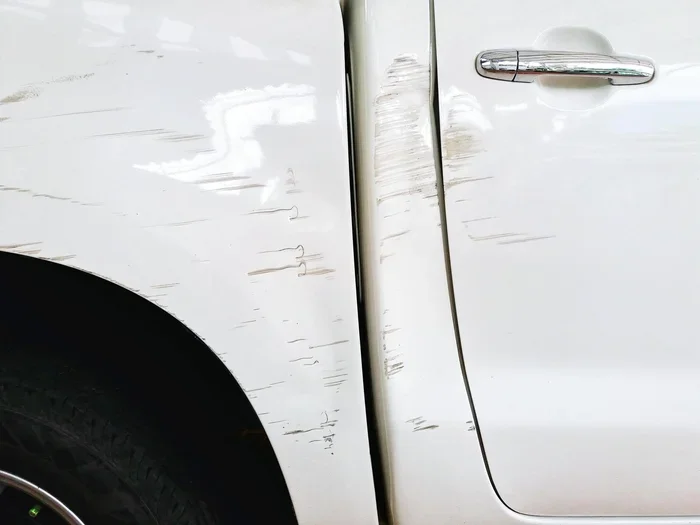
Keying a car means using a sharp object, usually a key, to scratch the paint and metal of a vehicle. It is a deliberate act of damage. And it is not harmless mischief. The scratches can go deep into the clear coat and down to the bare metal. This means expensive repairs and lasting cosmetic problems.
From a legal standpoint, keying a car falls under vandalism laws. Vandalism is the intentional destruction or damage of someone else’s property. Every state in the US has laws against this behavior. The specific charge and penalty depend on how much the damage costs to fix.
The Cost of Repair Matters
When police and prosecutors look at a keying case, the first thing they consider is the repair cost. A minor scratch that only affects the clear coat might cost a few hundred dollars to fix. But deep scratches that reach the primer or bare metal can run into thousands. Some repairs involve full panel replacement and repainting.
Here is a quick look at how repair costs can influence the legal outcome:
- Under $400: Usually treated as a minor infraction or misdemeanor.
- $400 to $1,000: Often classified as a misdemeanor with potential fines and community service.
- Over $1,000: Can be charged as a felony in many states, opening the door to jail time.
- Over $5,000 or more: Felony charges become very likely, and prison sentences become a real possibility.
The exact dollar thresholds vary by state. But the principle stays the same. More damage means harsher consequences.
Can You Go to Jail for Keying a Car?
This is the question most people want answered. And the honest answer is that it depends. Can you go to jail for keying a car? Yes, but it is not automatic. Let us look at the different scenarios that determine whether someone ends up behind bars.
Misdemeanor Charges
In many cases, keying a car results in a misdemeanor charge. This is the most common outcome, especially when the damage is relatively low. A misdemeanor is a less serious criminal offense. But do not let that word fool you. Misdemeanors still carry real consequences.
A typical misdemeanor vandalism charge can result in:
- Fines ranging from $500 to $5,000.
- Up to one year in county jail.
- Probation lasting 12 months or more.
- Community service hours.
- Mandatory restitution to the victim.
For a first-time offender with no prior record, jail time might be avoided. Instead, the court may impose probation and require the offender to pay for all repairs. But even without jail, a misdemeanor stays on your record.
Felony Charges
When the damage is severe, the charge can escalate to a felony. This is where jail time becomes much more likely. Felony vandalism charges apply when the property damage exceeds the state’s felony threshold. In California, for example, damage over $400 can trigger felony charges. Other states set the threshold higher, around $1,000 or $2,500.
Felony penalties for keying a car can include:
- State prison sentences of one to three years or more.
- Fines up to $10,000 or higher.
- A permanent felony record.
- Difficulty finding employment or housing after release.
- Long-term probation with strict conditions.
Repeat offenders face even harsher sentences. If someone has been convicted of vandalism before, prosecutors will push for maximum penalties. The court takes habitual behavior seriously.
Factors That Influence Sentencing
Not all keying cases are treated the same way. Several factors influence whether someone goes to jail and for how long:
- Total cost of damage: Higher repair bills lead to harsher charges.
- Criminal history: Prior convictions make things worse.
- Age of the offender: Juveniles are handled differently than adults.
- Targeted victim: Damaging a business or multiple vehicles can increase charges.
- Method of damage: Using tools other than a key can add charges.
- Remorse and cooperation: Apologizing and paying restitution can help.
Each of these factors plays a role in how a judge decides the sentence. A young first-time offender who shows genuine remorse will likely get a lighter sentence than a repeat offender who shows no regret.
Criminal Charges and Penalties by State
Vandalism laws differ from state to state. Some states call it “criminal mischief,” others call it “malicious trespass,” and some simply use the term “vandalism.” But the core idea is the same. Intentionally damaging someone else’s property is a crime. Here is a closer look at how different states handle keying a car cases.
California
California Penal Code 594 covers vandalism. Damage under $400 is typically a misdemeanor. Damage over $400 can be charged as either a misdemeanor or a felony. The prosecutor decides based on the circumstances. A felony conviction in California can lead to up to three years in state prison.
Texas
Texas classifies criminal mischief based on the value of damage. Under $100 is a Class C misdemeanor with a fine only. Damage over $2,500 but under $30,000 becomes a state jail felony. That means actual jail time is on the table.
New York
New York uses the term “criminal mischief.” Fifth-degree criminal mischief covers damage under $250 and is a misdemeanor. Fourth-degree covers $250 to $1,500. Third-degree kicks in above $1,500 and is a class E felony.
Florida
Florida Statute 806.13 addresses vandalism and criminal mischief. Damage under $200 is a second-degree misdemeanor. Damage over $1,000 is a third-degree felony. Damage over $5,000 is a second-degree felony with significant prison time.
Comparison Table: Vandalism Penalties by State
Here is a side-by-side comparison of how key states handle vandalism cases involving car damage:
- California: Misdemeanor under $400, felony over $400. Up to 3 years prison for felony.
- Texas: Misdemeanor under $100, state jail felony $2,500 to $30,000. Up to 2 years in state jail.
- New York: Misdemeanor under $250, felony over $1,500. Up to 4 years for class E felony.
- Florida: Misdemeanor under $200, felony over $1,000. Up to 5 years for second-degree felony.
- Illinois: Misdemeanor under $500, felony over $10,000. Up to 5 years for class 4 felony.
- Ohio: Misdemeanor under $1,000, felony over $1,000. Up to 18 months for fifth-degree felony.
As you can see, the penalties vary widely. But every state treats intentional car damage as a serious offense.
Civil Liability and Insurance After Keying Damage
Criminal charges are only one side of the coin. Victims of keying also have civil options. This means the person who caused the damage can be sued in civil court. The goal is to recover the full cost of repairs and any other losses.
Filing a Civil Lawsuit
If the offender does not pay for the repairs voluntarily, the victim can take legal action. A civil lawsuit for property damage can result in a court order for full restitution. This includes the cost of paint repair, body work, and any loss in vehicle value.
Victims may also be able to claim additional damages, such as:
- Rental car costs while repairs are being made.
- Lost wages if the victim had to take time off work for appointments.
- Emotional distress in extreme cases.
- Diminished resale value of the vehicle.
Insurance Claims for Keying Damage
Most victims will want to file an insurance claim. The type of coverage that applies here is comprehensive coverage or collision coverage, depending on the policy. Comprehensive coverage typically covers vandalism, including scratch damage from keying.
Here is what victims should know about the insurance process:
- File the claim as soon as possible after discovering the damage.
- Take clear photos of all scratches before any repairs begin.
- Get a police report. This is essential for the insurance claim.
- Get written estimates from at least two auto repair shops.
- Be aware that filing a claim may increase insurance premiums.
- If the repair cost is below the deductible, it may not be worth filing a claim.
Insurance companies investigate vandalism claims carefully. They want to confirm that the damage was intentional and not self-inflicted. Having a police report and clear photos strengthens the claim significantly.
How to Report Keying Damage and Build a Strong Case
If your car has been keyed, taking the right steps immediately can make a big difference. The faster you act, the stronger your case becomes. Here is a clear roadmap for victims.
Step 1: Document Everything
Before you touch anything, take photos. Photograph every scratch from multiple angles. Capture the full length of each mark. Include close-up shots that show how deep the scratches go. Also photograph the surrounding area to show the context, like where your car was parked.
Step 2: Check for Surveillance Cameras
If this happened in a parking lot, look for security cameras. Businesses, parking garages, and apartment complexes often have cameras. Ask the property manager or store owner if they have footage. This can be crucial evidence that identifies the person responsible.
Step 3: File a Police Report
Go to your local police department and file a report. This creates an official record of the incident. The report number is essential for your insurance claim. When filing the report, provide all the photos and any information you have about potential suspects.
Step 4: Get Repair Estimates
Visit at least two reputable auto body shops. Get written estimates for the cost of repairs. These estimates serve as proof of the financial impact. They also help prosecutors understand the severity of the damage.
Step 5: Contact Your Insurance Company
Notify your insurance provider about the incident. Provide them with the police report number, photos, and repair estimates. Your insurer will guide you through the claims process and explain what your policy covers.
Quick Tips for Victims
- Do not attempt to confront the person who damaged your car.
- Keep all receipts related to repairs and temporary transportation.
- Save all communication with insurance companies and police.
- Consider parking in well-lit, monitored areas going forward.
- Ask your insurance company about paintless dent repair options, which can be faster and cheaper.
Preventing Keying Damage to Your Vehicle
While you cannot control other people’s behavior, you can take steps to reduce the risk of scratch damage to your car. Prevention is always better than dealing with the aftermath.
Parking Strategies
Where you park matters. Choose well-lit areas whenever possible. Avoid spots near high-traffic areas where people walk close to your car. Parking near building entrances or security offices adds a layer of protection. In parking garages, stay close to the entrance or security booth.
Protective Measures
Consider investing in protective solutions for your vehicle:
- Paint protection film: A clear, durable film applied to vulnerable panels like doors and bumpers.
- Ceramic coating: Adds a layer of protection that can help minimize scratch depth.
- Car covers: A high-quality cover can prevent casual scratches when parked at home.
- Dashcam or security camera: A wide-angle camera pointed at your parking spot can deter vandals and capture evidence.
None of these methods guarantee 100% protection. But they significantly reduce the risk and can save you from the headache of dealing with intentional damage.
What Happens If You Are a Minor?
Juvenile vandalism charges are handled differently than adult cases. If a teenager is caught keying a car, they typically go through the juvenile justice system rather than the adult criminal system. The focus shifts from punishment to rehabilitation.
However, this does not mean there are no consequences. Minors can face detention, community service, counseling, and restitution orders. In serious cases, a juvenile can be tried as an adult, especially if the damage is extensive or there is a pattern of behavior.
Parents may also be held financially responsible for their minor child’s actions. This means they could be ordered to pay for all repairs out of pocket. Some parents also face liability for their child’s behavior under certain state laws.
The long-term impact of a juvenile record can follow a young person into adulthood. It can affect college applications, employment opportunities, and more. This is why early intervention and education about the consequences of intentional damage is so important.
Common Mistakes People Make After Keying Incidents
Whether you are a victim or someone accused of keying a car, certain mistakes can make a bad situation worse. Here are the most common ones to avoid:
- Delaying the report: Waiting too long to file a police report weakens your case. Do it immediately.
- Admitting guilt without legal advice: If you are accused, do not confess or make statements to police without an attorney present.
- Ignoring repair estimates: Getting repairs done quickly without documenting the damage first can hurt your insurance claim.
- Talking to the other party directly: Communication should go through lawyers or insurance companies.
- Assuming insurance covers everything: Check your deductible and policy limits before assuming full coverage.
- Dismissing the emotional impact: Vandalism causes real stress and frustration. Do not ignore the emotional toll it takes.
Expert Insights on Vandalism and Vehicle Damage
Criminal defense attorneys and insurance professionals agree on one thing: keying a car is taken seriously by the legal system. According to legal experts, the trend in recent years has been toward stricter enforcement of vandalism laws, especially in areas with high rates of vehicle damage.
Insurance adjusters also note that keying damage is one of the most common forms of vandalism claims they handle. The average repair cost for a keyed car ranges from $150 for minor scratches to $5,000 or more for deep damage affecting multiple panels. In extreme cases, where the damage goes down to the frame, costs can exceed $10,000.
Prosecutors emphasize that keying is not a victimless crime. It causes financial stress, emotional distress, and a significant inconvenience for the vehicle owner. The legal system reflects this understanding through the range of penalties available.
Key Takeaways
- Keying a car is a criminal offense: It is classified as vandalism and intentional property damage under the law.
- Jail time is a real possibility: Depending on damage cost and circumstances, offenders can face misdemeanor or felony charges that carry prison sentences.
- Repair costs drive the severity: The dollar amount of damage directly influences whether charges are misdemeanors or felonies.
- Victims have multiple legal paths: Criminal prosecution and civil lawsuits can both provide justice and compensation.
- Insurance plays a key role: Comprehensive coverage helps victims recover repair costs, but filing claims has trade-offs.
- Prevention reduces risk: Smart parking and protective measures can help avoid becoming a victim of keying.
- Consequences follow you: A criminal record for vandalism affects employment, housing, and future opportunities.
Conclusion
Can you go to jail for keying a car? The answer is a clear and definitive yes. Keying a car is not a harmless prank. It is a serious crime with real legal consequences. From misdemeanor fines to felony prison sentences, the penalties reflect the intentional nature of the damage. Victims face not just the cost of repairs but also the emotional burden of having their property violated.
Understanding the legal framework around vandalism charges helps both victims and offenders navigate the situation more effectively. If you are a victim, documenting the damage, filing a police report, and working with your insurance company are the most important steps. If you are facing accusations, seeking legal counsel immediately is critical to protecting your rights.
The bottom line is simple. Keying a car causes real harm, and the law treats it accordingly. Whether you are dealing with the aftermath of a parking lot incident or trying to understand the consequences of a bad decision, knowledge is your best tool. Take the steps to protect yourself, your property, and your future.
Drive smart, park smart, and always remember that intentional damage to someone else’s property carries serious and lasting consequences.
Frequently Asked Questions
What is the penalty for keying a car?
The penalty depends on the damage cost and your criminal history. Minor damage may result in fines and community service. Severe damage can lead to felony charges, jail time of up to several years, and mandatory restitution. Each state has its own sentencing guidelines that determine the exact penalty.
Will insurance cover keying damage to my car?
Yes, if you have comprehensive or collision coverage. Most auto insurance policies cover vandalism, including keying. However, you will need to pay your deductible first. If the repair cost is below your deductible, you may need to pay out of pocket. Filing a claim can also affect your future premiums.
Can a minor go to jail for keying a car?
Minors typically go through the juvenile justice system rather than adult court. They may face detention, community service, counseling, and restitution. In serious cases or for repeat offenders, a minor can be tried as an adult, which could result in actual jail time. Parents may also be held financially responsible.
How much does it cost to repair a keyed car?
Repair costs vary widely. Minor scratches that only affect the clear coat may cost $150 to $300. Deeper scratches that reach the primer can cost $500 to $1,500. Damage affecting multiple panels or going down to bare metal can run $2,000 to $5,000 or more. Full panel replacement and repainting pushes costs even higher.
What should I do immediately after discovering my car has been keyed?
First, take clear photos of all the damage from multiple angles. Next, check for nearby surveillance cameras. Then, go to your local police station and file a report. After that, contact your insurance company and get written repair estimates from auto body shops. Acting quickly strengthens both your criminal and insurance claims.
Can I sue someone for keying my car even if they are not caught?
You can only sue someone if you can identify them. If the police identify the offender through surveillance footage or other evidence, you can pursue a civil lawsuit for damages. Without a named defendant, a civil case cannot proceed. This is why filing a police report and gathering evidence is so important.