The Best Car Air Conditioning Tools for Every Driver
Car air conditioning tools help you fix, recharge, and maintain your vehicle’s cooling system with ease. Whether you are a DIY mechanic or just want to understand what your mechanic uses, this guide covers everything you need to know about car air conditioning tools. We reviewed the top tools, shared expert tips, and explained how to pick the right gear for your car.
Every driver knows the frustration of climbing into a hot car on a summer day. The air conditioning system is one of the most important features in any vehicle. Yet most people never think about the tools that keep it running smoothly. Car air conditioning tools are the behind-the-scenes heroes that make cold air possible.
Whether you want to do basic maintenance yourself or simply understand what your mechanic is working on, knowing about these tools is valuable. This guide covers everything from basic recharge kits to professional-grade diagnostic equipment. We will walk you through each tool, explain what it does, and help you decide which ones you actually need. By the end, you will feel confident about your car air conditioning tools knowledge and ready to tackle simple repairs.
The world of automotive air conditioning can feel overwhelming at first. There are many different tools, each designed for a specific job. But here is the good news: you do not need to be a professional mechanic to understand them. With a little guidance, anyone can learn how these tools work and why they matter. Let us dive in and explore the best car air conditioning tools on the market today.
Key Takeaways
- AC recharge kits are a must-have: They let you top off refrigerant fast and safely at home.
- Manifold gauge sets are essential for diagnostics: They measure pressure to find leaks and blockages.
- Leak detectors save time and money: They pinpoint exactly where your AC system is losing refrigerant.
- Evacuators remove old refrigerant properly: They prepare your system for a clean recharge.
- Choosing the right tools depends on your skill level: Beginners need simple kits, while pros require advanced equipment.
- Regular AC maintenance extends system life: Using the right car air conditioning tools keeps your car cool for years.
- Safety matters: Always follow manufacturer guidelines when handling refrigerant and AC components.
📑 Table of Contents
What Are Car Air Conditioning Tools?
Car air conditioning tools are specialized devices used to service, repair, and maintain a vehicle’s cooling system. Your car’s AC system uses refrigerant, compressors, condensers, and valves to cool the cabin. Over time, these parts can wear out, leak, or lose efficiency. That is where the right tools come in.
These tools range from simple DIY kits you can use at home to advanced professional equipment found in repair shops. The basic car AC repair tools help you recharge refrigerant, check pressure levels, and find leaks. More advanced AC service tools allow technicians to fully evacuate, flush, and rebuild a system from scratch.
Understanding what each tool does is the first step toward better car cooling system maintenance. You do not need to buy every tool on the market. Instead, focus on the ones that match your needs and skill level. A quality AC recharge kit is a great starting point for most drivers. Let us look at the most important tools in more detail.
How Your Car AC System Works
Before we get into the tools, it helps to understand the basics. Your car’s automotive HVAC system works in a cycle. The AC compressor pumps refrigerant through the system. The refrigerant absorbs heat from inside the car. Then it releases that heat outside through the AC condenser. A thermal expansion valve controls the flow of refrigerant into the evaporator. Finally, the evaporator cools the air that blows into your cabin.
Each of these parts can develop problems over time. Seals wear out. Lines get clogged. The compressor loses power. Car air conditioning tools help you diagnose and fix these issues. They give you the power to keep your cooling system running at its best.
Essential Car AC Tools Every Driver Should Own
Not everyone needs a full professional toolkit. But every driver should have access to a few key car air conditioning tools. These basics will help you handle common AC problems and keep your system in good shape.
AC Recharge Kit
An AC recharge kit is the most popular tool for DIY car owners. It lets you add refrigerant to your system quickly. Most kits come with a can of refrigerant, a hose, and a gauge. You simply connect the hose to your car’s service port and add the refrigerant.
Recharge kits are affordable and easy to use. They are perfect for when your AC blows warm air after a long winter. However, a recharge kit does not fix leaks. It only tops off the refrigerant level. If your system loses refrigerant frequently, you need to find and fix the leak first.
AC Manifold Gauge Set
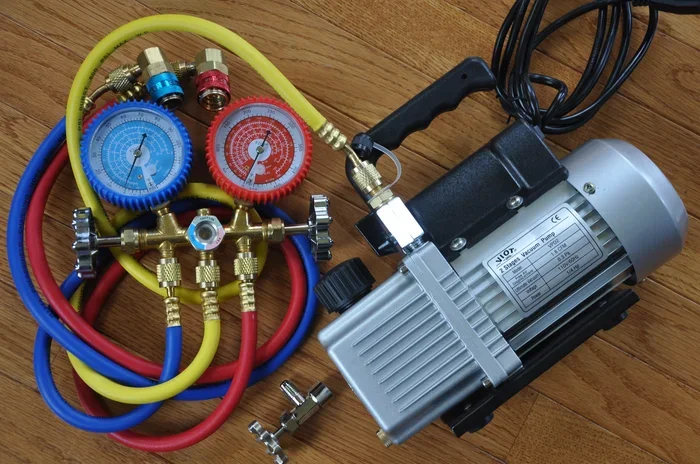
A manifold gauge set is one of the most important diagnostic tools in automotive air conditioning. It measures the pressure on both the high and low sides of your AC system. By reading these pressures, you can identify problems like low refrigerant, blockages, or a failing compressor.
Most AC manifold gauges come with color-coded hoses. The blue hose connects to the low-pressure port. The red hose connects to the high-pressure port. The yellow hose connects to the refrigerant source or evacuation equipment. Learning to read these gauges takes a little practice, but it is a valuable skill for any car owner.
Refrigerant Leak Detector
A refrigerant leak detector is a tool that finds where your AC system is losing refrigerant. Leaks are the number one cause of AC problems. Without a leak detector, you might add refrigerant over and over without ever fixing the real issue.
Modern leak detectors are very sensitive. They can find even tiny leaks in hoses, seals, and connections. Some detectors use ultraviolet dye, while others use electronic sensors. Either type is a great addition to your car air conditioning tools collection.
AC Evacuator (Vacuum Pump)
An AC evacuator removes air and moisture from your AC system before you add new refrigerant. This step is critical because moisture can damage the system and reduce cooling performance. A vacuum pump pulls a deep vacuum on the system and holds it for a set period.
If the vacuum holds steady, your system is ready for refrigerant. If it leaks down, you have a problem that needs fixing first. AC evacuators are more common in professional shops, but portable models are now available for home use.
AC Pressure Test Kit
An AC pressure test kit helps you check for leaks without using refrigerant. Instead, you fill the system with a colored dye or nitrogen and watch for drops in pressure. This is a safe and effective way to diagnose leaks before you commit to a full repair.
Pressure test kits are especially useful for older vehicles with known leak issues. They save money by helping you identify exactly where the problem is before you start replacing parts.
Best Car Air Conditioning Tools for DIY Repairs
Doing your own car AC repair can save you hundreds of dollars in labor costs. But you need the right tools to get the job done safely and effectively. Here are some of the best car air conditioning tools for DIY enthusiasts.
Top Picks for Beginners
If you are new to car maintenance, start with a basic AC recharge kit and a handheld leak detector. These two tools will handle about 80% of common AC problems. A simple AC manifold gauge set is also worth adding once you feel comfortable reading pressure values.
Many beginner kits come with everything you need in one box. They include refrigerant, gauges, hoses, and leak detection dye. Look for kits that are compatible with your vehicle type. Some kits are designed for older cars with R-134a refrigerant, while others work with newer R-1234yf systems.
Top Picks for Intermediate Users
Once you have basic tools, consider adding an AC evacuator and a pressure test kit. These tools let you do more advanced work, like fully servicing a system or flushing old refrigerant. You can also pick up a refrigerant scale to measure exactly how much refrigerant you are adding.
Intermediate users should also invest in quality AC manifold gauges from a reputable brand. Better gauges give more accurate readings, which leads to better diagnostics. Look for digital gauges if your budget allows, as they are easier to read and more precise.
Top Picks for Advanced DIYers
For those who want professional-level capability at home, consider a full AC service machine. These units combine evacuation, charging, and recycling in one device. They are a big investment but incredibly powerful for serious car enthusiasts.
Advanced users should also have a refrigerant recovery machine. This tool captures old refrigerant so it can be recycled or disposed of properly. Handling refrigerant without proper equipment can harm the environment and violate local regulations.
Comparison Table: Best Car Air Conditioning Tools by Skill Level
| Skill Level | Essential Tools | Recommended Brands | Price Range |
|---|---|---|---|
| Beginner | Recharge kit, leak detector | AC Pro, Interdynamics | $30 – $80 |
| Intermediate | Manifold gauges, evacuator, pressure test kit | Yellow Jacket, Fieldpiece | $150 – $400 |
| Advanced | Service machine, recovery unit, digital gauges | Bartlett, Robinair | $500 – $2000+ |
How to Choose the Right Car Air Conditioning Tools
With so many options available, choosing the right car air conditioning tools can be tricky. Here are some factors to consider before you buy.
Know Your Vehicle
Different vehicles use different refrigerants and have different service ports. Check your owner’s manual before purchasing any tools. Older cars typically use R-134a refrigerant, while newer models may use R-1234yf. Using the wrong refrigerant can damage your system and is illegal in many areas.
Consider Your Skill Level
Be honest about your experience level. A professional-grade AC service machine is overkill if you only need to top off refrigerant once a year. Start simple and build your toolkit as your confidence grows. There is no shame in using a basic AC recharge kit for simple jobs.
Check Compatibility
Make sure your tools are compatible with your vehicle’s make and model. Some car AC repair tools come with adapters for different service port sizes. Universal kits offer more flexibility but may not fit as snugly as vehicle-specific tools.
Read Reviews
Before buying any car air conditioning tools, read reviews from other users. Look for feedback on accuracy, durability, and ease of use. Websites and forums dedicated to DIY car repair are great sources of honest opinions. Pay attention to comments about gauge accuracy and hose quality.
Set a Budget
Car air conditioning tools range from under $30 to over $2000. Set a realistic budget based on how often you plan to use the tools. A basic recharge kit is a low-cost entry point that pays for itself after one DIY service. More advanced tools like manifold gauges and evacuators require a bigger investment but offer much more capability.
Quick Tips for Buying Car AC Tools
- Buy from reputable brands: Quality tools last longer and give more accurate readings.
- Look for warranty coverage: A good warranty protects your investment.
- Start with a starter kit: They bundle the essentials at a lower price.
- Check for updated certifications: Some regions require certified tools for handling refrigerant.
- Prioritize digital gauges: They are easier to read and more accurate than analog ones.
Tips for Maintaining Your Car AC System
Using car air conditioning tools is only part of the equation. Regular maintenance keeps your AC system running smoothly and prevents costly repairs down the road.
Run Your AC Regularly
Even in winter, run your AC for a few minutes each week. This keeps the compressor lubricated and prevents seals from drying out. A compressor that sits unused for months is more likely to fail when you need it most.
Replace Your Cabin Air Filter
A dirty cabin air filter restricts airflow and reduces cooling performance. Check your filter every few months and replace it when it looks clogged. This simple step makes a big difference in how well your AC works.
Check for Leaks Early
Use a refrigerant leak detector to check for leaks at least once a year. Catching a small leak early prevents it from becoming a major problem. Look for oil residue around hoses and connections, as this often signals a refrigerant leak.
Keep the Condenser Clean
The AC condenser sits in front of your radiator and can get clogged with debris. Bugs, leaves, and dirt can block airflow and reduce cooling efficiency. Hose down the condenser gently during regular car washes to keep it clear.
Common Mistakes to Avoid with Car AC Tools
- Overfilling the system: Too much refrigerant reduces cooling and can damage the compressor.
- Using the wrong refrigerant: Always match the refrigerant type to your vehicle.
- Skipping the evacuation step: Moisture in the system causes corrosion and poor performance.
- Ignoring warning signs: Strange noises or weak airflow mean something is wrong. Address it early.
- Reusing old refrigerant: Always use fresh refrigerant and dispose of old refrigerant properly.
Expert Insights on Car AC Maintenance
Professional technicians agree that regular maintenance is the key to a long-lasting AC system. According to automotive experts, most car air conditioning tools are designed to make routine service easier. The biggest mistake DIYers make is rushing the process. Take your time, follow the steps carefully, and do not skip the evacuation phase.
Experts also emphasize the importance of proper refrigerant handling. Refrigerant is harmful to the environment and should never be vented into the air. Always use a refrigerant recovery machine or take your vehicle to a certified shop for refrigerant removal and replacement.
One more tip from the pros: keep a car AC troubleshooting guide in your glove box. When something goes wrong, you can quickly check common causes and decide whether you need a tool or a professional mechanic. This saves time and money in the long run.
Common Car AC Problems and How Tools Help
Understanding common car cooling system problems helps you know which car air conditioning tools to use. Here are the most frequent issues drivers face and how the right tools can solve them.
Weak Airflow
Weak airflow often comes from a clogged cabin filter or a failing blower motor. Use a pressure test kit to check system pressure. If pressure is normal, the problem is likely in the blower or ductwork rather than the refrigerant system.
Warm Air Instead of Cold
Warm air is the most common AC complaint. Start with a refrigerant leak detector to check for leaks. Then use AC manifold gauges to measure pressure. Low pressure usually means low refrigerant, which a recharge kit can fix. High pressure on both sides may indicate a blockage or a failing condenser.
Strange Noises
Grinding or squealing noises often point to a worn AC compressor. Use your gauges to check pressure and listen for unusual sounds when the AC is running. If the compressor is failing, it may need professional replacement. However, a car AC repair kit can help you rule out simpler causes first.
Foul Smells from the Vents
Musty smells usually come from mold or bacteria buildup in the evaporator case. This is not a refrigerant issue, so car air conditioning tools for pressure testing will not help. Instead, use an AC cleaning spray designed to kill mold and bacteria in the vent system.
AC Works Then Stops
If your AC blows cold air and then suddenly stops, the problem could be an electrical issue or a low-pressure switch. Use your manifold gauges to check if pressure drops when the AC stops working. A pressure drop indicates a leak that needs to be found and repaired with a leak detector.
Conclusion
Car air conditioning tools are essential for anyone who wants to keep their vehicle cool and comfortable. From basic AC recharge kits to advanced AC service machines, the right tools make all the difference. Whether you are a beginner or a seasoned DIYer, investing in quality car air conditioning tools pays off in saved money and better performance.
Start with the basics: a recharge kit, a leak detector, and a set of manifold gauges. As your skills grow, add more advanced tools like an evacuator and pressure test kit. Regular maintenance with these tools keeps your automotive air conditioning system running strong for years to come.
Remember to always follow safety guidelines when handling refrigerant and AC components. If a repair feels beyond your skill level, do not hesitate to consult a professional. The goal is to keep your car cool and your drives comfortable, no matter how hot it gets outside.
Now that you know the best car air conditioning tools for every driver, it is time to take action. Pick the tools that match your needs, follow the tips in this guide, and enjoy cold air all season long. Your car cooling system will thank you for it.
Frequently Asked Questions
What are the most important car air conditioning tools for a beginner?
For beginners, an AC recharge kit and a handheld refrigerant leak detector are the most important tools. These two items handle the most common AC problems and are easy to use at home. A basic AC manifold gauge set is also a great next step once you feel comfortable with pressure readings.
Can I use any refrigerant with my car air conditioning tools?
No, you must always match the refrigerant type to your vehicle. Older cars use R-134a, while newer models may use R-1234yf. Check your owner’s manual or the label under the hood to confirm the correct type. Using the wrong refrigerant can damage your system and may violate environmental regulations.
How often should I use my car air conditioning tools for maintenance?
You should check your AC system at least once a year, ideally before summer. Use a leak detector to check for leaks and manifold gauges to verify pressure levels. A recharge may be needed if pressure is low. Regular checks prevent small problems from becoming expensive repairs.
Do I need professional-grade tools if I just want to recharge my AC?
No, a basic AC recharge kit is all you need for a simple top-off. These kits are affordable, easy to use, and available at most auto parts stores. Professional-grade tools like evacuators and service machines are only necessary for full system servicing or advanced repairs.
Are digital car air conditioning tools better than analog ones?
Digital tools generally offer more accurate readings and are easier to interpret than analog gauges. They often include additional features like temperature displays and data logging. However, analog gauges are still reliable and tend to be more affordable. Choose based on your budget and how much precision you need.
Is it safe to handle refrigerant with DIY car air conditioning tools?
Handling refrigerant requires caution. Always work in a well-ventilated area and avoid direct contact with skin or eyes. Never vent refrigerant into the air, as it harms the environment. If you are unsure about any step, consult a professional or refer to your tool’s instruction manual carefully.