Car Depreciation Rate Per Year How Fast Cars Lose Value
The car depreciation rate per year is a key factor every car owner should understand. Most new vehicles lose about 20% to 30% of their value in the first year alone. By the end of five years, many cars have shed 60% or more of their original purchase price. Understanding how fast cars lose value helps you make smarter buying, selling, and ownership decisions.
Have you ever bought a brand-new car and watched its value drop the moment you drove it off the lot? It happens to almost every vehicle owner. The car depreciation rate per year is something most people overlook until they try to sell or trade in their vehicle.
Understanding how fast cars lose value is one of the smartest things you can do as a car owner. It affects your monthly payments, your insurance costs, and even your decision about which car to buy in the first place. Whether you are planning to purchase a new vehicle or trying to figure out what your current car is worth, knowing the vehicle depreciation rate gives you a real advantage.
This guide breaks down everything you need to know about how fast cars lose value. We will walk through the numbers, explore the factors that drive depreciation, and share practical tips to help you protect your investment. Let us dive in.
Key Takeaways
- Cars lose value fast: The average car drops 15% to 35% in its first year on the road.
- Year-by-year decline matters: The steepest depreciation happens in the first few years, then slows down.
- Multiple factors drive loss: Mileage, condition, brand reputation, and market demand all play a role.
- Some cars hold value better: Trucks, SUVs, and certain brands depreciate much more slowly than others.
- You can slow depreciation: Regular maintenance, low mileage, and smart purchasing choices help preserve value.
- Depreciation affects your budget: It impacts trade-in value, loan terms, insurance costs, and overall ownership expense.
- Timing your sale is key: Selling at the right moment can save you thousands of dollars.
📑 Table of Contents
- What Is Car Depreciation and Why Does It Matter?
- How Fast Do Cars Lose Value Each Year?
- Car Depreciation Rate by Year: A Closer Look
- Factors That Affect How Fast Your Car Depreciates
- Best Cars That Hold Their Value
- How to Slow Down Car Depreciation
- Common Mistakes That Accelerate Car Depreciation
- Expert Insights on Vehicle Depreciation
- Key Takeaways
- Conclusion
What Is Car Depreciation and Why Does It Matter?
Car depreciation is the gradual loss of a vehicle’s value over time. It is the difference between what you paid for a car and what it is worth today. Almost every car on the road experiences some form of value decline. The only question is how fast it happens.
Think of it like a phone or a laptop. The moment you buy a new device, it starts losing value. Cars work the same way, but the drop is usually much steeper. A brand-new car can lose thousands of dollars in value before you even finish paying for it.
Why Depreciation Matters for Car Owners
Depreciation affects your finances in several important ways:
- Trade-in and resale value: When you sell or trade in your car, depreciation determines how much money you get back.
- Loan terms: If your car loses value faster than you pay off the loan, you end up underwater on your debt.
- Insurance and taxes: Some insurance policies and property taxes are based on the current value of your vehicle.
- Budget planning: Knowing the car depreciation rate per year helps you plan for your next vehicle purchase.
The car value loss over time is not just a number on a spreadsheet. It is real money that leaves your pocket. The faster your car depreciates, the more it costs you in the long run.
How Fast Do Cars Lose Value Each Year?
The car depreciation rate per year varies depending on the vehicle, but most cars follow a similar pattern. The first year is always the steepest drop. After that, the decline slows down but continues steadily.
Average Depreciation by Year
Here is a general look at how much the average car loses in value over time:
- Year 1: 15% to 30% loss in value
- Year 2: 10% to 20% additional loss
- Year 3: 10% to 15% additional loss
- Year 4: 5% to 10% additional loss
- Year 5: 5% to 10% additional loss
By the end of five years, most vehicles have lost about 60% of their original value. That means a car you bought for $30,000 might only be worth $12,000 after five years. The vehicle value decline is significant, and it happens faster than most people expect.
The Steepest Drop Happens in Year One
The first year depreciation is the most dramatic. As soon as you drive a new car off the lot, it becomes a used car. Used cars always cost less than new cars, and the difference can be shocking. Some vehicles lose as much as $5,000 to $10,000 in their very first year.
This is why many financial experts suggest buying slightly used vehicles. A one- or two-year-old car has already gone through the steepest part of the car depreciation curve. You get to enjoy the car while someone else absorbs the biggest loss.
Car Depreciation Rate by Year: A Closer Look
The car depreciation rate by year is not the same for every vehicle. Some cars hold their value remarkably well, while others shed value like crazy. Let us take a closer look at what drives these differences.
Year-by-Year Breakdown
Here is a more detailed look at how the depreciation on cars typically plays out over time:
- New to Used (0 to 1 year): The car drops from its original sticker price to its first used-car value. This is the biggest single-year drop.
- 1 to 2 Years: The rate of decline slows. The car is now officially a used vehicle, and buyers expect lower prices.
- 2 to 3 Years: Many cars reach their lowest depreciation rate around this point. The steepest part of the curve has passed.
- 3 to 5 Years: The decline continues but at a slower pace. The car depreciation percentage per year shrinks.
- 5 to 10 Years: Older cars depreciate more slowly. At this point, the vehicle has already lost most of its significant value.
Example: A $30,000 Car Over Five Years
Let us say you buy a new car for $30,000. Here is a simple example of how the vehicle depreciation rate might play out:
- After Year 1: Worth about $21,000 (30% loss)
- After Year 2: Worth about $16,500 (45% total loss)
- After Year 3: Worth about $13,500 (55% total loss)
- After Year 4: Worth about $11,000 (63% total loss)
- After Year 5: Worth about $9,900 (67% total loss)
This example shows the car value over time in a clear way. The numbers can vary based on the vehicle, but the pattern is similar for most cars. The car depreciation calculator tools online can give you a more precise estimate for your specific vehicle.
Factors That Affect How Fast Your Car Depreciates
Not all cars lose value at the same speed. Several key factors influence the car depreciation rate per year. Understanding these factors can help you make a smarter buying decision.
Mileage
Mileage is one of the biggest drivers of vehicle value decline. Cars with higher mileage depreciate faster because they are closer to needing major repairs. A car with 150,000 miles will lose value much faster than one with 50,000 miles. Keeping your mileage low is one of the best ways to protect your car’s worth.
Vehicle Condition and Maintenance
A well-maintained car holds its value much better than a neglected one. Regular oil changes, tire rotations, and timely repairs all contribute to a healthier resale value. If you skip maintenance, the depreciation on cars accelerates because buyers and dealers factor in repair costs.
Brand and Model Reputation
Some brands are known for building vehicles that last. Toyota, Honda, and Subaru vehicles tend to hold their value better than many other brands. On the other hand, luxury and niche brands often depreciate faster. The best cars that hold value usually come from manufacturers with strong reliability ratings and broad market demand.
Fuel Type and Market Trends
Fuel prices and market trends also play a role. When gas prices spike, fuel-efficient cars and hybrid vehicles tend to hold value better. Electric vehicles have a more complex depreciation story, with some models losing value quickly in the early years but stabilizing later. The car depreciation factors are always shifting with the market.
New Versus Used Purchase Timing
Buying a car that is one or two years old is one of the smartest moves for avoiding steep new car depreciation. The original owner absorbs the first-year hit, and you get a vehicle that is still modern and reliable at a lower price. This strategy can save you thousands of dollars over time.
Best Cars That Hold Their Value
If you want to minimize the car depreciation rate per year, choosing the right vehicle makes a huge difference. Some cars are famous for holding their value year after year.
Trucks and SUVs That Depreciate Slowly
Trucks and SUVs tend to be the slowest depreciating cars on the market. Models from Toyota, Ford, and Chevrolet often retain a large portion of their value. The Toyota Tacoma, for example, is legendary for its strong resale value even after many years of ownership.
Sedans and Compacts With Low Depreciation
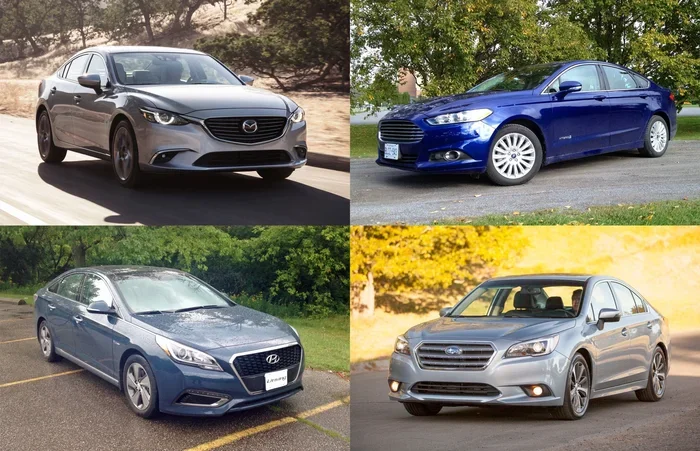
Among sedans and compact cars, Honda and Toyota models consistently rank high. The Honda Civic, Toyota Corolla, and Mazda3 are known for keeping their value longer than competitors. These vehicles combine reliability, fuel efficiency, and strong brand reputation.
Luxury Cars That Hold Value
Even among luxury vehicles, some models depreciate more slowly than others. Porsche, Jeep, and certain Lexus models tend to lose value at a slower rate. However, most luxury cars still experience a steeper vehicle depreciation rate than mainstream brands.
How to Slow Down Car Depreciation
You cannot completely stop your car from losing value, but you can slow the process significantly. Here are some proven strategies to reduce your car depreciation rate per year.
Keep Mileage Low
The fewer miles on your odometer, the better your car holds its value. Try to keep your annual mileage under 10,000 to 12,000 miles. If you can, carpool, use public transit, or walk for short trips. Low mileage is one of the most attractive features for used car buyers.
Stay on Top of Maintenance
Follow the manufacturer’s maintenance schedule to the letter. Keep records of every oil change, tire rotation, brake job, and repair. A complete service history gives buyers confidence and helps maintain a strong trade-in value.
Keep the Car Clean and in Good Shape
Regular washing, waxing, and interior cleaning go a long way. Small dents and scratches can add up and hurt the car value loss when you sell. Address minor issues before they become bigger problems. A well-cared-for car simply looks better and sells for more.
Avoid Modifications
Custom wheels, aftermarket exhausts, and bold paint jobs might look cool, but they can hurt resale value. Most buyers prefer stock, unmodified vehicles. If you must modify your car, choose changes that are easy to reverse.
Choose Vehicles Known for Reliability
When buying a new car, research the depreciation rate by vehicle before you commit. Choose models with a track record of reliability and strong demand in the used car market. A smart purchase decision at the start saves you money for years.
Time Your Sale Strategically
Selling your car at the right time can make a big difference. Avoid selling during times of high new car inventory or economic downturns. Spring and early summer are often the best times to sell a vehicle. Check the car depreciation calculator tools online to find the sweet spot for your specific model.
Quick Tips to Protect Your Car’s Value
- Always keep your car clean inside and out.
- Store your car in a garage when possible.
- Fix small issues before they become expensive repairs.
- Avoid smoking or eating inside the vehicle.
- Keep all service records organized and accessible.
- Drive smoothly to reduce wear and tear on the engine and brakes.
- Consider purchasing gap insurance if you finance a new car.
Common Mistakes That Accelerate Car Depreciation
Some habits speed up the car depreciation rate per year without you even realizing it. Avoiding these common mistakes can save you significant money.
Skipping regular maintenance: This is one of the fastest ways to hurt your car’s value. Ignoring oil changes or tire rotations leads to bigger problems down the road.
Ignoring small damages: A small dent or a cracked windshield might seem minor, but it signals neglect to potential buyers.
Driving excessive mileage: High mileage is a red flag for used car shoppers. It suggests more wear on the engine, transmission, and other components.
Buying the wrong vehicle: Choosing a car based on looks alone, without considering reliability and resale value, is a costly mistake.
Failing to research market value: Selling or trading in your car without knowing its current market value often results in leaving money on the table.
Expert Insights on Vehicle Depreciation
Industry experts agree that car depreciation is the single largest cost of car ownership. According to data from automotive research firms, the average new car loses about $3,000 to $5,000 in its first year alone. Over five years, the total car value loss can exceed $15,000 for many vehicles.
Experts also point out that the car depreciation curve is not always linear. The first year is the steepest, and the curve flattens out as the car ages. This is why buying a one- or two-year-old vehicle is such a popular strategy among savvy car buyers.
“The best way to beat depreciation is to buy cars that are known to hold their value and to keep them well-maintained,” says automotive analyst Sarah Collins. “A reliable used car from a strong brand can save you thousands compared to buying new every few years.”
The depreciation on cars is an unavoidable reality, but it does not have to control your finances. With the right knowledge and habits, you can significantly reduce the financial impact of vehicle value decline.
Key Takeaways
- Cars lose value fast: The average car drops 15% to 30% in its first year on the road.
- Year-by-year decline matters: The steepest depreciation happens in the first few years, then slows down.
- Multiple factors drive loss: Mileage, condition, brand reputation, and market demand all play a role.
- Some cars hold value better: Trucks, SUVs, and certain brands depreciate much more slowly than others.
- You can slow depreciation: Regular maintenance, low mileage, and smart purchasing choices help preserve value.
- Depreciation affects your budget: It impacts trade-in value, loan terms, insurance costs, and overall ownership expense.
- Timing your sale is key: Selling at the right moment can save you thousands of dollars.
Conclusion
The car depreciation rate per year is something every car owner should understand. Most vehicles lose about 15% to 30% of their value in the first year alone, and the decline continues steadily for several years. By the time a car reaches five years old, it has typically lost more than half its original value.
However, understanding the car depreciation rate by year gives you the power to make smarter decisions. You can choose vehicles that hold their value better, avoid common mistakes that accelerate depreciation, and take practical steps to protect your investment. The car depreciation percentage might seem discouraging at first, but knowledge is your best defense.
Whether you are buying a new car, planning to sell your current vehicle, or simply curious about how fast cars lose value, the information in this guide gives you a solid foundation. Use a car depreciation calculator to estimate your specific vehicle’s future value, and apply the tips shared here to slow the decline.
The best time to think about depreciation is before you buy your next car. Choose wisely, maintain well, and drive smart. Your wallet will thank you for years to come.
Frequently Asked Questions
What is the average car depreciation rate per year?
The average car loses about 15% to 30% of its value in the first year. Over five years, most vehicles lose around 60% of their original purchase price. The exact rate depends on the vehicle, mileage, and condition.
How can I find my car’s current depreciation value?
You can use online car depreciation calculator tools from sites like Kelley Blue Book or Edmunds. Enter your vehicle’s make, model, year, mileage, and condition to get an estimated current value and future depreciation projections.
Which cars depreciate the slowest?
Trucks, SUVs, and vehicles from brands like Toyota, Honda, and Jeep tend to depreciate the slowest. The Toyota Tacoma, Jeep Wrangler, and Honda Civic are well-known for their strong resale value and slow vehicle value decline.
Does car depreciation affect my insurance rates?
Yes, indirectly. As your car loses value, the cost to repair or replace it decreases. This can lower your comprehensive and collision coverage premiums. However, your liability rates are not affected by depreciation.
Is it better to buy a new or used car to avoid depreciation?
Buying a slightly used car is usually the better strategy for avoiding steep depreciation. A one- or two-year-old vehicle has already gone through the steepest part of the car depreciation curve, saving you thousands compared to buying new.
Can I negotiate a lower price to offset depreciation?
Absolutely. When buying a new car, negotiating a lower purchase price reduces the total car value loss you experience. The less you pay upfront, the less money you lose to depreciation over time. Focus on the final negotiated price, not the monthly payment.