Everything About Car Door Glass Cover You Should Know
A car door glass cover is one of the most important accessories you can add to your vehicle. It protects your windows from dirt, UV rays, and damage while boosting your car’s overall look. In this guide, you will learn everything about car door glass cover options, benefits, installation, and maintenance.
Key Takeaways
- Car door glass covers protect your vehicle: They shield windows from dust, UV rays, scratches, and debris, keeping your car’s glass in top shape for longer.
- Several types are available: From sun shades to tempered glass protectors, you can pick the right car door glass cover based on your needs and budget.
- Choosing the right cover matters: Factors like material, fit, and ease of installation play a big role in getting the best results.
- Installation is usually simple: Most covers come with adhesive strips or clips and can be set up in under 30 minutes.
- Regular maintenance extends life: Cleaning with gentle products and inspecting for wear keeps your cover working well for years.
- Common problems have easy fixes: Bubbles, peeling, and fogging can be resolved with basic troubleshooting steps.
- Expert tips add value: Combining a car door glass cover with window tinting and proper storage habits maximizes protection.
📑 Table of Contents
What Is a Car Door Glass Cover?
A car door glass cover is a protective layer designed to fit over or along your vehicle’s door windows. It acts as a barrier between your glass and the outside world. Think of it as a shield that takes the beating so your original windows don’t have to.
These covers come in many forms. Some are thin films that stick directly to the glass. Others are removable shields that clip or slide into place. No matter the type, the goal is the same. Keep your car door glass safe from harm.
Drivers in hot, cold, or dusty climates especially benefit from a car door glass cover. It is a practical and affordable way to extend the life of your vehicle’s windows. Plus, it can make your car look sharper than ever.
Why You Need a Car Door Glass Cover
You might wonder if you really need one. After all, your car windows already seem tough enough. But daily wear and tear can do more damage than you think. A car door glass cover solves several problems you likely face right now.
Protection from UV Rays
Sunlight is one of the biggest enemies of your car’s interior. Harmful UV rays fade dashboards, seats, and trim over time. A good car door glass cover blocks a large share of these rays. This keeps your cabin looking newer for much longer.
Shielding from Scratches and Debris
Road debris, dust, bird droppings, and tree sap all attack your glass. Over months and years, these cause scratches and etching. A window glass shield takes the hit instead. Your actual glass stays clean and clear.
Improved Privacy and Security
Some car door glass cover options offer tinted or opaque finishes. This adds privacy for you and your passengers. It also discourages theft by making it harder for outsiders to see inside your vehicle.
Better Insulation
Extreme heat and cold can affect your car’s cabin temperature. A vehicle window protection layer helps regulate temperature. It keeps your car cooler in summer and reduces heat loss in winter. This can even ease the load on your air conditioning system.
Types of Car Door Glass Covers
Not all car door glass cover products are the same. Different types serve different purposes. Here is a breakdown of the most popular options on the market today.
1. Window Tint Films
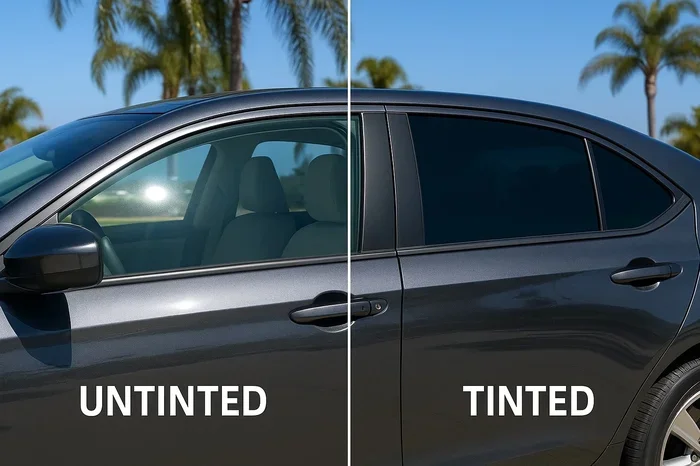
Window tint is one of the most common forms of a car door glass cover. It is a thin adhesive film applied directly to the glass. Tint films come in several varieties:
- Dyed film: Affordable and offers basic heat reduction.
- Metalized film: Reflects heat and adds durability.
- Ceramic film: Premium option with excellent UV blocking and clarity.
- Carbon film: Great for heat rejection without adding glare.
Tint films are popular because they are slim, effective, and relatively inexpensive. They also enhance the overall look of your car.
2. Removable Window Shades
These are hinged or suction-based covers that attach to the outside of your door glass. You can flip them up or pull them down as needed. They are great for parking situations. You simply deploy them before leaving your car.
3. Tempered Glass Protectors
A glass window cover made from tempered or reinforced materials offers heavy-duty protection. These are thicker and more impact-resistant. They work well for off-road vehicles or areas with lots of road debris.
4. Magnetic Covers
Magnetic automotive glass cover options use strong magnets to stay in place. They are easy to install and remove. These are ideal for drivers who want flexibility without permanent changes.
5. Spray-On or Roll-On Coatings
Some products create a protective layer through a liquid application. You spray or roll it onto the glass surface. It forms a transparent barrier against UV and minor scratches. While not as durable as films, it is a quick and budget-friendly fix.
How to Choose the Right Car Door Glass Cover
Picking the best car door glass cover depends on several factors. You want to match the product to your specific needs. Here is what to consider before making a purchase.
Material Quality
Always check the material. Cheap materials may peel, bubble, or discolor quickly. High-quality ceramic films or durable polymer covers last much longer. Spend a little more now to save big later.
Fit and Compatibility
Not every cover fits every car. Measure your door glass dimensions carefully. Look for products labeled as custom-fit or universal with adjustable options. A proper fit ensures no gaps or loose edges.
Ease of Installation
If you are not a DIY expert, choose a car door glass cover that is easy to install. Many products include step-by-step instructions, application tools, and even tutorial videos. Some come pre-cut for specific car models.
Purpose and Priority
Ask yourself what you need most:
- Is it UV protection for your interior?
- Is it scratch resistance from daily driving?
- Is it privacy for parked situations?
- Is it thermal insulation for extreme climates?
Your answer will guide you toward the right type of cover.
Budget Considerations
Prices range from under $20 for basic films to over $200 for premium ceramic options. Set a realistic budget. Remember that a good car door glass cover is an investment, not just an expense.
Comparison Table: Types of Car Door Glass Covers
| Type | Best For | Durability | Price Range | Installation |
|---|---|---|---|---|
| Window Tint Film | UV and heat protection | 5-10 years | $20-$150 | Moderate |
| Removable Shades | Parking protection | 3-7 years | $15-$60 | Very Easy |
| Tempered Protectors | Impact resistance | 5+ years | $50-$200 | Moderate |
| Magnetic Covers | Flexibility | 3-5 years | $25-$80 | Very Easy |
| Spray-On Coating | Budget UV shield | 1-2 years | $10-$30 | Easy |
Installation and Maintenance Tips
Installing your car door glass cover correctly makes all the difference. A sloppy job leads to bubbles, peeling, and reduced effectiveness. Take your time and follow these steps.
Step-by-Step Installation Guide
Follow this process for the smoothest setup:
- Clean the glass surface thoroughly. Use rubbing alcohol or a dedicated glass cleaner. Remove all dust, grease, and residue.
- Measure and trim the cover if needed. Even pre-cut covers may need slight adjustments.
- Apply the cover slowly. Use a squeegee or credit card to push out air bubbles from the center outward.
- Check edges and corners. Make sure everything is sealed tight with no lifting.
- Allow curing time. Most films need 24 to 48 hours to fully set. Avoid rolling down windows during this period.
Maintenance Tips for Longevity
Once your car door glass cover is installed, proper care keeps it performing well:
- Clean with mild soap and water only. Avoid harsh chemicals that degrade the material.
- Use a soft microfiber cloth. Abrasive scrubbers create micro-scratches on the cover.
- Inspect edges monthly. Re-adany lifting edges with the included adhesive before they worsen.
- Avoid parking under trees when possible. Sap and bird droppings speed up wear.
- Remove removable covers during heavy rain or snow to prevent water damage at the edges.
Quick Tips for Beginners
- Practice on a spare piece first if you are nervous about applying the cover directly.
- Work in a shaded area. Direct sunlight causes the adhesive to set too fast.
- Ask a friend for help. A second pair of hands makes alignment much easier.
- Watch online tutorials specific to your cover type before starting.
Common Problems and Solutions
Even with proper care, you may run into issues with your car door glass cover. Here are the most common problems and how to fix them.
Bubbles and Wrinkles
Bubbles usually appear when air gets trapped during application. Small bubbles often disappear on their own within a few days. Larger ones need attention. Use a needle to puncture the bubble, then press the cover flat with a squeegee.
Peeling Edges
Edges start peeling when the surface was not cleaned well enough before application. Clean the area with alcohol, dry it completely, and apply a small amount of adhesive along the peeling edge. Press firmly and hold for 30 seconds.
Fogging or Cloudiness
This happens mostly with removable covers that trap moisture underneath. Remove the cover, dry both the glass and the cover completely, then reapply. In humid climates, consider switching to a permanent film option.
Discoloration Over Time
Some cheaper films fade or turn yellow. This is a sign the material quality is low. If this happens, remove the old cover and replace it with a higher-quality ceramic or metalized option.
Expert Insights and Pro Tips
Industry professionals share valuable advice when it comes to automotive glass protection. Here are insights that can elevate your approach.
Combine cover with window tinting for maximum benefit. A ceramic window tint paired with a physical car door glass cover offers layered protection. The tint blocks UV and heat. The cover handles scratches and impact. Together, they are far more effective than either alone.
Consider your local climate carefully. If you live in a hot, sunny region, prioritize UV-blocking materials. In cold areas, focus on thermal insulation. Coastal drivers should look for salt-resistant coatings since sea air corrodes standard films faster.
Check your warranty before applying any cover. Some car manufacturers void glass warranties if aftermarket covers are installed. Always read the fine print. Look for products that come with their own manufacturer warranty as well.
Professional installation is worth it for complex fits. DIY works great for standard rectangular windows. Curved or oddly shaped door glass may require a pro. The cost is usually between $50 and $150 but the finish quality justifies the expense.
Key Takeaways
- Protection is the main goal: A car door glass cover shields your windows from UV rays, scratches, and debris effectively.
- Many types exist for different needs: Tint films, removable shades, magnetic covers, and more give you plenty of options.
- Fit and material matter most: Choosing the right size and quality ensures long-lasting results.
- Installation rewards patience: Taking your time during setup prevents bubbles and peeling.
- Maintenance extends lifespan: Gentle cleaning and regular inspections keep your cover working well for years.
Conclusion
A car door glass cover is a smart and practical upgrade for any vehicle. It protects your windows, improves privacy, boosts insulation, and enhances your car’s overall appearance. Whether you choose a simple tint film or a heavy-duty tempered protector, you are making a worthwhile investment.
We covered everything from types and selection tips to installation and troubleshooting. Now you have the knowledge to make the best choice for your specific situation. Take action today and give your car the protection it deserves with a quality car door glass cover.
Frequently Asked Questions
How long does a car door glass cover last?
Most quality car door glass covers last between 5 and 10 years. Window tint films typically survive around 5 to 7 years with proper care. Removable shades and magnetic covers usually last 3 to 5 years depending on how often they are used and stored.
Can I install a car door glass cover myself?
Yes, most covers are designed for DIY installation. Films and magnetic covers come with detailed instructions and application tools. Just make sure you clean the glass thoroughly and work slowly. Complex or curved windows may benefit from professional help.
Will a car door glass cover block my view?
Not necessarily. Most transparent films and covers allow full visibility. Tinted versions reduce brightness but still meet legal visibility standards. Always check local regulations before applying any tinted cover to ensure you stay within the law.
Is a car door glass cover worth the money?
Absolutely. It protects your interior from UV damage, reduces cabin heat, and prevents scratches on your glass. The cost is relatively low compared to the long-term savings on interior repairs and window replacements. It is a smart investment for any car owner.
Can I wash my car with a glass cover installed?
Yes, you can wash your car normally. Use mild soap and avoid abrasive scrubbers on the cover itself. For removable covers, take them off before going through an automatic car wash to prevent them from getting caught or damaged by high-pressure water.
What is the difference between a car door glass cover and window tint?
Window tint is a thin adhesive film that primarily blocks UV rays and adds shade. A car door glass cover is a broader term that includes tint films, removable shades, magnetic protectors, and other shielding options. Tint is one type of glass cover, but not all covers are tint films.