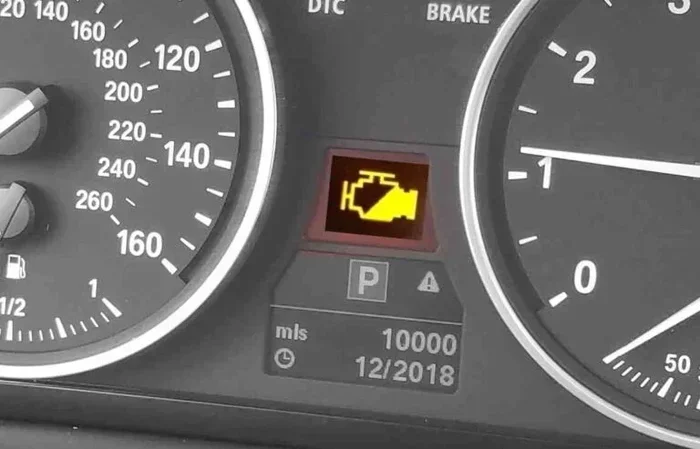
How to Reset the Check Engine Light on Your BMW Now
Resetting the check engine light on a BMW is easier than most drivers think, but the method depends on your BMW model and the reason the light came on in the first place. You can use an OBD2 scanner, the BMW iDrive system, or disconnect the battery to clear the light. However, always address the root cause first, because simply turning off the warning light without fixing the problem can lead to bigger issues down the road.
That little yellow engine icon on your BMW dashboard can send a wave of panic through any driver. You see it, your stomach drops, and suddenly you’re wondering if your car is about to break down on the highway. But here is the good news. In many cases, the check engine light on BMW vehicles is easy to address, and resetting it is a straightforward process once you know what you are doing.
Whether your BMW malfunction indicator lamp is flashing or steady, this guide walks you through every method you can use to reset the light. We will cover OBD2 scanners, the iDrive system, battery disconnect tricks, and even when you should skip the reset and head straight to a mechanic. By the end, you will feel confident handling this common BMW maintenance light issue on your own.
The check engine light BMW owners encounter is part of the onboard diagnostics system, commonly called OBD-II. This system monitors engine performance, emissions, and dozens of sensors throughout your vehicle. When something falls outside the acceptable range, the system triggers the warning. Resetting the light clears the stored codes, but the real fix comes from addressing whatever triggered the alert in the first place.
Key Takeaways
- Multiple methods exist: You can reset the BMW check engine light using an OBD2 scanner, the iDrive infotainment system, or by disconnecting the battery.
- Diagnose first: Always read the diagnostic trouble codes before resetting. Clearing the light without knowing the cause can hide serious problems.
- Battery disconnect works but has side effects: Disconnecting the battery resets all BMW settings, including radio presets and window calibration.
- Drive cycles matter: After resetting, BMW needs a complete drive cycle to recheck all systems and confirm the repair was successful.
- Professional help may be needed: Some BMW models require specialized software like ISTA or INPA for full diagnostic resets.
- Don’t ignore the light: A flashing check engine light signals an urgent issue that needs immediate attention.
📑 Table of Contents
- Understanding What Triggers the Check Engine Light on a BMW
- Tools You Need to Reset the Check Engine Light on a BMW
- Step-by-Step Guide to Resetting the Check Engine Light on Your BMW
- Common Mistakes People Make When Resetting the BMW Check Engine Light
- When to Take Your BMW to a Professional
- Preventing the Check Engine Light from Coming Back
- Final Thoughts on Resetting the Check Engine Light on Your BMW
Understanding What Triggers the Check Engine Light on a BMW
Before you jump into the reset process, it helps to understand why the light came on. The BMW engine management system uses a network of sensors to track everything from oxygen levels to catalytic converter efficiency. When a sensor detects a problem, it stores a diagnostic trouble code (DTC) and illuminates the dashboard warning.
Common Reasons the BMW Check Engine Light Comes On
Several issues can trigger the check engine light BMW dashboard warning. Here are the most common culprits:
- Loose or faulty gas cap: A poorly sealed fuel cap lets vapors escape and triggers an emissions code. This is the simplest fix of all.
- Faulty oxygen sensor: The O2 sensor measures unburned oxygen in the exhaust. When it fails, fuel economy drops and emissions rise.
- Catalytic converter issues: A failing converter is one of the more expensive repairs, but the light often catches the problem early.
- Mass airflow sensor failure: The MAF sensor tells the engine how much air is entering. Dirt or damage causes inaccurate readings.
- Spark plug or ignition coil problems: Worn plugs or coils cause misfires, which the system detects immediately.
- EVAP system leak: The evaporative emission control system can develop small leaks that trigger the warning.
Understanding the root cause matters because resetting the light without fixing the problem simply masks the issue. The light will come right back on, and you may miss the chance to prevent a more costly repair later.
BMW Check Engine Light: Steady vs. Flashing
| Light Behavior | Meaning | Urgency Level | Recommended Action |
|---|---|---|---|
| Steady | Non-emergency issue detected | Low to Moderate | Schedule a diagnostic scan within a few days |
| Flashing | Severe misfire or catalyst damage risk | High | Stop driving safely and seek immediate diagnosis |
| Intermittent | Issue comes and goes | Moderate | Scan for codes and monitor closely |
Many drivers wonder, can you drive with the check engine light on BMW? The answer depends on the light behavior. A steady light usually means you can drive a short distance to a service center. A flashing light means you should pull over safely and avoid driving the vehicle if possible. If you are unsure about driving distance with this light, check out our guide on Can I Drive 50 Miles With The Check Engine Light On for more details.
Tools You Need to Reset the Check Engine Light on a BMW
Resetting the BMW engine warning light requires the right tools. You do not need expensive professional equipment for most methods, but having the correct tools makes the process smoother and more reliable.
Method 1: Using an OBD2 Scanner
An OBD2 scanner is the most reliable tool for diagnosing and resetting the check engine light on any BMW. These devices plug directly into the diagnostic port and communicate with the vehicle’s onboard computer.
Here is what you need:
- A compatible OBD2 diagnostic scanner (Bluetooth or Wi-Fi models work great with smartphones)
- The BMW OBD2 port location (usually under the dashboard on the driver side)
- A smartphone or tablet with the matching app (for wireless scanners)
Once you plug in the scanner, it reads the stored BMW fault codes and displays them on your screen. You can then clear the codes and turn off the light. But remember, always review the codes first so you know what caused the issue.
Method 2: Using the BMW iDrive System
Newer BMW models from 2008 onward feature the iDrive infotainment system, which includes a built-in diagnostic function. This method works well for clearing BMW maintenance required light warnings and some check engine codes.
Steps to reset via iDrive:
- Press the Start button to turn on the vehicle (do not start the engine).
- Press and hold the trip button on the instrument cluster.
- Turn the ignition to position 2.
- Release the trip button after the warning light starts flashing.
- The system should now reset the maintenance interval indicator.
Important note: The iDrive method works best for service interval resets. For full check engine light BMW resets, an OBD2 scanner is more effective.
Method 3: Disconnecting the Battery
Some drivers prefer the battery disconnect method because it requires no special tools. However, this approach comes with trade-offs. When you disconnect the BMW battery, you clear all stored codes and reset the BMW check engine light, but you also wipe radio presets, window calibration, and some adaptive settings.
If you want to try this method, here is what to do:
- Turn off the engine and all electrical systems.
- Locate the negative battery terminal (usually marked with a minus sign).
- Use a wrench to loosen the terminal clamp and remove the cable.
- Wait at least 15 minutes to allow the vehicle’s computer to fully reset.
- Reconnect the terminal and tighten the clamp securely.
- Start the engine and check if the light has turned off.
If you are curious about whether you can reset the light without touching the battery at all, our article on Can You Reset The Check Engine Light Without Disconnecting The Battery covers alternative approaches in detail.
Step-by-Step Guide to Resetting the Check Engine Light on Your BMW
Now that you understand the tools and methods, let us walk through the complete reset process step by step. This guide works for most BMW models including the 3 Series, 5 Series, X3, X5, and 7 Series.
Step 1: Read the Diagnostic Codes First
Before you reset anything, plug in your OBD2 scanner and read the stored codes. Write them down or take a photo with your phone. These codes tell you exactly what the BMW computer detected. Common codes include P0420 for catalyst efficiency, P0300 for random misfires, and P0442 for small EVAP leaks.
Step 2: Address the Root Cause
Do not skip this step. If your BMW check engine light came on because of a loose gas cap, tighten it and drive for a few days. If it is a faulty sensor, replace it first. Resetting the light without fixing the underlying problem is like putting tape over a check engine warning light without fixing the engine.
Step 3: Clear the Codes
Once the issue is resolved, use your OBD2 scanner to clear the diagnostic trouble codes. The scanner communicates with the BMW engine control module (ECM) and erases the stored data. After clearing, turn the ignition off and wait a few seconds before turning it back on.
Step 4: Verify the Reset
Start the engine and check the dashboard. The check engine light BMW warning should be off. If it stays on, the issue may not be fully resolved, or there could be a pending code that needs attention. In that case, repeat the diagnostic scan to see if new codes appeared.
Step 5: Complete a Drive Cycle
BMW vehicles need a complete drive cycle to recheck all monitored systems. A typical drive cycle includes:
- Cold start and idle for 2-3 minutes
- Moderate driving at 30-50 mph for 5-10 minutes
- Highway driving at 55-65 mph for 10-15 minutes
- Return to city driving and let the vehicle idle
After the drive cycle, the BMW self-diagnostic system runs through all its tests. If everything is working correctly, the light stays off.
Common Mistakes People Make When Resetting the BMW Check Engine Light
Even experienced car owners make mistakes when dealing with the BMW malfunction indicator lamp. Here are the most common errors to avoid:
- Resetting without diagnosing: This is the number one mistake. Clearing the light without reading the codes means you do not know what is wrong with your vehicle.
- Ignoring a flashing light: A flashing check engine light indicates a severe misfire that can damage the catalytic converter. Do not just reset it and keep driving.
- Using a cheap or incompatible scanner: Not all OBD2 scanners work well with BMW-specific protocols. Invest in a quality scanner that supports BMW enhanced diagnostics.
- Disconnecting the battery on modern BMWs: Newer BMW models have complex electrical systems. A battery disconnect can reset modules that require dealer-level programming to recalibrate properly.
- Giving up too soon: Sometimes the light stays off for a few drive cycles and then returns. This usually means the root cause was not fully addressed.
If you are dealing with a related warning light, such as the maintenance required indicator, you might want to read about the Difference Between A Check Engine Light And Maintenance Required Light to better understand what each warning means on your BMW.
When to Take Your BMW to a Professional
There is a time and place for DIY resets, but some situations call for a professional BMW technician. You should consider visiting a dealer or certified mechanic if:
- The check engine light BMW keeps coming back after multiple resets
- You see the flashing light and experience loss of power or rough running
- The diagnostic codes point to the catalytic converter or engine internals
- Your BMW model requires specialized software like ISTA Plus for full system diagnostics
- You have tried multiple resets and the light returns within a few days
Professional BMW diagnostics use advanced software that reads manufacturer-specific codes beyond standard OBD-II. Dealers have access to BMW’s proprietary ISTA diagnostic platform, which can identify issues that generic scanners miss. If you are wondering whether any BMW dealership can service your vehicle, check out our guide on Can You Take A Toyota To Any Toyota Dealership for insights on dealership service that apply across brands.
The cost of professional diagnostics varies, but most BMW dealers charge between $100 and $200 for a diagnostic session. Independent BMW specialists often charge less while still having access to quality diagnostic equipment. This investment pays for itself when it prevents a small issue from becoming a major repair bill.
Preventing the Check Engine Light from Coming Back
Once you have successfully reset the BMW engine warning light, you want to keep it off. Here are some preventive measures that help:
- Check your gas cap regularly: Make sure it clicks securely after every fill-up. A loose cap is the simplest trigger and easiest to prevent.
- Follow the BMW maintenance schedule: Regular oil changes, spark plug replacements, and air filter changes keep the engine running smoothly.
- Use quality fuel: Low-quality or contaminated fuel can trigger emissions codes and cause drivability issues.
- Address small issues early: Do not ignore minor warnings or unusual sounds. Small problems become big expensive repairs when left unchecked.
- Monitor your BMW’s health: Use an OBD2 scanner periodically to check for pending codes before they trigger the dashboard light.
Taking a proactive approach to BMW maintenance saves money and keeps your vehicle running at its best. The check engine light is your car’s way of communicating with you. Listening to it early prevents surprises and costly repairs down the road.
Final Thoughts on Resetting the Check Engine Light on Your BMW
Resetting the check engine light on a BMW does not have to be stressful or complicated. Whether you use an OBD2 scanner, the iDrive system, or a battery disconnect, the key is to diagnose the problem first and then clear the codes once the issue is resolved. A simple drive cycle after the reset confirms everything is working as it should.
Remember that the check engine light exists to protect your engine and your wallet. Ignoring it or simply resetting it without understanding the cause can lead to more serious and expensive repairs. Treat the light as a helpful warning, not an annoyance, and you will keep your BMW running strong for years to come.
If the light persists after your reset attempts, do not hesitate to seek professional help. A qualified BMW technician can dig deeper into the vehicle’s systems and resolve issues that basic diagnostics might miss. Your BMW is a precision machine, and it deserves care that matches its engineering quality.
Frequently Asked Questions
Can I reset the BMW check engine light by disconnecting the battery?
Yes, disconnecting the negative battery terminal for 15-30 minutes will clear stored codes and turn off the check engine light BMW. However, this method also resets radio presets, window calibration, and some adaptive settings. It is a quick fix but not always the best long-term solution.
Will the check engine light reset itself on a BMW?
In some cases, yes. If the issue that triggered the light was temporary, such as a loose gas cap or a brief sensor glitch, the BMW system may turn the light off after a few drive cycles. However, if the root cause persists, the light will return.
How much does it cost to diagnose a BMW check engine light?
Most BMW dealerships charge between $100 and $200 for a diagnostic session. Independent BMW specialists often charge less, typically $75 to $150. The cost depends on the location, the complexity of the issue, and whether specialized software like ISTA is required.
Can I drive my BMW with the check engine light on?
A steady check engine light usually allows safe driving for a short distance to a service center. A flashing light, however, signals a serious issue like a misfire that can damage the catalytic converter. If you are unsure, it is best to avoid driving and have the vehicle towed to a mechanic.
What is the difference between the check engine light and the maintenance required light on a BMW?
The check engine light indicates an actual problem with the engine or emissions system, while the maintenance required light is a scheduled service reminder. They serve different purposes and require different reset methods. Understanding this difference helps you respond appropriately to each warning.
How long does it take to reset the check engine light on a BMW?
The actual reset process takes only a few minutes with an OBD2 scanner. However, completing a full drive cycle afterward can take 30 minutes to an hour of driving. The BMW system needs this time to recheck all monitored components and confirm the repair was successful.