Everything You Need to Know About Car Name Transfer Fee
A car name transfer fee is the cost you pay to officially change the ownership name on a vehicle title. This fee varies by state, ranging from $15 to over $100, and may include additional taxes and processing charges. Whether you are buying a used car from a dealer or a private seller, understanding these fees saves you time and money. This guide breaks down every cost, requirement, and step involved in the car name transfer process.
Have you ever bought or sold a used car and wondered about the paperwork involved? One of the most important steps is the car name transfer fee. This is the cost you pay to legally change the ownership name on a vehicle title. It might sound simple, but there are many details to understand.
Whether you are purchasing a car from a dealership or buying from a private seller, knowing the transfer fee helps you budget properly. Unexpected costs can add up fast if you are not prepared. This guide covers everything you need to know about the title transfer cost, including what it is, how much it costs, and how to complete the process without headaches.
Key Takeaways
- Car name transfer fees vary by state: Costs range from $15 to $100+ depending on your location and vehicle value.
- Additional costs may apply: Sales tax, lien release fees, and notary fees can increase your total transfer cost.
- Required documents are essential: You need a signed title, bill of sale, odometer disclosure, and identification to complete the transfer.
- Processing times differ: Some states process transfers in days, while others may take weeks.
- Avoiding common mistakes saves money: Errors on paperwork cause delays and extra fees.
- Online and in-person options exist: You can often complete the transfer at your local DMV or through an online portal.
📑 Table of Contents
- What Is a Car Name Transfer Fee?
- How Much Does a Car Name Transfer Fee Cost?
- The Step-by-Step Process to Transfer a Car Title
- Common Mistakes People Make When Transferring a Car Title
- Tips to Reduce Your Car Name Transfer Fee
- When You Need Professional Help With a Car Title Transfer
- Frequently Asked Questions About Car Name Transfer Fees
- Conclusion
What Is a Car Name Transfer Fee?
A car name transfer fee is a government charge for changing the legal ownership of a vehicle from one person to another. When you buy a car, the seller signs the title over to you. That signed document proves ownership. But signing alone is not enough. You must file that title with your local Department of Motor Vehicles or equivalent agency.
The fee covers the administrative work involved in updating official records. It pays for processing, verifying documents, and issuing a new title in your name. Think of it as the cost of updating the government’s database to reflect that you are now the vehicle’s legal owner.
Why Does the Transfer Fee Exist?
Every state requires vehicle ownership records to be accurate. This protects both buyers and sellers. If a car is involved in an accident or legal dispute, the title shows who owns it. The vehicle title fee helps maintain these records properly. Without it, tracking ownership would be a mess.
Additionally, the transfer fee supports the DMV’s operations. Processing titles involves staff time, database updates, and security measures. The fee ensures these systems keep running smoothly.
Car Name Transfer Fee vs. Registration Fee
People often confuse the car name transfer fee with the registration fee. They are different. The transfer fee is a one-time charge for changing ownership. The registration fee is an annual charge that allows you to legally drive the vehicle on public roads.
You typically pay both when you buy a used car. The transfer fee happens once at the point of ownership change. The registration fee renews every year or two, depending on your state. Understanding this difference helps you plan your budget correctly.
How Much Does a Car Name Transfer Fee Cost?
The title transfer cost varies significantly depending on where you live. Some states charge a flat fee, while others base the cost on the vehicle’s value. Let us look at the typical ranges and what factors influence the price.
State-by-State Cost Breakdown
Most states charge between $15 and $50 for a basic title transfer. However, some states charge more. Here is a general idea of what you might expect:
- Low-cost states: States like Florida and Mississippi may charge around $15 to $25 for a standard transfer.
- Mid-range states: States like Texas and Ohio typically charge $25 to $45 depending on the vehicle type.
- Higher-cost states: States like California and New York may charge $50 or more, especially for higher-value vehicles.
These numbers are estimates. Always check with your local DMV or equivalent agency for the exact car name transfer fee in your area. Fees can change, and some regions have additional surcharges.
Factors That Affect the Transfer Fee
Several things influence how much you will pay for a vehicle ownership transfer. Here are the most common factors:
- Vehicle value: Many states calculate the fee as a percentage of the car’s value or sale price. Higher-value vehicles cost more to transfer.
- Vehicle type: Trucks, SUVs, and commercial vehicles often have higher fees than passenger cars.
- Age of the vehicle: Older vehicles may qualify for reduced fees in some states.
- Emission compliance: States with strict emission standards may charge additional fees if the vehicle needs testing.
- Lien status: If the vehicle has an outstanding loan or lien, there may be extra processing costs.
Hidden Costs You Should Know About
The car name transfer fee is not the only cost you will face. Several other fees often come with the transfer process. Being aware of these helps you avoid surprises.
- Sales tax: Most states require you to pay sales tax on the purchase price of the vehicle. This can range from 2% to 10% depending on your location.
- Bill of sale fee: Some states require a notarized bill of sale, which may cost $5 to $20 for notarization.
- Lien release fee: If there is a lien on the vehicle, the lender must provide a lien release document. This is usually free but can sometimes involve a small fee.
- Odometer disclosure fee: Federal law requires an odometer reading on the title. Some states charge a small fee for this.
- Late transfer penalty: If you do not transfer the title within the required timeframe, you may face a penalty fee. These can range from $10 to $50 or more.
All these costs add up. Planning for the total expense, not just the transfer fee alone, is smart. A good rule of thumb is to budget 10% to 15% of the vehicle’s purchase price for all transfer-related costs combined.
The Step-by-Step Process to Transfer a Car Title
Transferring a car title does not have to be complicated. If you know the steps and prepare the right documents, the process is straightforward. Here is a clear walkthrough of what to expect.
Step 1: Gather Required Documents
Before you visit the DMV, gather all necessary documents. Missing paperwork is the number one reason for delays. Here is what you typically need:
- The signed vehicle title from the seller
- A completed bill of sale
- Proof of identification (driver’s license or state ID)
- Odometer disclosure statement
- Proof of insurance
- Payment for the car name transfer fee and any applicable taxes
Some states also require a smog or emission certificate. Check your local DMV website before you go to confirm the full list of requirements.
Step 2: Complete the Title Transfer Section
The seller must sign the title in the designated area. This releases their ownership. You then sign as the new owner. Make sure all information is accurate. Double-check names, addresses, and the vehicle identification number (VIN). Any mistakes can cause the DMV to reject the application.
Use black or blue ink only. Pencil marks can smudge and cause problems. If a section does not apply, write “N/A” instead of leaving it blank.
Step 3: Submit the Application
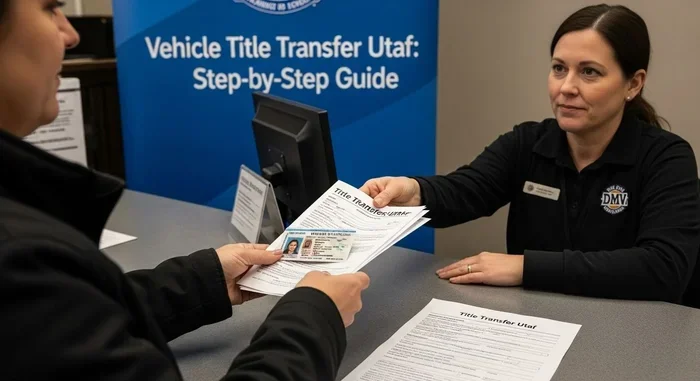
You can submit your transfer application in person or online, depending on your state. In-person visits are the most common method. Bring all documents and payment. The clerk will review everything, collect the title transfer cost, and provide you with a temporary registration.
Online submission is available in many states now. This saves time and avoids waiting in line. However, some transactions still require an in-person visit, especially for first-time registrations.
Step 4: Receive Your New Title
After processing, you will receive your new title in the mail. Processing times vary. Some states issue titles within a few days, while others take two to four weeks. Keep your temporary registration with you until the new title arrives.
Once you have the new title, store it in a safe place. You will need it for future sales, insurance claims, or registration renewals.
Quick Tips for a Smooth Transfer
- Call your local DMV ahead of time to confirm current requirements and wait times.
- Bring all original documents, not copies.
- Double-check that the seller has cleared any liens before the sale.
- Complete the transfer as soon as possible after the sale to avoid late fees.
- Keep copies of everything you submit for your records.
Common Mistakes People Make When Transferring a Car Title
Even with the best intentions, people make mistakes during the car name transfer process. These errors cause delays, extra costs, and frustration. Here are the most common pitfalls to avoid.
Mistake 1: Not Transferring the Title Promptly
Many buyers and sellers delay the transfer. They think they have time. But most states have a legal deadline, usually within 30 days of the sale. Missing this deadline can result in penalty fees. In some cases, the seller may still be held liable for parking tickets or accidents involving the vehicle until the transfer is complete.
Do not wait. Complete the transfer as soon as possible. The car name transfer fee stays the same regardless of timing, but late penalties do not.
Mistake 2: Incorrect Information on the Title
Typos and errors on the title application are very common. A misspelled name, wrong address, or incorrect VIN can cause the DMV to reject your application. This means another trip, more waiting, and possibly more fees.
Before submitting anything, review every field carefully. Make sure names match your government-issued ID exactly. Verify the VIN against the vehicle itself.
Mistake 3: Forgetting the Bill of Sale
A bill of sale proves the transaction took place. Some states require it, while others do not. But even when it is not mandatory, having one protects both parties. It documents the sale price, date, and terms of the transaction.
A simple bill of sale form is easy to create. Many DMV websites offer free templates. Fill it out, have both parties sign it, and keep a copy for your records.
Mistake 4: Not Paying All Required Fees
People sometimes pay only the vehicle title fee and forget about sales tax or other charges. The DMV will reject incomplete payments. Going back to pay the remaining amount wastes time and may extend the processing period.
Research all applicable fees before your visit. Bring a payment method that covers the full amount, plus a little extra in case of unexpected charges.
Mistake 5: Skipping the Lien Release
If the vehicle has a loan, the lender holds the title until the loan is paid off. The seller must obtain a lien release document from the lender before transferring the title. Without it, the transfer cannot proceed.
Buyers should verify that the lien is released before finalizing the purchase. Sellers should request the lien release well in advance of the sale date.
Tips to Reduce Your Car Name Transfer Fee
While you cannot always avoid the car name transfer fee, there are smart ways to minimize costs. Here are practical strategies that can save you money.
1. Transfer the Title Immediately
Late transfer penalties add unnecessary costs. By completing the transfer promptly, you avoid these extra fees. Set a reminder for yourself within the first week of the purchase.
2. Check for Fee Waivers or Discounts
Some states offer reduced fees for certain situations. Military veterans, seniors, and low-income individuals may qualify for discounts. Check your state’s DMV website or call their customer service line to ask about available waivers.
3. Use Online Services When Available
Many states now offer online title transfer services. These often have lower processing fees than in-person visits. They also save you the cost of gas and time spent traveling to the DMV.
4. Negotiate Who Pays the Fee
In a private sale, the title transfer cost is negotiable. The buyer and seller can agree on who pays. Some sellers include the transfer fee in the sale price to make the deal more attractive. This is a common practice and perfectly acceptable.
5. Avoid Weekend and Peak DMV Visits
Some DMVs charge higher fees for expedited or weekend service. Visiting during regular business hours on a weekday can save you money. Call ahead or check online for the best times to visit.
6. Understand Your State’s Tax Rules
Sales tax on vehicle purchases can be significant. Some states allow you to deduct trade-in value or dealer rebates from the taxable amount. Understanding these rules can reduce your total tax burden and lower the overall cost of the transfer.
When You Need Professional Help With a Car Title Transfer
Most title transfers go smoothly when you follow the steps correctly. But sometimes, you need professional assistance. Complex situations can make the process tricky.
Situations That Require Extra Help
- Inherited vehicles: Transferring a title after the death of an owner involves probate and additional legal steps.
- Out-of-state transfers: If you move to a new state, you may need to transfer your title and register the vehicle in the new state simultaneously.
- Vehicles with liens: Outstanding loans add complexity to the transfer process.
- Damaged or missing titles: If the title is lost, destroyed, or illegible, you must apply for a duplicate before transferring.
- Estate sales: Vehicles sold as part of an estate may have additional legal requirements.
In these situations, consulting a DMV expert or attorney is worthwhile. The cost of professional help is small compared to the potential problems of an incorrect transfer. A small investment now can save significant time and money later.
How to Find Reliable Title Transfer Services
If you decide to use a professional service, choose carefully. Look for licensed and insured companies with good reviews. Avoid services that promise unrealistic results or charge unusually high fees. Your state’s DMV website often lists approved third-party service providers.
Many auto dealerships also offer title transfer assistance when you purchase a vehicle from them. This is often the easiest option because the dealership handles the paperwork on your behalf. Just confirm any additional fees they charge for this service before agreeing.
Frequently Asked Questions About Car Name Transfer Fees
Can I transfer a car title online?
Yes, many states now offer online title transfer services through their DMV websites. However, not all situations qualify for online processing. First-time registrations, vehicles with liens, and out-of-state transfers often require an in-person visit. Check your state’s DMV website to see if online transfer is available for your situation.
How long does a car title transfer take?
Processing times vary by state. Some states issue new titles within 3 to 5 business days, while others may take 2 to 4 weeks. In-person applications sometimes process faster than mailed applications. You will typically receive a temporary registration immediately so you can drive the vehicle legally while waiting for the new title.
Who pays the car name transfer fee, the buyer or the seller?
This depends on the agreement between the buyer and seller. In most private sales, the buyer pays the transfer fee. However, the cost is negotiable, and sellers sometimes agree to cover it as part of the deal. In dealership purchases, the fee is usually included in the overall transaction costs.
What happens if I do not transfer the car title on time?
Most states require title transfers within 30 days of the sale. Failing to meet this deadline can result in late fees, penalties, and potential legal issues. The original owner may also remain liable for any tickets, accidents, or violations associated with the vehicle until the transfer is complete. Always transfer the title promptly.
Do I need a bill of sale to transfer a car title?
Requirements vary by state. Some states mandate a notarized bill of sale, while others do not require one at all. Even when it is not required, having a bill of sale is a good practice. It protects both the buyer and seller by documenting the sale price, date, and terms of the transaction.
Can I transfer a car title if there is still a loan on it?
Generally, no. The lender must release the lien before the title can be transferred. The seller needs to pay off the remaining loan balance and obtain a lien release document. Once the lien is released, the title can be signed over to the buyer. Always verify the lien status before finalizing any vehicle purchase.
Conclusion
The car name transfer fee is a necessary part of buying or selling a vehicle. It ensures that ownership records are accurate and up to date. While the fee varies by state and situation, understanding what it covers and how to prepare for it makes the entire process much easier.
By gathering the right documents, avoiding common mistakes, and planning for all associated costs, you can complete a title transfer smoothly and efficiently. Do not let the paperwork intimidate you. With the information in this guide, you have everything you need to handle the car name transfer process with confidence.
Take action today. Whether you are the buyer or the seller, complete the transfer promptly and keep all your documents organized. A small effort now saves time, money, and stress in the long run. Your vehicle deserves proper documentation, and so do you.