Can a Company Rent a Car for an Employee and Save Money
Yes, a company can rent a car for an employee for business travel, client meetings, or temporary work needs. This guide covers corporate car rental policies, tax benefits, insurance options, and practical tips to help your business save money while keeping employees mobile and productive.
Can a company rent a car for an employee? The short answer is yes. And it is one of the smartest moves a business can make when employees need wheels for work trips, client visits, or temporary assignments.
Running a business means making sure your team has what they need to get the job done. Sometimes that means renting a car for employee use. Whether your team travels locally or across state lines, a rental vehicle can be a game-changer. It saves money, offers flexibility, and keeps your people moving without the headaches of owning and maintaining a fleet.
In this article, we will walk you through everything you need to know. We will cover how business car rental works, what the tax benefits are, how to set up a solid company car policy, and tips to keep costs low. By the end, you will have a clear picture of whether renting a car for your employees makes sense for your business.
Key Takeaways
- Yes, companies can rent cars for employees: It is a legal and common practice used by businesses of all sizes for work-related travel.
- Tax deductions are available: Businesses can write off rental car expenses, reducing overall taxable income significantly.
- Clear policies prevent abuse: A well-drafted company car policy ensures employees use rentals responsibly and within budget.
- Insurance options vary: Companies should understand coverage from rental agencies, personal auto insurance, and business policies.
- Cost savings add up fast: Smart booking strategies and loyalty programs can lower rental costs by 20-30 percent.
- Employee reimbursement programs work both ways: Whether the company pays directly or reimburses the employee, clear rules keep things fair.
- Short-term rentals offer flexibility: They are ideal for temporary needs without the long-term commitment of a company-owned fleet.
📑 Table of Contents
- Can a Company Rent a Car for an Employee?
- Why Companies Rent Cars for Employees
- Tax Benefits of Renting a Car for Employees
- Setting Up a Company Car Rental Policy
- Insurance Options for Rental Cars
- How to Save Money on Business Car Rentals
- Common Mistakes Companies Make When Renting Cars for Employees
- Frequently Asked Questions
- Final Thoughts
Can a Company Rent a Car for an Employee?
The short answer is absolutely yes. Companies rent cars for employees all the time. It is a standard practice in the business world. From small startups to large corporations, corporate car rental is a go-to solution for temporary transportation needs.
When we talk about renting a car for an employee, we mean the company arranges and pays for the rental. This can happen for many reasons. An employee might need a car for a one-day client meeting across town. Or a team might need multiple vehicles for a week-long conference. Whatever the reason, the process is straightforward and well-established.
How the Process Works
Here is how it typically works. The company authorizes the rental through a corporate travel account. The employee picks up the car from the rental agency. They use it for the approved business purpose. Then they return it. Some companies use a company credit card for the rental. Others have the employee pay upfront and then reimburse them later.
The key is having clear guidelines in place. Without a solid employee travel policy, things can get messy fast. That is why we will dive deeper into policy setup later in this article.
Why Companies Rent Cars for Employees
You might wonder why a company would go through the trouble of renting a car instead of just letting employees use their personal vehicles. There are several strong reasons. Let us break them down.
Flexibility and Convenience
Not every employee owns a reliable car. And not every employee wants to put miles on their personal vehicle for work. A short-term car rental solves both problems. It gives employees the wheels they need without asking them to sacrifice their own car.
Rental cars also offer flexibility. Need a sedan for a city trip? Got it. Need an SUV for a group outing? Easy. Business rental car options come in all shapes and sizes. This means the company can match the right vehicle to the right task every time.
Cost Control
Owning a fleet of vehicles is expensive. There is the purchase price, insurance, maintenance, depreciation, and parking. When a company uses rental car for work purposes, it avoids all of those ongoing costs. You only pay for the car when you need it.
This makes rental car budgeting much easier. Finance teams can track expenses in real time. They know exactly what was spent and on what. It is far simpler than managing a fleet of owned vehicles.
Professional Image
First impressions matter. When an employee arrives at a client meeting in a clean, well-maintained rental car, it sends a strong signal. It says the company is professional, prepared, and serious about business. This can make a real difference in how clients perceive your brand.
Tax Benefits of Renting a Car for Employees
One of the biggest advantages of renting a car for employee business use is the tax benefit. The IRS allows businesses to deduct certain vehicle expenses. This includes rental costs, gas, tolls, and parking fees. Let us look at how this works.
Business Tax Deductions
When a company rents a car for an employee, that expense is generally tax-deductible. The company can write off the full rental cost as a business travel expense. This reduces the taxable income, which can lower the overall tax bill at the end of the year.
There are two main methods for deducting vehicle expenses:
- Actual Expense Method: The company deducts the actual costs of the rental, including gas, insurance, and tolls.
- Standard Mileage Rate: The company deducts a set rate per mile driven for business purposes. For 2024, this rate is 67 cents per mile.
Most companies choose the method that gives them the larger deduction. Your accountant or tax advisor can help you decide which approach works best for your situation.
Rental Car Tax Write-Off
A rental car tax write-off is not just for the rental fee itself. It can also include additional costs like:
- Gas and fuel purchases
- Toll fees and parking charges
- Rental insurance upgrades
- GPS or toll pass fees
All of these can be deducted as business travel expenses if they are properly documented. This is why keeping receipts and logs is so important. The more documentation you have, the smoother the tax process will be.
Employee Reimbursement and Its Tax Implications
If the company reimburses the employee for rental costs instead of paying directly, there are some tax considerations. Reimbursements that follow the IRS accountable plan rules are not considered taxable income for the employee. This means the employee does not pay taxes on the reimbursement. That is a win-win for both sides.
Setting Up a Company Car Rental Policy
A good company car policy is the backbone of any successful rental program. Without clear rules, employees may misuse the benefit. And without clear rules, the finance team has a hard time tracking expenses. Let us look at what a solid policy should include.
Who Is Eligible?
Not every employee needs a rental car. Your employee travel policy should clearly define who qualifies. Typically, eligibility is based on:
- Job role and responsibilities
- Frequency of travel
- Department needs
- Manager approval
For example, a sales representative who visits clients daily might need a rental car regularly. An office worker who rarely travels might only need one occasionally. Define these tiers clearly so everyone understands the rules.
Approved Rental Agencies
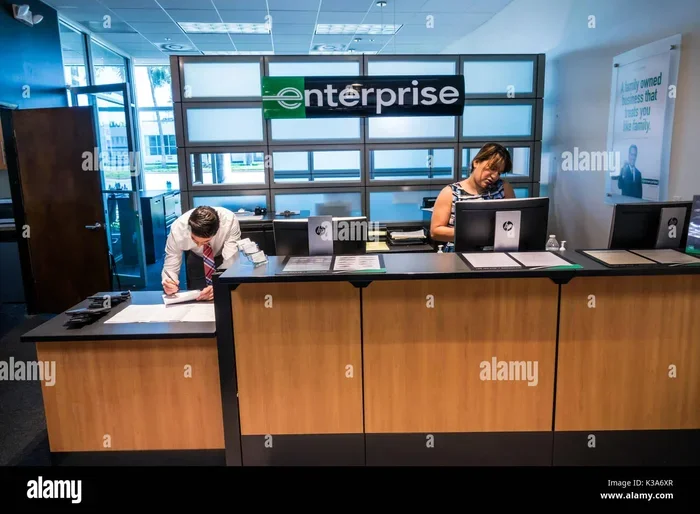
Most companies partner with specific corporate rental agencies. These partnerships often come with negotiated rates and discounts. Common agencies include Enterprise, Hertz, Avis, and Budget. When you use a preferred agency, you get better pricing and smoother booking processes.
Set a rule that employees must book through the approved agency or portal. This ensures you get the best rates and keeps everything centralized for accounting purposes.
Budget Limits and Approval
Every good policy has spending limits. Decide on a daily or weekly rental budget. For example, you might cap rentals at $100 per day for a standard sedan. If an employee needs a luxury or larger vehicle, they should get prior approval.
Use an expense approval workflow to keep things in check. This can be as simple as a manager approving the rental before the employee books it. It keeps costs predictable and prevents surprises.
Insurance and Liability
Insurance is a big part of the rental car for employee equation. Your policy should spell out what insurance coverage is provided. Options include:
- Company-provided coverage: The company carries a blanket policy for all rentals.
- Rental agency insurance: The employee purchases coverage at the counter.
- Personal auto insurance: The employee uses their own personal policy.
Each option has pros and cons. We will cover insurance in more detail in the next section.
Insurance Options for Rental Cars
Insurance is one of the most important parts of renting a car for business use. You want to make sure everyone is protected. But you also do not want to pay for coverage you do not need. Let us look at the options.
Rental Agency Insurance
Most rental agencies offer insurance at the counter. This can include collision damage waiver, liability coverage, and personal accident insurance. These options add convenience but can also add significant cost. A business rental car insurance plan from the agency might cost an extra $15 to $30 per day.
Before you buy this coverage, check what your company already has. Many corporate credit cards include rental car insurance as a perk. And many business auto policies already cover rental vehicles.
Company Business Auto Policy
If your company has a business auto insurance policy, it likely covers rental cars. Most standard business auto policies extend coverage to non-owned vehicles used for business purposes. This means your company might not need to buy extra coverage from the rental agency at all.
Talk to your insurance agent to confirm what is covered. Ask specific questions about rental car limits, deductibles, and any exclusions. This one conversation can save your company hundreds of dollars per rental.
Personal Auto Insurance
Some employees may choose to use their personal auto insurance for rental cars. This works in many cases. However, personal policies sometimes exclude coverage for commercial use. The employee needs to check their policy carefully before relying on it.
If the employee does not have adequate coverage and the company is not providing any, the employee could be personally liable for damages. That is a risk no one wants to take.
Quick Tips for Managing Rental Car Insurance
- Always verify coverage before picking up the rental car.
- Keep a copy of the insurance policy on file for each rental.
- Train employees on what insurance is included and what is not.
- Use a company credit card that offers rental car insurance benefits.
- Document any insurance decisions in the rental agreement.
How to Save Money on Business Car Rentals
Renting cars for employees can add up fast. But there are many ways to keep costs under control. Here are some proven strategies that real businesses use every day.
Book in Advance
The earlier you book, the lower the rate. Rental prices go up as the pick-up date approaches. If you know an employee will need a car next week, book it today. Advance booking can save 15 to 25 percent on the rental rate.
Use Corporate Rate Agreements
Many rental agencies offer corporate discount rates for businesses that book regularly. These rates can be 10 to 30 percent lower than standard prices. Ask your preferred agency about corporate programs. You might be surprised at the savings.
Leverage Loyalty Programs
Sign up for loyalty programs with your preferred rental agencies. These programs often offer free upgrades, priority service, and member-only rates. Over time, the savings can be substantial. Some programs even offer free rental days after earning enough points.
Compare Prices Across Agencies
Do not just go with the first agency you see. Use comparison tools or check multiple agencies before booking. Sometimes a lesser-known agency offers better rates for the same vehicle. Rental car comparison websites can save you time and money in just a few clicks.
Choose the Right Vehicle Size
Do not book a large SUV if a compact sedan will do the job. Larger vehicles cost more to rent and more to fuel. Match the vehicle size to the actual need. If an employee is traveling alone to a nearby city, a compact car is perfect and much cheaper.
Limit Rental Duration
Weekly rates are often cheaper than daily rates. If an employee needs a car for five days, book a weekly rate instead of five individual days. Check the pricing structure before you book. Sometimes extending the rental by one or two days actually costs less than a shorter booking.
Monitor and Audit Expenses
Set up a system to review rental expenses regularly. Look for patterns like duplicate bookings, unused rentals, or vehicles kept longer than necessary. Regular audits keep costs in check and help you refine your rental car budgeting strategy over time.
Common Mistakes Companies Make When Renting Cars for Employees
Even with the best intentions, companies make mistakes. Here are some common pitfalls to avoid.
Skipping the Written Policy
The biggest mistake is not having a clear, written company car policy. Without one, employees do not know what is allowed. Managers do not know what to approve. And the finance team has no consistent rules to follow. A simple one-page policy can prevent a world of confusion.
Ignoring Insurance Details
Some companies rent a car and forget to think about insurance. This is a costly mistake. If an accident happens and there is no proper coverage, the company could be on the hook for thousands of dollars. Always verify insurance before the employee picks up the car.
Not Tracking Mileage
If you use the standard mileage rate for tax deductions, you need accurate mileage logs. Many companies fail to track this properly. Encourage employees to use a mileage tracking app or keep a simple log. This small habit pays off big during tax season.
Overlooking Hidden Fees
Rental agencies love to add extra fees. These can include airport surcharges, young driver fees, additional driver fees, and fuel charges. Read the rental agreement carefully. Ask about all fees before confirming the booking. Hidden fees can blow up your rental car budgeting fast.
Letting Employees Keep the Rental Too Long
Sometimes employees forget to return a rental car on time. Late returns come with extra charges. Set clear return deadlines in your policy. And follow up with reminders as the return date approaches.
Frequently Asked Questions
Can a company rent a car for an employee without the employee paying anything?
Yes, a company can fully cover the rental cost. The company pays directly using a corporate credit card or reimburses the employee afterward. This is common practice and often part of a standard employee travel policy.
Is renting a car for an employee tax-deductible?
Absolutely. Rental costs, gas, tolls, and parking are all tax-deductible business expenses when used for legitimate business purposes. The company should maintain proper receipts and documentation to support the deduction.
Does the company need special insurance when renting a car for an employee?
The company should verify what insurance it already has through its business auto policy or corporate credit card. Often, existing coverage is sufficient. If not, the company can purchase additional coverage from the rental agency or a third-party provider.
Can any employee request a rental car, or is it limited to certain roles?
This depends on the company’s employee travel policy. Most companies limit rentals to roles that require regular travel, such as sales, consulting, or field service. The policy should clearly define eligibility criteria.
What happens if an employee gets in an accident in a rental car?
If the employee has a valid driver’s license and was using the car for approved business purposes, the company’s business auto insurance or rental agency insurance should cover the damages. The employee should report the accident immediately and follow the company’s incident reporting process.
Are there alternatives to renting a car for employee business travel?
Yes, alternatives include company-owned fleet vehicles, vehicle reimbursement programs, rideshare services like Uber or Lyft, and public transportation. Each option has pros and costs. The best choice depends on the frequency and nature of the travel.
Final Thoughts
Can a company rent a car for an employee and save money? Without a doubt, yes. It is a practical, flexible, and cost-effective solution for businesses that need their employees on the move. Whether you are a small business or a large corporation, adding corporate car rental to your travel toolkit can pay off in a big way.
The key is to do it the right way. Set up a clear company car policy. Understand the tax benefits. Choose the right insurance. And use smart booking strategies to keep costs low. When you do all of this, you give your employees the tools they need while keeping your finances in great shape.
Start small if you need to. Try renting a car for one employee on their next trip. See how it goes. Track the costs. Gather feedback. Then scale up as you get comfortable. Before long, renting a car for employee business use will be second nature for your organization.
The bottom line is simple. A well-managed rental car program saves money, boosts productivity, and keeps your team moving in the right direction. So go ahead and give it a try. Your business and your employees will thank you for it.