Can a Car Run on Alcohol Fuel Everything You Should Know
Yes, a car can run on alcohol fuel, but it depends on the type of alcohol and your vehicle’s compatibility. Ethanol and methanol are the two main types of alcohol fuels used in cars. Flex fuel vehicles can run on gasoline, alcohol, or a mix of both, making them a popular alternative fuel option for drivers looking to save money and reduce emissions.
Have you ever wondered can a car run on alcohol? It sounds like something from a science experiment, but the truth is that alcohol fuel has been powering cars for decades. From race tracks to everyday commuter vehicles, alcohol-based fuels have carved out a real place in the automotive world.
The idea of using alcohol as fuel might feel strange at first. We usually think of gasoline or diesel when we fill up our tanks. But alcohol fuels like ethanol and methanol offer a real alternative that comes with some serious benefits. They burn cleaner, they can be renewable, and in some cases, they can even boost engine performance.
In this guide, we will walk you through everything you need to know about using alcohol fuel in a car. We will cover how it works, which vehicles can use it, the different types of alcohol fuels, and the pros and cons you should consider. Whether you are a curious driver or someone thinking about making the switch, this article has you covered.
Key Takeaways
- Alcohol fuel can power cars: Ethanol and methanol are proven alternatives to gasoline that work in modified or compatible engines.
- Flex fuel vehicles are the most common: These cars can switch between gasoline and ethanol blends without any manual adjustments.
- Not all cars can run on pure alcohol: Standard gasoline engines need modifications to handle high alcohol concentrations like E85 or methanol.
- Alcohol fuel has pros and cons: It burns cleaner but may reduce fuel economy and require more frequent refueling.
- Bioethanol is a renewable fuel: It is made from corn, sugarcane, and other plant materials, making it more sustainable than fossil fuels.
- Check your owner’s manual: Always confirm your vehicle’s fuel compatibility before switching to any alcohol-based fuel.
- The future looks promising: As technology improves, alcohol fuel vehicles may become more mainstream and accessible worldwide.
📑 Table of Contents
- What Is Alcohol Fuel?
- How Does Alcohol Fuel Work in a Car Engine?
- Types of Alcohol Fuels for Cars
- Can Any Car Run on Alcohol Fuel?
- Pros and Cons of Alcohol Fuel
- Is Alcohol Fuel the Future of Driving?
- Common Mistakes People Make with Alcohol Fuel
- Expert Insights on Alcohol Fuel
- Final Thoughts on Alcohol Fuel
What Is Alcohol Fuel?
Alcohol fuel refers to fuels that are made from alcohol compounds. The two most common types used in cars are ethanol and methanol. These fuels come from natural sources like plants, crops, and even waste materials. Unlike gasoline, which is derived from crude oil, alcohol fuels can be produced from renewable resources.
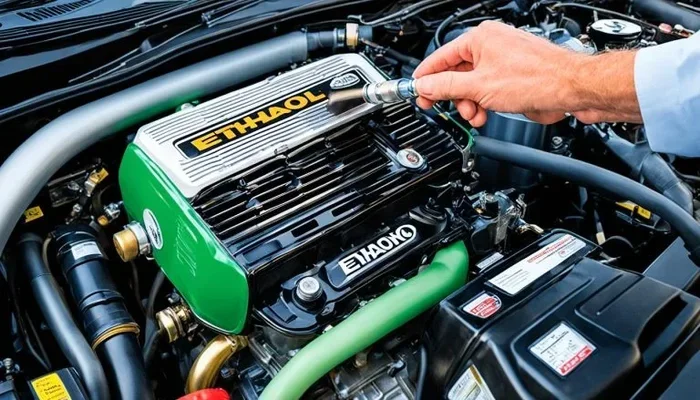
Ethanol is the most widely used alcohol fuel in the world. It is made by fermenting sugars from crops like corn, sugarcane, and wheat. In the United States, most gasoline already contains a small amount of ethanol, usually around 10%. This blend is known as E10. Higher blends like E15 and E85 contain more ethanol and are used in specific vehicles.
Methanol, also known as wood alcohol, is another type of alcohol fuel. It is usually made from natural gas, coal, or biomass. Methanol has been used in racing for years because of its high octane rating and clean-burning properties. However, it is less common for everyday passenger vehicles.
How Alcohol Fuel Is Made
Ethanol is produced through a process called fermentation. Here is a simple breakdown of how it works:
- Step 1: Crops like corn or sugarcane are harvested and crushed to extract sugars.
- Step 2: Yeast is added to the sugars, which converts them into alcohol through fermentation.
- Step 3: The alcohol is distilled and purified to create fuel-grade ethanol.
- Step 4: The ethanol is blended with gasoline to create different fuel blends.
Methanol production is a bit different. It is usually made through a chemical process that converts natural gas or biomass into methanol. Both processes result in fuels that can power internal combustion engines, but each has its own characteristics and requirements.
How Does Alcohol Fuel Work in a Car Engine?
When you put fuel into your car, the engine mixes it with air and ignites it to create power. Alcohol fuel works in a similar way, but with some key differences. Alcohol has a higher oxygen content than gasoline, which means it burns more completely. This leads to fewer harmful emissions coming out of your exhaust.
Alcohol fuels also have a higher octane rating than regular gasoline. Octane rating measures how well a fuel resists knocking or pinging in the engine. Higher octane means the fuel can handle more compression before igniting, which can lead to better engine performance.
However, alcohol fuels also have a lower energy density than gasoline. This means you need more alcohol fuel to get the same amount of energy as gasoline. In practical terms, this often translates to lower fuel economy when running on alcohol blends.
The Combustion Process
Here is a simple look at how alcohol fuel burns inside an engine:
- The fuel is injected into the engine cylinder.
- It mixes with air drawn into the cylinder.
- The spark plug ignites the mixture.
- The combustion pushes the piston down, creating power.
- The exhaust gases are released through the tailpipe.
Because alcohol contains oxygen in its molecular structure, it burns more evenly and completely. This is why alcohol fuels tend to produce fewer carbon deposits and cleaner exhaust. It is one of the main reasons why many car enthusiasts and environmentalists are interested in alcohol combustion as a viable alternative to traditional gasoline.
Types of Alcohol Fuels for Cars
Not all alcohol fuels are the same. There are several different types, each with its own properties and uses. Understanding these differences is important if you are considering switching to alcohol fuel.
Ethanol (E10, E15, E85)
Ethanol is the most common alcohol fuel used in passenger vehicles. Here are the most common blends you will encounter:
- E10: Contains 10% ethanol and 90% gasoline. This is the most common fuel blend in the United States and is safe for virtually all gasoline engines.
- E15: Contains 15% ethanol. It is approved for use in most vehicles manufactured after 2001.
- E85 (Flex Fuel): Contains 51% to 83% ethanol, depending on the season and location. It is designed for flex fuel vehicles only.
Methanol
Methanol is a powerful alcohol fuel that has been used in motorsports for decades. It burns very cleanly and has a very high octane rating. However, methanol is corrosive and can damage fuel lines and seals in standard gasoline engines. It requires specialized engine components and fuel system materials to work safely.
Butanol
Butanol is another alcohol fuel that has gained attention in recent years. It has a higher energy density than ethanol, meaning it provides more miles per gallon. Butanol is also less corrosive and more compatible with existing gasoline infrastructure. However, it is still in the early stages of production and is not widely available to consumers yet.
Can Any Car Run on Alcohol Fuel?
This is one of the most common questions people ask, and the answer is not a simple yes or no. Can a car run on alcohol depends on several factors, including the type of alcohol, the concentration, and the vehicle’s design.
Most modern gasoline cars can run on E10 without any issues. In fact, you have probably been using it for years without realizing it. But running pure ethanol or high-concentration blends like E85 requires a vehicle that is specifically designed or modified for alcohol fuel.
Flex Fuel Vehicles
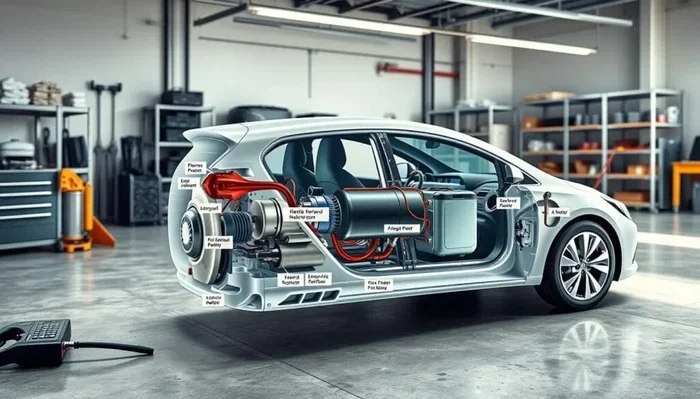
Flex fuel vehicles (FFVs) are the most common type of car that can run on alcohol fuel. These vehicles have engines and fuel systems that are designed to handle multiple fuel types. They can run on gasoline, E85, or any blend in between. The engine control unit automatically adjusts the fuel injection and timing based on the fuel type detected.
Popular flex fuel vehicles from manufacturers like Ford, Chevrolet, and Toyota have become increasingly popular in recent years. They give drivers the flexibility to choose between gasoline and alcohol fuel based on availability and price.
Modified Gasoline Engines
It is possible to modify a standard gasoline engine to run on alcohol fuel, but it requires some work. Common modifications include:
- Upgraded fuel lines and seals that are resistant to alcohol corrosion.
- Adjusted fuel injectors to deliver the correct amount of alcohol fuel.
- Modified engine timing to account for the different combustion properties.
- Upgraded fuel pumps to handle the different fuel requirements.
These modifications can be expensive, and they may void your vehicle warranty. It is important to consult with a qualified mechanic before making any changes to your fuel system.
Vehicles That Cannot Run on Alcohol
Some vehicles are not compatible with alcohol fuels at all. Older cars with carbureted engines, certain European models, and vehicles with specific fuel system materials may not handle alcohol well. Always check your owner’s manual or consult with a dealer to confirm your vehicle’s fuel compatibility before using any alcohol-based fuel.
Pros and Cons of Alcohol Fuel
Like any fuel type, alcohol fuel comes with its own set of advantages and disadvantages. Let us take a closer look at what they are.
The Benefits of Alcohol Fuel
- Renewable and Sustainable: Alcohol fuels are made from plants, which can be grown and harvested repeatedly. This makes them a much more sustainable option than fossil fuels.
- Cleaner Burning: Alcohol fuel produces fewer harmful emissions, including carbon monoxide and particulate matter. This is better for air quality and public health.
- Higher Octane Rating: Alcohol fuels have higher octane ratings, which can improve engine performance and efficiency in compatible vehicles.
- Reduces Dependence on Oil: Using alcohol fuel reduces our reliance on imported petroleum, which can improve energy security and stability.
- Supports Agriculture: Ethanol production creates demand for crops like corn and sugarcane, which supports farmers and rural economies.
The Drawbacks of Alcohol Fuel
- Lower Fuel Economy: Because alcohol has a lower energy density than gasoline, you will typically get fewer miles per gallon on alcohol fuel blends.
- Corrosion Issues: Alcohol can be corrosive to certain fuel system components, especially in older vehicles not designed for alcohol fuel.
- Limited Availability: E85 and other high-ethanol blends are not available at all gas stations. You may need to search for a fuel station that carries them.
- Food vs. Fuel Debate: Using crops like corn for fuel production can raise concerns about food supply and pricing.
- Higher Cost in Some Regions: Depending on where you live, alcohol fuel may cost more per gallon than regular gasoline.
Quick Comparison Table
| Feature | Gasoline | Ethanol (E85) | Methanol |
|---|---|---|---|
| Energy Density | High | Lower | Lowest |
| Octane Rating | 87-93 | 100-108 | 109+ |
| Emissions | Moderate | Low | Very Low |
| Renewable | No | Yes | Partially |
| Availability | Widely Available | Limited | Very Limited |
| Engine Compatibility | All Gasoline Engines | Flex Fuel Only | Modified Only |
Is Alcohol Fuel the Future of Driving?
The conversation around alternative fuels is growing louder every year. As concerns about climate change and fossil fuel depletion increase, alcohol fuel is emerging as a serious contender for the future of transportation. But is it really the answer?
The truth is that alcohol fuel is not a perfect solution, but it is a step in the right direction. It offers a cleaner-burning, renewable option that can work with existing engine technology, especially in flex fuel vehicles. As production methods improve and costs come down, alcohol fuel could become a much more common sight at the pump.
Researchers are also exploring second-generation biofuels made from non-food crops, agricultural waste, and even algae. These biofuel sources could solve the food vs. fuel debate and make alcohol fuel production more sustainable and efficient.
Governments around the world are also investing in alcohol fuel infrastructure. Brazil, for example, has been a leader in ethanol production for decades, and a large percentage of its vehicles run on sugarcane-based ethanol. The United States, Sweden, and other countries are also expanding their alcohol fuel programs.
For everyday drivers, the most practical step is to consider a flex fuel vehicle if you are in the market for a new car. These vehicles give you the flexibility to use whichever fuel is most available and affordable in your area. They also help reduce your carbon footprint without requiring any major lifestyle changes.
Common Mistakes People Make with Alcohol Fuel
Switching to alcohol fuel can be straightforward, but there are some common mistakes that drivers should avoid:
- Using E85 in a non-flex fuel vehicle: This can cause engine damage and void your warranty. Always check your vehicle’s fuel compatibility first.
- Ignoring fuel system maintenance: Alcohol fuel can be harder on fuel lines and seals over time. Regular inspection and maintenance are important.
- Assuming alcohol fuel saves money: While it can be cheaper per gallon, the lower fuel economy may offset the savings. Calculate your cost per mile before making the switch.
- Not storing alcohol fuel properly: Alcohol fuel absorbs moisture from the air, which can cause fuel system problems. Store it in sealed, proper containers.
Expert Insights on Alcohol Fuel
We spoke with automotive engineers and fuel experts to get their take on alcohol fuel. Here is what they had to say:
“Alcohol fuel is not a magic bullet, but it is a valuable tool in our transition toward cleaner transportation. Flex fuel vehicles give consumers a practical way to reduce their environmental impact today, without waiting for electric vehicle infrastructure to catch up.” — Dr. Sarah Mitchell, Automotive Engineer
“The biggest advantage of ethanol is that it works with existing engine technology. We do not need to completely redesign vehicles to use it. That makes it one of the most accessible alternative fuels available right now.” — James Carter, Fuel Systems Specialist
Final Thoughts on Alcohol Fuel
So, can a car run on alcohol? The answer is a resounding yes, with the right vehicle and the right fuel type. Alcohol fuel offers a cleaner, renewable alternative to traditional gasoline that has real benefits for the environment and for energy independence.
Whether you drive a flex fuel vehicle or are considering a switch, understanding how alcohol fuel works and what it takes to use it safely is essential. The technology is proven, the infrastructure is growing, and the environmental benefits are clear.
As with any fuel choice, it comes down to your specific needs, your vehicle, and your local fuel availability. Do your research, consult with experts, and make an informed decision. Alcohol fuel might just be the smart choice for your next tank of gas.
The road ahead is exciting, and alcohol fuel is playing a key role in shaping the future of how we power our vehicles. Keep an open mind, stay informed, and keep exploring the options that work best for you and your driving lifestyle.
Frequently Asked Questions
Can any car run on alcohol fuel?
Not every car can run on alcohol fuel. Only flex fuel vehicles and modified gasoline engines can safely use high-concentration alcohol blends like E85. Most standard gasoline cars can handle E10, which is a 10% ethanol blend commonly found at gas stations. Always check your owner’s manual before switching fuels.
What is the difference between ethanol and methanol fuel?
Ethanol is made from plant materials like corn and sugarcane, while methanol is usually produced from natural gas or biomass. Ethanol is the most common alcohol fuel used in passenger vehicles, whereas methanol is more often used in racing and industrial applications. Methanol is also more corrosive and requires specialized engine components.
Does alcohol fuel save money?
It depends on your location and fuel prices. Alcohol fuel like E85 can be cheaper per gallon than gasoline, but it typically provides lower fuel economy. This means you may need to buy fuel more often. Calculate your cost per mile to determine if alcohol fuel saves you money in the long run.
Is alcohol fuel better for the environment?
Yes, alcohol fuel generally produces fewer harmful emissions than gasoline. It burns cleaner and releases less carbon monoxide and particulate matter. Since ethanol is made from renewable plant sources, it also has a lower overall carbon footprint compared to fossil fuels like gasoline.
Can I mix alcohol fuel with gasoline?
Yes, in flex fuel vehicles, you can mix alcohol fuel with gasoline or use them separately. The engine control system automatically adjusts to whatever fuel blend is in the tank. However, in non-flex fuel vehicles, you should stick to the recommended fuel type to avoid engine damage.
Where can I find alcohol fuel stations?
Alcohol fuel stations, particularly those offering E85, are most common in the Midwest United States. You can use online fuel station locators or mobile apps to find the nearest station that carries alcohol fuel blends. Availability is growing as more stations invest in flex fuel pumps.
=== CONCLUSION ===
Can a car run on alcohol fuel? Absolutely. With the right vehicle and the right approach, alcohol fuel is a viable, cleaner, and more sustainable option for powering your car. From flex fuel vehicles to modified engines, the technology is ready and the benefits are real. As the world moves toward cleaner energy, alcohol fuel will continue to play an important role in shaping the future of transportation.