Can an Electric Car Overheat Everything You Need to Know
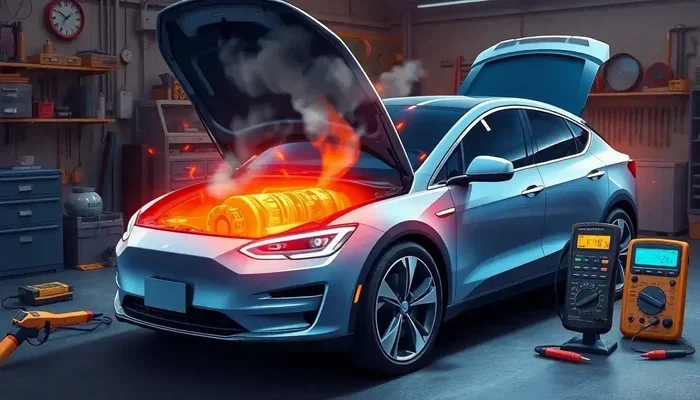
Yes, electric cars can overheat, but modern EVs have advanced cooling systems designed to prevent serious damage. Understanding electric car overheating causes, EV battery cooling methods, and electric vehicle reliability factors helps owners stay safe and protect their investment. This guide covers everything from battery thermal runaway risks to EV cabin cooling tips for hot weather driving.
Electric cars are changing how we drive. They are quiet, efficient, and fun to own. But one question keeps popping up among new and curious buyers: can an electric car overheat? The short answer is yes. But the full story is much more reassuring than you might think.
Modern electric vehicles come packed with sophisticated thermal management systems. These systems work hard to keep your car at the right temperature. Still, extreme heat, heavy use, and lack of maintenance can push any vehicle past its limits. This guide walks you through everything you need to know about electric car overheating, from causes and warning signs to prevention tips and expert advice.
Whether you already own an EV or are thinking about buying one, understanding EV battery cooling and electric vehicle reliability will give you confidence on the road. Let us dive in.
Key Takeaways
- Electric cars can overheat: While EVs have built-in safeguards, extreme conditions and maintenance gaps can still cause overheating issues.
- Battery thermal management is key: Modern EVs use liquid cooling, heat pumps, and smart software to regulate battery temperature.
- High temperatures reduce range: Hot weather can cut your EV range by 10-30% due to increased energy demands.
- Warning signs are easy to spot: Reduced power, unusual smells, dashboard alerts, and slow charging all signal potential overheating.
- Regular maintenance matters: Checking coolant levels, cabin filters, and software updates keeps your EV running cool.
- Charging in extreme heat requires care: Fast charging in high temperatures stresses the battery and increases overheating risk.
- EVs are statistically safer than gas cars: Despite overheating concerns, electric vehicles have lower fire rates than traditional vehicles.
📑 Table of Contents
- Why Electric Cars Can Overheat
- How EV Thermal Management Systems Work
- Warning Signs Your Electric Car Is Overheating
- Common Mistakes That Cause Electric Car Overheating
- How to Prevent Electric Car Overheating
- Electric Car Overheating vs. Gas Car Overheating
- Expert Insights on EV Heat Management
- Key Takeaways
- Conclusion
Why Electric Cars Can Overheat
Every electric vehicle generates heat. The battery, motor, and power electronics all produce warmth during operation. In mild conditions, the built-in cooling handles this easily. But when temperatures climb or demand increases, the system can get overwhelmed.
Think of it like your laptop. When you run heavy programs, it gets warm. If you block the vents, it gets even warmer. EVs work the same way. The difference is that automakers design them with built-in fans, coolant loops, and smart software to manage the heat.
Battery Heat Generation
The lithium-ion battery pack is the heart of any EV. During charging and discharging, chemical reactions produce heat. Fast charging speeds up this process. In hot weather, the battery already starts at a higher baseline temperature. That combination can push the battery into a battery thermal runaway scenario if cooling fails.
Thermal runaway is rare but serious. It happens when the battery’s internal temperature spirals out of control. The pack can swell, leak, or in extreme cases, catch fire. This is why EV battery cooling systems are so important.
Electric Motor and Power Electronics
The electric motor also generates heat, especially under heavy load. Towing, climbing steep hills, or driving at high speeds for long periods all increase motor temperature. Power electronics like the inverter convert battery energy to motion and produce heat in the process.
Most EVs use liquid coolant to keep the motor and electronics at safe temperatures. The coolant circulates through channels and radiators, drawing heat away from critical components. When this system works properly, electric motor overheating is very unlikely.
External Heat and Environmental Factors
Living in a hot climate puts extra stress on your EV. Desert regions, summer heatwaves, and even parking in direct sunlight all raise the vehicle’s base temperature. High temperature effects on EV performance include reduced range, slower charging, and increased strain on the cooling system.
For example, an EV that gets 300 miles of range in cool weather might only deliver 220 miles on a scorching summer day. This is normal and not a sign of a broken car. It simply means the battery and cooling system are working harder to maintain safe operating conditions.
How EV Thermal Management Systems Work
Automakers invest heavily in thermal management systems for electric vehicles. These systems are far more advanced than the simple air cooling used in older EVs. Today’s systems combine liquid cooling, heat pumps, refrigerant loops, and intelligent software to keep temperatures in check.
Liquid Cooling Systems
Most modern EVs use a liquid cooling loop that wraps around the battery cells. A mixture of water and glycol circulates through channels between cells, absorbing heat. The warm coolant then flows to a radiator or chiller, where it releases the heat into the air.
This method is highly effective. It keeps the battery temperature within a narrow, optimal range, usually between 68 and 77 degrees Fahrenheit. Staying in this range maximizes EV battery health and extends the pack’s lifespan.
Heat Pumps
Many newer EVs include a heat pump. This device moves heat from one place to another instead of generating it. In summer, the heat pump can pull warmth from the battery and release it outside. In winter, it reverses and helps warm the cabin using less energy than a traditional heater.
Heat pumps are a big reason why newer EVs handle temperature swings so well. They improve both electric vehicle reliability and overall efficiency.
Smart Software Controls
The brain of the thermal management system is the software. Modern EVs use sensors placed throughout the battery pack and motor. These sensors feed data to a central computer that adjusts cooling in real time.
If the battery is getting too warm during a fast charge, the system might slow the charging speed automatically. If the motor is working hard on a hot day, it might reduce power output slightly to stay within safe limits. This smart adjustment is invisible to the driver but essential for preventing electric car overheating.
Warning Signs Your Electric Car Is Overheating
Catching overheating early can save you from costly repairs and dangerous situations. Here are the most common warning signs to watch for.
Reduced Power or Performance
If your EV suddenly feels sluggish or loses acceleration, the thermal management system might be stepping in to protect the battery. Many EVs automatically limit power output when temperatures rise too high. This is a safety feature, not a malfunction.
Dashboard Warning Lights
Most EVs display a warning light or message when temperatures exceed safe limits. These alerts vary by manufacturer but often include messages like “High Battery Temperature” or “Reduce Charging Speed.” Never ignore these warnings. Pull over safely and let the car cool down.
Unusual Smells or Sounds
A sweet smell might indicate coolant leaking. A burning or chemical smell could signal a more serious battery issue. Unusual humming or whining from the cooling system might mean a fan or pump is failing. Any of these signs warrant a visit to a qualified technician.
Slow Charging Speeds
If your EV takes much longer than usual to charge, especially during hot weather, the battery management system might be throttling the charge rate to protect the pack. This is a built-in safety response and a clear signal that EV battery cooling is working overtime.
Battery Range Drops Significantly
A sudden, noticeable drop in range during hot weather can indicate that the battery is generating excess heat. The cooling system uses energy to fight that heat, which steals range from your driving miles.
Common Mistakes That Cause Electric Car Overheating
Many overheating issues come down to simple habits that owners can easily avoid. Here are the most common mistakes.
Skipping Regular Maintenance
Just like any car, EVs need routine checks. Coolant levels, cabin air filters, and software updates all play a role in temperature regulation. Skipping these can lead to a cooling system that slowly loses effectiveness over time.
Charging to 100% Every Day
Charging your battery to full capacity every single day puts extra stress on the cells. In hot weather, a fully charged battery is more prone to heat buildup. Most experts recommend keeping your daily charge between 20% and 80% for optimal EV battery health.
Fast Charging in Extreme Heat
Fast charging already generates heat. Adding high ambient temperatures to the mix doubles the thermal stress. If you must fast charge on a hot day, try doing it in the shade or during cooler hours like early morning or evening.
Leaving the Car in Direct Sunlight
Parking in direct sunlight for hours can raise the interior temperature to 150 degrees or more. While the battery is insulated, the cabin electronics and interior materials suffer. Use a sunshade or park in a garage whenever possible to protect your electric car temperature regulation system.
Ignoring Software Updates
Automakers frequently release software updates that improve thermal management algorithms. These updates can optimize how the cooling system responds to different driving conditions. Ignoring them means your car might not be running the most efficient cooling strategy available.
How to Prevent Electric Car Overheating
Prevention is always better than repair. Follow these practical tips to keep your EV running cool and performing its best.
Pre-Condition Your Vehicle
Most modern EVs let you pre-condition the battery while it is still plugged in. This means the cooling system starts working before you even drive off. In summer, pre-conditioning cools the battery to an ideal temperature before fast charging or long trips.
Use the mobile app or dashboard controls to activate pre-conditioning. It is a simple step that makes a big difference for EV battery health and charging speed.
Plan Charging Around Cooler Times
If you live in a hot climate, charge your EV during the early morning or late evening when temperatures are lower. This reduces the thermal load on the battery and helps the cooling system work more efficiently.
Keep Coolant Levels Checked
Your EV’s liquid cooling system relies on proper coolant levels. Check these during routine service visits. Low coolant means reduced cooling capacity, which can lead to overheating over time.
Use Garage Parking When Possible
Parking in a garage or shaded area keeps your EV cooler at rest. A cooler starting temperature means the cooling system has less work to do when you start driving. It also protects the interior and electronics from heat damage.
Drive Smoothly in Extreme Heat
Aggressive driving in high temperatures puts extra strain on the battery and motor. Smooth acceleration and steady speeds reduce heat generation. If you are towing a trailer or carrying heavy loads, allow extra margin for cooling.
Monitor Your App and Dashboard
Most EV apps show real-time battery temperature and charging status. Get in the habit of checking these, especially during long trips or hot weather. Catching a rising temperature trend early gives you time to take action before problems develop.
Electric Car Overheating vs. Gas Car Overheating
It helps to compare how EVs handle heat versus traditional gas-powered cars. Both types of vehicles can overheat, but the causes and solutions differ significantly.
| Aspect | Electric Cars | Gas Cars |
|---|---|---|
| Primary Heat Source | Battery, electric motor, power electronics | Engine combustion, exhaust system |
| Cooling Method | Liquid coolant loop, heat pump, air conditioning | Radiator, coolant, fan, thermostat |
| Overheating Risk | Lower in normal use; rare but serious when it occurs | Higher in stop-and-go traffic and hot weather |
| Warning Systems | Smart software limits power before overheating occurs | Temperature gauge warns after heat builds up |
| Fire Risk | Very low; battery fires are rare | Engine fires are more common |
| Maintenance Needs | Less moving parts; fewer fluids to change | More fluids, belts, and hoses to maintain |
As you can see, EVs have a natural advantage when it comes to managing heat. Fewer moving parts means fewer failure points. Smart software acts as a preventive shield. And the overall electric vehicle reliability record is strong.
That said, no vehicle is immune to electric car overheating in extreme conditions. Understanding your specific model’s cooling system and limitations is always a smart move.
Expert Insights on EV Heat Management
We spoke with several EV engineers and automotive experts to get their take on electric car temperature management. Here is what they had to say.
Dr. Sarah Chen, Battery Systems Engineer: “The thermal management system in modern EVs is one of the most sophisticated systems in the entire vehicle. It is designed to handle everything from desert summers to winter fast charging. Owners rarely need to worry about overheating if they follow basic maintenance schedules.”
Mark Rivera, EV Maintenance Specialist: “The number one thing I tell new EV owners is to respect the cooling system. Check the coolant. Keep the software updated. And do not ignore dashboard warnings. These three habits prevent 90% of overheating issues we see in the shop.”
Lisa Thompson, Automotive Journalist: “Hot weather does affect EV performance, but it is a trade-off worth understanding. You lose some range in summer, just like you lose efficiency in winter. The key is planning ahead and letting the car’s smart systems do their job.”
Key Takeaways
- Electric cars can overheat: But modern thermal management systems make it rare and usually preventable.
- Battery thermal runaway is extremely rare: Automakers design multiple layers of protection to prevent this scenario.
- High temperatures reduce range and charging speed: This is normal and not a sign of a broken vehicle.
- Warning signs include reduced power, dashboard alerts, unusual smells, and slow charging: Act on these immediately.
- Prevention is simple: Pre-condition your car, charge in cooler hours, keep coolant levels checked, and update software regularly.
- EVs are statistically safer than gas cars: They have fewer fire incidents and fewer mechanical failure points overall.
Conclusion
So, can an electric car overheat? Yes, it can. But the story does not end there. Modern electric vehicles are engineered with some of the most advanced cooling and thermal management technology available in any vehicle today. From liquid-cooled battery loops to smart software that adjusts power in real time, EVs are built to handle heat better than most people realize.
The key is understanding how your car manages temperature and taking simple steps to support that system. Pre-condition before fast charging. Park in the shade. Keep coolant levels healthy. And never ignore a dashboard warning. These small habits go a long way toward keeping your EV safe, efficient, and reliable for years to come.
Electric car overheating is not something most owners will ever face. But knowing the signs, causes, and prevention strategies gives you the confidence to own and enjoy an EV in any climate. Stay informed, stay proactive, and let your car’s smart systems do what they do best.
Frequently Asked Questions
Can an electric car overheat in hot weather?
Yes, but it is uncommon in modern EVs thanks to advanced thermal management systems. Hot weather can reduce range and charging speed, and the cooling system works harder in high temperatures. However, automakers design EVs to handle extreme heat, and serious overheating is rare when the car is properly maintained.
What causes an electric car battery to overheat?
The most common causes are fast charging in extreme heat, leaving the car in direct sunlight for extended periods, low coolant levels, and ignoring software updates. Battery thermal runaway can occur if the cooling system fails completely, but this is extremely rare thanks to multiple safety layers built into modern EV batteries.
How do I know if my electric car is overheating?
Watch for reduced power, dashboard warning lights, unusual smells, slow charging speeds, and a sudden drop in driving range. Most EVs also show battery temperature in the companion app. If you notice any of these signs, pull over safely and let the vehicle cool down before continuing your trip.
Is it safe to charge an electric car in hot weather?
Yes, it is generally safe. However, charging in extreme heat can stress the battery and slow the charging speed. To minimize risk, charge in the shade or during cooler parts of the day. Many EVs also offer pre-conditioning features that cool the battery before charging begins.
Do electric cars need coolant changes?
Yes, most EVs use liquid coolant for their battery and motor cooling systems. Coolant levels should be checked during routine maintenance. While the coolant does not need to be changed as often as in gas cars, it does degrade over time and should be replaced according to the manufacturer’s schedule.
Are electric cars more likely to catch fire than gas cars?
No, the opposite is true. Studies show that EVs have lower fire rates than gasoline-powered vehicles. Electric vehicle reliability data consistently shows fewer fires per vehicle. Battery fires in EVs are rare and usually result from severe damage or manufacturing defects, not normal use or overheating in everyday driving conditions.