Car Has Trouble Starting After Getting Gas Here Is Why
When your car has trouble starting after getting gas, it can be frustrating and confusing. The issue often stems from common fuel system problems like a weak fuel pump, vapor lock, or a loose gas cap. Other culprits include dirty fuel, a clogged fuel filter, or a faulty check engine light trigger. In this guide, we break down every possible cause and give you clear, step-by-step fixes. By the end, you will know exactly what to do and how to prevent it from happening again.
This is a comprehensive guide about Car Has Trouble Starting After Getting Gas.
Key Takeaways
- Vapor lock and fuel pump issues are the most common reasons a car has trouble starting after getting gas.
- A loose or damaged gas cap can trigger the check engine light and cause starting problems.
- Dirty or contaminated fuel from the station can clog your fuel filter and injectors.
- Spark plug and ignition system problems may worsen after refueling due to fuel system disruptions.
- Regular maintenance like replacing the fuel filter and checking the fuel pump relay can prevent starting issues.
- EVAP system malfunctions related to refueling can lead to engine stalling and hard starts.
- Knowing the signs early saves you from costly repairs and unexpected breakdowns.
[FEATURED_IMAGE_PLACEHOLDER]
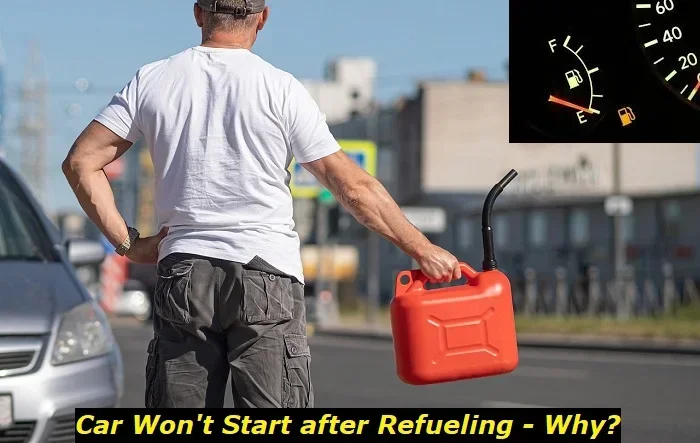
You just pulled into the gas station, filled up your tank, and went to leave. You turn the key. Nothing happens. Or maybe the engine cranks but won’t start. This is one of those moments that makes you want to pull the hair out of your head.
The truth is, this problem is more common than you think. Thousands of drivers face a car has trouble starting after getting gas every single week. And the good news is that most of the time, the fix is simple and inexpensive. The bad news is that if you ignore it, a small problem can turn into a big one.
In this article, we are going to walk you through every possible reason your engine might be acting up after a fill-up. We will also give you practical fixes you can do at home and tips to keep this from happening again. Whether your car cranks but won’t start or it just clicks and dies, we have you covered.
Why Does a Car Has Trouble Starting After Getting Gas?
Understanding the root cause is the first step to fixing the problem. Your car’s starting system depends on a delicate balance of fuel, air, and spark. When you add gasoline to the tank, you are introducing a new variable into that system. Sometimes that variable causes problems.
Several things can go wrong during or right after refueling. A vapor lock can form when hot fuel lines meet ambient heat. A weak fuel pump might struggle to push fuel through the system after the tank is topped off. Or a loose gas cap might let fuel vapors escape, triggering your check engine light and throwing off the engine’s air-fuel ratio.
The Fuel System Connection
Your fuel system is responsible for delivering gasoline from the tank to the engine. It includes the fuel pump, fuel filter, fuel lines, and fuel injectors. When any part of this system gets disrupted, your engine can have a hard time starting. After getting gas, the system resets with fresh fuel, and if something is already weak or worn out, it shows up right away.
Think of it like this. Your fuel system is a highway for gasoline. If there is construction on that highway, traffic slows down. When you add a full tank, the extra volume puts more pressure on the system. If there is already a bottleneck, the car has trouble starting after getting gas becomes a real problem.
Common Causes of Starting Problems After Refueling
Let us get into the specific reasons your car might refuse to start after a trip to the gas station. Each cause has clear symptoms and identifiable fixes. Here is a breakdown of the most common culprits.
Vapor Lock
Vapor lock is one of the top reasons a car has trouble starting after getting gas. It happens when gasoline in the fuel lines turns into vapor before it reaches the engine. This is more common in older cars with carburetors, but modern fuel-injected engines can experience it too.
When you are refueling, the fuel pump pushes hot gasoline through the lines. If the ambient temperature is high or the engine was just running, the fuel can vaporize in the lines. The result is an air pocket that blocks fuel flow. Your engine cranks but won’t start because it is not getting the fuel it needs.
Symptoms of vapor lock include:
- Engine cranks slowly or not at all after refueling
- Engine stalls shortly after starting
- Car starts fine once it cools down
- Fuel gauge fluctuates oddly after filling up
Faulty Fuel Pump
Your fuel pump sits inside the gas tank and pushes fuel to the engine under pressure. Over time, fuel pumps wear out. When you add a full tank, the pump has to work harder to move the fuel through the system. If the pump is already weak, this extra demand can cause a car has trouble starting after getting gas.
A failing fuel pump often gives you warning signs before it completely dies. You might notice your engine sputtering at high speeds, a whining noise from the tank, or a loss of power when carrying a heavy load. If the pump fails entirely, your engine will crank but never fire up.
Clogged Fuel Filter
The fuel filter catches dirt and debris before they reach your engine. Over time, it gets clogged. When you fill up, the extra volume of fuel pushes through a dirty filter, and the flow gets restricted. This can lead to engine stalling and difficulty starting.
Most fuel filters need to be replaced every 20,000 to 40,000 miles. If you have not changed yours in a while, this could be the cause of your starting problems. A clogged fuel filter is one of the easiest and cheapest fixes, so it is always worth checking first.
Loose or Damaged Gas Cap
This one surprises a lot of people. A loose gas cap can cause your car to have trouble starting after getting gas. Here is how it works. Your car has an EVAP system (Evaporative Emission Control system) that captures fuel vapors and sends them to the engine to be burned.
When the gas cap is loose or damaged, fuel vapors escape instead of being recaptured. This triggers the check engine light and can mess with the air-fuel mixture. In some cases, the engine control unit adjusts the fuel delivery based on incorrect vapor readings, causing a rough start or no start at all.
Quick tip: After you fill up, always listen for the click when you tighten the gas cap. If it does not click or feels loose, replace it. A new gas cap costs under five dollars and can save you a trip to the mechanic.
Contaminated or Dirty Fuel
Not all gasoline is created equal. Sometimes the fuel at a gas station contains water, dirt, or other contaminants. If you fill up at a station with a low fuel turnover, you might end up with dirty fuel in your tank.
Contaminated fuel can clog your fuel injectors and disrupt the combustion process. The car has trouble starting after getting gas because the engine simply cannot burn the dirty fuel properly. You might notice a rough idle, engine misfire, or a strong smell of fuel in the exhaust.
How to avoid this: Stick to reputable gas stations with high fuel turnover. Avoid stations that look poorly maintained or have recently had their tanks filled. If you suspect bad fuel, do not keep driving on it.
Fuel Pump Relay Issues
The fuel pump relay controls the electrical current that powers the fuel pump. When you turn your key to the on position, the relay sends power to the pump, which primes the fuel system. If the relay is faulty, the pump might not get the power it needs after refueling.
Relay issues are more common in older vehicles and in extreme temperatures. A bad relay can cause intermittent starting problems that seem to appear out of nowhere. The car might start fine one day and refuse to start the next.
How to Diagnose the Problem Yourself
Before you rush to the mechanic, there are several things you can check at home. These simple diagnostic steps can save you time and money. Here is a step-by-step guide to finding the cause of your starting problem.
Step 1: Check the Gas Cap
Remove the gas cap and inspect it. Look for cracks, warping, or a worn seal. Tighten it firmly until you hear the click. If the check engine light was on, drive for a few miles and see if it turns off. In many cases, a loose gas cap is the entire problem.
Step 2: Listen to the Fuel Pump
Turn the key to the on position without starting the engine. You should hear a faint humming sound from the back of the car. This is the fuel pump priming the system. If you hear nothing, the pump or the relay might be the issue.
Step 3: Check for Fuel Odor
Sniff around the engine bay after filling up. A strong fuel smell can indicate a leak in the fuel system, a flooded engine, or a problem with the EVAP system. Any fuel odor after refueling is worth investigating.
Step 4: Observe the Check Engine Light
If the check engine light comes on after you fill up, pay attention to it. Use an OBD-II scanner to read the error codes. Common codes related to starting problems after refueling include P0441 (EVAP system malfunction) and P0087 (low fuel rail pressure). These codes give you a clear direction for troubleshooting.
Step 5: Check the Fuel Pressure
If you have access to a fuel pressure gauge, test the pressure at the fuel rail. Compare your reading to the manufacturer’s specifications. Low fuel pressure often points to a weak fuel pump or a clogged filter.
Easy Fixes You Can Do at Home
Once you have identified the cause, most fixes are straightforward. Here are some things you can do yourself without calling a mechanic.
Replace the Gas Cap
If the gas cap is cracked or does not seal properly, replace it immediately. This is the cheapest and easiest fix for a car has trouble starting after getting gas. You can find a replacement cap at any auto parts store for just a few dollars.
Change the Fuel Filter
A new fuel filter can work wonders. It restores proper fuel flow and removes contaminants from the system. Most car owners can replace a fuel filter in under 30 minutes with basic tools. Check your owner’s manual for the location and replacement interval.
Add Fuel System Cleaner
If you suspect dirty fuel or clogged injectors, add a quality fuel system cleaner to your tank. Products like Techron or Sea Foam can dissolve deposits and restore proper fuel flow. Use it after every fill-up for best results, especially if you frequently drive short distances.
Let the Engine Cool Before Starting
If vapor lock is the issue, simply waiting for the engine to cool down can resolve the problem. Avoid running the engine for extended periods in high heat right before refueling. Letting the car sit for a few minutes after filling up can also help the fuel system stabilize.
Replace the Fuel Pump Relay
A faulty fuel pump relay is a simple and inexpensive replacement. Consult your owner’s manual or a repair guide to locate the relay in your specific vehicle. Swapping it out takes just a few minutes and can solve intermittent starting problems caused by a bad relay.
When to See a Mechanic
Not every starting problem can be fixed at home. Some issues require professional diagnosis and repair. Here are the signs that it is time to see a mechanic.
If your car cranks but won’t start after multiple attempts, the fuel pump might be completely dead. A mechanic can test the pump and replace it if needed. Fuel pump replacement is a more expensive repair, typically costing between 200 and 800 dollars depending on your vehicle.
You should also see a mechanic if the check engine light stays on after replacing the gas cap. Persistent check engine lights after refueling can indicate deeper problems with the EVAP system, oxygen sensors, or the engine control unit. These issues require specialized diagnostic equipment and expertise.
Another reason to seek professional help is if you notice fuel leaks. A fuel leak is a serious safety hazard and should never be ignored. If you smell fuel inside the cabin or see puddles under the car after filling up, stop driving and have the vehicle towed to a shop.
Expert tip: Keep a record of when your starting problems occur. Note the time of day, the weather, the gas station you visited, and how long the engine cranks before starting or failing to start. This information can help your mechanic diagnose the problem faster and more accurately.
Prevention Tips to Avoid Starting Problems After Refueling
The best way to deal with a car has trouble starting after getting gas is to prevent it from happening in the first place. Here are some simple habits that can keep your engine running smoothly after every fill-up.
Always Tighten the Gas Cap Properly
Make it a habit to tighten the gas cap until you hear three or four clicks. Do not overtighten, as this can damage the seal. A properly sealed gas cap keeps the EVAP system working correctly and prevents fuel vapor loss.
Choose Reputable Gas Stations
Stick to well-known stations with high fuel turnover. Stations that sell fuel quickly are less likely to have contaminated fuel sitting in their underground tanks. Avoid stations that look run-down or have recently had construction work done on their fuel storage systems.
Keep Up with Regular Maintenance
Follow your owner’s manual for maintenance schedules. Replace the fuel filter on time, check the fuel pump condition during routine inspections, and have the ignition system tested regularly. A well-maintained car is far less likely to have starting problems after refueling.
Avoid Running on Empty
Driving with a nearly empty tank can cause the fuel pump to overheat. The pump relies on fuel to cool itself, and when the tank is low, it has to work harder. This accelerates wear and can lead to fuel pump failure over time. Try to keep your tank at least a quarter full at all times.
Use Quality Fuel Additives
Adding a fuel system cleaner every few fill-ups can prevent deposit buildup in the fuel injectors and lines. This keeps the fuel system clean and ensures proper fuel delivery, especially after refueling. It is a small investment that pays off in long-term engine health.
Comparison Table: Common Starting Problems After Refueling
| Problem | Likely Cause | Severity | DIY Fix? |
|---|---|---|---|
| Engine cranks but won’t start | Vapor lock or weak fuel pump | Moderate to high | Sometimes |
| Engine starts then stalls | Clogged fuel filter or dirty fuel | Low to moderate | Yes |
| Check engine light after filling up | Loose gas cap or EVAP issue | Low | Yes |
| No cranking at all | Fuel pump relay or dead pump | High | No |
| Engine misfires after refueling | Contaminated fuel or spark plug issues | Moderate | Partially |
| Clicking sound when turning key | Fuel pump not priming | Moderate to high | Sometimes |
Frequently Asked Questions
Why does my car have trouble starting after getting gas but starts fine later?
This is a classic sign of vapor lock or a heat-related fuel system issue. When the engine and fuel lines are hot after driving, adding fuel can cause vapor pockets to form. Once the engine cools down, the vapor condenses and fuel flow returns to normal. If this keeps happening, have your fuel pump and fuel lines inspected by a professional.
Can bad gas cause a car not to start?
Yes, bad or contaminated gas can definitely prevent your car from starting. Water contamination, dirt, or low-quality fuel can clog the fuel injectors and disrupt combustion. If you suspect bad gas, do not keep driving on it. Drain the tank and refill with fuel from a reputable station.
How do I know if my fuel pump is failing?
Common signs of a failing fuel pump include a whining noise from the tank, hesitation during acceleration, loss of power under load, and difficulty starting especially after the car has been sitting. If you notice these symptoms, have the fuel pump pressure tested as soon as possible.
Is a loose gas cap really a serious problem?
A loose gas cap might seem minor, but it can cause real issues. It triggers the check engine light, disrupts the EVAP system, and can lead to starting problems in some vehicles. Always tighten the gas cap properly after every fill-up. If the cap is damaged, replace it immediately.
How often should I replace my fuel filter?
Most manufacturers recommend replacing the fuel filter every 20,000 to 40,000 miles. However, if you frequently drive in dusty conditions or use fuel from questionable sources, you may need to replace it more often. Check your owner’s manual for the specific interval for your vehicle.
What should I do if my car won’t start after filling up?
First, check the gas cap and make sure it is tight. Wait a few minutes for the fuel system to stabilize. Try starting the car again. If it still does not start, check for the check engine light and use an OBD-II scanner to read any error codes. If the problem persists, call a tow truck and have the vehicle inspected by a mechanic.
Final Thoughts
Having a car has trouble starting after getting gas is a stressful experience, but it is almost always fixable. The most common causes are vapor lock, a weak fuel pump, a clogged fuel filter, a loose gas cap, or contaminated fuel. By understanding these causes and following the fixes and prevention tips in this guide, you can handle the problem with confidence.
Remember that regular maintenance is your best defense against starting problems. Keep your gas cap tight, choose quality fuel, and stay on top of scheduled services. Your car will reward you with reliable starts every single time you turn that key.
Do not ignore the warning signs. If the problem persists or gets worse, seek professional help. A small investment in diagnosis today can save you from a major breakdown tomorrow. Stay proactive, stay informed, and keep your engine running strong.
Frequently Asked Questions
What is Car Has Trouble Starting After Getting Gas?
Car Has Trouble Starting After Getting Gas is an important topic with many practical applications.