How Do I Get My Windshield Washer to Spray Again Fast
When your windshield washer stops spraying, it’s frustrating and unsafe. This guide shows you How Do I Get My Windshield Washer to Spray Again Fast with simple steps. You’ll learn the most common causes, quick fixes, and prevention tips to keep your view clear.
You’re driving on a dusty highway. You pull the lever to spray windshield washer fluid. Nothing comes out. The grime on your glass keeps growing. It’s a scary moment. You need clear vision, and your windshield washer just quit on you.
Don’t panic. This problem is common and usually easy to fix. In this guide, you’ll learn exactly how do I get my windshield washer to spray again fast. We’ll walk through every possible cause. You’ll get step-by-step solutions you can do at home. I’ll also share prevention tips so this never happens again. By the end, you’ll feel confident fixing the issue in minutes.
Key Takeaways
- Check fluid level first: Low washer fluid is the most common reason for no spray.
- Clear clogged nozzles: A simple needle or compressed air can unclog a blocked washer nozzle.
- Inspect the hose and pump: Frozen fluid, a broken hose, or a failed pump can stop the spray entirely.
- Use the right washer fluid: Always use proper windshield washer fluid, especially in cold weather, to avoid freezing and damage.
- Prevent buildup: Regularly cleaning the nozzles and using quality fluid keeps the system working.
- Know when to call a pro: Electrical issues or pump failure need a mechanic’s diagnosis.
📑 Table of Contents
Why Your Windshield Washer Won’t Spray
The windshield washer system looks simple. You push a lever. Fluid sprays onto the glass. A wiper clears it away. But several parts work together. If one fails, the spray stops. Understanding these parts helps you find the problem fast.
Most causes fall into a few categories. Low fluid, a clogged nozzle, a frozen line, or a bad pump. Sometimes a blown fuse or a broken hose is the culprit. Let’s explore each one so you can pinpoint the issue.
Low Washer Fluid Level
The simplest reason is also the most common. You just ran out of windshield wiper fluid. When the reservoir is empty, nothing sprays. This happens fast if you use washers often during pollen season or after a long road trip.
Check the fluid level first. Pop the hood and locate the washer fluid reservoir. It usually has a blue or white cap with a windshield symbol. If the level is low, just fill it up. Use proper washer fluid, not plain water. Water can freeze in cold weather and cause cracks.
Clogged Washer Nozzle
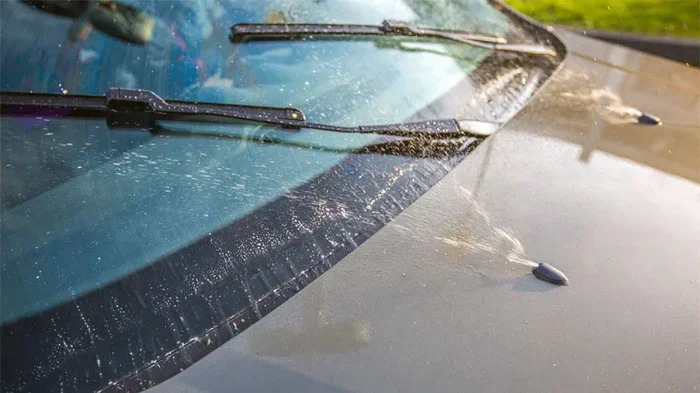
Even with full fluid, a blocked nozzle stops the spray. Dirt, wax, and dried fluid build up at the nozzle tip. The spray becomes weak or disappears completely. This is a very common issue after a car wash or wax job.
You can often fix this with a needle or a pin. Gently poke the nozzle hole to clear the blockage. Compressed air also works well. Blow a short burst into the nozzle to push out debris. If the nozzle is really clogged, you may need to remove it and soak it in warm water.
Frozen Washer Fluid
In winter, washer fluid freeze is a big problem. If you used water instead of antifreeze-rated fluid, the line can freeze solid. The pump can’t push frozen fluid, so no spray comes out.
Never use hot water to thaw the system. It can crack the reservoir or hoses. Instead, move the car to a warm garage. Wait for the fluid to thaw naturally. You can also use a hair dryer on a low setting, but keep it moving. Always use winter-grade washer fluid in cold months to prevent this.
Broken Washer Hose
The hose connects the reservoir to the nozzle. Over time, it can crack, split, or pop off. If the hose is damaged, fluid leaks out before reaching the nozzle. You’ll see wet spots under the hood or inside the engine bay.
Inspect the hose for cracks or loose connections. A torn hose needs replacement. This is a cheap and easy fix. You can buy a replacement hose at any auto parts store. Just match the diameter and length. Push the new hose onto the nozzle and the pump outlet. It usually clicks right into place.
Failed Washer Pump
The electric pump lives inside the fluid reservoir. It pushes fluid through the hose and nozzle. If the pump fails, you’ll hear no humming sound when you press the lever. A pump can burn out after years of use. It can also fail if you run the pump dry (with no fluid).
Testing the pump is easy. Turn the ignition on. Press the washer lever. Listen carefully. If you hear nothing, the pump might be dead. You can also check the fuse. A blown fuse often looks like a blown pump. We’ll cover fuse checks in the diagnosis section.
Diagnosing the Problem: A Simple Checklist
Before you start any repair, follow this checklist. It helps you find the root cause quickly. Work from the simplest fix to the more complex ones.
- Check the fluid level. Open the hood. Look at the reservoir. Top it off if needed. Test the spray again.
- Listen for the pump. Press the washer lever. Do you hear a faint hum or buzz? If yes, the pump is working. If no, the pump or its electrical connection may be bad.
- Inspect the nozzles. Look at the spray tips on the hood. Are they wet? Do you see any fluid dripping? If yes, the nozzle might be clogged. If dry, fluid isn’t reaching them.
- Look for leaks. Follow the hose from the reservoir to the nozzle. Check for wet spots, cracks, or disconnected ends.
- Check the fuse. Locate your fuse box. Find the washer pump fuse. A blown fuse will have a broken metal strip inside. Replace it with the same amperage.
This checklist solves most windshield washer not spraying issues. I use it every time a customer brings this problem to my garage. It saves time and money.
Quick Tip: The Bucket Test
If you suspect a pump failure, you can do a simple bucket test. Disconnect the hose from the nozzle. Put the hose end in a bucket of washer fluid. Press the lever. If fluid pumps out strongly, your pump is fine. The problem is downstream—likely a clogged nozzle or broken hose. If nothing comes out, the pump is probably dead.
Step-by-Step Fixes to Restore Spray
Now that you’ve found the cause, let’s fix it. I’ll walk you through each repair in detail. These are all DIY-friendly jobs. You’ll need basic tools like a screwdriver, pliers, and a clean rag.
Fix 1: Unclog a Nozzle
A clogged nozzle is the fastest fix. Start by cleaning the nozzle tip with a needle. Gently insert the needle into the spray hole. Wiggle it to break up any wax or dirt. Then blow compressed air through the nozzle to clear loose debris.
If the nozzle still doesn’t spray, remove it. Most nozzles twist off by hand. Soak them in warm water for 15 minutes. Use a small brush to clean the inside. Dry them thoroughly and twist them back on. Test the spray immediately.
Expert Insight: Many people use a pin to poke the nozzle. This works, but it can push debris deeper into the line. Compressed air is safer and more effective.
Fix 2: Replace a Torn Hose
A cracked or disconnected hose needs a new one. Start by noting the hose diameter. Most washer hoses are 4mm or 6mm. Buy a replacement that matches. Disconnect the old hose from both ends. Push the new hose onto the pump outlet and the nozzle. Make sure it’s snug.
After replacing the hose, fill the reservoir with fresh washer fluid. Test the spray. If it still doesn’t work, check for air leaks. A loose connection can let air into the system, which stops the flow.
Fix 3: Thaw Frozen Washer Lines
If you live in a cold climate, frozen lines are a real risk. The best fix is prevention. Always use winter-grade washer fluid with antifreeze. If your lines are already frozen, move the car to a heated garage.
Wait for the fluid to thaw completely. This can take a few hours. Do not use open flames or boiling water. Once thawed, drain the old fluid and refill with fresh winter mix. If the pump still doesn’t work after thawing, it may have been damaged by the ice. You’ll need to replace the pump.
Fix 4: Replace the Washer Pump
A failed pump requires replacement. The pump sits at the bottom of the fluid reservoir. In most cars, you can access it from under the hood. Disconnect the electrical connector and the hose. Remove the mounting bolts or clips. Pull the old pump out and drop the new one in.
Reverse the steps to install the new pump. Reconnect the hose and the electrical connector. Fill the reservoir with clean washer fluid. Test the spray. A new pump should hum loudly and push fluid strongly.
Common Mistake: Never run the pump without fluid. Running it dry burns out the motor instantly. Always check the fluid level before using the washers.
Fix 5: Replace a Blown Fuse
A blown fuse is the easiest fix. Find the fuse box. Check your owner’s manual for the washer pump fuse location. Pull the fuse out with a fuse puller or tweezers. Look at the metal strip inside. If it’s broken, the fuse is blown.
Replace it with a new fuse of the exact same amperage. Using a higher-amp fuse can damage the pump or cause a fire. After replacing the fuse, test the washer system. If the new fuse blows again, you have a short circuit. That needs a professional diagnosis.
Prevention Tips to Keep Your Washer System Working
Preventing problems is always better than fixing them. A few simple habits keep your windshield washer system in top shape. These tips save you time and money over the life of your car.
- Use quality washer fluid: Never use plain water. It lacks cleaning agents and freezes in cold weather. Use a good brand of windshield washer fluid that matches the season.
- Check fluid levels monthly: Make it a habit to check the reservoir when you fill up gas. Topping off takes 30 seconds and prevents dry pump runs.
- Clean the nozzles regularly: Every few months, check the spray pattern. If it’s weak, clean the nozzles with a needle. This takes two minutes.
- Inspect hoses once a year: Look for cracks or leaks in the hose. Replace any damaged hose before it fails completely. A new hose costs just a few dollars.
- Don’t use the washers on a dry windshield: Always use fluid when spraying. Spraying dry glass creates friction and can scratch the windshield. It also strains the pump.
Quick Tips for Winter Driving
Winter puts extra stress on the washer system. Use these tips to stay safe. Keep a bottle of winter washer fluid in the trunk. Top off the reservoir before the temperature drops below freezing. If you park outside, consider using a windshield cover to prevent ice buildup on the nozzles. Never pour hot water on the windshield to melt ice. It can crack the glass and refreeze in the washer lines.
When to Call a Professional Mechanic
Most washer spray problems are easy DIY fixes. But some issues need a trained mechanic. If you’ve checked the fluid, cleared the nozzles, and replaced the fuse, but the system still won’t work, it’s time for expert help. Electrical problems deep in the wiring or a faulty relay require special tools and knowledge.
Also, if you’ve replaced the pump and it still fails, there may be a short in the wiring harness. A mechanic can run a full electrical diagnosis. They’ll check the pump relay, the ground connection, and the switch on the steering column. This kind of work is beyond a basic DIY repair.
Another sign you need a pro is a persistent leak you can’t find. Fluid leaking inside the cabin or onto electrical components is dangerous. A mechanic can trace the leak and fix it safely. Don’t ignore a leak. It can lead to corrosion or electrical shorts.
Comparison: DIY Fix vs. Professional Repair
Here’s a quick look at when to handle it yourself and when to call a shop.
| Issue | DIY Fix | Call a Mechanic |
|---|---|---|
| Low fluid | Refill reservoir | — |
| Clogged nozzle | Clean with needle or air | — |
| Blown fuse | Replace fuse | — |
| Broken hose | Replace hose | — |
| Frozen line | Thaw in warm garage | — |
| Pump failure | Replace pump (moderate skill) | If wiring or relay issue |
| Electrical short | — | Yes, needs diagnostic tools |
| Persistent leak | — | Yes, safety risk |
Key Takeaways and Final Thoughts
Getting your windshield washer to spray again fast is easier than you think. Start with the simplest checks: fluid level, nozzle blockage, and blown fuse. Most of the time, a quick clean or a top-off solves the problem. If the pump is dead, replacing it is a straightforward job you can do in your driveway.
Prevention is the real key. Use proper washer fluid, check your levels regularly, and clean the nozzles a few times a year. These small habits keep the entire windshield washer system healthy. You’ll never get stuck with a dirty windshield again.
Remember, safety comes first. Clear vision is critical for safe driving. If your washers aren’t working, fix them immediately. Don’t drive with a dirty windshield in rain or dust. Use the steps in this guide to get back on the road with a clear view. And if the problem feels beyond your comfort, a professional mechanic can get you sorted quickly.
Now you know exactly how do I get my windshield washer to spray again fast. Go ahead and check your system today. A few minutes of attention now saves a lot of hassle later.
Frequently Asked Questions
Why does my windshield washer spray come out weak?
A weak spray usually means a clogged nozzle or a partially blocked hose. Dirt, wax, and dried fluid build up over time. Clean the nozzle with a needle and blow compressed air through the line. If the spray is still weak, the pump might be failing and need replacement.
Can I use water instead of windshield washer fluid?
You can, but it’s not recommended. Water lacks cleaning agents and freezes in cold weather. It can also cause mineral buildup in the system. Always use proper washer fluid to keep the system clean and prevent damage.
How much does it cost to replace a windshield washer pump?
A replacement pump costs between $15 and $40 for the part. If you do it yourself, that’s the total cost. A mechanic may charge $50 to $100 for labor. The job is simple and usually takes less than 30 minutes.
What should I do if my washer fluid freezes?
Move the car to a warm garage and let the fluid thaw completely. Never use boiling water or an open flame. Once thawed, drain the old fluid and refill with winter-grade washer fluid. Check the hoses for any cracks caused by the ice.
Can a bad fuse cause the windshield washer to stop working?
Yes, a blown fuse is a common cause. The washer pump fuse is usually in the under-hood fuse box. Check the fuse and replace it if the metal strip is broken. Always use the same amperage fuse to avoid electrical damage.
How often should I check my windshield washer fluid?
Check the fluid level at least once a month. More often if you drive in dusty conditions or use your washers frequently. A quick check when you fill up gas keeps the system ready and prevents dry pump runs.