Do You Really Save Money on Gas With a Hybrid Car
Do you really save money on gas with a hybrid car? The short answer is yes, but the full picture is more nuanced than you might think. Hybrid fuel efficiency can deliver real gas savings, especially in city driving and stop-and-go traffic. However, your actual cost savings depend on driving habits, fuel prices, and how long you keep the vehicle. This guide walks through the numbers, hidden costs, and practical tips to help you decide if a hybrid vehicle is the right money move for you.
You have probably seen the ads. Sleek hybrid cars gliding silently past gas stations while drivers smile at the pump. The promise is simple: save money on gas and help the planet at the same time. But does that promise hold up in the real world? If you are like most car buyers, you want hard numbers, not marketing fluff.
Do you really save money on gas with a hybrid car? The answer depends on several factors, and this article breaks them all down. We will look at how hybrids work, what the real numbers say, and whether the fuel savings justify the extra cost. By the end, you will know exactly what to expect from your wallet.
Key Takeaways
- Hybrid cars do save on gas: Most hybrids deliver 40-60 MPG, significantly beating the average gas car at 25-30 MPG.
- City driving maximizes savings: Stop-and-go traffic is where hybrid fuel economy really shines thanks to regenerative braking.
- Higher upfront cost matters: The price premium on hybrids can take several years to recoup through fuel savings.
- Driving habits play a big role: Aggressive driving, speeding, and poor maintenance can cut your hybrid gas savings dramatically.
- Hybrid maintenance is generally affordable: But hybrid battery replacement can be a costly surprise if the battery fails outside warranty.
- Total cost of ownership is the real metric: Look beyond just fuel costs and consider insurance, taxes, and resale value.
📑 Table of Contents
How Hybrid Cars Actually Work
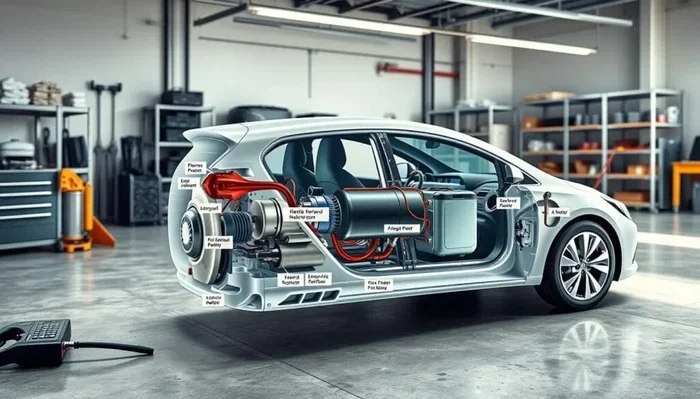
Before we talk about gas savings, it helps to understand what makes a hybrid different. A hybrid vehicle uses two power sources: a gasoline engine and an electric motor. These systems work together to maximize fuel economy and minimize waste.
The Gasoline Engine
The gas engine handles highway driving and higher speeds. It also kicks in when the battery runs low. Unlike a traditional car, the hybrid engine can shut off automatically when you stop at a light. This saves fuel that would otherwise idle away.
The Electric Motor
The electric motor takes over at low speeds, during acceleration, and in heavy traffic. It runs on a hybrid battery that recharges while you drive. You never need to plug in a standard hybrid. The car handles all the charging on its own.
Regenerative Braking
Here is one of the coolest features. When you hit the brakes, the electric motor reverses and becomes a generator. It captures energy that would normally turn into heat and waste. That energy goes back into the battery. This process is called regenerative braking, and it is a game changer for fuel economy.
Quick Tip: If you drive in a city with lots of stops, regenerative braking will boost your savings significantly. Highway-only drivers miss out on a big part of the hybrid advantage.
Real Gas Savings: What the Numbers Say
Let us get to the part you really care about. How much money can you actually save at the fuel pump? The honest answer varies, but the data is clear.
Average MPG Comparison
The U.S. Department of Energy tracks fuel economy ratings for every vehicle sold. Here is a general look at how hybrids compare to similar gas-only models:
- Compact Hybrid: 50-55 MPG vs. 30-35 MPG for the gas version
- Mid-Size Hybrid Sedan: 45-50 MPG vs. 28-32 MPG for the gas version
- Hybrid SUV: 38-45 MPG vs. 22-26 MPG for the gas version
- Full Hybrid (Plug-in): 55-130 MPGe vs. 25-30 MPG for the gas version
These numbers come from EPA ratings, which are tested under controlled conditions. Real-world results can vary, but the gap is consistent. A hybrid typically delivers 30-50% better miles per gallon than its gas-only twin.
What This Means for Your Wallet
Let us do some real math. Say you drive 15,000 miles per year. Gas costs $3.50 per gallon. A gas car getting 28 MPG will use about 536 gallons per year. That costs roughly $1,876. A hybrid getting 50 MPG will use only 300 gallons. That costs about $1,050. Your annual gas savings would be around $826.
Over five years, that adds up to more than $4,000 in fuel savings. Over ten years, you could save $8,000 or more. Those are significant numbers, especially when you factor in rising gas prices.
Expert Insight: According to automotive analysts at Consumer Reports, hybrid owners in high-traffic areas save even more because the electric motor handles a larger share of the driving workload.
Hybrid vs Gas Car: A Side-by-Side Comparison
A side-by-side look helps put everything in perspective. Here is how a typical hybrid sedan stacks up against a similar gas model:
| Factor | Hybrid Sedan | Gas Sedan |
|---|---|---|
| Average MPG | 50 MPG | 30 MPG |
| Annual Fuel Cost (15k miles) | $1,050 | $1,876 |
| 5-Year Fuel Cost | $5,250 | $9,380 |
| Purchase Price Difference | +$3,000 to $5,000 | Base price |
| Maintenance Cost | Slightly lower | Standard |
| Battery Replacement Risk | Low (covered by warranty) | N/A |
| Resale Value | Higher | Standard |
As you can see, the fuel savings are substantial. But the higher purchase price of a hybrid means it takes time to break even. For most drivers, that payback point comes within 4 to 7 years of ownership.
When the Math Works Best
The hybrid advantage grows when you drive more miles per year. If you put 25,000 miles on the odometer annually, the payback period shrinks to about 3 years. If you only drive 5,000 miles a year, it might take 10 or more years to recoup the price premium.
Common Mistake: Many buyers focus only on the upfront cost. They ignore the long-term cost savings that add up year after year. Always calculate your total cost of ownership before deciding.
Factors That Affect Your Fuel Savings
Not every hybrid driver saves the same amount. Several real-world factors influence how much you actually save at the pump.
Your Driving Style
How you drive matters a lot. Aggressive acceleration burns fuel fast, even in a hybrid. Smooth, steady driving lets the electric motor handle more work. If you tend to floor the gas pedal, your hybrid fuel efficiency will drop closer to the gas car numbers.
Quick Tip: Try to accelerate gently and coast to stops when possible. This simple habit can improve your MPG by 10-20%.
Where You Drive
City driving is a hybrid’s best friend. Stop-and-go traffic lets the electric motor do most of the work. The regenerative braking system recharges the battery every time you slow down. On the highway, the gas engine does more of the heavy lifting, and the savings shrink.
If your commute is mostly stop-and-go city driving, your gas savings will be at the top end of what is possible. If you mostly drive rural highways, the savings will be more modest.
Local Gas Prices
Where you live matters too. Drivers in California and New York pay some of the highest gas prices in the country. For these drivers, a hybrid delivers faster payback. In states where gas is cheaper, the savings timeline stretches out.
Vehicle Size and Type
A compact hybrid saves more fuel than a large hybrid SUV, simply because it weighs less. The fuel economy gains are biggest in smaller hybrid models. If fuel savings are your top priority, look at compact or mid-size hybrids rather than full-size SUVs.
The Hidden Costs of Owning a Hybrid
Fuel savings are not the whole story. There are other costs to consider when you own a hybrid vehicle.
Higher Upfront Price
Most hybrids cost $2,000 to $8,000 more than the gas version of the same car. That extra cost comes from the hybrid battery, the electric motor, and the more complex powertrain. This price premium is the biggest barrier for many buyers.
Insurance Costs
Hybrids can cost more to insure. Why? Because they are more expensive to repair. The hybrid battery and electrical systems require specialized labor and parts. Some insurance companies also factor in the higher replacement value of the vehicle.
Battery Replacement
This is the fear that holds many people back. A hybrid battery replacement can cost anywhere from $2,000 to $8,000. However, most manufacturers cover the battery with an 8-year or 100,000-mile warranty. If you keep the car within the warranty period, you are protected.
Expert Insight: Industry data shows that most hybrid batteries last well beyond 150,000 miles. The fear of a massive battery bill is often overblown, especially if you buy a used hybrid with warranty remaining.
Tax Credits and Incentives
Some hybrids qualify for federal or state tax credits. These incentives can offset part of the price premium. Plug-in hybrids are especially likely to receive benefits. Check the current incentives before you buy, as they can change from year to year.
Common Mistake: Many buyers forget to factor in resale value. Hybrids tend to hold their value better than gas cars because of growing demand for fuel economy. This can offset some of the higher upfront cost when it is time to sell.
Is a Hybrid Worth It for Your Wallet?
After all the numbers, is a hybrid the right choice for you? It depends on your situation.
You Should Buy a Hybrid If…
- You drive more than 12,000 miles per year
- Your commute involves city or stop-and-go traffic
- You plan to keep the car for 5+ years
- You live in an area with high gas prices
- You want to reduce your environmental impact
You Might Skip a Hybrid If…
- You drive fewer than 5,000 miles per year
- Most of your driving is on long highways
- You plan to trade in the car every 2-3 years
- The price premium does not fit your budget
- You can find a very fuel-efficient gas car instead
The hybrid vehicle market has grown a lot in recent years. More choices mean better prices and more options for every budget. What used to be a premium feature is now available in affordable compact cars and family SUVs.
Quick Tip: Before you buy, use an online total cost of ownership calculator. Plug in your expected annual mileage, local gas prices, and the price difference between models. This gives you a personalized payback estimate.
The Future of Hybrid Savings
The automotive industry is shifting fast. Fuel economy standards are getting stricter. Gas prices remain unpredictable. Hybrids are positioned to become even more valuable in the years ahead.
As battery technology improves, hybrid batteries will last longer and cost less to replace. The price premium on hybrids is already shrinking as production scales up. This trend should make hybrids an even smarter financial choice going forward.
Some experts believe that hybrids will bridge the gap between gas cars and full electric vehicles. They offer many of the fuel savings of electric cars without the range anxiety or charging hassles. For many drivers, the hybrid sweet spot hits the right balance of savings, convenience, and practicality.
Conclusion
So, do you really save money on gas with a hybrid car? The evidence says yes. Most hybrid drivers save hundreds or even thousands of dollars on fuel over the life of the vehicle. The hybrid fuel efficiency advantage is real, measurable, and especially strong for city drivers.
But the savings do not happen automatically. Your driving habits, where you live, how much you drive, and how long you keep the car all matter. The upfront cost is higher, but the long-term cost savings can more than make up for it.
If you are considering a hybrid vehicle, do the math for your specific situation. Calculate your expected fuel savings, factor in the price premium, and think about how long you will keep the car. When the numbers line up, a hybrid can be one of the smartest purchases you make.
The bottom line: A hybrid car is not just an environmental choice. It is a financial decision. And for the right driver, it pays off at the fuel pump and beyond.
Frequently Asked Questions
How long does it take for a hybrid to pay for itself in fuel savings?
For most drivers, the payback period is between 4 and 7 years. This depends on your annual mileage, local gas prices, and the price difference between the hybrid and gas versions. High-mileage drivers in expensive gas markets see the fastest payback.
Do hybrid cars really get better gas mileage in city driving?
Yes, absolutely. Hybrids excel in stop-and-go city traffic because the electric motor handles low-speed driving and regenerative braking recharges the battery. Highway mileage is still good, but the advantage is smaller than in city conditions.
How often do hybrid batteries need to be replaced?
Most hybrid batteries last 150,000 miles or more. They are typically covered by an 8-year or 100,000-mile warranty. Actual replacement needs are rare, and many owners never face this cost during their ownership period.
Are hybrids more expensive to maintain than gas cars?
Generally no. Hybrids have fewer brake replacements thanks to regenerative braking. The gas engine also experiences less wear because the electric motor shares the load. Overall maintenance costs are similar or slightly lower than gas-only vehicles.
Can I save money on gas with a used hybrid instead of a new one?
Yes, buying a used hybrid can be even more financially smart. The price premium has already been absorbed by the first owner, and the remaining warranty coverage still protects you. Just check the battery health and remaining warranty before purchasing.
What happens if the hybrid battery dies after the warranty expires?
If the battery fails outside warranty, replacement costs can range from $2,000 to $8,000 depending on the vehicle. However, many owners find that refurbished or remanufactured batteries cost significantly less. Some shops also offer battery reconditioning services at a fraction of the replacement price.