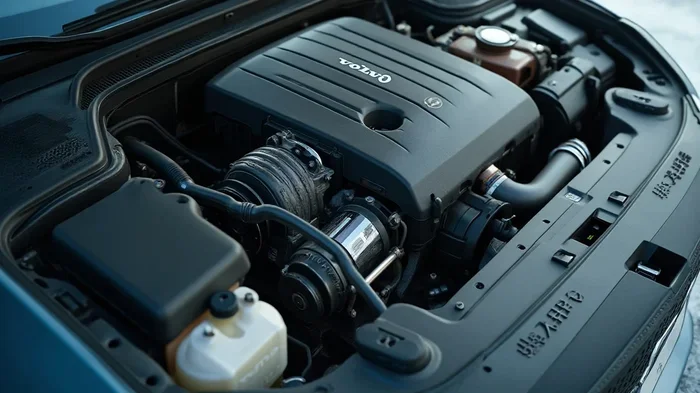
How Does Volvo Mild Hybrid Technology Actually Work
Volvo mild hybrid technology uses a small electric motor and a 48-volt battery to assist the petrol engine, improving fuel efficiency and reducing emissions. The system captures energy through regenerative braking and delivers torque assist during acceleration. It is a smart, affordable stepping stone between traditional cars and full hybrids or plug-in hybrids.
Volvo has been making waves in the automotive world with its commitment to electrification. But what exactly is a mild hybrid, and how does it actually work under the hood? If you have been eyeing a Volvo but are not ready to go full electric or plug-in hybrid, the mild hybrid option might be the perfect middle ground.
A Volvo mild hybrid system adds a small electric motor and a compact 48-volt battery to a conventional petrol engine. This setup helps the car use less fuel, emit fewer pollutants, and feel a bit more responsive. It is one of the smartest ways to get better fuel efficiency without the complexity or cost of a full hybrid system.
In this article, we will break down exactly how Volvo mild hybrid technology works. We will look at every major component, explain the benefits, and help you decide if a mild hybrid Volvo is the right choice for you. Let us dive in.
Key Takeaways
- Mild hybrid systems use a 48-volt battery and electric motor to support the petrol engine, not replace it.
- Regenerative braking recovers energy during deceleration and stores it for later use.
- Volvo mild hybrid models offer better fuel economy and lower CO2 emissions compared to standard petrol cars.
- The start-stop function shuts off the engine at idle, saving fuel in city driving.
- Mild hybrids cannot drive on electric power alone, unlike full hybrids or plug-in hybrids.
- Maintenance costs are similar to conventional cars, with no need for expensive high-voltage repairs.
- Volvo offers mild hybrid across several models, making the technology widely accessible.
📑 Table of Contents
- What Is a Mild Hybrid System?
- The Core Components of Volvo Mild Hybrid Technology
- How Regenerative Braking Works in a Volvo Mild Hybrid
- The Start-Stop Function and Its Role in Fuel Savings
- Benefits of Owning a Volvo Mild Hybrid
- Common Misconceptions About Mild Hybrids
- Which Volvo Models Offer Mild Hybrid Technology?
- Maintenance Tips for Volvo Mild Hybrid Owners
- Final Thoughts: Is a Volvo Mild Hybrid Right for You?
What Is a Mild Hybrid System?
A mild hybrid system is a type of electrified powertrain that uses a small electric motor to assist the petrol engine. Unlike a full hybrid or a plug-in hybrid, a mild hybrid cannot drive on electric power alone. The electric motor simply supports the engine when needed. Think of it as a helpful co-pilot rather than a replacement driver.
Volvo uses a 48-volt electrical system for its mild hybrid setups. This is a significant step up from the standard 12-volt system found in most conventional cars. The higher voltage allows the system to deliver more power to the electric motor and store more energy for regenerative braking. The result is a car that feels smoother, responds better, and sips fuel more efficiently.
How Is a Mild Hybrid Different from a Full Hybrid?
The key difference lies in how much the electric motor can do. A full hybrid can run on electric power alone for short distances. A plug-in hybrid has a larger battery that you can charge from an outlet. A mild hybrid, on the other hand, always relies on the petrol engine for propulsion. The electric motor simply takes the edge off the engine’s workload.
Here is a quick comparison to make things clearer:
- Mild Hybrid: Electric motor assists the engine. Cannot drive on electric power alone. Smaller battery, lower cost.
- Full Hybrid: Can switch between electric and petrol power. Larger battery. Better fuel savings in stop-and-go traffic.
- Plug-in Hybrid: Larger battery that you charge externally. Can drive on electric power for longer distances. Higher cost and complexity.
Volvo’s mild hybrid technology strikes a great balance. It gives you noticeable improvements in fuel economy and emissions without the hefty price tag or charging hassle of a plug-in hybrid. For many drivers, this is the sweet spot.
The Core Components of Volvo Mild Hybrid Technology
Understanding the components of a Volvo mild hybrid system helps you appreciate how everything works together. The system is elegantly simple compared to full hybrid setups. It uses a few key parts to deliver real benefits on the road.
The 48-Volt Battery
The heart of the system is the 48-volt battery pack. This is typically a lithium-ion battery, similar in concept to what you find in a full hybrid but much smaller. It stores electrical energy that the electric motor uses to assist the petrol engine. The battery is lightweight and compact, so it does not take up much space or add significant weight to the car.
One of the best things about the 48-volt battery is that it is safe to handle during routine maintenance. Unlike the high-voltage batteries in full hybrids or electric vehicles, the 48-volt system poses minimal risk. You do not need special training or equipment to service it. This keeps maintenance costs lower over the long run.
The Electric Motor
Volvo uses a compact electric motor that is integrated into the car’s transmission or mounted near the engine. This motor serves multiple roles. It acts as a starter motor to fire up the engine. It provides torque assist during acceleration. And it functions as a generator to recover energy during braking.
The electric motor in a Volvo mild hybrid is not powerful enough to move the car on its own. But it is powerful enough to make a real difference in how the car feels. You will notice smoother starts, quicker acceleration from low speeds, and less strain on the petrol engine. Over time, this adds up to a more refined and enjoyable driving experience.
The Power Inverter
The power inverter is the brain that manages the flow of electricity between the battery and the electric motor. It converts the DC power stored in the 48-volt battery into AC power that the motor can use. It also converts AC power generated by the motor during braking back into DC power to recharge the battery.
Volvo engineers have designed the inverter to be highly efficient. This means very little energy is wasted during the conversion process. Every bit of energy you recover through braking or coasting gets put to good use, which boosts overall fuel efficiency.
How Regenerative Braking Works in a Volvo Mild Hybrid
Regenerative braking is one of the most clever features of any mild hybrid system. When you take your foot off the accelerator or press the brake pedal, the electric motor reverses its role and becomes a generator. Instead of wasting energy as heat through traditional brake pads, the system captures kinetic energy and converts it back into electrical energy.
This recovered energy flows back into the 48-volt battery, where it is stored for later use. The next time you accelerate, the electric motor draws on this stored energy to give the petrol engine a boost. It is a continuous cycle of energy recovery and reuse that makes the whole system remarkably efficient.
In stop-and-go city driving, regenerative braking is especially effective. Every time you slow down for traffic or a red light, you are recharging the battery. Over a full day of driving, this can add up to meaningful fuel savings. It is a simple yet brilliant way to squeeze every bit of energy out of your driving.
If you are curious about how long a hybrid vehicle can sit without being driven, check out our guide on how long a hybrid can sit without being driven for useful tips on battery maintenance.
What Happens When the Battery Is Full?
You might wonder what happens when the 48-volt battery reaches full charge. The system is smart enough to manage this automatically. When the battery is full, the regenerative braking system reduces its energy recovery to prevent overcharging. The car then relies more on traditional friction brakes to slow down. Once you use some of the stored energy during acceleration, the system resumes capturing energy during braking.
This seamless management happens behind the scenes. You do not need to do anything. The battery management system handles all the balancing and protection, ensuring the battery stays healthy and performs optimally throughout the life of the car.
The Start-Stop Function and Its Role in Fuel Savings
The start-stop function is a feature that many drivers take for granted, but it plays a big role in fuel efficiency. When you come to a complete stop, such as at a traffic light or in heavy congestion, the petrol engine automatically shuts off. The electric motor keeps the car’s electrical systems running, so you do not notice any interruption.
When you lift your foot off the brake pedal, the engine restarts instantly. The electric motor handles this restart smoothly and silently. There is no jerky movement or noticeable delay. It is one of those features that you appreciate once you experience it in daily driving.
In city driving, the start-stop function can significantly reduce fuel consumption. Every minute your engine is off at idle is fuel saved. Over a long commute through heavy traffic, these savings add up quickly. The system also reduces wear on the engine starter motor since the electric motor handles the restarting duty.
For those wondering about idling safety and limits, our article on how long a car can idle safely provides helpful guidelines for all vehicle types, including mild hybrids.
Benefits of Owning a Volvo Mild Hybrid
Now that you understand how the system works, let us talk about why it matters. Owning a Volvo mild hybrid comes with several tangible benefits that make daily driving more pleasant and more economical.
Improved Fuel Economy
The most obvious benefit of a Volvo mild hybrid is better fuel economy. The electric motor assist reduces the workload on the petrol engine, which means it burns less fuel. Volvo estimates that mild hybrid models can deliver up to 10 to 15 percent better fuel economy compared to their non-hybrid counterparts. Over thousands of miles, this translates into real savings at the pump.
If you want to understand more about how hybrid systems affect your fuel costs and overall savings, our piece on whether car insurance covers battery replacement can also help you factor in long-term ownership costs.
Lower Emissions
Because the petrol engine works less hard, it produces fewer harmful emissions. Volvo mild hybrid models typically emit less CO2 than equivalent petrol-only cars. This is good news for the environment and can also help you avoid higher taxes or fees in regions with strict emission regulations.
Even a small reduction in emissions matters when you consider the cumulative impact of millions of cars on the road. Every Volvo mild hybrid on the road is a step toward cleaner air and a healthier planet.
Smoother Driving Experience
The electric motor assist makes the car feel more refined. Acceleration is smoother, engine starts are silent, and the transition between stopping and going is seamless. You get a premium feel that is characteristic of Volvo’s commitment to quality and comfort.
The torque fill provided by the electric motor also eliminates the lag that can sometimes be felt in turbocharged petrol engines. The result is a car that feels responsive and eager, even at low speeds. It is a subtle but noticeable improvement that enhances every drive.
No Charging Hassle
Unlike plug-in hybrids or fully electric vehicles, a Volvo mild hybrid does not need to be plugged in. The system charges itself through regenerative braking and the petrol engine. You simply drive and charge as you go. This makes mild hybrids incredibly convenient for people who do not have access to a home charging station or who prefer not to think about charging.
Affordable Electrification
Mild hybrid technology is generally more affordable than full hybrid or plug-in hybrid systems. The components are smaller and less expensive. The installation is simpler. This means you get the benefits of electrification at a more accessible price point. For many buyers, a Volvo mild hybrid is the most practical entry point into hybrid ownership.
Common Misconceptions About Mild Hybrids
There are several myths and misconceptions surrounding mild hybrid technology. Let us clear up some of the most common ones so you can make an informed decision.
Myth: Mild Hybrids Are Just a Marketing Gimmick
Some people dismiss mild hybrids as a marketing trick with no real benefit. This is simply not true. The 48-volt mild hybrid system delivers measurable improvements in fuel economy, emissions, and driving refinement. The technology is backed by real engineering and real-world results.
Myth: You Can Drive on Electric Power Alone
This is perhaps the biggest misconception. A mild hybrid cannot drive on electric power alone. The electric motor only assists the petrol engine. If you want a car that can run on electricity for short trips, you need a full hybrid or a plug-in hybrid. But for most daily driving scenarios, the mild hybrid setup is more than adequate.
Myth: Mild Hybrid Batteries Are Expensive to Replace
The 48-volt battery in a Volvo mild hybrid is much smaller and less expensive than the high-voltage battery in a full hybrid or electric vehicle. Replacement costs are comparable to a conventional car battery, and the batteries are designed to last the lifetime of the vehicle under normal driving conditions.
Which Volvo Models Offer Mild Hybrid Technology?
Volvo has been expanding its mild hybrid lineup across several model ranges. The technology is available in popular models such as the Volvo XC60, Volvo XC90, Volvo S60, Volvo S90, and Volvo V60. Each model benefits from the same core mild hybrid system, adapted to suit the specific performance and efficiency needs of that vehicle.
When choosing a Volvo mild hybrid model, consider your driving habits and priorities. If you do a lot of city driving, the fuel savings from the start-stop function and regenerative braking will be most pronounced. If you do mostly highway driving, the torque assist at lower speeds and during overtaking will be the standout benefit.
Volvo also offers plug-in hybrid versions of many of the same models if you want to go further with electrification. The mild hybrid is a great starting point, and you can always upgrade to a plug-in hybrid later if your needs change.
Maintenance Tips for Volvo Mild Hybrid Owners
Owning a Volvo mild hybrid is relatively straightforward when it comes to maintenance. The system is designed to be durable and low-maintenance. However, there are a few things you can do to keep everything running smoothly.
- Keep the 48-volt battery healthy: Avoid letting the battery discharge completely. The system manages this automatically in normal driving, but storing the car for extended periods can affect battery health.
- Follow the recommended service schedule: Regular oil changes, brake inspections, and software updates keep the mild hybrid system performing at its best.
- Drive gently when possible: Smooth acceleration and braking maximize the benefits of regenerative braking and reduce wear on all components.
- Monitor fuel economy: A sudden drop in fuel efficiency can indicate a problem with the mild hybrid system. Address it early to prevent more costly repairs.
If you are storing your Volvo for a while, understanding how long a hybrid can sit without driving is important. Visit our article on how long a hybrid can sit without being driven for practical advice on maintaining battery health during storage.
Final Thoughts: Is a Volvo Mild Hybrid Right for You?
Volvo mild hybrid technology is a smart, practical, and efficient way to enjoy the benefits of electrification without the complexity or cost of a full hybrid system. The 48-volt mild hybrid setup delivers better fuel economy, lower emissions, a smoother driving experience, and the convenience of never needing to plug in.
Whether you are looking at the Volvo XC60 mild hybrid for your daily commute or the Volvo XC90 mild hybrid for family adventures, the technology works quietly in the background to make every drive better. It is one of those features that you barely notice when it is working perfectly, which is exactly how it should be.
If you are considering a Volvo, the mild hybrid option deserves a serious look. It offers a compelling blend of efficiency, refinement, and value that is hard to beat. Take a test drive, experience the system firsthand, and see for yourself why Volvo mild hybrid technology is such a smart choice for modern drivers.
Remember, every step toward electrification counts. A Volvo mild hybrid is a great place to start your journey toward a more efficient and enjoyable driving experience.
Frequently Asked Questions
Can a Volvo mild hybrid drive on electric power alone?
No, a Volvo mild hybrid cannot drive on electric power alone. The electric motor only assists the petrol engine. The petrol engine is always required for propulsion. This is the main difference between a mild hybrid and a full or plug-in hybrid.
How long does the 48-volt battery in a Volvo mild hybrid last?
The 48-volt battery is designed to last the lifetime of the vehicle under normal driving conditions. Volvo engineers have built the system to be durable and reliable. Routine maintenance and proper storage habits will help maximize the battery’s lifespan.
Does a Volvo mild hybrid need to be plugged in?
No, a Volvo mild hybrid does not need to be plugged in. The system charges itself through regenerative braking and the petrol engine. This makes it incredibly convenient for drivers who do not have access to a home charging station.
How much fuel can a Volvo mild hybrid save compared to a regular petrol car?
Volvo estimates that mild hybrid models can deliver up to 10 to 15 percent better fuel economy compared to their non-hybrid versions. Actual savings depend on driving habits, road conditions, and the specific model. City driving with lots of stop-and-go tends to yield the greatest benefits.
Is the mild hybrid system covered by Volvo’s warranty?
Yes, the mild hybrid components are covered under Volvo’s standard vehicle warranty. The specific terms may vary by region and model year. Check with your local Volvo dealer for the exact warranty details for your vehicle.
Can I still jump-start a Volvo mild hybrid if the battery dies?
Yes, you can jump-start a Volvo mild hybrid using the standard 12-volt auxiliary battery, just like a conventional car. The 48-volt mild hybrid system is separate and will recharge itself once the car is running. If you want to learn more about jump-starting procedures, check out our guide on jump-starting a hybrid battery for general hybrid jump-start tips.
=== CONCLUSION ===
Volvo mild hybrid technology is an intelligent and practical approach to electrified driving. By combining a small electric motor with a 48-volt battery and a conventional petrol engine, Volvo delivers a car that is more efficient, cleaner, and more enjoyable to drive. The system works seamlessly in the background, requiring no extra effort from the driver.
Whether you are motivated by fuel savings, lower emissions, or simply a better driving experience, a Volvo mild hybrid has a lot to offer. It represents the best of both worlds: the familiarity and convenience of a petrol car with the added benefits of hybrid technology. As Volvo continues to expand its electrification strategy, mild hybrid remains an excellent entry point for drivers who want to embrace the future without the compromises.
Consider a Volvo mild hybrid for your next car, and experience the difference that smart electrification can make in your daily driving.