Are Alfa Romeo Giulia Models Reliable or Just Overrated
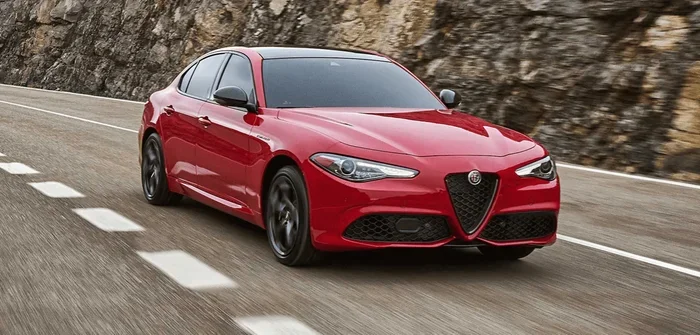
The Alfa Romeo Giulia is a stunning Italian sedan that turns heads, but reliability remains a hot topic among buyers. Many owners love the Giulia’s sporty handling and powerful engine, yet concerns about long-term durability persist. This guide examines real-world reliability data, common problems, and ownership costs to help you decide if the Giulia is worth the risk. We cover maintenance, safety ratings, and how the Giulia stacks up against competitors.
The Alfa Romeo Giulia has always been a car that sparks strong opinions. Some people fall in love with its Italian design and thrilling driving dynamics. Others walk away worried about long-term dependability. If you are considering a Giulia, you have probably asked yourself one big question: are Alfa Romeo Giulia models reliable, or are they just overhyped?
This is a question that potential buyers ask every day. The Giulia is a beautiful car. It looks incredible on the road. It drives like a dream. But beauty and performance do not always mean trouble-free ownership. In this article, we will dig deep into the real-world reliability of the Alfa Romeo Giulia. We will look at common issues, maintenance costs, owner satisfaction, and how it compares to rival sedans. By the end, you will have a clear picture of what to expect.
Key Takeaways
- Mixed Reliability: The Alfa Romeo Giulia has a reputation for reliability that is both praised and questioned by owners.
- Higher Maintenance Costs: Repair and maintenance expenses tend to run above average compared to mainstream sedans.
- Strong Engine Options: The Giulia’s turbo engines deliver excellent performance but require attentive care.
- Good Safety Scores: The Giulia earns solid marks in crash safety and driver-assistance technology.
- Depreciation Is a Factor: Giulia models depreciate faster than some German rivals, affecting resale value.
- Ownership Experience Varies: Long-term satisfaction depends heavily on how well the car is maintained.
- Parts Can Be Costly: Sourcing Alfa Romeo Giulia parts may take longer and cost more than for common brands.
📑 Table of Contents
- Understanding Alfa Romeo Giulia Reliability
- Maintenance Costs: What to Expect
- Engine and Performance: The Giulia’s Strongest Suit
- Safety Ratings and Driver-Assistance Features
- Giulia vs. the Competition: Reliability Comparison
- Owner Satisfaction and Real-World Ownership Experience
- Expert Insights on Giulia Reliability
- Giulia Lifespan: How Long Does a Giulia Last?
- Giulia Depreciation and Resale Value
- Final Verdict: Are Alfa Romeo Giulia Models Reliable?
Understanding Alfa Romeo Giulia Reliability
When we talk about Alfa Romeo Giulia reliability, we need to look at several factors. Reliability is not just about one thing. It covers the engine, transmission, electrical systems, and even the body and paint. Every car has strengths and weaknesses. The Giulia is no different.
The Giulia was redesigned and relaunched in 2017. It brought modern technology and a fresh design to the Alfa Romeo lineup. Since then, it has competed with the BMW 3 Series, Mercedes-Benz C-Class, and Audi A4. But how does it hold up over time? Let us break it down.
What the Reliability Ratings Say
Several trusted sources rate the Alfa Romeo Giulia’s reliability. J.D. Power and Consumer Reports provide annual reliability scores. The Giulia often lands in the middle or below-average range for its class. This does not mean every Giulia is a lemon. It means some model years and specific components have known issues.
Here is what the data generally shows:
- Engine Reliability: The 2.0-liter turbo four-cylinder engine is generally solid. However, some early models showed oil consumption concerns.
- Transmission: The eight-speed automatic transmission has received mixed feedback. Some owners report smooth shifts, while others notice occasional hesitation.
- Electrical Systems: Infotainment glitches and sensor warnings appear in some owner reports.
- Body and Corrosion: A small number of owners have reported rust concerns, especially in older models.
Common Alfa Romeo Giulia Problems to Know
Every car has its quirks. The Giulia is no exception. Understanding common problems can help you make a smarter buying decision. Here are some issues that Giulia owners frequently mention:
- Oil Consumption: Some 2017 and 2018 models burn more oil than expected. Regular oil checks are essential.
- Stalling Issues: A few owners have reported unexpected stalling, often linked to fuel system sensors.
- Infotainment Freezes: The Uconnect system can occasionally freeze or reboot without warning.
- Brake Wear: The Giulia’s performance-oriented brakes tend to wear faster than average, especially in city driving.
- Suspension Noises: Some owners report creaking or rattling from the front suspension over time.
These issues do not affect every single Giulia. But they are common enough that you should be aware of them. Regular maintenance goes a long way in preventing many of these problems.
Maintenance Costs: What to Expect
One of the biggest factors in long-term ownership is maintenance cost. The Alfa Romeo Giulia is not a cheap car to maintain. Parts are more expensive than what you would pay for a Honda or Toyota. Labor costs can also be higher, especially if you do not have an Alfa Romeo dealer nearby.
Routine Maintenance Expenses
Here is a rough breakdown of what you might pay for routine Giulia maintenance:
- Oil Change: Around $150 to $250, depending on the service center.
- Tire Rotation: Typically $50 to $80 per service.
- Brake Pads: Expect $300 to $500 for front brake pad replacement.
- Air Filter and Cabin Filter: Around $50 to $100 for both.
- Major Service at 30,000 Miles: Can run $600 to $1,200 depending on what is needed.
These numbers are higher than what you would pay for a mainstream sedan. But they are in line with other premium Italian and German brands. The key is to stay on top of the maintenance schedule.
Quick Tips for Keeping Maintenance Costs Down
- Follow the Service Schedule: Do not skip oil changes or scheduled services. Prevention saves money in the long run.
- Find a Trusted Independent Shop: You do not always need to go to a dealer. Find a shop that specializes in Italian cars.
- Use Quality Parts: Stick with OEM or high-quality aftermarket parts. Cheap parts can lead to bigger problems later.
- Keep Records: Maintain a detailed service log. This helps with resale value and diagnosing future issues.
Engine and Performance: The Giulia’s Strongest Suit
The Alfa Romeo Giulia is celebrated for its engines. Whether you choose the base 2.0-liter turbo or the powerful 2.9-liter V6 in the Quadrifoglio, the Giulia delivers thrilling performance. But how do these engines hold up over time?
The 2.0-Liter Turbo Four-Cylinder
The most common Giulia engine is the 2.0-liter turbocharged four-cylinder. It produces around 280 horsepower in the standard Giulia. This engine is relatively modern and has been refined over several years. Most owners report good long-term durability with this engine. The key is to use the right oil and stay on top of oil changes.
Early model years had some reports of excessive oil consumption. Alfa Romeo addressed many of these concerns through recalls and technical service bulletins. If you are buying a used Giulia, check the service history for any oil-related work.
The 2.9-Liter V6 in the Quadrifoglio
The Quadrifoglio is the high-performance version of the Giulia. Its 505-horsepower V6 engine is a masterpiece of engineering. It delivers incredible acceleration and an exhilarating driving experience. However, the V6 is more complex and more expensive to maintain. Major repairs on the Quadrifoglio engine can cost thousands of dollars.
Expert Insight: The Quadrifoglio engine is reliable when properly maintained. But it demands premium fuel and regular, high-quality servicing. Budget accordingly if you are considering this model.
Transmission Reliability
The Giulia uses an eight-speed automatic transmission made by ZF. This transmission is well-regarded in the industry. It is used in many other premium vehicles. Most Giulia owners experience smooth and reliable shifting. However, some have reported occasional software glitches that cause rough shifts or hesitation.
Keeping the transmission fluid changed on schedule is the best way to ensure longevity. Most experts recommend a fluid change every 30,000 to 50,000 miles.
Safety Ratings and Driver-Assistance Features
Safety is a top priority for most car buyers. The Alfa Romeo Giulia performs well in this area. It has earned strong safety ratings from both the NHTSA and the IIHS.
NHTSA Safety Ratings
The Giulia has received a five-star overall safety rating from the National Highway Traffic Safety Administration. This is the highest possible rating. It covers frontal crash, side crash, and rollover resistance. The Giulia’s solid structure and multiple airbags contribute to this strong score.
IIHS Crashworthiness
The Insurance Institute for Highway Safety has also tested the Giulia. It has earned Good ratings in most crashworthiness categories. The small overlap front rating has been a point of focus in some model years, but overall the Giulia holds up well.
Driver-Assistance Technology
The Giulia comes with a suite of driver-assistance features. These include adaptive cruise control, lane departure warning, and automatic emergency braking. The Alfa Romeo Giulia safety rating benefits from these technologies. However, some owners have noted that the infotainment interface for these features can be confusing at first.
Common Mistakes to Avoid:
- Ignoring Software Updates: Keep the car’s software up to date. Many safety and reliability issues are addressed through updates.
- Disabling Safety Features: Some owners turn off safety systems for a more engaging drive. This can be risky, especially in daily commuting.
- Skipping Recalls: Always address any recall notices promptly. They are free and often fix important safety or reliability issues.
Giulia vs. the Competition: Reliability Comparison
How does the Alfa Romeo Giulia stack up against its main rivals? Let us compare it to some of the most popular sedans in the premium segment.
| Model | Reliability Rating | Avg. Annual Maintenance Cost | Depreciation (5 Years) |
|---|---|---|---|
| Alfa Romeo Giulia | Below Average | $800 – $1,100 | 55-60% |
| BMW 3 Series | Average | $900 – $1,200 | 50-55% |
| Mercedes-Benz C-Class | Average | $950 – $1,300 | 52-58% |
| Audi A4 | Average | $850 – $1,150 | 53-57% |
| Lexus IS | Above Average | $600 – $800 | 45-50% |
| Acura TLX | Above Average | $650 – $850 | 48-53% |
The comparison table shows that the Giulia sits in the middle of the pack for reliability. It costs more to maintain than Japanese rivals like the Lexus IS and Acura TLX. But it is competitive with other German premium sedans. The Giulia’s driving experience and Italian styling give it a unique appeal that some buyers find worth the extra cost.
One important factor is depreciation. The Giulia loses value faster than many of its rivals. This can be a double-edged sword. If you buy used, you get a great deal. But if you plan to sell later, the resale value may disappoint.
Owner Satisfaction and Real-World Ownership Experience
What do actual Giulia owners say about their cars? Owner satisfaction surveys provide valuable insights. Most Giulia owners express strong emotional attachment to their vehicles. The Italian design, powerful engine, and engaging driving experience create a loyal fan base.
What Owners Love About the Giulia
- Stunning Design: The Giulia looks beautiful inside and out. It turns heads everywhere it goes.
- Thrilling Driving Dynamics: The steering feel and handling are among the best in the class.
- Powerful Engine Options: From the spirited 2.0-liter to the beastly V6, there is a Giulia for every enthusiast.
- Premium Interior: The cabin features high-quality materials and a sporty, driver-focused layout.
What Owners Dislike
- Reliability Concerns: Some owners have experienced unexpected repairs and electrical gremlins.
- High Maintenance Costs: Servicing the Giulia costs more than many competitors.
- Limited Dealer Network: Alfa Romeo has fewer dealers than BMW or Mercedes, which can make service less convenient.
- Infotainment Issues: The Uconnect system has been criticized for being less intuitive than rival systems.
The real-world ownership experience varies widely. Some owners drive their Giulia for years without major issues. Others face costly repairs within the first few years. This wide range is typical for Italian luxury brands. The Giulia rewards attentive owners who stay on top of maintenance.
Expert Insights on Giulia Reliability
Automotive experts have weighed in on the Alfa Romeo Giulia’s reliability. Most agree that the car is not inherently unreliable, but it does require more care than a mainstream sedan. Here are some expert observations:
Expert Insight from Car and Driver: “The Giulia is a driver’s car first and foremost. Its reliability is average for the segment. Owners who stay current with maintenance will have a rewarding ownership experience.”
Expert Insight from Edmunds: “The Giulia’s electrical and electronic systems are the most common sources of problems. However, the mechanical components are generally sound. Choosing a model year after 2019 can reduce your risk of early issues.”
Expert Insight from MotorTrend: “The Alfa Romeo Giulia reliability rating has improved over the years. The 2021 and newer models benefit from refinements that address earlier concerns. Buyers should focus on these later model years for better peace of mind.”
These expert opinions highlight an important trend. The Giulia has been getting more reliable with each model year. If you are buying used, choosing a 2019 or newer model is a smart move.
Giulia Lifespan: How Long Does a Giulia Last?
A common question among potential buyers is how long an Alfa Romeo Giulia can last. With proper care and maintenance, a Giulia can easily reach 150,000 to 200,000 miles. Some well-maintained examples have even surpassed 250,000 miles.
However, the Giulia’s lifespan depends heavily on how it is treated. Here are factors that influence longevity:
- Regular Oil Changes: This is the single most important thing you can do for engine longevity.
- Timely Repairs: Addressing small issues before they become big problems extends the car’s life.
- Quality Fuel: Using the recommended fuel grade prevents engine knock and carbon buildup.
- Gentle Warm-Up: Avoiding hard driving when the engine is cold reduces wear on internal components.
- Storage Conditions: Keeping the car in a garage protects the body and paint from corrosion.
The Alfa Romeo Giulia lifespan is comparable to other premium sedans. It is not as bulletproof as a Toyota Camry, but it can provide years of enjoyable driving when cared for properly.
Common Mistakes That Shorten Giulia Lifespan
- Skipping Oil Changes: This is the fastest way to destroy any engine. Do not skip oil changes.
- Ignoring Warning Lights: Dashboard warning lights are there for a reason. Address them promptly.
- Neglecting Fluid Changes: Transmission fluid, coolant, and brake fluid all need regular replacement.
- Driving Hard When Cold: Let the engine warm up before pushing it hard.
- Using Low-Quality Parts: Cheap parts may save money upfront but can cause costly damage later.
Giulia Depreciation and Resale Value
Depreciation is an important consideration for any car buyer. The Alfa Romeo Giulia depreciates faster than many competitors. A new Giulia can lose 40-50% of its value within five years. This is partly because Alfa Romeo has a smaller brand presence in the U.S. market.
However, fast depreciation can work in your favor if you buy used. A three-year-old Giulia offers excellent value. You get a car that is still relatively modern and well-equipped, at a significantly reduced price. Just make sure to get a thorough pre-purchase inspection before buying any used Giulia.
Factors That Affect Giulia Depreciation
- Model Year: Newer models hold value better than older ones.
- Mileage: Lower-mileage examples depreciate more slowly.
- Condition: Well-maintained cars retain value significantly better than neglected ones.
- Trim Level: Higher trims like the Ti and Quadrifoglio tend to hold value better than the base model.
- Service History: A complete service record builds buyer confidence and supports a higher resale price.
Final Verdict: Are Alfa Romeo Giulia Models Reliable?
So, are Alfa Romeo Giulia models reliable? The honest answer is: it depends. The Giulia is not the most reliable car in its class. It requires more attention and care than a Lexus or a Honda. But for the right owner, it can be a rewarding and enjoyable daily driver.
If you are someone who loves Italian cars, appreciates engaging driving dynamics, and is willing to invest in proper maintenance, the Giulia can be a great choice. The car’s reliability has improved over the years. Later model years are generally more dependable than the earliest ones.
On the other hand, if you prioritize worry-free ownership above all else, you may want to look at more reliable alternatives. The Giulia is a car that demands attention. It rewards the owner who gives it that attention with an incredible driving experience.
The Alfa Romeo Giulia is not overrated in terms of performance and design. It is genuinely one of the best-looking and most engaging sedans on the road. But it is slightly overrated if you expect it to be as maintenance-free as a Japanese sedan. Go in with realistic expectations, and the Giulia can be a wonderful companion on the road.
Before you buy, do your research. Read owner reviews. Get a pre-purchase inspection. Talk to your local Alfa Romeo dealer about common issues for the specific model year you are considering. Knowledge is your best tool for making a smart purchase decision.
The Alfa Romeo Giulia is a car that inspires passion. It makes you smile every time you turn the key. And for many owners, that emotional connection makes the extra maintenance effort worthwhile. Just be informed, be prepared, and enjoy the ride.
Frequently Asked Questions
What is the average reliability rating of the Alfa Romeo Giulia?
The Alfa Romeo Giulia typically receives below-average to average reliability ratings compared to other sedans in its class. Sources like J.D. Power and Consumer Reports rate it in the middle of the pack. However, reliability varies by model year, with newer models showing improvement over earlier ones.
How much does it cost to maintain an Alfa Romeo Giulia?
Annual maintenance costs for a Giulia range from $800 to $1,100 on average. This is higher than mainstream brands but competitive with other premium European sedans. Staying on top of scheduled services helps keep costs manageable over the long term.
What are the most common Alfa Romeo Giulia problems?
The most common issues include oil consumption in early model years, occasional infotainment freezes, brake wear, and suspension noises. Some owners also report stalling or electrical gremlins. Regular maintenance significantly reduces the likelihood of these problems.
Is the Alfa Romeo Giulia a good used car to buy?
The Giulia can be a great used car if you choose a well-maintained example from a reputable seller. Model years 2019 and newer are recommended for better reliability. Always get a pre-purchase inspection and review the full service history before buying.
How long can an Alfa Romeo Giulia last with proper care?
With proper maintenance, a Giulia can last 150,000 to 200,000 miles or more. Some well-cared-for examples have exceeded 250,000 miles. Regular oil changes, timely repairs, and gentle driving habits are key to maximizing the Giulia’s lifespan.
How does the Giulia’s reliability compare to the BMW 3 Series?
The Giulia and BMW 3 Series have similar reliability profiles, both falling in the average range for their class. The Giulia tends to have slightly lower reliability ratings but offers a more engaging driving experience. Maintenance costs for both cars are comparable, with the Giulia sometimes being slightly less expensive to service.
=== CONCLUSION ===
The question of whether Alfa Romeo Giulia models are reliable or overrated does not have a simple yes or no answer. The truth lies somewhere in between. The Giulia is a car that offers an incredible driving experience, stunning Italian design, and strong performance. At the same time, it requires more care and attention than many of its rivals. Its reliability is average for the premium sedan segment, and maintenance costs run above the national average.
If you are willing to invest the time and money into proper maintenance, the Giulia can reward you with years of enjoyable ownership. The car is not overrated in terms of what it delivers on the road. But it is important to go in with open eyes about its ownership costs and potential issues. Choose a later model year, get a thorough inspection, and commit to staying on top of the service schedule.
The Alfa Romeo Giulia is a car for enthusiasts who appreciate the finer things in life. It is not a car for everyone. But for those who love it, the Giulia is anything but overrated. It is a genuine Italian sports sedan that delivers excitement and style in equal measure. Do your homework, take care of your car, and the Alfa Romeo Giulia will reward you with a driving experience that is hard to forget.