How Do You Turn On Rain-Sensing Wipers in Hyundai – Easy
Turning on rain-sensing wipers in your Hyundai is simple and quick. Most Hyundai models feature a rain sensor near the rearview mirror that automatically activates wipers when it detects moisture on your windshield. You can toggle the system on or off through the steering wheel controls or the infotainment screen, making your drive safer and more convenient in wet conditions.
This is a comprehensive guide about How Do You Turn On Rain-Sensing Wipers in Hyundai?.
Key Takeaways
- Easy Activation: Rain-sensing wipers in Hyundai vehicles can be turned on with a simple button press or toggle on the steering wheel controls.
- Works Automatically: The system detects rain on your windshield and adjusts wiper speed without you lifting a finger.
- Multiple Hyundai Models Support It: Popular models like the Sonata, Tucson, Santa Fe, and Kona often come equipped with this feature.
- You Can Adjust Sensitivity: Most Hyundais let you control how sensitive the rain sensor is to light or heavy rain.
- Manual Override Is Always Available: You can always switch to manual wiper control if the rain-sensing system isn’t working properly.
- Regular Maintenance Matters: Keeping your windshield clean and wiper blades in good shape helps the sensor work better.
[FEATURED_IMAGE_PLACEHOLDER]
How Do You Turn On Rain-Sensing Wipers in Hyundai?
Driving in the rain can be stressful. You are busy watching the road, and your hands are on the wheel. The last thing you want to do is fumble with a wiper lever every few seconds. That is exactly why Hyundai built rain-sensing wipers into many of their vehicles. These smart wipers turn on by themselves when they sense water on your glass. They adjust speed based on how hard it is raining. It is one of those features that makes driving so much easier once you know how to use it.
So, how do you turn on rain-sensing wipers in Hyundai? The answer depends slightly on your model and year, but the basic process is very similar across the lineup. In most Hyundai cars and SUVs, you will find the rain-sensing wiper control near the steering column or on the infotainment screen. Some models also let you adjust how sensitive the sensor is. This means you can set it to respond to light drizzle or only kick in during heavy downpours. We will walk you through every step in this guide, so keep reading to find out exactly what to do.
Before we dive into the steps, it helps to understand what you are working with. The rain-sensing system uses a small sensor mounted behind the rearview mirror. This sensor shines infrared light onto the windshield. When water droplets are on the glass, the light scatters, and the sensor detects it. The system then tells the wipers to turn on or speed up. It is actually a pretty clever piece of technology. And once you turn it on, you will wonder how you ever drove without it.
Which Hyundai Models Have Rain-Sensing Wipers?
Not every Hyundai comes with rain-sensing wipers as standard. In many cases, this feature is part of a higher trim level or an optional package. Here are some common Hyundai models that offer this feature:
- Hyundai Sonata: The Sonata often includes rain-sensing wipers on higher trims like the Limited and SEL.
- Hyundai Tucson: Many Tucson trims come with automatic rain-sensing wipers, especially in the Limited and Ultimate editions.
- Hyundai Santa Fe: The Santa Fe and Santa Fe Hybrid offer rain-sensing wipers on most mid-to-upper trims.
- Hyundai Kona: Some Kona trims include this feature, though it may be part of a convenience package.
- Hyundai Palisade: The Palisade, Hyundai’s large SUV, often includes rain-sensing wipers as a standard or available feature.
If you are not sure whether your Hyundai has this feature, check your owner’s manual. You can also look near the wiper stalk on the steering column for a button with a wiper icon and drops of water. That is the rain-sensing wiper toggle. If you do not see it, your model may not have the feature, or it may only be available with a certain package.
How to Check if Your Rain-Sensing Wipers Are Working
Before you try to turn the system on, it is a good idea to confirm that it is working. Here is a quick way to test it.
- Step 1: Park your Hyundai in a safe spot with the engine running.
- Step 2: Look for the rain-sensing wiper icon on your dashboard or infotainment screen.
- Step 3: Splash a small amount of water on your windshield near the sensor area, which is behind the rearview mirror.
- Step 4: Watch the wipers. If the system is active, they should start moving automatically.
If the wipers do not respond, the system may be turned off, or there could be an issue with the sensor. We will cover troubleshooting later in this article. For now, let us get into the exact steps for turning the feature on.
Step-by-Step Guide to Turning On Rain-Sensing Wipers
Now that you know what to expect, let us walk through the process of turning on rain-sensing wipers in your Hyundai. The steps are straightforward, and you should be able to follow along without any trouble.
Step 1: Locate the Wiper Control Stalk
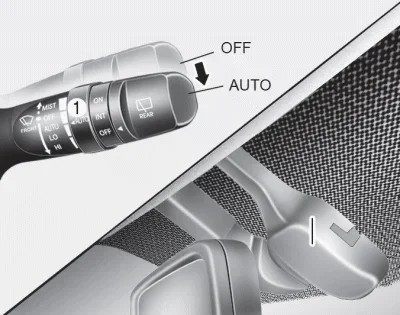
In most Hyundai models, the wiper controls are on the right side of the steering column. This is the lever you pull to activate your wipers manually. Near the base of this lever or on the steering wheel itself, you will find a button or switch labeled with a wiper icon and raindrops. This is the rain-sensing wiper toggle.
If you have trouble finding it, refer to your owner’s manual. The manual will have a diagram showing exactly where the controls are. Some newer Hyundai models, especially those with digital dashboards, may place the rain-sensing wiper option on the touchscreen display instead of a physical button.
Step 2: Push the Rain-Sensing Wiper Button
Once you find the button, press it to activate the rain-sensing wiper system. In most Hyundais, pressing this button once turns the system on. You should see an icon appear on your dashboard or instrument cluster. This icon usually looks like a wiper blade with a few raindrops. The appearance of this icon confirms that the system is now active and ready to detect rain on your windshield.
Some models require you to first set the wiper stalk to the AUTO position before the rain-sensing feature will work. If pressing the button does not seem to do anything, try moving the wiper stalk to AUTO and then pressing the button again. The order matters on some models, so it is worth trying both approaches.
Step 3: Adjust the Sensitivity (If Available)
Many Hyundai models let you adjust how sensitive the rain sensor is. This is useful because you might want the wipers to activate during a light mist, or you might prefer them to only kick in during a heavy downpour. To adjust the sensitivity:
- Look for the sensitivity setting in your infotainment system under the Vehicle Settings menu.
- Select the rain-sensing wiper option.
- Choose between Low, Medium, or High sensitivity.
On the Low setting, the wipers will only activate when there is a lot of water on your windshield. On the High setting, even a light drizzle will trigger the wipers. Most drivers find the Medium setting works best for everyday driving in variable weather conditions.
Step 4: Test the System
After turning the system on and adjusting the sensitivity, it is a good idea to test it. You can do this by splashing a little water on your windshield or simply waiting for the next time it rains. The wipers should start automatically and adjust their speed based on how heavy the rainfall is. If everything works as expected, you are all set. If not, check the troubleshooting section below.
What to Do If Rain-Sensing Wipers Are Not Working
Sometimes the rain-sensing wiper system may not work as expected. This can happen for several reasons. The good news is that most issues are easy to fix. Here are some common problems and what you can do about them.
The Sensor Is Dirty
The rain sensor sits behind your rearview mirror, right against the inside of your windshield. Over time, dust, dirt, and grime can build up on the sensor or the glass near it. This can block the infrared light and prevent the sensor from working correctly. The fix is simple. Take a soft microfiber cloth and gently clean the area around the sensor. You can also use a glass cleaner, but make sure it does not leave streaks. Keeping your windshield clean inside and out helps the sensor work much better.
The Wiper Blades Are Worn Out
Even if the rain-sensing system works perfectly, old or worn wiper blades will not do a good job of clearing your windshield. If your wipers are leaving streaks or making squeaking noises, it is time to replace them. Replacing wiper blades is one of the easiest maintenance tasks you can do. You do not need any special tools for most Hyundai models. Just pull the old blade off, click the new one in, and you are done. If you are unsure, you can always check if you need a tool to change windshield wipers before you start.
The System Needs to Be Reset
Sometimes the rain-sensing wiper system may need a reset. To do this, turn off your Hyundai, remove the key or press the start/stop button, and wait for at least 30 seconds. Then restart the vehicle and try activating the rain-sensing wipers again. This simple reset often clears up minor glitches and gets the system working again.
The Sensor May Be Damaged
In rare cases, the rain sensor itself may be damaged or malfunctioning. If you have tried cleaning the sensor, replacing the wiper blades, and resetting the system, but the rain-sensing wipers still do not work, the sensor may need to be replaced. This is a job best left to a professional. You can take your Hyundai to any authorized dealership for diagnosis and repair. If you are curious about warranty coverage, you can also check if you can use Toyota Care at any dealership, though this applies only to Toyota vehicles and not Hyundai.
Tips for Getting the Most Out of Rain-Sensing Wipers
Rain-sensing wipers are a great feature, but a few tips can help you get the most out of them. Here are some practical suggestions from experienced drivers and automotive experts.
Keep Your Windshield Clean Inside and Out
The rain sensor works best when the windshield is clean. Dirt, fingerprints, and water spots can interfere with the infrared signal. Make it a habit to clean the inside of your windshield regularly with a glass cleaner and a microfiber cloth. A clean windshield also improves your visibility in general, which is always a good thing.
Use the Right Wiper Fluid
Using quality windshield washer fluid helps keep both the sensor and the wiper blades in good condition. Cheap or low-quality fluid can leave residue on the glass that interferes with the sensor. During the rainy season, make sure your washer fluid reservoir is full so you can keep your windshield clean on the go.
Replace Wiper Blades Regularly
Wiper blades wear out over time. Most experts recommend replacing them every six to twelve months. Fresh wiper blades work better with the rain-sensing system because they clear water more efficiently. If you are unsure about the size or type of wiper blades to buy, you can look up whether you can go up a size in windshield wipers for your specific Hyundai model.
Turn Off the System When Not Needed
While rain-sensing wipers are convenient, there are times when you might want to turn them off. For example, if you are driving on a dusty road and the sensor keeps triggering unnecessarily, it can be annoying. Simply press the rain-sensing wiper button again to turn the system off. You can always switch it back on when you need it again.
Be Aware of False Triggers
In some cases, the rain sensor may be triggered by things other than rain. For instance, water droplets from a car wash or a splash from a puddle can sometimes set off the wipers. This is normal and not a cause for concern. The system is designed to be responsive, and it cannot tell the difference between rain and other sources of water on the windshield.
Comparison: Rain-Sensing Wipers vs. Manual Wipers
To help you understand the value of rain-sensing wipers, here is a quick comparison between the two systems:
- Convenience: Rain-sensing wipers work automatically, while manual wipers require you to activate them yourself.
- Safety: Automatic wipers help you keep your eyes on the road, since you do not have to fiddle with controls during a rainstorm.
- Adjustability: Most rain-sensing systems let you adjust sensitivity, while manual wipers have fixed speeds.
- Maintenance: Rain-sensing systems have a sensor that needs to stay clean, while manual systems are simpler and have fewer parts to maintain.
- Cost: Vehicles with rain-sensing wipers may cost slightly more upfront, but the convenience and safety benefits can be well worth it.
Overall, rain-sensing wipers are a nice-to-have feature that adds real value to your driving experience. If your Hyundai has this feature, it is worth learning how to use it properly.
Common Mistakes People Make With Rain-Sensing Wipers
Even though rain-sensing wipers are designed to be user-friendly, there are a few common mistakes that drivers make. Avoiding these can help you get better performance from the system.
- Leaving the system on when it is not raining: Some drivers forget to turn the system off after the rain stops. This can cause the wipers to activate unexpectedly if moisture is still on the glass.
- Ignoring the sensor cleanliness: A dirty sensor is the number one reason rain-sensing wipers fail to work properly. Regular cleaning takes just a few seconds and prevents a lot of frustration.
- Not adjusting sensitivity: If the default sensitivity does not work well for your driving conditions, take a few minutes to adjust it. A small change can make a big difference.
- Using worn-out wiper blades: The rain-sensing system may detect rain and activate the wipers, but old blades will not clear the water effectively. Always keep your blades in good condition.
- Assuming the system works on all models: Not every Hyundai comes with rain-sensing wipers. Always check your specific model and trim before assuming the feature is available.
Expert Insights on Rain-Sensing Wiper Technology
Rain-sensing wiper technology has come a long way in recent years. Early systems were sometimes slow to respond or overly sensitive. Modern systems, like those found in newer Hyundai models, are much more refined. They can distinguish between light mist and heavy rain, and they adjust wiper speed smoothly and quietly.
Automotive experts agree that rain-sensing wipers are a valuable safety feature. They reduce driver distraction during wet weather, which is one of the leading causes of accidents. If you frequently drive in areas with frequent rain, such as the Pacific Northwest or the Southeast, this feature can make a real difference in your daily commute.
One thing to keep in mind is that rain-sensing wipers are a supplement to good driving habits, not a replacement. You should still reduce your speed, increase your following distance, and use your headlights when driving in the rain. The wipers help you see better, but they do not make you immune to slippery roads or reduced visibility.
Final Thoughts
Turning on rain-sensing wipers in your Hyundai is quick, easy, and well worth the effort. Whether you are driving a Sonata, Tucson, Santa Fe, or Kona, the process is largely the same across the lineup. Find the rain-sensing wiper button on your steering column or infotainment screen, press it, and the system takes care of the rest. You can adjust the sensitivity to match your preferences, and you always have the option to switch to manual control if needed.
Taking care of your rain-sensing system is simple. Keep the sensor clean, replace your wiper blades regularly, and use good quality washer fluid. These small steps go a long way in ensuring the system works reliably every time you need it. With proper care, your rain-sensing wipers will serve you well for many years of driving.
If you are looking for more tips on maintaining your Hyundai, there are many resources available. For instance, understanding your windshield wiper maintenance can help you keep your wipers in top shape. Similarly, knowing whether you can upgrade your wiper blade size might give you better performance in heavy rain.
Rain-sensing wipers are just one of the many smart features that make modern Hyundais so enjoyable to drive. Once you get used to them, you will not want to go back to manual wipers. So take a few minutes to explore the settings, adjust the sensitivity, and enjoy a clearer, safer drive the next time the rain starts to fall.
Frequently Asked Questions
How do I know if my Hyundai has rain-sensing wipers?
Check your owner’s manual or look for a wiper icon with raindrops on your steering column controls or infotainment screen. If your Hyundai is a higher trim level of the Sonata, Tucson, Santa Fe, or Palisade, there is a good chance it includes this feature. You can also test it by splashing water on your windshield near the rearview mirror while the system is activated.
Can I turn off rain-sensing wipers if I prefer manual control?
Yes, you can. Simply press the rain-sensing wiper button again to turn the system off. Your wipers will return to manual control, and you can activate them the traditional way using the wiper stalk on your steering column.
Why do my rain-sensing wipers sometimes activate when it is not raining?
This can happen if the sensor detects moisture from sources other than rain, such as a car wash, a splash from a puddle, or even condensation on the windshield. It is normal behavior and not a sign of a malfunction. You can turn the system off if it becomes bothersome.
How often should I clean the rain sensor on my Hyundai?
It is a good idea to clean the sensor area at least once a month, or more often if you notice the wipers are not activating properly. A quick wipe with a soft microfiber cloth is all it takes. Keeping the sensor clean ensures accurate rain detection and reliable wiper performance.
Do rain-sensing wipers work in all weather conditions?
Rain-sensing wipers are designed to work in most wet conditions, including light drizzle and heavy rain. However, they may not activate in freezing conditions if the water on the windshield has turned to ice. In very cold weather, you may need to use manual wiper control or a de-icing solution.
Can I adjust how fast the rain-sensing wipers respond?
Yes, most Hyundai models with rain-sensing wipers allow you to adjust the sensitivity. You can typically find this setting in the Vehicle Settings menu on your infotainment screen. Choose between Low, Medium, or High sensitivity to match your driving preferences and local weather conditions.