How Haval Performs in Snowy Conditions on Winter Roads
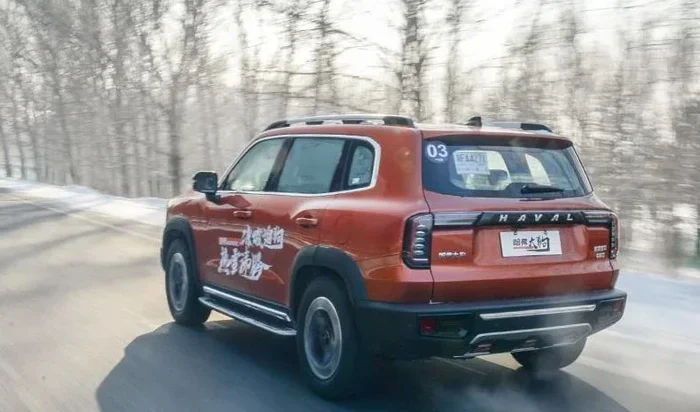
Haval vehicles handle snowy roads surprisingly well thanks to their strong drivetrain systems and solid ground clearance. Whether you own a Haval H6 or another model, understanding how your SUV performs in winter conditions helps you stay safe. This guide covers traction, cold weather reliability, and practical winter driving tips for Haval owners.
Winter roads can be tough on any vehicle. But how does a Haval handle when the snow starts falling? If you own a Haval SUV or are thinking about buying one, you might wonder whether it can handle icy roads and snow packed highways. The good news is that Haval vehicles are built with winter driving in mind. Their strong drivetrain options, solid ground clearance, and reliable engines make them a solid choice for cold weather driving.
In this guide, we will walk through everything you need to know about how Haval performs in snowy conditions. We will cover drivetrain systems, cold weather reliability, winter maintenance tips, and common problems drivers face. By the end, you will have a clear picture of what to expect and how to get the most out of your Haval this winter season.
Whether you are dealing with light snowfall or heavy winter storms, understanding your vehicle’s limits and strengths helps you stay safe. Let us dive into the details of Haval winter performance and give you the confidence to hit the road when the temperature drops.
Key Takeaways
- Haval SUVs offer strong traction: Most Haval models come with all-wheel drive or four-wheel drive options that handle snow packed roads with confidence.
- Cold weather performance is solid: Haval engines are designed to start and run reliably even in freezing temperatures.
- Winter tires make a big difference: Switching to snow tires greatly improves icy roads handling and overall safety.
- Regular maintenance matters: Simple winter car maintenance steps keep your Haval running smooth all season long.
- Ground clearance gives an edge: Haval’s higher ride height helps navigate deep snow better than many sedans.
- Battery health is critical: Cold weather battery performance can drop, so regular checks are a must.
- Driving habits count: Slow speeds and gentle braking go a long way on winter road conditions.
📑 Table of Contents
- Why Winter Driving Matters for Haval Owners
- How Haval Handles Snow and Ice
- Haval Drivetrain Options for Winter Roads
- Winter Maintenance Tips for Haval Vehicles
- Common Problems Haval Faces in Snow
- Expert Tips for Driving Haval in Winter
- How Haval Compares to Other Brands in Snow
- Final Thoughts on Haval Winter Performance
Why Winter Driving Matters for Haval Owners
Winter driving is not just about snow. It is about ice, freezing temperatures, reduced visibility, and roads that change from day to day. For Haval owners, knowing how your vehicle responds to these challenges makes a huge difference. Haval SUV models like the Haval H6 are popular choices for families, and many of them live in regions that see real winter weather.
Cold weather affects every vehicle. Batteries lose power. Tires lose grip. Engines take longer to warm up. But Haval vehicles are engineered to handle these stresses better than many competitors. Their cold weather performance comes from a combination of smart engineering and durable components that hold up under pressure.
When snow covers the road, your vehicle needs more than just good brakes. It needs a system that can distribute power to the wheels that have traction. This is where Haval’s drivetrain options really shine. Let us take a closer look at what makes Haval a strong performer on winter roads.
The Role of Drivetrain in Snow Performance
Your drivetrain is the system that sends power from the engine to the wheels. In snow, this system determines whether your car grips the road or spins out. Haval offers several drivetrain configurations across its lineup. Many models come standard with front-wheel drive, but higher trims and specific variants include all-wheel drive or four-wheel drive options.
All-wheel drive sends power to all four wheels at the same time. This gives you better grip on slippery surfaces. Four-wheel drive is even more capable because it can lock the front and rear axles together. This is especially helpful when you are stuck in deep snow or climbing icy hills.
If you are comparing Haval to other brands, you will find that many 4×4 cars in the market offer similar capability. However, Haval often provides these systems at a more affordable price point, making winter-ready capability accessible to more buyers.
How Haval Handles Snow and Ice
So what actually happens when you drive a Haval on snow? The answer depends on a few factors. These include the model you own, the tires you use, and your driving habits. But overall, Haval vehicles handle snow and ice with a good balance of stability and control.
Haval SUVs have a higher seating position and more ground clearance than most sedans. This means your vehicle sits higher above the snow, reducing the chance of getting stuck. The wider stance of many Haval models also helps with stability on icy roads handling situations.
Let us break down the key areas where Haval shines in snow conditions.
Traction Control and Stability Systems
Most modern Haval models come equipped with electronic traction control and electronic stability control. These systems monitor wheel slip and adjust power delivery in real time. When one wheel starts to slide on ice, the system reduces power to that wheel and sends more to the ones with grip.
This technology is not unique to Haval. But the way it is tuned in Haval vehicles tends to favor a smooth and predictable response. You will not feel sudden jerks or harsh corrections. Instead, the system works quietly in the background to keep you on track.
For drivers who venture off paved roads into deeper snow, having a four-wheel drive Haval model makes a noticeable difference. The extra traction helps you climb snow covered hills and navigate unplowed roads with much more confidence.
Snow Tires and Winter Tire Options
Even the best drivetrain cannot work magic without good tires. Snow tires are one of the most important upgrades you can make for winter driving. They use a softer rubber compound that stays flexible in cold temperatures. The tread pattern is designed to bite into snow and channel slush away from the contact patch.
If you live in an area with heavy snowfall, consider investing in a set of winter tires for your Haval. You can also use winter tire chains for extreme conditions. Chains give you an extra layer of grip when the roads are covered in thick ice or deep snow.
Keep in mind that tire size matters too. Make sure your snow tires match the recommended size for your Haval model. Using the wrong size can affect how your vehicle handles and may cause damage to the drivetrain over time.
Haval Drivetrain Options for Winter Roads
Understanding the drivetrain options available in the Haval lineup helps you choose the right model for winter driving. Not all Haval vehicles are created equal when it comes to snow capability. Let us explore what is available.
Haval offers a range of drivetrain configurations across its SUV lineup. The most common options include:
- Front-Wheel Drive (FWD): Standard on most base trims. Works well for light snow and paved winter roads.
- All-Wheel Drive (AWD): Available on mid-range and higher trims. Provides better grip in moderate to heavy snow.
- Four-Wheel Drive (4WD): Found on select rugged or off-road oriented models. Best for deep snow and rough terrain.
The Haval drivetrain systems are designed to be durable and reliable. They use electronic controls to manage power distribution, which means less wear on mechanical components compared to older mechanical 4WD systems.
When you compare Haval’s winter driving capability to other brands, you will find that it holds its own. Many competitors offer similar AWD and 4WD systems, but Haval often packages these features with more standard equipment at a competitive price.
AWD vs 4WD: Which Is Better for Snow?
This is a common question among winter drivers. The short answer is: it depends on where you drive. AWD is great for paved roads with snow and ice. It helps with acceleration and cornering. 4WD is better for off-road or deeply snow covered paths where you need maximum traction.
For most Haval owners who commute on regular winter roads, AWD is more than enough. If you live in a rural area with unplowed roads, a 4WD model gives you extra peace of mind.
Winter Maintenance Tips for Haval Vehicles
Keeping your Haval in top shape during winter requires a few extra steps. Winter car maintenance is not complicated, but it does require consistency. A well-maintained Haval will perform much better in snow and cold weather than one that has been neglected.
Here are the most important maintenance tasks to focus on before winter arrives.
Battery Health and Cold Weather Performance
Cold weather is tough on car batteries. As temperatures drop, your battery’s ability to hold a charge decreases. This can lead to starting problems, especially on freezing mornings. If you have experienced car won’t start in cold weather but battery is good situations, you know how frustrating this can be.
Have your Haval’s battery tested before winter sets in. Replace any battery that is more than three to five years old. Clean the terminals and make sure the connections are tight. A healthy battery ensures your Haval starts reliably every time, even on the coldest mornings.
Coolant and Antifreeze Levels
Your Haval’s cooling system does more than regulate engine temperature. It also prevents the coolant from freezing in cold weather. Make sure your antifreeze levels are correct and the mixture is right for the temperatures you expect to face.
Most Haval models use a standard 50/50 coolant mix. But if you live in an area where temperatures regularly drop below negative twenty degrees Fahrenheit, you may want a stronger antifreeze concentration. Check your owner’s manual for the recommended specifications.
Windshield Wipers and Visibility
Good visibility is essential for safe winter driving. Replace your windshield wiper blades before winter. Old blades skip and streak, making it hard to see through snow and rain on your windshield. Consider using winter-specific wiper blades that are designed to handle ice and heavy snow buildup.
Also, make sure you are using the right windshield washer fluid. Regular washer fluid can freeze in the reservoir during cold snaps. Use a winter-grade fluid rated for sub-zero temperatures to keep your windshield clean and clear.
Oil and Engine Performance
Engine oil thickens in cold weather, which can make it harder for your engine to turn over. Use a winter-grade oil that is rated for low temperatures. Check your Haval owner’s manual for the recommended oil weight for cold weather driving.
Also, avoid overfilling your engine with oil. If you have ever dealt with driving with too much oil, you know it can cause serious engine problems. Keep your oil level within the recommended range for optimal performance in winter conditions.
Common Problems Haval Faces in Snow
No vehicle is perfect, and Haval is no exception. While Haval vehicles handle snow well overall, there are some common issues that drivers should be aware of. Knowing these problems helps you prevent them or deal with them quickly when they arise.
Reduced Battery Performance in Extreme Cold
Even with a healthy battery, extreme cold can reduce its output. This is especially true for Haval models with start-stop technology or hybrid systems. If your Haval has a hybrid battery system, the cold can affect how the system manages power during startup and low-speed driving.
The solution is simple. Park your Haval in a garage or covered area when possible. If you do not have a garage, consider using a battery blanket or trickle charger during the coldest nights. These small steps can make a big difference in cold weather reliability.
Thickened Fluids and Slow Warm-Up
In very cold weather, the fluids inside your Haval can thicken. This includes engine oil, transmission fluid, and power steering fluid. Thick fluids move more slowly, which means your vehicle may take longer to warm up and feel sluggish in the first few minutes of driving.
Using the right winter-grade fluids helps minimize this issue. Also, avoid idling your vehicle for too long. If you are wondering how long a car can idle safely, the general rule is no more than three to five minutes in winter. After that, driving gently is the best way to warm up the engine and fluids quickly.
Snow and Ice Buildup on the Vehicle
Snow buildup on your Haval can block sensors, cameras, and radar systems. Many modern Haval models come with advanced driver assistance features. These systems rely on sensors that can be covered by snow and ice. Always clear all snow from your vehicle before driving, including the roof, hood, trunk, and all windows.
Also, check your sensor areas around the grille, mirrors, and bumpers. A quick brush-off before every drive keeps your safety systems working properly in snow driving safety conditions.
Expert Tips for Driving Haval in Winter
Owning a Haval in a snowy climate is a great experience, but it comes with responsibilities. Here are some expert tips to help you get the most out of your vehicle during the winter months.
Drive Smooth and Slow
The golden rule of winter driving is to be smooth. Accelerate gently, brake early, and avoid sudden steering inputs. Your Haval’s traction control system works best when you give it smooth inputs to work with. Jerky movements on snow or ice can overwhelm the system and cause a loss of control.
Increase Following Distance
Snow and ice increase stopping distances. On a dry road, you might follow at a two-second gap. In snow, increase that to at least six to eight seconds. This gives you more time to react if the car ahead of you brakes suddenly on a slippery surface.
Use Lower Gears on Hills
If your Haval has a manual transmission or a manual mode on the automatic, use lower gears when driving downhill in snow. This helps you control your speed without relying too heavily on the brakes. Engine braking is more effective and safer on slippery roads.
Keep Emergency Supplies in Your Vehicle
Winter emergencies can happen to anyone. Keep a basic emergency kit in your Haval. Include a blanket, flashlight, ice scraper, small shovel, and some snacks. If you ever get stuck, these supplies can make the difference between a minor inconvenience and a dangerous situation.
Also, if you are planning a long trip in winter weather, check road conditions before you leave. Being prepared for delays or closures helps you stay calm and make better decisions on the road.
Know When to Stay Home
This is the most important tip of all. No matter how capable your Haval is, there are days when it is simply not safe to drive. Heavy snowstorms, ice storms, and extremely low temperatures can make any road dangerous. If you do not need to go out, stay home and wait for the roads to be cleared.
Your Haval is a strong and reliable vehicle. But even the best Haval reliability has limits when nature throws its worst at us. Use good judgment and prioritize safety above all else.
How Haval Compares to Other Brands in Snow
When it comes to winter driving, how does Haval stack up against other popular brands? Let us take a quick look.
Compared to Toyota, Haval offers similar winter driving capability at a lower price point. Toyota models like the Camry and Corolla are reliable in snow, but they are primarily front-wheel drive sedans. Haval SUVs offer more ground clearance and AWD options as standard or available on more trims.
Haval also competes well with brands like Ford and Chevrolet in the SUV segment. Many of these brands offer similar AWD and 4WD systems. However, Haval’s value proposition often means you get more standard features for the same price.
For drivers who want to compare how different vehicles handle snow, you might also look at how Toyota Corollas handle snow. Corollas are reliable but are front-wheel drive sedans with less ground clearance than a Haval SUV. In deep snow, the Haval’s higher ride height and available AWD give it a clear advantage.
Overall, Haval holds its own in the winter performance category. It may not be a dedicated winter machine like some European brands, but for the price, it delivers strong and capable snow performance.
Final Thoughts on Haval Winter Performance
Haval vehicles are a solid choice for drivers who face snowy and icy winter roads regularly. With the right drivetrain, proper maintenance, and good winter tires, your Haval can handle a wide range of winter conditions with confidence. From light snow to moderate ice, these SUVs prove their Haval durability and winter worth time and time again.
The key is preparation. Take care of your vehicle before winter hits. Invest in the right tires. Keep your fluids and battery in top shape. And most importantly, drive with caution and respect for the conditions. A capable vehicle like a Haval is only as good as the driver behind the wheel.
Winter driving does not have to be stressful. With the knowledge and tips in this guide, you are well equipped to face the snow with your Haval. Stay safe, stay prepared, and enjoy the drive no matter what the weather brings.
Frequently Asked Questions
Is Haval good for driving in snow?
Yes, Haval vehicles perform well in snow thanks to their available all-wheel drive and four-wheel drive systems. Their higher ground clearance also helps them navigate snow covered roads better than lower sedans. With proper winter tires and maintenance, a Haval handles snowy conditions with confidence.
What drivetrain is best for a Haval in winter?
All-wheel drive is the best option for most winter driving scenarios. It provides balanced power to all four wheels on slippery surfaces. Four-wheel drive is better for deep snow or off-road conditions. Front-wheel drive works fine for light snow on paved roads.
How cold is too cold for a Haval to start?
Most Haval models are designed to start reliably in temperatures as low as negative twenty degrees Fahrenheit. Beyond that, battery performance drops significantly. Using a block heater or battery blanket in extreme cold helps ensure your Haval starts without issues.
Do I need winter tires on my Haval?
Winter tires are highly recommended for any vehicle driven in snow and ice. They provide much better grip than all-season tires in cold weather. For a Haval SUV, winter tires improve both safety and confidence on winter road conditions.
Can I use my Haval for off-roading in snow?
Yes, Haval models with four-wheel drive are capable of off-roading in snow. The higher ground clearance and durable drivetrain make them well suited for snow covered trails and unpaved winter roads. Just remember to drive at safe speeds and be aware of hidden obstacles under the snow.
How often should I check my Haval’s battery in winter?
Have your battery tested at least once before winter begins and again midway through the season. Cold weather puts extra stress on batteries. If your battery is more than three years old, consider replacing it proactively to avoid starting problems in cold weather.