How Haval Ensures Driver Safety With Smart Technology
Haval uses smart technology to keep drivers and passengers safe on every journey. From advanced driver assistance systems to intelligent collision avoidance, Haval integrates cutting-edge safety features into its vehicles. Learn how these innovations work together to prevent accidents and protect lives on the road.
Key Takeaways
- ADAS Technology: Haval vehicles come packed with advanced driver assistance systems that actively monitor the road.
- Collision Avoidance: Automatic emergency braking and forward collision warning help prevent accidents before they happen.
- Driver Monitoring: Smart sensors track driver attention and alert you when fatigue or distraction is detected.
- Proactive Safety Design: Haval builds vehicles with structural integrity and smart crash protection from the ground up.
- Ongoing Innovation: Haval continues to invest in new safety technologies that evolve with real-world driving conditions.
📑 Table of Contents
- How Haval Ensures Driver Safety With Smart Technology
- Advanced Driver Assistance Systems in Haval Vehicles
- Intelligent Driver Monitoring and Attention Systems
- Structural Safety and Crash Protection Engineering
- Electronic Stability and Braking Technology
- Haval Safety Ratings and Real-World Performance
- Maintaining Your Haval’s Safety Systems
- Common Mistakes That Reduce Haval Safety Features
- Expert Insights on Haval Safety Technology
- The Future of Haval Safety Technology
- Conclusion
How Haval Ensures Driver Safety With Smart Technology
Safety is not an afterthought for Haval. It is the foundation of every vehicle they build. Today’s cars are more than just metal and glass. They are smart machines that watch the road, sense danger, and react faster than any human ever could. How Haval Ensures Driver Safety has become a central question for car buyers who want peace of mind on every trip.
Haval, a brand under Great Wall Motors, has made serious investments in smart safety technology. Their vehicles now feature a suite of advanced systems designed to protect drivers, passengers, and everyone on the road. From automatic braking to lane-keeping assist, these features work together like a co-pilot that never sleeps. In this article, we will break down exactly how Haval uses smart technology to keep you safe.
Whether you are shopping for a new SUV or just curious about modern car safety, this guide covers everything you need to know. We will explore the technology, the engineering, and the real-world benefits. Let us dive into the world of Haval smart safety features and see what makes these vehicles stand out.
Advanced Driver Assistance Systems in Haval Vehicles
Haval vehicles come equipped with a full suite of Advanced Driver Assistance Systems, commonly known as ADAS. These systems use cameras, radar, and sensors to create a 360-degree view of the road around you. The goal is simple: help you see what you might miss and react faster to potential dangers.
Forward Collision Warning and Automatic Emergency Braking
One of the most important safety features in any modern car is forward collision warning. Haval vehicles use radar and camera systems to monitor the distance between your car and the vehicle ahead. If the system detects a potential crash, it alerts you immediately.
If you do not react in time, automatic emergency braking kicks in. This feature can apply the brakes on its own to reduce the severity of a collision or prevent it entirely. Studies show that automatic emergency braking significantly reduces rear-end crashes. Haval integrates this technology seamlessly, so you barely notice it working until you need it most.
Lane Departure Warning and Lane Keeping Assist
Lane departure warning is another critical feature in Haval’s safety lineup. If your vehicle starts to drift out of its lane without signaling, the system alerts you. This is especially helpful on long highway drives when fatigue can set in.
Lane keeping assist goes a step further. It actively adjusts the steering to keep your car centered in the lane. Together, these features form a powerful lane safety system that reduces the risk of unintentional lane changes and side-swipe accidents.
Adaptive Cruise Control
Haval’s adaptive cruise control uses radar to maintain a safe following distance from the car ahead. Unlike traditional cruise control, this system adjusts your speed automatically. If traffic slows down, your vehicle slows down too. When the road clears, it returns to your set speed.
This feature is a game-changer for highway driving. It reduces the mental load on the driver and helps maintain a consistent, safe following distance. Adaptive cruise control is now standard or available on most Haval models, making long road trips more comfortable and safer.
Intelligent Driver Monitoring and Attention Systems
Haval understands that the biggest risk on the road is often the driver. Fatigue, distraction, and impairment cause thousands of accidents every year. To address this, Haval has developed intelligent driver monitoring systems that watch the driver, not just the road.
How Driver Monitoring Works
Inside the cabin, a small camera tracks the driver’s face and eye movements. If the system detects signs of drowsiness or distraction, it sends an alert. Some Haval models even recommend taking a break if prolonged inattention is detected.
This technology uses computer vision algorithms to analyze head position, blink rate, and eye direction. It is a proactive approach to safety that addresses the human element of driving. The system does not judge. It simply helps keep you alert and focused.
Blind Spot Monitoring and Rear Cross-Traffic Alert
Changing lanes can be risky, especially in heavy traffic. Haval’s blind spot monitoring uses sensors to detect vehicles in your blind spots. A warning light appears on the side mirror, and if you signal while a car is detected, the alert intensifies.
Rear cross-traffic alert works when you are reversing out of a parking spot. It warns you of approaching vehicles from the sides. This is incredibly useful in crowded parking lots where visibility is limited. Together, these features make parking and maneuvering in tight spaces much safer.
Structural Safety and Crash Protection Engineering
Smart technology is only part of the equation. Haval also focuses heavily on structural safety and crash protection. A vehicle’s body design plays a huge role in how well it protects occupants during a collision.
High-Strength Steel Framework
Haval uses high-strength steel in the construction of its vehicles. This material is lighter than traditional steel but much stronger. It helps absorb impact energy during a crash, directing force away from the passenger cabin. The result is a rigid safety cage that protects occupants even in severe collisions.
The body structure is engineered with specific crumple zones. These zones are designed to absorb impact in a controlled way, reducing the force transmitted to passengers. Haval engineers use computer simulations and real-world crash testing to refine these designs continuously.
Multiple Airbag Systems
Haval vehicles come with multiple airbags positioned throughout the cabin. Front airbags protect the driver and front passenger. Side curtain airbags cover the windows to protect heads during side impacts. Some models also include knee airbags and seat-mounted side airbags.
These airbags deploy in milliseconds. They work alongside seatbelts and structural design to create a comprehensive passive safety system. Every airbag is strategically placed to maximize protection without adding unnecessary weight.
Electronic Stability and Braking Technology
Keeping a vehicle stable on the road is essential for safety. Haval uses advanced electronic systems to help drivers maintain control in challenging conditions.
Electronic Stability Control
Electronic stability control (ESC) is a life-saving technology found in Haval vehicles. It monitors steering input and vehicle movement. If the system detects that the car is sliding or losing traction, it automatically applies brakes to individual wheels. This helps the driver regain control and stay on course.
ESC is particularly effective on wet, icy, or uneven roads. It works behind the scenes, often without the driver even noticing. But when traction is lost, this system can prevent a rollover or spin-out accident.
Anti-Lock Braking System and Brake Assist
Haval vehicles feature an anti-lock braking system (ABS) that prevents wheels from locking up during hard braking. This allows the driver to maintain steering control while stopping in an emergency.
Brake assist adds another layer of protection. It detects when a driver is braking hard and applies maximum braking force automatically. This reduces stopping distance in urgent situations. Together, ABS and brake assist form a powerful emergency braking system that every driver should have.
Haval Safety Ratings and Real-World Performance
Safety technology means little without proper testing and validation. Haval vehicles have earned strong safety ratings from various international testing bodies. These ratings reflect real-world crash performance and the effectiveness of safety features.
Global Crash Test Performance
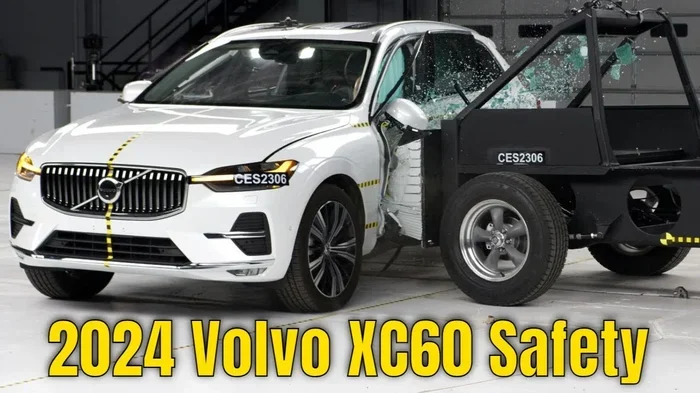
Haval has submitted its vehicles to rigorous crash testing programs. These tests evaluate frontal impacts, side impacts, and pedestrian protection. The results consistently show that Haval vehicles perform well in protecting occupants.
High safety ratings give buyers confidence that their investment is protected. They also reflect the brand’s commitment to vehicle safety standards that meet or exceed global regulations.
Real-World Safety Benefits
Beyond crash tests, Haval’s safety features deliver real-world benefits every day. Drivers report feeling more confident on highways, in heavy traffic, and during challenging weather conditions. The combination of proactive and reactive safety systems creates a layered approach to protection.
For example, a driver on a long road trip benefits from adaptive cruise control, lane keeping assist, and driver monitoring. If fatigue sets in, the system alerts them. If they drift, the system corrects. If a car ahead stops suddenly, the automatic braking system responds. Each feature addresses a specific risk, and together they form a comprehensive safety net.
Maintaining Your Haval’s Safety Systems
Even the most advanced safety technology needs proper maintenance to work correctly. Keeping your Haval in top condition ensures that all safety features function when you need them most.
Regular Sensor and Camera Checks
Haval’s safety systems rely on cameras and sensors mounted around the vehicle. These components can become dirty or misaligned over time. Regular cleaning and inspection during service appointments help ensure accuracy.
For instance, a camera blocked by dirt or snow may not detect lane markings properly. A radar sensor covered in mud may not measure distance correctly. Simple maintenance steps can keep these systems working at peak performance.
Software Updates and Recalls
Modern vehicles receive software updates that improve safety features over time. Haval occasionally releases updates that enhance driver assistance algorithms or fix known issues. Staying current with these updates ensures your vehicle benefits from the latest safety improvements.
It is also important to address any recalls promptly. Safety recalls are issued when a potential issue is identified. Responding quickly keeps your vehicle safe and compliant with manufacturer standards.
Battery and Electrical System Health
Haval’s smart safety features depend on the vehicle’s electrical system. A weak battery or faulty wiring can affect sensor performance and system reliability. Regular checks of the battery and electrical components should be part of your routine maintenance schedule.
If you own a hybrid Haval model, it is also worth noting that how long a hybrid sits without being driven can affect battery health and system readiness. A well-maintained battery ensures all electronic safety features operate reliably. You can learn more about this topic in our guide on how long a hybrid can sit without being driven.
Tire Maintenance and Road Safety
No safety system can fully compensate for poor tire condition. Tires are the only point of contact between your vehicle and the road. Proper tire pressure, adequate tread depth, and regular rotations all contribute to safer driving.
Haval vehicles with stability control and traction systems rely on healthy tires to function effectively. Worn tires reduce grip and increase stopping distances. Simple tire maintenance goes a long way toward maximizing the effectiveness of your Haval’s safety features.
Common Mistakes That Reduce Haval Safety Features
Even the best safety technology can be undermined by poor driving habits. Here are common mistakes that reduce the effectiveness of Haval’s safety systems:
- Ignoring dashboard warnings: Safety system alerts on your dashboard should never be ignored. They often indicate a sensor or component that needs attention.
- Dirty sensors and cameras: Mud, snow, and grime on sensors can disable or degrade safety features. Keep them clean.
- Over-reliance on automation: Smart technology assists you. It does not replace attentive driving. Always stay focused on the road.
- Skipping software updates: Outdated software may not have the latest safety improvements or bug fixes.
- Neglecting maintenance: Regular service keeps all systems, including safety features, functioning properly.
Expert Insights on Haval Safety Technology
Automotive safety experts praise Haval’s approach to integrating smart technology into their vehicles. The brand has consistently invested in research and development to stay ahead of evolving safety standards.
“Haval has made remarkable progress in bringing advanced safety features to the mainstream market,” says one industry analyst. “Their focus on driver monitoring and collision avoidance puts them on par with luxury brands at a more accessible price point.”
What sets Haval apart is the balance between affordability and technology. You do not need to spend a premium to access features like automatic emergency braking, lane keeping assist, and driver monitoring. These systems are woven into the fabric of the Haval driving experience.
When comparing Haval to other brands in the same segment, the safety technology often matches or exceeds competitors. This commitment to intelligent vehicle safety has helped Haval earn a growing reputation among safety-conscious buyers worldwide.
The Future of Haval Safety Technology
Haval continues to push the boundaries of what smart safety technology can do. The brand is actively developing features that look ahead to the future of driving. Here are some exciting areas of innovation:
- Enhanced autonomous driving features: Haval is working on more advanced systems that can handle highway driving with minimal driver input.
- V2X communication: Vehicle-to-everything technology will allow Haval cars to communicate with other vehicles and infrastructure for even safer road conditions.
- AI-powered safety predictions: Future Haval models may use artificial intelligence to predict potential hazards before they occur.
- Improved pedestrian detection: Upgraded camera systems will enhance the ability to detect and avoid pedestrians, especially at night.
The road ahead looks bright for Haval safety technology. Each new model brings smarter, faster, and more reliable systems. For drivers, this means safer roads and greater confidence every time they get behind the wheel.
Conclusion
How Haval Ensures Driver Safety is a story of continuous innovation and commitment. From advanced driver assistance systems to intelligent monitoring and robust structural design, Haval leaves no stone unturned when it comes to protecting its occupants. Every feature, from automatic emergency braking to lane keeping assist, works together to create a safer driving experience.
Smart technology has transformed the way we think about car safety. Haval has embraced this transformation fully, bringing features once reserved for luxury brands to a wider audience. The result is a lineup of vehicles that not only perform well but also keep you and your loved ones protected.
Maintaining these systems through regular service, software updates, and proper tire care ensures they work when you need them most. Haval’s investment in safety is not just about meeting standards. It is about giving drivers confidence and peace of mind on every journey. With Haval, you are not just buying a car. You are investing in a safer way to travel.
If you are interested in learning more about how your vehicle handles long periods of idle time, check out our article on how long a car can idle safely for helpful tips and guidelines.
Frequently Asked Questions
What safety features come standard in Haval vehicles?
Haval vehicles typically come with a range of standard safety features including anti-lock braking, electronic stability control, multiple airbags, and rearview cameras. Many models also include forward collision warning and automatic emergency braking as standard equipment. The exact features vary by model and trim level.
How does Haval’s automatic emergency braking system work?
Haval’s automatic emergency braking uses radar and camera sensors to monitor the road ahead. If the system detects an imminent collision and the driver does not respond, it automatically applies the brakes. This can significantly reduce the severity of a crash or prevent it altogether.
Is Haval’s driver monitoring system available on all models?
Driver monitoring is available on most newer Haval models, though availability can vary by trim and market. The system uses an interior camera to track driver attention and alerts you if it detects drowsiness or distraction. Check your specific model’s features for confirmation.
How often should I have my Haval’s safety sensors checked?
It is a good practice to have your safety sensors and cameras inspected during every regular service appointment. Dirt, debris, and minor impacts can affect sensor accuracy. Keeping them clean and properly aligned ensures all safety features work as intended.
Does Haval’s lane keeping assist work in all driving conditions?
Haval’s lane keeping assist works best on clear, well-marked roads. It may be less effective in heavy rain, snow, or on roads with faded lane markings. The system is designed to assist, not replace, attentive driving. Always stay focused on the road and steering.
What should I do if a safety warning light appears on my dashboard?
If a safety warning light appears, do not ignore it. Check your owner’s manual to identify the specific warning. In many cases, a sensor may need cleaning or recalibration. Schedule a service appointment with a certified Haval technician to diagnose and resolve the issue promptly.