How to Clean BMW Leather Seats Without Staining Them
Cleaning BMW leather seats the right way keeps them looking premium for years. You need the right products, gentle techniques, and a little patience to avoid stains and cracking. This guide walks you through every step, from gathering supplies to applying a protective conditioner, so your BMW interior stays flawless.
BMW leather seats feel amazing. They look sleek, they smell great, and they make every drive feel a little more luxurious. But leather is also delicate. It stains easily, it cracks when dry, and it demands proper care to stay looking its best.
If you own a BMW, you already know the interior sets your car apart. The leather is a big part of that premium feel. But keeping it clean without causing damage is not always simple. Many people reach for whatever cleaner is handy, and that is where problems start.
This guide shows you exactly how to clean BMW leather seats without staining them. You will learn which products to use, which to avoid, and the step-by-step process that delivers real results. Whether you have a new BMW or a classic model, these tips will help you protect your investment and keep your interior looking showroom fresh.
Let us dive in.
Key Takeaways
- Use pH-balanced leather cleaners: Harsh chemicals strip natural oils and cause cracking over time.
- Test any product on a hidden spot first: This prevents unexpected discoloration or damage to your BMW leather seats.
- Always condition after cleaning: Conditioner replenishes moisture and adds a protective layer against future stains.
- Avoid household cleaners: Dish soap and all-purpose sprays are too harsh for automotive leather.
- Clean regularly, not just when dirty: A monthly routine prevents buildup and extends the life of your seats.
- Use soft microfiber cloths and soft-bristle brushes: Rough materials can scratch and ruin the leather surface.
📑 Table of Contents
- Why BMW Leather Seats Need Special Care
- Products You Will Need
- Step-by-Step Guide to Cleaning BMW Leather Seats
- Common Mistakes People Make When Cleaning BMW Leather Seats
- Preventing Stains on BMW Leather Seats
- How Often Should You Deep Clean BMW Leather Seats?
- Expert Tips for BMW Leather Seat Care
- Final Thoughts
Why BMW Leather Seats Need Special Care
BMW leather is not the same as the leather in a cheap couch. It is an engineered material designed to feel luxurious and last a long time. But it still needs proper care. Understanding why helps you clean smarter, not harder.
The Nature of Automotive Leather
Automotive leather goes through a tanning and finishing process. This makes it durable, but it also removes some of the natural oils. Over time, those oils break down from sun exposure, heat, and daily use. Without replacement, the leather dries out and cracks.
BMW uses high-quality leather, but that does not make it invincible. In fact, premium leather can be more sensitive because it has a thinner protective coating. This means the wrong cleaner can do real damage fast.
Common Stains on BMW Leather Seats
Not all stains are the same. Knowing what you are dealing with helps you choose the right cleaning approach. Here are the most common culprits:
- Water stains: From rain-soaked clothing or spilled drinks. These leave faint rings that look unsightly.
- Ink stains: Pens, markers, or even printer ink can leave permanent marks if not treated quickly.
- Food and drink spills: Coffee, wine, and sauces are notorious for staining leather.
- Dirt and grime buildup: Daily foot traffic and dusty clothing grind particles into the leather surface.
- Oil and grease stains: From skin oils, food grease, or mechanical contact.
Each type of stain responds differently to cleaning methods. Using the wrong approach can set the stain deeper or damage the leather finish.
Products You Will Need
Before you start cleaning, gather everything you need. Having the right tools makes the process faster and safer. Here is what you should have on hand.
Essential Cleaning Products
- pH-balanced leather cleaner: This is the most important product. Look for cleaners specifically designed for automotive leather. They are formulated to lift dirt without stripping natural oils.
- Leather conditioner: After cleaning, conditioner restores moisture and adds a protective layer. Choose a conditioner made for BMW or high-end automotive leather.
- Microfiber cloths: You need at least three or four clean microfiber cloths. They are soft, lint-free, and gentle on leather surfaces.
- Soft-bristle brush: A detailing brush with soft bristles helps loosen dirt from seams and textured areas without scratching.
- Distilled water: Tap water contains minerals that can leave spots on leather. Distilled water is pure and safe.
Products to Avoid
Some common household products seem like a quick fix, but they cause more harm than good. Avoid these at all costs:
- All-purpose household cleaners: These contain chemicals that are too harsh for automotive leather.
- Bleach or ammonia-based sprays: They discolor leather and break down the finish quickly.
- Dish soap: It strips natural oils and leaves leather dry and brittle.
- Alcohol-based cleaners: They dry out the leather and can cause cracking over time.
- Windex or glass cleaners: These are designed for glass, not leather. The solvents damage the surface.
Think of it this way. You would not use a sledgehammer to hang a picture frame. The same logic applies here. Use products made for the job.
Step-by-Step Guide to Cleaning BMW Leather Seats
Now that you have your supplies ready, let us walk through the cleaning process. Follow these steps in order for the best results.
Step 1: Vacuum the Seats
Start by removing loose dirt and debris. Use a vacuum with a soft brush attachment. Go over every inch of the seat, including seams, crevices, and between the seat cushions.
Do not skip this step. Vacuuming first prevents dirt particles from grinding into the leather when you apply cleaner. It also keeps your cleaning cloths from getting clogged with grit.
Step 2: Test Your Cleaner on a Hidden Spot
Before you spray anything on the main seat surface, test it on a hidden area. Try the underside of the seat or behind the headrest. Wait at least 10 minutes and check for any discoloration or damage.
This one simple step saves you from a world of trouble. Even the best leather cleaners can react differently depending on the age and condition of the leather.
Step 3: Apply the Leather Cleaner
Spray a small amount of leather cleaner onto a microfiber cloth. Do not spray it directly onto the seat. Excess moisture can seep into the leather padding and cause problems.
Wipe the seat in gentle circular motions. Work one section at a time, and do not rush. Let the cleaner do the work. Pressing too hard can push dirt deeper into the leather pores.
For stubborn stains, use a soft-bristle brush with light pressure. Scrub gently in small circles. Then wipe away the loosened dirt with a clean, damp microfiber cloth.
Step 4: Wipe Down and Dry
After cleaning each section, go over it with a fresh cloth dampened with distilled water. This removes any cleaner residue. Then use a dry microfiber cloth to pat the area dry.
Let the seats air dry completely before moving to the next step. This usually takes about 30 minutes, depending on your garage or room temperature. Do not use a hair dryer or heat gun. Excessive heat can warp the leather.
While you wait for the seats to dry, this is a great time to clean the rest of your BMW interior. If you want to clean other car interior parts using similar gentle methods, you might find useful tips in our guide on how to clean a cabin air filter without replacing it. The same care principles apply.
Step 5: Apply Leather Conditioner
Once the seats are completely dry, apply a thin layer of leather conditioner. Use a clean microfiber cloth and work in circular motions. Cover the entire seat surface, including the sides and back.
Conditioner replaces the natural oils that cleaning removes. It also adds a protective layer that helps repel future stains. Apply a second thin coat after the first one absorbs. Less is more here. Too much conditioner can leave a greasy residue.
Let the conditioner sit for 15 to 20 minutes, then buff off any excess with a dry microfiber cloth. Your BMW leather seats should now feel soft, smooth, and look rich.
Step 6: Maintain the Routine
Cleaning is a one-time event, but maintenance is ongoing. Make it a habit to wipe down your seats with a damp microfiber cloth every week. This prevents dirt from building up and reduces the need for deep cleanings.
Condition your leather every two to three months. If you park outside often or live in a dry climate, condition more frequently. Consistent care is the best defense against stains and cracking.
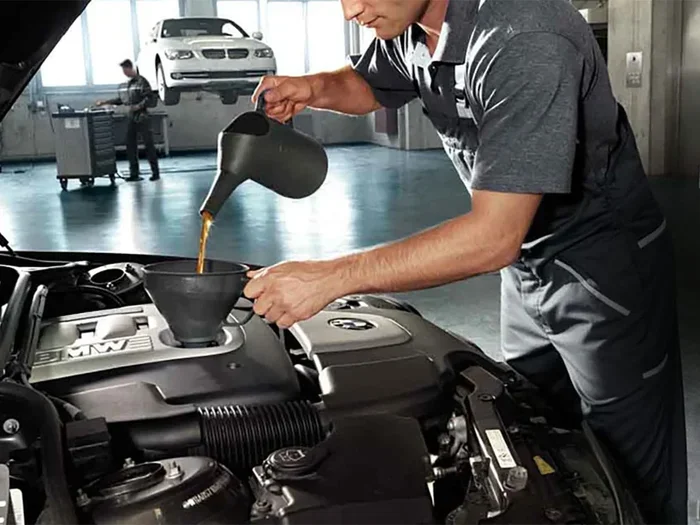
Also, keep your BMW maintenance schedule on track. Just like regular oil changes keep your engine running smoothly, regular leather care keeps your interior looking premium. If you are ever unsure about maintenance tasks, check whether you need to reset the light after an oil change or follow other service reminders to stay on top of your BMW care routine.
Common Mistakes People Make When Cleaning BMW Leather Seats
Even with good intentions, people make mistakes that damage their leather. Here are the most common ones to avoid.
Using Too Much Water
Water is not your friend when it comes to leather cleaning. Excess moisture seeps through the seams and into the foam padding underneath. This can lead to mold growth, unpleasant odors, and long-term structural damage.
Always use a damp cloth, not a wet one. Wring out your cloth thoroughly before wiping the seats. If the seat feels wet after cleaning, blot it dry immediately with a towel.
Skipping the Conditioner
Some people clean their leather seats and stop there. This is a big mistake. Cleaning removes dirt, but it also removes natural oils. Without conditioner, the leather dries out and becomes vulnerable to cracks and stains.
Think of conditioner as a moisturizer for your seats. Your skin needs moisture every day, and so does leather. Skip this step, and you will see the damage within months.
Using the Wrong Brush
A stiff brush or an old toothbrush might seem fine for scrubbing stains. But these tools create micro-scratches on the leather surface. Over time, these scratches collect dirt and make the seats look dull.
Always use a soft-bristle detailing brush. If you do not have one, a clean, soft cloth works just as well for most cleaning tasks.
Ignoring Small Stains
Small stains do not stay small. Coffee, ink, and oil stains spread and set deeper into the leather over time. The longer you wait to treat a stain, the harder it becomes to remove.
Address spills immediately. Blot them with a clean cloth, and use a leather cleaner as soon as possible. Quick action prevents permanent damage.
Preventing Stains on BMW Leather Seats
Cleaning is important, but prevention is even better. Here are simple habits that keep your BMW leather seats looking new for years.
- Use seat covers: Waterproof seat covers protect your leather from spills, dirt, and sun damage. They are especially useful if you have children or pets.
- Apply a leather protectant: A quality protectant creates a barrier that repels liquids and prevents stains from setting in.
- Park in the shade: UV rays break down leather fibers and cause fading. Parking in the shade or using a windshield sunshade helps preserve the leather.
- Wipe down after every drive: A quick wipe with a dry microfiber cloth removes surface dust and prevents buildup.
- Avoid eating in the car: Crumbs and spills are the enemy of clean leather. If you must eat in the car, use a spill-proof container.
- Condition regularly: Well-conditioned leather is more resistant to stains. The protective layer repels liquids and keeps the surface supple.
These habits take only a few minutes each week. But they add up to years of beautiful, stain-free leather seats.
How Often Should You Deep Clean BMW Leather Seats?
The frequency depends on how you use your BMW. Here is a general guideline:
| Usage Level | Deep Clean Frequency | Conditioning Frequency |
|---|---|---|
| Daily commuter | Every 4 to 6 weeks | Every 2 months |
| Occasional use | Every 2 to 3 months | Every 3 months |
| Off-road or dusty conditions | Every 2 weeks | Every month |
| Garage-kept, minimal use | Every 3 to 4 months | Every 4 months |
These are starting points. Adjust based on your own experience. If your seats start looking dull or feel dry, it is time for a cleaning session.
Expert Tips for BMW Leather Seat Care
Here are some insider tips that make a real difference in how your leather seats look and feel over time.
Always use distilled water. Tap water contains minerals that leave white spots on leather. Distilled water is pure and safe for all leather cleaning tasks. This is a small change that gives you noticeably better results.
Work in the shade. Never clean your BMW leather seats in direct sunlight. The heat causes the cleaner and conditioner to dry too fast, which can leave residue and uneven coverage. A shaded garage or covered parking area is ideal.
Do not use a steam cleaner. Steam cleaners might seem like a great idea, but the high heat and moisture can damage BMW leather. The heat opens the pores and forces moisture deep into the padding, leading to mold and odor problems.
Keep a leather care kit in your trunk. Pack a small microfiber cloth, a travel-sized leather cleaner, and a conditioner pen. This way, you can treat spills and stains on the go before they set in.
Invest in a quality leather repair kit. If you do get a scratch or a small crack, a repair kit can fix it before it gets worse. These kits are affordable and easy to use. They include color-matching dyes and fillers that blend seamlessly with your BMW leather.
Consider professional detailing once a year. Even with regular home care, a professional detailer can reach areas you might miss. They have access to industrial-grade products and techniques that restore leather to near-factory condition. Think of it as a spa day for your BMW interior.
Final Thoughts
Cleaning BMW leather seats without staining them is not difficult. It just requires the right products, the right technique, and a little consistency. Follow the steps in this guide, avoid the common mistakes, and make leather care part of your regular BMW maintenance routine.
Your BMW leather seats are a significant investment. They contribute to the comfort, the look, and the resale value of your vehicle. Taking care of them properly pays off every time you sit behind the wheel.
Start today. Gather your supplies, set aside an hour, and give your BMW interior the care it deserves. Your future self will thank you when your seats still look and feel incredible years from now.
Remember, the goal is not just to clean. The goal is to protect and preserve. With the right approach, your BMW leather seats will age gracefully and stay beautiful for the long haul.
Frequently Asked Questions
Can I use baby wipes to clean BMW leather seats?
Baby wipes might seem gentle, but most contain chemicals and fragrances that can dry out leather over time. They are not formulated for automotive leather. Stick to a pH-balanced leather cleaner for the best results and to avoid long-term damage to your BMW leather seats.
What is the best leather cleaner for BMW seats?
Look for a pH-balanced, ammonia-free leather cleaner made specifically for automotive use. Brands like Leather Honey, Chemical Guys, and 303 Aerospace Protectant are popular choices among BMW owners. Always test any new product on a hidden area first.
Can I use a steam cleaner on BMW leather seats?
No. Steam cleaners use high heat and moisture that can damage the leather. The heat opens the pores and forces water deep into the padding, which can lead to mold, odors, and cracking. Stick to gentle cleaning with a damp microfiber cloth and proper leather products.
How do I remove ink stains from BMW leather seats?
Ink stains are tough but treatable. Use a leather-specific ink remover or a small amount of rubbing alcohol applied to a microfiber cloth. Blot gently, do not rub, and work from the outside of the stain inward. Condition the area after treatment to restore moisture.
Can I use a hair dryer to speed up drying after cleaning?
No. Heat damages leather by drying it out too quickly and causing cracking or warping. Always let your BMW leather seats air dry naturally in a shaded, well-ventilated area. If you need to speed things up, use a fan on a low setting from a distance.
How can I tell if my BMW leather seats need conditioning?
Dry leather feels stiff, looks dull, or shows fine cracks. If your seats do not feel soft and smooth when you run your hand across them, it is time to condition. A good rule of thumb is to condition every two to three months, but climate and usage can change this frequency.