How to Start a Porsche and Unlock the Full Experience
Starting a Porsche is more than just turning a key — it is a ritual that connects you to one of the world’s finest sports cars. Whether you drive a Porsche 911, a Cayenne, or a Macan, understanding your ignition system, key fob, and safety features makes every drive smoother and safer. This guide walks you through every method, common problems, and pro tips so you can start your Porsche with confidence every single time.
There is something magical about turning the key — or pressing a button — and hearing a Porsche engine come alive. The rumble, the precision, the instant readiness. It is a moment that makes every drive feel special. But did you know that how you start your Porsche matters more than most people realize? The way you ignite the engine affects your car’s longevity, your safety, and even your insurance coverage. Whether you are a first-time Porsche owner or a seasoned driver looking to refine your routine, this guide covers everything you need to know about starting your Porsche the right way.
Modern Porsches come packed with technology. Keyless entry, push-button ignition, remote start systems, and advanced safety interlocks all play a role in the starting process. Understanding these systems is not just about convenience — it is about protecting your investment. A single mistake, like starting the car without pressing the brake or ignoring a warning light, can lead to expensive repairs or even void your warranty. That is why we put together this comprehensive guide. By the end, you will know exactly how to start a Porsche in any situation, troubleshoot common problems, and keep your engine running strong for years to come.
Key Takeaways
- Multiple Start Methods: Modern Porsches offer push-button start, traditional key ignition, and remote start options depending on the model and year.
- Key Fob Awareness Is Critical: A dead or misplaced key fob is the number one reason a Porsche won’t start.
- Safety Systems Matter: The brake pedal must be pressed, the transmission in park, and the seatbelt fastened before ignition.
- Battery Health Is Everything: A weak battery causes most starting problems, and regular maintenance prevents frustrating failures.
- Troubleshooting Saves Time and Money: Knowing how to read dashboard warning lights and error messages helps you solve issues fast.
- Professional Help Is Always an Option: When DIY fixes don’t work, a certified Porsche technician can diagnose complex problems quickly.
📑 Table of Contents
Understanding Your Porsche Ignition System
Before you turn the key or push the button, it helps to understand what happens when you start your Porsche. The ignition system is a carefully engineered sequence of events. When you activate the ignition, the car checks several conditions before allowing the engine to fire. These checks include verifying the key fob is present, confirming the brake pedal is pressed, ensuring the transmission is in park, and checking that all safety sensors are functioning correctly.
This process happens in milliseconds, but each step is critical. Skipping or bypassing any of these steps can trigger warning lights, prevent the car from starting, or in rare cases, cause damage to the starter motor. Porsches use two main types of ignition systems depending on the model and year: traditional key ignition and push-button start. Let us break down both.
Traditional Key Ignition
Older Porsche models and some base trims still use a traditional key ignition. You insert the key into the ignition cylinder, turn it clockwise, and the engine starts. This system is straightforward, but it requires a properly cut key that matches the car’s immobilizer code. If the key is worn or the immobilizer fails to recognize it, the engine will not turn over. Always keep a spare key in a safe place, and replace worn keys promptly to avoid being stranded.
Push-Button Start
Most modern Porsches use a push-button start system. This is the sleek, keyless system where you press the brake pedal and then press the engine start button. The car recognizes your key fob and fires up the engine. It is fast, convenient, and very satisfying. However, it also means you need to keep your key fob charged and within range. If the fob battery dies, you can usually start the car by placing the fob directly against the start button, which allows the car to read the fob’s RFID signal through proximity.
For those who enjoy the convenience of starting the car from a distance, some Porsche models support remote start through the Porsche Connect app. This feature lets you warm up or cool down your car before you get in. If you are curious about how remote start systems work across different vehicles, you can explore more about remote starting vehicles with a key fob to understand the broader technology.
Step-by-Step: How to Start a Porsche
Now let us walk through the actual starting process. Whether you have a Porsche 911, a Cayenne, a Panamera, or a Macan, the basic steps are very similar. Here is the exact sequence to follow every time you start your car.
Step 1: Enter the Vehicle and Buckle Up
Open the door with your key fob or the physical key. Sit down and buckle your seatbelt. This is not just a safety rule — many Porsches have a seatbelt sensor that prevents the car from starting if the driver is not buckled in. It is a small detail, but it matters.
Step 2: Press the Brake Pedal
This is the most important step for push-button start models. Press the brake pedal firmly with your right foot. The car will not start without the brake being engaged. This safety feature prevents the engine from accidentally turning over while the car is in gear.
Step 3: Put the Transmission in Park
Make sure the gear selector is in the Park position. For automatic transmissions, this is the “P” setting. For manual transmission Porsches, make sure the clutch is fully pressed and the car is in neutral. The car will not start if it detects the transmission is in any gear other than park or neutral.
Step 4: Press the Engine Start Button
With your foot on the brake and the car in park, press the engine start button. The dashboard lights will illuminate, the fuel pump will prime, and after a brief moment, the engine will fire. You will hear the distinctive Porsche sound, and the dashboard will display the ready-to-drive indicator.
Step 5: Check the Dashboard
Before you put the car in drive, take a quick glance at the dashboard. Are there any warning lights? Is the oil pressure normal? Is the tire pressure within range? Taking five seconds to check these indicators can prevent a world of trouble down the road.
Common Reasons a Porsche Won’t Start
Even the best cars have bad days. There is nothing more frustrating than turning the key or pressing the button and hearing nothing. Here are the most common reasons a Porsche will not start, and what you can do about each one.
Dead Key Fob Battery
This is the number one culprit. If your key fob battery is dead, the car cannot communicate with the fob and will refuse to start. The fix is simple: replace the battery. Most Porsche key fobs use a CR2032 coin cell battery. You can find replacements at any drugstore or auto parts store. Do you have to do anything after replacing a key fob battery? In most cases, no. Simply insert the new battery, and the fob will work immediately. However, if you notice the fob is still not being recognized, try holding it directly against the start button to bypass the antenna.
Weak Car Battery
Just like your key fob, the main car battery can lose charge over time, especially in cold weather or after the car sits idle for a while. Signs of a weak battery include slow cranking, dim dashboard lights, and electrical glitches. If your battery is more than three to five years old, consider having it tested at a Porsche dealership or auto parts store. Many stores offer free battery testing.
Faulty Starter Motor
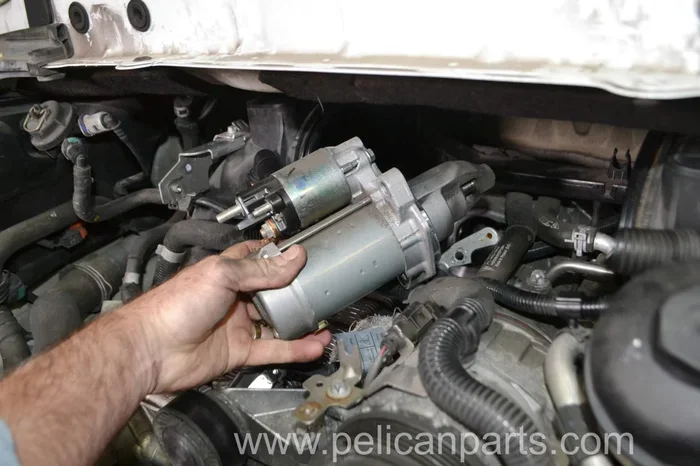
The starter motor is what actually turns the engine over. If it fails, you will hear a clicking sound when you press the start button but the engine will not turn. Starter motors can wear out over time, especially in high-mileage vehicles. Replacing a starter motor is a job for a qualified mechanic, but the cost is usually manageable.
Fuel System Issues
Sometimes the problem is not electrical — it is fuel. If the fuel pump fails or the fuel filter becomes clogged, the engine will not receive the fuel it needs to run. Symptoms include a sputtering start, stalling after ignition, or a complete failure to start. Keeping your fuel tank at least a quarter full helps prevent fuel pump issues.
Immobilizer or Security System Lockout
Porsches have sophisticated immobilizer systems that prevent theft. If the system does not recognize your key fob, it will lock out the engine. This can happen if the fob is damaged, the battery is low, or the system has experienced a glitch. In most cases, cycling the key fob or replacing the battery resolves the issue. If not, a trip to the dealership may be needed to reprogram the fob.
If you are dealing with ignition-related problems and want to understand more about how different vehicles handle starting without a traditional key, you might find this article on starting an ignition without a key helpful for broader context.
Porsche Key Fob Maintenance and Tips
Your key fob is the lifeline of your Porsche. It unlocks the doors, starts the engine, and in some models, even opens the trunk and liftgate. Taking care of your key fob ensures a smooth and reliable starting experience every time.
Replace the Battery Regularly
A good rule of thumb is to replace your key fob battery once a year. Most fobs give a warning when the battery is low — you might notice reduced range or the need to press the button multiple times. Do not wait until the fob completely dies. Keep a spare battery in your glove box so you can swap it on the go.
Keep the Fob Dry and Clean
Moisture is the enemy of electronics. If your fob gets wet, dry it immediately and remove the battery if possible. Clean the buttons and contacts periodically with a soft, dry cloth. Avoid dropping the fob or exposing it to extreme heat, such as leaving it on a dashboard in direct sunlight.
Know the Backup Start Method
Every modern Porsche has a backup method for starting the car when the key fob battery is completely dead. Look for a small slot or mark near the start button. Place the fob directly against this spot, press the brake pedal, and hit the start button. The car will read the fob through direct contact and start the engine. This is a lifesaver in emergencies.
Reprogramming and Replacement
If you need a new key fob or want to reprogram an existing one, visit a certified Porsche dealership. They have the specialized equipment and software needed to pair a new fob with your car. Some independent locksmiths also offer Porsche key fob programming, but always verify their credentials first.
Driving a Porsche After Starting: Best Practices
Starting the engine is just the beginning. How you drive your Porsche in the first few minutes after ignition affects your overall driving experience and long-term engine health. Here are some best practices to follow every time you start your car.
Let the Engine Warm Up
Modern Porsches do not need long warm-up periods like older cars did. However, letting the engine idle for 30 to 60 seconds after starting allows the oil to circulate and the engine components to reach optimal temperature. Avoid revving the engine immediately after startup. Gentle acceleration during the first minute or two is the best approach.
Check Your Tire Pressure
Porsche tires are designed for performance, and proper tire pressure is essential for handling, braking, and fuel efficiency. The recommended tire pressure is listed on the driver-side door jamb. Check your tire pressure at least once a month, and always before a long trip.
Monitor Dashboard Warnings
After starting the car, the dashboard will perform a series of self-checks. Any red warning lights that stay on after the startup sequence indicate a serious issue. Do not ignore these lights. Yellow or amber lights usually indicate less urgent issues, but they should still be addressed promptly. If you are unsure what a warning light means, consult your owner’s manual or contact a Porsche service center.
Use the Correct Gear Position
Before moving the car, make sure it is in the correct gear. For automatic models, shift from Park to Drive or Reverse only after the engine is running and your foot is on the brake. For manual models, press the clutch fully and select first gear before releasing the parking brake.
When to Seek Professional Help
Most starting issues can be resolved with simple troubleshooting. But some problems require the expertise of a trained Porsche technician. Here are signs that it is time to visit a professional.
- The engine cranks but will not fire, even after checking the battery and fuel.
- You see a persistent red warning light on the dashboard that does not go away after startup.
- The key fob is physically damaged and cannot be replaced with a new battery.
- You notice unusual noises during the starting process, such as grinding, knocking, or squealing.
- The car starts but immediately stalls or shuts off.
- You have recently had work done on the car and the starting behavior has changed.
Dealing with electrical issues can be tricky, and if you are curious about how to handle related electrical components, understanding more about things like driving without a key fob can give you broader insight into how car ignition systems work across different brands.
Regular maintenance is your best defense against starting problems. Follow the Porsche maintenance schedule outlined in your owner’s manual. Change your oil on time, replace spark plugs as recommended, and keep your battery terminals clean. A well-maintained Porsche starts reliably every time, and it will reward you with years of thrilling driving.
Final Thoughts on Starting Your Porsche
Starting a Porsche should be a joy, not a chore. By understanding your ignition system, maintaining your key fob, and following proper starting procedures, you set yourself up for a smooth and reliable driving experience every single day. The key is to pay attention to the small details — the brake pedal, the gear position, the dashboard lights, and the health of your battery. These small habits add up to big benefits over the life of your car.
Remember, every Porsche is an engineering masterpiece. Treat it with the care and respect it deserves, and it will start up and deliver performance that makes every drive unforgettable. Whether you are heading to a weekend track day or just running errands around town, the way you start your Porsche matters. Follow the steps in this guide, keep your car well-maintained, and enjoy the ride.
Frequently Asked Questions
How do I start my Porsche if the key fob battery is dead?
Place the key fob directly against the engine start button and press the brake pedal. The car will read the fob through direct contact and start the engine. This backup method works on all modern Porsche models. Always keep a spare battery in your glove box for emergencies.
Can I remote start my Porsche?
Some Porsche models support remote start through the Porsche Connect app or a factory-installed remote start system. Check your owner’s manual or contact your dealer to confirm if your specific model has this feature. Remote start allows you to warm up or cool down the car before you get in.
Why does my Porsche make a clicking sound when I try to start it?
A clicking sound usually indicates a weak battery or a faulty starter motor. First, check the battery voltage and connections. If the battery is good, the starter motor may need replacement. A certified Porsche technician can diagnose the exact cause quickly.
How often should I replace my Porsche key fob battery?
Replace the key fob battery once a year for reliable performance. Most Porsche fobs use a CR2032 battery, which is widely available. If you notice reduced range or the need to press buttons multiple times, it is time for a replacement.
Is it safe to start my Porsche with the transmission in gear?
No. Always ensure the transmission is in Park (or Neutral for manual models) before starting the engine. Starting in gear can cause the car to lurch forward or backward, creating a safety hazard. This is a standard safety feature in all modern Porsches.
What should I do if my Porsche will not start after a long period of sitting?
If the car has been sitting for weeks or months, the battery may be dead. Try jump-starting the car or using a battery maintainer. Also check the fuel level and make sure the fuel has not gone stale. If the problem persists, have the battery and starter motor tested by a professional.
=== CONCLUSION ===
Knowing how to start a Porsche properly is the foundation of a great ownership experience. From the moment you press the brake pedal to the second the engine roars to life, every step matters. Keep your key fob charged, your battery healthy, and your starting routine consistent. Your Porsche is built to deliver extraordinary performance, and a reliable start is the first step toward unlocking that full experience every time you turn the key — or push the button.