How Many Miles Does the Volkswagen Last on Average
Most Volkswagen models last between 150,000 and 200,000 miles with proper care. The average Volkswagen reaches about 200,000 miles before major issues arise, but some well-maintained models push well past 300,000 miles. Regular maintenance, smart driving habits, and timely repairs play a huge role in Volkswagen longevity and overall VW lifespan.
Volkswagen has built a reputation for engineering precision and German craftsmanship. But how many miles does a Volkswagen actually last? Whether you own a VW or are thinking about buying one, understanding the Volkswagen lifespan helps you plan ahead. This guide covers everything from average mileage expectations to practical tips that keep your car on the road longer.
The short answer is that most Volkswagens last between 150,000 and 200,000 miles when properly maintained. Some models even exceed 300,000 miles with dedicated care. But several factors determine whether your specific VW hits those numbers or falls short. Let us break it all down.
Key Takeaways
- Average lifespan: Most Volkswagens last 150,000 to 200,000 miles with regular care.
- Maintenance matters: Following the service schedule dramatically extends Volkswagen reliability.
- Model differences: Some VW models like the Golf and Jetta tend to outlast others.
- Repair costs rise: Expect higher maintenance expenses after the 100,000-mile mark.
- Driving habits count: Gentle driving and proper warm-ups reduce wear on the engine and transmission.
- Used VW value: A well-kept high-mileage Volkswagen can still be a smart purchase.
- Parts availability: OEM and aftermarket parts remain widely available for most VW models.
📑 Table of Contents
- What the Numbers Say About Volkswagen Longevity
- Factors That Affect Volkswagen Lifespan
- Common Volkswagen Models and Their Mileage Potential
- How to Make Your Volkswagen Last Longer
- The Cost of Owning a High-Mileage Volkswagen
- Is a High-Mileage Volkswagen Worth Buying?
- Final Thoughts on Volkswagen Longevity
What the Numbers Say About Volkswagen Longevity
When people ask about how many miles does Volkswagen last, they want a straight answer. The data from real-world ownership tells a clear story. Most automotive studies and owner surveys point to a consistent range for Volkswagen reliability over time.
The average Volkswagen reaches around 200,000 miles before encountering major mechanical failures. This number holds true across many popular models including the Jetta, Passat, Golf, and Tiguan. Of course, individual results vary based on how the vehicle is treated.
Average Mileage Expectations by Model
Different VW models show different levels of durability. Here is a quick look at what you can expect from some popular Volkswagen vehicles:
- Volkswagen Golf: 200,000 to 250,000 miles with proper care
- Volkswagen Jetta: 150,000 to 200,000 miles on average
- Volkswagen Passat: 150,000 to 200,000 miles typically
- Volkswagen Tiguan: 175,000 to 225,000 miles expected
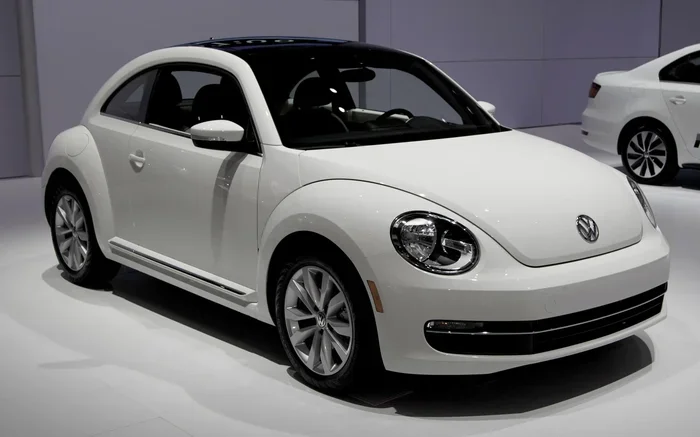
- Volkswagen Beetle: 150,000 to 200,000 miles
These numbers assume regular oil changes, timely brake replacements, and adherence to the factory service schedule. Skipping maintenance will shorten any vehicle’s life, and Volkswagens are no exception.
How VW Compares to Other Brands
It is natural to wonder how Volkswagen stacks up against competitors. When you compare VW lifespan to Japanese brands like Toyota, the gap becomes visible. Toyota vehicles often reach 250,000 to 300,000 miles more easily. As noted in the article Can A Camry Last 500K Miles, Toyotas have a well-earned reputation for extreme durability.
However, Volkswagens still hold their own in the compact and mid-size sedan segments. The key difference is that VW vehicles often require more attentive care to reach their full potential. A well-maintained Volkswagen can absolutely compete with many other brands in terms of long-term reliability.
For perspective, Are Toyotas Good After 200K Miles shows that Japanese brands tend to depreciate less and require fewer repairs at high mileage. But a German-engineered VW offers a different driving experience that many owners find worth the extra attention.
Factors That Affect Volkswagen Lifespan
Not every Volkswagen reaches the same mileage. Several key factors determine how long your specific car will last. Understanding these factors helps you take control of your vehicle’s future.
Maintenance Habits
This is the single biggest factor in Volkswagen longevity. Cars that receive regular oil changes, fluid flushes, and timely part replacements simply last longer. The VW maintenance schedule recommends oil changes every 5,000 to 10,000 miles depending on the model year and engine type.
Using the right Volkswagen maintenance products matters too. Synthetic oil, for example, can extend intervals between changes. According to guidance on Can I Go 10000 Miles On Synthetic Oil, synthetic formulations protect engines better during longer intervals. This principle applies directly to VW turbocharged engines that benefit from consistent lubrication.
Other critical maintenance items include:
- Timing belt replacement at manufacturer-recommended intervals
- Brake fluid flushes every two years
- Coolant system inspections and flushes
- Transmission fluid changes at 60,000 to 90,000 miles
- Spark plug replacements on schedule
Driving Conditions and Habits
How and where you drive affects your VW’s lifespan significantly. Stop-and-go city driving puts more stress on the engine, transmission, and brakes than steady highway cruising. If your daily commute involves heavy traffic, your Volkswagen may need more frequent service.
Extreme temperatures also play a role. Very hot climates stress cooling systems, while cold climates strain batteries and engine components. Drivers in moderate climates often see their Volkswagens last longer simply because of less environmental stress.
Aggressive driving habits like hard acceleration and sudden braking wear out components faster. Gentle driving, gradual acceleration, and allowing the engine to warm up before pushing it all contribute to a longer Volkswagen engine life.
Model Year and Generation
Not all Volkswagens are built the same way. Newer models benefit from improved engineering, better materials, and more advanced manufacturing techniques. A Volkswagen made after 2015 generally has more durable components than one from the early 2000s.
However, older models are not automatically unreliable. Many VW enthusiasts swear by the durability of early 2000s models like the Mk4 Golf and Jetta. These cars have simple designs that are easier and cheaper to repair. The trick is finding one that was well cared for by its previous owner.
Common Volkswagen Models and Their Mileage Potential
Some Volkswagen models have proven track records for longevity. Others struggle to reach the 200,000-mile mark without significant repairs. Here is a closer look at what to expect from the most popular VW vehicles on the road today.
The Volkswagen Golf
The Golf is arguably Volkswagen’s most beloved model worldwide. Its compact size, efficient engineering, and fun driving dynamics make it a favorite. Many Golf owners report crossing the 250,000-mile threshold without major engine or transmission failures.
The Golf’s durability comes from its simple, well-engineered platforms. The EA888 engine series has proven particularly reliable in recent generations. With regular Volkswagen maintenance, a Golf can easily become a high-mileage daily driver that still feels great to drive.
The Volkswagen Jetta
The Jetta is one of the best-selling Volkswagens in North America. It offers a comfortable ride and solid reliability. Most Jetta owners see their cars last between 150,000 and 200,000 miles with proper care.
The Jetta’s Volkswagen reliability record is solid but not exceptional. Common issues that can shorten its lifespan include coolant system leaks and wear on the automatic transmission. Staying on top of these items through regular service visits helps the Jetta reach its full mileage potential.
The Volkswagen Passat
The Passat occupies the mid-size sedan segment. It offers more space and comfort than the Jetta. Passat models generally last 150,000 to 200,000 miles, though well-maintained examples sometimes exceed that range.
One thing to watch with the Passat is the timing chain. Some generations are prone to timing chain stretch if oil changes are neglected. This repair can be expensive, which is why consistent maintenance is so important for Passat owners.
How to Make Your Volkswagen Last Longer
Want to push your Volkswagen past the average mileage mark? These practical tips help you get the most miles out of your car. Follow these guidelines and your VW will reward you with years of dependable service.
Follow the Service Schedule Strictly
The owner’s manual contains a detailed service schedule for a reason. Every interval exists because Volkswagen engineers designed the car with those maintenance needs in mind. Skipping an oil change or ignoring a recall notice might seem harmless at first, but small neglect compounds over time.
Set calendar reminders for every service interval. Keep a log of all maintenance performed. This record not only helps you track your car’s health but also boosts resale value if you ever decide to sell.
Address Problems Early
Strange noises, warning lights, or changes in performance should never be ignored. A small issue today can become a major repair tomorrow. For example, ignoring a minor coolant leak can lead to engine overheating and catastrophic damage.
Pay attention to your Volkswagen’s behavior. If something feels off, get it checked immediately. Early detection saves money and prevents cascading failures that could shorten your car’s overall lifespan.
Use Quality Parts and Fluids
Cheap parts and low-quality fluids might save money upfront but cost more in the long run. Volkswagen engines run best with manufacturer-recommended or OEM-equivalent parts. This applies to oil, filters, brake pads, spark plugs, and coolant.
When it comes to transmission care, regular fluid changes are essential. The article At What Mileage Does A Transmission Go Bad explains that transmission issues often stem from neglected fluid maintenance. The same principle applies to Volkswagen vehicles.
Keep the Car Clean and Protected
Exterior and interior care might seem unrelated to mechanical longevity, but they are connected. Rust and corrosion weaken structural components over time. Regular washing, waxing, and undercoating protect your Volkswagen from the elements.
Inside the cabin, keeping moisture levels low prevents mold and electrical issues. A clean car is also easier to inspect for leaks, damage, and wear that might otherwise go unnoticed.
The Cost of Owning a High-Mileage Volkswagen
Owning a Volkswagen with high mileage comes with both rewards and responsibilities. Understanding the costs involved helps you budget properly and avoid surprises.
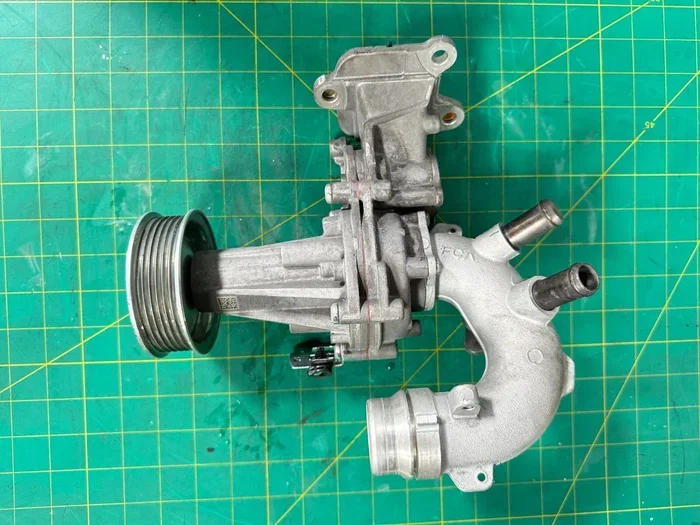
Routine maintenance costs for a Volkswagen are moderate. Oil changes, brake jobs, and tire rotations fall within the expected range for most vehicles. However, once a Volkswagen passes the 100,000-mile mark, repair costs tend to increase. Common expensive repairs include water pump replacement, turbocharger work, and clutch repairs in manual transmission models.
One advantage of Volkswagen ownership is parts availability. OEM parts are widely accessible through dealerships and online retailers. Aftermarket options provide additional cost savings for budget-conscious owners. The key is finding a trusted mechanic who specializes in German vehicles or Volkswagens specifically.
Insurance and fuel costs also factor into the total ownership picture. Volkswagens generally use premium fuel, which adds to the weekly budget. Insurance rates vary by model, location, and driving history. Factoring all these costs together gives you a realistic picture of what it takes to own a Volkswagen long-term.
Is a High-Mileage Volkswagen Worth Buying?
Many car buyers wonder whether purchasing a used Volkswagen with high mileage is a smart move. The answer depends on several factors.
A well-documented service history is the most important thing to look for in a high-mileage Volkswagen. If the previous owner kept up with all recommended maintenance, the car likely has many miles left in it. A Volkswagen with 150,000 miles and complete service records can be a better buy than one with 80,000 miles and no maintenance history.
Get a pre-purchase inspection from a qualified mechanic before buying any used VW. This inspection should cover the engine, transmission, suspension, brakes, and electrical systems. It reveals hidden issues that could turn a seemingly good deal into an expensive problem.
Also consider the model year and generation. Newer Volkswagens have more advanced features and better reliability than older ones. But they also have more complex electronics that can be costly to repair. Finding the right balance between modern features and mechanical simplicity is the key to a smart purchase.
In summary, a high-mileage Volkswagen can absolutely be worth buying if you do your homework. The Volkswagen reliability of well-maintained models holds up well over time, and the initial purchase price is often significantly lower than newer alternatives.
Final Thoughts on Volkswagen Longevity
So how many miles does the Volkswagen last on average? The answer is somewhere between 150,000 and 200,000 miles for most models, with some reaching well beyond that range. The secret ingredient is consistent, attentive care. A Volkswagen that receives regular maintenance, uses quality parts, and gets driven responsibly will reward its owner with many years of reliable service.
Volkswagen offers a unique blend of German engineering, driving enjoyment, and practical design. These cars are built to last when treated right. Whether you are a current VW owner or considering your next purchase, understanding what goes into Volkswagen longevity puts you in a much better position.
Take the time to learn your specific model’s needs. Follow the service schedule, listen to your car, and address issues promptly. These simple habits make all the difference between a Volkswagen that barely reaches 100,000 miles and one that proudly clocks 300,000 miles. Your car’s lifespan is largely in your hands.
Frequently Asked Questions
What is the average lifespan of a Volkswagen in miles?
Most Volkswagens last between 150,000 and 200,000 miles with regular maintenance. Some well-cared-for models exceed 250,000 or even 300,000 miles. The average depends on the specific model, driving habits, and how consistently the owner follows the service schedule.
Are Volkswagens reliable for long-distance driving?
Yes, Volkswagens can handle long-distance driving well. Their engines and transmissions are designed for sustained highway use. However, regular maintenance becomes even more important for high-mileage drivers. Staying on top of oil changes, fluid checks, and belt replacements keeps your VW running smoothly on long trips.
What is the most reliable Volkswagen model?
The Volkswagen Golf is widely considered one of the most reliable VW models. It has a simple, proven platform and a strong engine lineup. The Jetta and Tiguan also have good reliability records. Overall, models with simpler mechanical designs tend to be more dependable over the long haul.
How can I extend my Volkswagen’s mileage potential?
Follow the factory service schedule, use quality synthetic oil, and address small problems before they grow. Avoid aggressive driving and allow the engine to warm up in cold weather. Regular fluid changes and timely part replacements prevent major failures that shorten Volkswagen engine life.
At what mileage do Volkswagen repair costs increase significantly?
Repair costs typically rise after the 100,000-mile mark. Common expensive repairs include water pump replacement, turbo work, and transmission service. Budgeting for these potential expenses helps you stay ahead of costs. A trusted mechanic who specializes in VW repairs can also help you prioritize which fixes matter most.
Is it worth buying a Volkswagen with over 150,000 miles?
It can be worth it if the vehicle has a complete service history and passes a thorough pre-purchase inspection. A well-maintained Volkswagen with 150,000 miles often has many more miles left. The lower purchase price compared to newer models makes high-mileage VWs attractive for budget-conscious buyers who value German engineering.