How Many MPG Does a Ford F-150 Get – The 2024 Guide
The 2024 Ford F-150 delivers between 16 and 25 MPG depending on the engine you choose. The hybrid PowerBoost model leads the pack with the best fuel economy, while the V8 options bring up the rear. Understanding Ford F-150 MPG helps you pick the right configuration and save money at the pump.
The question “How Many MPG Does a Ford F-150 Get” comes up constantly among truck shoppers. The answer depends on several factors, including the engine you choose, your driving habits, and whether you haul or tow regularly.
The 2024 Ford F-150 offers four distinct engine options, and each one delivers a different fuel economy rating. From the base V6 to the powerful hybrid, there is a configuration for every kind of driver. Ford F-150 MPG numbers vary widely, so picking the right engine matters a lot.
In this guide, we break down the fuel economy numbers for every engine option. We also share practical tips to help you get the best MPG out of your truck. Whether you use your F-150 for work or weekend adventures, this guide has you covered.
Key Takeaways
- Engine choice matters most: The hybrid PowerBoost delivers up to 25 combined MPG, while the V8 drops to around 18 MPG combined.
- Highway driving beats city driving: Expect 3 to 5 MPG more on the highway compared to city conditions.
- Towing and hauling reduce MPG: Heavy loads can drop your fuel economy by 2 to 4 MPG depending on weight.
- Driving habits play a big role: Smooth acceleration, proper tire pressure, and avoiding excessive idling all improve fuel economy.
- The hybrid leads the class: The PowerBoost hybrid offers the best Ford F-150 MPG numbers and the longest electric-only driving range.
- Aftermarket accessories can hurt MPG: Roof racks, running boards, and bed extenders add drag and reduce efficiency.
- Regular maintenance keeps efficiency high: Fresh oil, clean air filters, and proper tire pressure all contribute to better fuel economy.
📑 Table of Contents
Ford F-150 MPG By Engine Option
The heart of your truck determines how many miles you get per gallon. Ford offers four engines in the 2024 F-150 lineup, and each one targets a different driver. Let us walk through them one by one.
3.3 Liter V6 Engine MPG
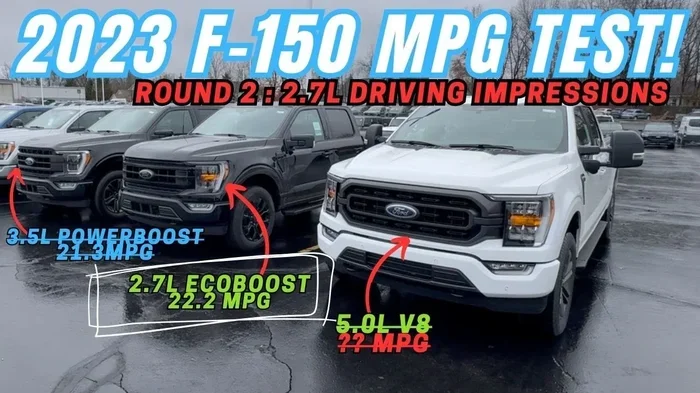
This is the base engine in most F-150 trims. It is a naturally aspirated V6 that delivers reliable performance. The Ford F-150 MPG for this engine comes in at around 19 MPG in the city and 24 MPG on the highway. Combined, you can expect roughly 21 MPG.
This engine pairs with a 10-speed automatic transmission. It is a solid choice for buyers who want a dependable work truck without worrying too much about fuel costs. The 3.3 liter V6 also handles light towing with ease. If you are looking for a simple, no-fuss truck that gets the job done, this engine is a great starting point.
3.5 Liter EcoBoost V6 Engine MPG
The EcoBoost engine uses turbocharging and direct injection to boost power and efficiency. This engine produces 400 horsepower and 500 pound-feet of torque. The Ford F-150 MPG for the EcoBoost sits at about 16 MPG in the city and 23 MPG on the highway.
Combined fuel economy lands around 19 MPG. This engine is popular among buyers who need serious towing power without giving up too much fuel economy. It strikes a nice balance between performance and efficiency. The EcoBoost is also a strong choice for drivers who regularly haul heavy loads but still want to keep fuel costs reasonable.
5.0 Liter V8 Engine MPG
The V8 is the muscle option in the F-150 lineup. It delivers 400 horsepower and is designed for heavy-duty tasks. However, it comes with a fuel economy trade-off. The Ford F-150 MPG for the V8 drops to around 16 MPG in the city and 22 MPG on the highway.
Combined, you are looking at about 18 MPG. This engine is best for buyers who need maximum towing capacity and do not mind paying more at the pump. The V8 also offers a smooth, confident ride on the highway. If you tow frequently or need raw power for tough jobs, the V8 delivers where it counts.
3.5 Liter PowerBoost Hybrid MPG
The PowerBoost hybrid is the star of the F-150 lineup when it comes to fuel economy. It combines a 3.5 liter V6 with an electric motor to produce 430 horsepower. The Ford F-150 MPG for the hybrid reaches up to 25 MPG combined, which is the best in the class.
City MPG hits around 22, and highway MPG reaches about 26. This engine is perfect for drivers who want both power and efficiency. The hybrid system also allows for electric-only driving at low speeds, which helps save fuel in stop-and-go traffic. The PowerBoost hybrid is a game-changer for the full-size truck segment.
City vs Highway vs Combined MPG
Understanding the difference between city, highway, and combined MPG is important. These numbers tell you what to expect in different driving situations.
City MPG reflects stop-and-go driving. You will see lower numbers because of frequent braking and acceleration. Highway MPG is usually higher because of steady speeds and less stopping. Combined MPG is a weighted average of both.
For the Ford F-150, highway driving will always give you better fuel economy than city driving. If your daily commute involves a lot of highway miles, you will see the best results from any engine. If you drive mostly in the city, consider the hybrid option for the best fuel economy in urban conditions. The EPA ratings for each engine give you a baseline, but your real-world results may vary based on driving style and conditions.
What Affects Ford F-150 Fuel Economy
Several factors influence how many miles per gallon your truck delivers. Let us look at the biggest ones.
Engine Size and Type
The engine you choose has the biggest impact on Ford F-150 MPG. Larger engines like the V8 burn more fuel. Smaller engines and hybrids use less. The EcoBoost engine uses technology to squeeze more power from less fuel, which is why it sits in the middle of the pack. When comparing F-150 engine options, always look at the combined MPG rating to get a realistic picture of what to expect.
Towing and Hauling
Towing a trailer drops your fuel economy significantly. When you pull heavy loads, the engine works harder and uses more gas. If you regularly tow a trailer with your truck, you should expect MPG numbers to drop by 2 to 4 MPG depending on the weight.
Even without a trailer, hauling heavy cargo in the bed affects fuel economy. The heavier your truck, the more fuel it burns. Keep this in mind when planning long trips. Towing capacity and fuel economy often trade off against each other, so find the balance that works for your needs.
Driving Habits
How you drive matters a lot. Aggressive acceleration and speeding burn more fuel. Smooth, steady driving helps you get the best MPG. Using cruise control on the highway is an easy way to improve fuel economy.
Another habit that hurts MPG is excessive idling. If you want to know how long you can safely let your truck idle, check out our guide on how long a car can idle safely. Turning off your engine when parked saves fuel and protects the engine. Small changes in driving behavior can add up to big savings over time.
Aerodynamics and Accessories
Aftermarket accessories like running boards, bed extenders, and roof racks create drag. More drag means the engine works harder and uses more fuel. Removing accessories you do not need can improve your Ford F-150 MPG by a small but noticeable margin. If you are hauling a load, consider removing the tailgate when safe to do so, as it improves airflow and reduces aerodynamic drag.
Fuel Tank Size and Range
The F-150 comes with a fuel tank that holds between 23 and 36 gallons depending on the model. A larger tank means more range between fill-ups. To understand how fuel tank size affects your total range, check out our article on how many gallons your car tank holds. Knowing your tank size helps you plan long trips and estimate fuel costs. A bigger tank does not improve MPG, but it does extend your driving range between stops.
Tips To Improve Your Ford F-150 MPG
Want to get more miles out of every gallon? These simple tips can help you improve your fuel economy.
- Keep your tires properly inflated. Underinflated tires create rolling resistance and waste fuel. Check your tire pressure at least once a month.
- Remove excess weight from the truck. Extra items in the bed and cabin make the engine work harder. Only carry what you need.
- Use the recommended oil. Using the right viscosity oil reduces engine friction and improves efficiency. Check your owner manual for the correct specification.
- Avoid aggressive driving. Smooth acceleration and gentle braking save fuel over time. Jackrabbit starts are a major fuel economy killer.
- Use cruise control on the highway. Maintaining a steady speed is more fuel-efficient than constantly adjusting your speed.
- Keep up with maintenance. Regular oil changes, air filter replacements, and spark plug checks keep the engine running efficiently.
- Consider the hybrid option. If fuel economy is a top priority, the PowerBoost hybrid delivers the best Ford F-150 MPG numbers in the lineup.
Is the Ford F-150 Good on Gas?
Compared to other full-size trucks, the Ford F-150 holds its own. The base V6 engine delivers competitive fuel economy for the class. The EcoBoost engine offers a nice balance of power and efficiency. And the PowerBoost hybrid sets a new standard for truck fuel economy.
When you compare Ford F-150 MPG to competitors like the Ram 1500 and Chevrolet Silverado, the F-150 often comes out ahead or ties for the top spot. The hybrid model, in particular, leads the full-size truck segment in fuel efficiency. This makes the F-150 a strong choice for buyers who want truck capability without sacrificing fuel economy.
Your driving style and use case matter most. If you use the truck primarily for commuting and light-duty tasks, any engine will give you reasonable fuel economy. If you tow heavy loads regularly, the hybrid still helps but expect lower numbers than the EPA ratings. Real-world MPG can differ from EPA estimates by 10 to 20 percent depending on conditions.
Switching driving modes can also affect fuel economy. Using sport mode may feel fun, but it typically reduces fuel efficiency because the engine holds higher RPMs. For the best MPG, use normal or eco mode when possible. These small adjustments add up over thousands of miles.
Ford F-150 MPG By Trim Level
Different trims come with different engines and configurations. Here is a quick overview of how Ford F-150 MPG varies across popular trims.
- XL (Base): 3.3 liter V6, 19 city / 24 highway / 21 combined
- XLT: 3.3 liter V6 or 2.7 liter EcoBoost, 16-20 city / 21-25 highway
- Lariat: 2.7 liter EcoBoost or 5.0 liter V8, 16-20 city / 22-24 highway
- Raptor: 3.5 liter EcoBoost, 15 city / 18 highway / 16 combined
- PowerBoost Hybrid: 3.5 liter V6 hybrid, 22 city / 26 highway / 25 combined
The Raptor, with its high-performance suspension and larger tires, sacrifices some fuel economy for off-road capability. The hybrid trim, on the other hand, is the clear winner for fuel-conscious buyers. When choosing a trim, consider how you will use the truck most often. A daily commuter benefits most from the hybrid, while a weekend warrior may prefer the EcoBoost or V8 for the extra power.
Conclusion
So, how many MPG does a Ford F-150 get? The answer ranges from about 16 to 25 MPG depending on the engine and how you drive it. The 2024 Ford F-150 offers a strong lineup that covers different needs and budgets. Whether you prioritize power, efficiency, or both, there is an F-150 configuration that fits.
The PowerBoost hybrid stands out as the best choice for fuel economy. It delivers class-leading MPG without sacrificing the towing and hauling capability that makes the F-150 so popular. For buyers who need serious power and do not mind spending a little more on fuel, the EcoBoost and V8 engines remain solid options.
Understanding your driving habits and maintaining your truck properly will help you get the most out of every gallon. Use the tips in this guide to improve your Ford F-150 MPG and save money over the long run. The right truck, driven the right way, can deliver both performance and efficiency.
Now that you know what to expect from Ford F-150 MPG, you can make a confident choice. Pick the engine that matches your needs, follow our fuel-saving tips, and enjoy the road ahead. Your wallet will thank you every time you fill up.
Frequently Asked Questions
What is the best Ford F-150 for fuel economy?
The 3.5 liter PowerBoost hybrid is the best Ford F-150 for fuel economy. It delivers up to 25 MPG combined, which is the highest in the full-size truck segment. The hybrid also offers electric-only driving at low speeds, which helps save fuel in city traffic.
Does towing affect Ford F-150 MPG?
Yes, towing significantly affects Ford F-150 MPG. Pulling a heavy trailer can reduce fuel economy by 2 to 4 MPG depending on the weight. The engine works harder to move the combined load, which increases fuel consumption. If you tow regularly, factor this into your fuel budget.
How often should I change oil to maintain good MPG?
Ford recommends changing the oil every 7,500 to 10,000 miles for most F-150 models. Fresh oil reduces engine friction and helps the engine run more efficiently. Dirty or old oil can hurt fuel economy over time. Stick to the recommended oil viscosity for the best results.
Does the Ford F-150 hybrid save money on gas?
Yes, the Ford F-150 hybrid can save money on gas over time. The PowerBoost hybrid delivers up to 25 MPG combined, which is noticeably better than the V8 and even the EcoBoost options. Over thousands of miles, the fuel savings can offset the higher purchase price of the hybrid trim.
Can I improve my Ford F-150 MPG with driving habits?
Absolutely. Driving habits have a big impact on Ford F-150 MPG. Smooth acceleration, steady highway speeds, and avoiding excessive idling all help you get better fuel economy. Removing excess weight from the truck and keeping tires properly inflated also make a noticeable difference.
Why does the Ford F-150 Raptor have lower MPG?
The Ford F-150 Raptor has lower MPG because of its high-performance suspension, larger off-road tires, and aggressive driving tuning. These features add weight and aerodynamic drag, which forces the engine to work harder. The trade-off is better off-road capability at the cost of reduced fuel economy.