How Long Do Dodge Durangos Last Before Needing Replacement
How Long Do Dodge Durangos Last? — Most well-maintained Dodge Durangos can reach 200,000 to 250,000 miles with proper care. The Dodge Durango lifespan depends heavily on maintenance habits, driving conditions, and model year. Regular upkeep and early problem detection play a huge role in Durango reliability and long-term ownership satisfaction.
Key Takeaways
- Average Lifespan: A Dodge Durango can last 200,000 to 250,000 miles with consistent maintenance.
- Maintenance Matters: Following the factory service schedule is the single biggest factor in Durango longevity.
- Model Year Differences: Newer generations (2011+) tend to be more reliable than older models.
- Common Issues: Transmission problems, rust, and suspension wear are the top concerns for aging Durangos.
- Cost of Ownership: Budget for repairs as the vehicle ages, especially after 100,000 miles.
- Resale Value: Well-kept Durangos hold their value surprisingly well in the used SUV market.
📑 Table of Contents
How Long Do Dodge Durangos Last?
The Dodge Durango is one of the most popular three-row SUVs on the road. It offers a perfect mix of power, space, and capability. But if you are considering buying one, you probably want to know how long it will stick around.
How long do Dodge Durangos last before needing replacement? The honest answer is that it depends. A well-cared-for Durango can easily hit 200,000 miles or more. Some owners have pushed their Durangos past 250,000 miles with no major issues.
But not every Durango reaches that milestone. Many factors come into play. Maintenance habits, driving style, model year, and even climate all matter. In this article, we will break down everything you need to know about Durango longevity. You will learn what to expect, what can go wrong, and how to get the most miles out of your SUV.
Whether you own a 2005 Durango or are shopping for a 2024 model, this guide has you covered. Let us dive in.
What Affects the Dodge Durango Lifespan?
Every vehicle has a theoretical lifespan. But real-world results vary a lot. Several key factors determine how long your Durango will actually last. Let us look at each one in detail.
Maintenance Habits
This is the biggest factor by far. A Durango that gets regular oil changes and scheduled services will outlast one that does not. Dodge Durango maintenance is not complicated, but it does require consistency.
Here are the most important maintenance tasks for long Durango lifespan:
- Oil changes every 5,000 to 7,500 miles
- Transmission fluid changes at 60,000 miles
- Coolant flushes every 30,000 miles
- Brake pad replacements as needed
- Timing belt inspection and replacement per the service manual
Skipping even one service can lead to bigger problems down the road. Small neglect adds up fast.
Driving Conditions
How and where you drive matters a lot. A Durango used for highway cruising will generally last longer than one used for short trips in stop-and-go traffic. Short trips cause moisture buildup in the engine, which leads to corrosion over time.
Hot climates also take a toll. Extreme heat stresses the cooling system and accelerates wear on internal components. If you live in a hot or humid area, pay extra attention to your Durango engine life and cooling system health.
Driving Style
Aggressive driving shortens any vehicle’s life. Hard acceleration, late braking, and over-revving the engine all add stress. A gentle, steady driving style helps your Durango run smoothly for many years.
Also, the Durango towing capacity is impressive. But regularly towing heavy loads puts extra strain on the engine, transmission, and suspension. If you tow often, stay on top of maintenance even more closely.
Common Dodge Durango Problems to Watch For
Even the best vehicles develop issues over time. Knowing what to look for helps you catch problems early. Early detection saves money and extends Durango reliability.
Transmission Issues
The 5-speed and 6-speed automatic transmissions in older Durangos are known to have some quirks. Shifting delays and rough transitions can appear around 80,000 to 100,000 miles. Newer models with the ZF 8-speed transmission are much more refined.
Watch for these warning signs:
- Slipping between gears
- Delayed engagement when shifting from park to drive
- Unusual humming or whining noises
- Check engine light with transmission-related codes
Changing the transmission fluid on schedule is the best way to avoid expensive repairs. Do not skip this service.
Rust and Corrosion
Rust is a silent killer for many SUVs, and the Durango is no exception. Older models, especially those from the early 2000s, are more prone to rust on the frame, rocker panels, and wheel wells.
To prevent rust:
- Wash the undercarriage regularly, especially in winter
- Apply a rust inhibitor or undercoating
- Fix any paint chips or scratches quickly
- Check for bubbling paint on the wheel arches
Rust can weaken the frame over time, which affects safety. Take it seriously.
Suspension Wear
The Durango is a heavy vehicle. All that weight wears out suspension components over time. Common issues include worn shocks, struts, and control arm bushings.
Signs of suspension problems include:
- Excessive bouncing after hitting a bump
- Clunking noises when turning or braking
- Uneven tire wear
- The vehicle pulling to one side
Replacing suspension parts is normal maintenance. It keeps the ride smooth and safe. Budget for these repairs as your Durango ages.
Electrical Gremlins
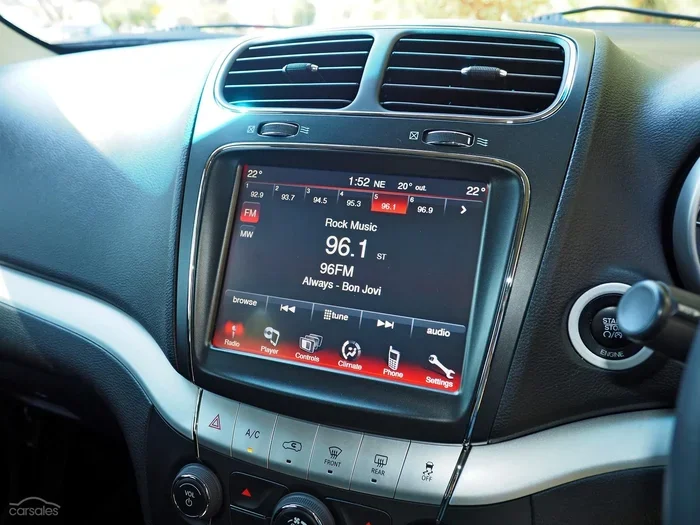
Some Durango owners report electrical issues, especially in higher-mileage vehicles. Power window regulators, infotainment screens, and sensor failures can pop up. These are usually minor but can be frustrating.
Keeping connections clean and replacing failing parts early prevents bigger electrical headaches.
Maintenance Tips to Extend Durango Longevity
Want your Dodge Durango to last well beyond 200,000 miles? Follow these practical tips. They are simple but make a huge difference.
Stick to the Service Schedule
The owner’s manual has a detailed maintenance schedule. Follow it to the letter. Do not stretch oil change intervals or skip inspections. The factory schedule is designed to keep every component running at its best.
Keep a log of every service. This record helps with resale value and gives you a clear picture of the vehicle’s history.
Use Quality Parts and Fluids
Cheap fluids and aftermarket parts may save a few dollars upfront. But they can cause problems that cost much more later. Use OEM or high-quality approved fluids and components whenever possible.
For example, use the correct grade of engine oil recommended by Dodge. Using the wrong weight oil can affect engine lubrication and long-term Durango engine life.
Address Problems Immediately
Do not ignore warning lights or unusual sounds. A small issue today can become a major repair tomorrow. If something feels off, get it checked right away.
This is one of the easiest ways to protect your Dodge Durango lifespan. A $50 fix now can prevent a $2,000 repair later.
Keep It Clean Inside and Out
Cleaning goes beyond aesthetics. Regular washing removes salt, dirt, and debris that cause corrosion. Vacuuming the interior prevents moisture buildup and keeps components in good shape.
Wax the exterior at least twice a year. This creates a protective barrier against the elements.
Durango Reliability by Model Year
Not all Durango model years are created equal. Some generations have better track records than others. Let us break down the reliability trends.
First Generation (1998-2003)
The original Durango was built on the Dodge Dakota pickup truck platform. These early models are known for their ruggedness but also have some common issues. The 5.9-liter V8 engine is durable but thirsty. Transmission problems and rust are the main concerns for this generation.
With proper care, a first-generation Durango can still reach high mileage. But expect more frequent repairs as the vehicle ages.
Second Generation (2004-2010)
The second-generation Durango got a more modern platform and improved build quality. The 4.7-liter and 5.7-liter HEMI V8 engines are generally reliable. This generation saw fewer transmission issues than the first, though some models still experienced shifting problems.
Many owners report solid Durango reliability well past 150,000 miles. Maintenance is the key differentiator here.
Third Generation (2011-Present)
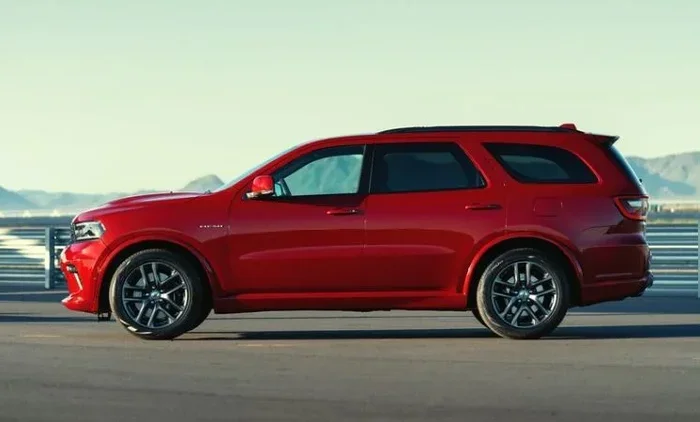
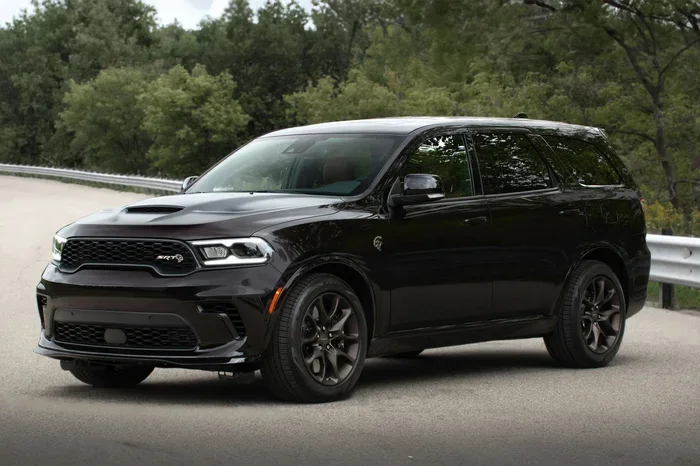
The current-generation Durango is the most refined version yet. It features a more modern 8-speed automatic transmission and updated engines. The 3.6-liter V6, 5.7-liter HEMI V8, and 6.4-liter HEMI V8 options offer strong performance and improved fuel economy.
Owners of the third generation report fewer major issues. The build quality and electronics are better than previous generations. These Durangos have the best chance of reaching 250,000 miles or more.
Quick Reliability Comparison
Here is a quick look at how the generations compare:
- 1998-2003: Solid but aging. Expect more repairs after 100,000 miles.
- 2004-2010: Improved reliability. Good durability with proper care.
- 2011-Present: Best reliability and refinement. Strong long-term potential.
Is a Used Dodge Durango Worth It?
Buying a used Durango can be a smart move. The upfront cost is lower, and these SUVs hold value reasonably well. But you need to know what you are getting into.
What to Check Before Buying
Before purchasing a used Durango, do your homework. Here is a checklist:
- Get a full vehicle history report (Carfax or AutoCheck)
- Ask for maintenance records
- Have a trusted mechanic inspect the vehicle
- Check for rust, especially on the frame and wheel wells
- Test drive in all conditions: highway, city, and hills
- Verify all electrical systems work properly
A thorough pre-purchase inspection is worth every penny. It can reveal hidden issues that are not visible on the surface.
Best Model Years to Buy Used
Looking for the sweet spot? These model years tend to offer the best balance of reliability and value:
- 2011-2013: The first year of the third generation. Solid and affordable.
- 2014-2016: Refined and reliable. Good availability on the used market.
- 2017-2020: Modern features and strong durability. Pricier but worth it.
Cost of Ownership Over Time
Owning a Durango comes with costs. Fuel is one of the bigger ones, especially with the V8 engines. Insurance rates are moderate for a full-size SUV. And repairs do increase as the vehicle ages.
Budgeting for these costs helps you enjoy your Durango without financial stress. Set aside money each month for future repairs. This fund will come in handy when major service is needed.
Key Takeaways
- Average Lifespan: A well-maintained Dodge Durango can last 200,000 to 250,000 miles or more.
- Maintenance Is Everything: Following the factory service schedule is the single most important factor in Durango longevity.
- Model Year Matters: Third-generation Durangos (2011+) are the most reliable and refined.
- Watch for Common Issues: Transmission, rust, and suspension wear are the top concerns for aging Durangos.
- Driving Style Affects Longevity: Gentle driving and avoiding heavy towing when possible helps extend the vehicle’s life.
- Used Durangos Are a Great Value: With proper inspection and maintenance records, a used Durango can serve you well for many years.
Conclusion
How long do Dodge Durangos last before needing replacement? The answer is clear: with proper care, these SUVs can go the distance. Most Durangos will reach 200,000 to 250,000 miles, and some will go even further.
The secret is simple. Stay on top of maintenance. Address small issues before they become big ones. Drive responsibly and keep the vehicle clean inside and out. These habits pay off in the long run.
The Dodge Durango is a capable, comfortable, and powerful SUV. It can handle family trips, towing duties, and daily commutes with ease. But like any vehicle, it rewards the owner who takes care of it.
If you are already a Durango owner, use the tips in this guide to keep your SUV running strong. If you are shopping for one, look for well-maintained examples and get a pre-purchase inspection. Either way, you are making a smart choice. The Durango has proven itself as a dependable full-size SUV that can last for years and miles to come.
Take the knowledge you gained here and put it into action. Your Durango will thank you with reliable performance mile after mile.
Frequently Asked Questions
What is the average lifespan of a Dodge Durango?
Most Dodge Durangos last between 200,000 and 250,000 miles with proper maintenance. Some well-cared-for examples exceed 250,000 miles. The key factor is consistent upkeep and prompt attention to any issues that arise.
At what mileage do Dodge Durangos start having problems?
Many Durango owners report minor issues starting around 100,000 miles. Transmission concerns, suspension wear, and electrical gremlins become more common after this point. Regular maintenance helps keep these problems manageable.
Which Dodge Durango engine lasts the longest?
The 5.7-liter HEMI V8 is widely regarded as the most durable engine option. The 3.6-liter V6 is also reliable and offers better fuel economy. Both engines can reach high mileage with proper care and regular oil changes.
How can I make my Dodge Durango last longer?
Follow the factory service schedule, use quality fluids and parts, and address problems immediately. Avoid aggressive driving and keep the vehicle clean to prevent rust. These simple steps significantly extend Durango longevity.
Are newer Dodge Durangos more reliable than older ones?
Yes, newer generations are generally more reliable. The third-generation Durangos (2011 and newer) feature improved transmissions, better electronics, and stronger build quality. They have fewer common issues than first and second-generation models.
Is it worth buying a high-mileage Dodge Durango?
It can be, if the vehicle has a solid maintenance history. A well-documented Durango with 150,000+ miles can still serve you reliably for many years. Always get a pre-purchase inspection before buying any high-mileage vehicle.