Everything You Need to Know About Missouri Window Tint Law
Missouri window tint law sets clear rules on how dark or reflective your car windows can be. The legal tint limit depends on your vehicle type, window position, and whether you qualify for a medical exemption. Knowing these rules helps you stay legal, avoid fines, and keep your ride looking great.
Have you ever driven through a Missouri parking lot and noticed how some cars look sleek with dark windows? Maybe you have been thinking about getting your own car tinted. It is a great way to reduce glare, keep your car cooler, and add a touch of style. But before you book an appointment at your local tint shop, you need to know the rules. Missouri has specific laws about how dark your window tint can be, and breaking them comes with real consequences.
This guide covers everything you need to know about Missouri window tint law. We will break down the legal limits, explain the rules for different vehicle types, and share tips to help you stay compliant. Whether you drive a sedan, SUV, or van, this article has you covered. Let us dive in.
Key Takeaways
- Non-reflective tint is allowed on the windshield above the manufacturer’s AS-1 line in Missouri.
- Sedans must have over 35% VLT on front side windows and over 35% on rear side windows.
- SUVs and vans have slightly more flexible rules for rear windows compared to sedans.
- A medical exemption can allow darker tint for qualifying individuals with a doctor’s prescription.
- Tint tickets in Missouri can result in fines and failed vehicle inspections.
- Reflective or mirrored tint is not permitted on any window in Missouri.
- Always keep your tint receipt and certificate in the vehicle to prove compliance.
📑 Table of Contents
- What Is Missouri Window Tint Law?
- Legal Tint Limits for Different Vehicle Types
- Windshield and Front Side Window Rules
- Rear Window and Rear Side Window Regulations
- Medical Exemptions and Special Permits
- Penalties, Fines, and What to Do If You Get a Tint Ticket
- Frequently Asked Questions About Missouri Window Tint Law
- Final Thoughts on Missouri Window Tint Law
What Is Missouri Window Tint Law?
Missouri window tint law refers to the state regulations that control how much light can pass through your car windows. These rules are set to ensure driver safety and visibility on the road. The key measure used in tint law is something called VLT, which stands for Visible Light Transmission.
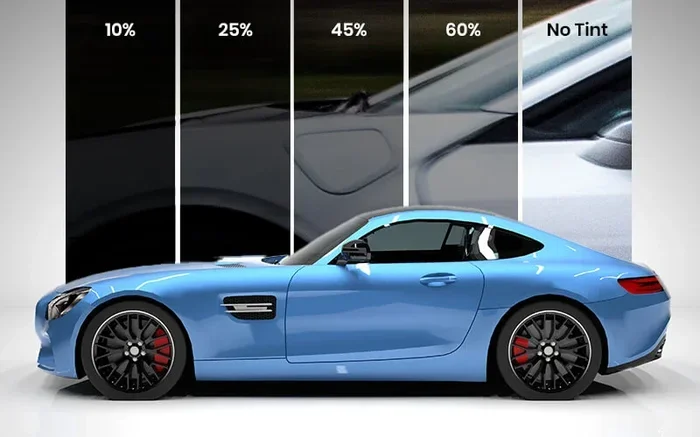
VLT tells you the percentage of light that can pass through your window film. A higher VLT means a lighter tint. A lower VLT means a darker tint. For example, a 35% VLT film lets 35% of light through and blocks the rest. Understanding VLT is the first step to understanding Missouri’s tint rules.
The state of Missouri regulates tint darkness, reflectiveness, and even the color of tint film. These rules apply to sedans, SUVs, vans, and all other passenger vehicles. The laws also specify which windows can be tinted and how much tint is allowed on each one.
Why Does Tint Law Exist?
You might wonder why states even have tint laws in the first place. The answer is simple: safety. Dark windows can make it harder for drivers to see at night or in low-light conditions. They can also make it difficult for police officers to see inside a vehicle during a traffic stop. Tint laws aim to balance personal preference with public safety.
In Missouri, the Department of Revenue handles vehicle regulations, including tint compliance. If your tint is too dark, you could face a citation during a routine traffic stop or fail your vehicle inspection. That is why it pays to know the rules before you tint your windows.
Legal Tint Limits for Different Vehicle Types
Missouri does not use a one-size-fits-all approach to tint darkness. The legal limits depend on what type of vehicle you drive. Sedans, SUVs, and vans each have their own set of rules. Let us break this down by vehicle type.
Tint Rules for Sedans
If you drive a sedan in Missouri, the tint rules are fairly strict. Here is what you need to know about each window:
- Windshield: Non-reflective tint is allowed above the manufacturer’s AS-1 line. This is the top portion of the windshield.
- Front Side Windows: Must allow more than 35% of light in. This means your VLT must be above 35%.
- Rear Side Windows: Must also allow more than 35% of light in.
- Rear Window: Must allow more than 35% of light in.
For sedans, all tinted windows must meet the same 35% VLT minimum. There is no exception for darker rear windows on sedans.
Tint Rules for SUVs and Vans
SUVs and vans have a bit more flexibility when it comes to tint darkness. Here are the rules:
- Windshield: Non-reflective tint is allowed above the manufacturer’s AS-1 line, just like sedans.
- Front Side Windows: Must allow more than 35% of light in.
- Rear Side Windows: Can be any darkness level. This is the big difference from sedans.
- Rear Window: Can be any darkness level as well.
So if you drive an SUV or van, you have more freedom to go darker on the back windows. But the front side windows still must stay above 35% VLT. This rule applies no matter what type of vehicle you have.
Comparison Table: Sedan vs. SUV/Van Tint Rules
| Window | Sedan VLT Requirement | SUV/Van VLT Requirement |
|---|---|---|
| Windshield | Non-reflective above AS-1 line | Non-reflective above AS-1 line |
| Front Side Windows | Over 35% VLT | Over 35% VLT |
| Rear Side Windows | Over 35% VLT | No limit (any darkness) |
| Rear Window | Over 35% VLT | No limit (any darkness) |
This table makes it easy to compare the rules at a glance. Keep it handy if you are shopping for tint film.
Windshield and Front Side Window Rules
The front windshield and front side windows are the most regulated windows on your vehicle. Missouri takes these rules seriously because they directly affect driver visibility. Let us look at each one in detail.
Windshield Tint Rules
Missouri allows a non-reflective tint strip on the windshield. However, there are limits. The tint can only be applied above the manufacturer’s AS-1 line. This line is usually found in the top few inches of the windshield. If your vehicle does not have a visible AS-1 line, the tint must be above the top five inches of the glass.
You cannot tint the entire windshield. The goal is to keep the upper portion shaded while maintaining clear visibility through the lower part of the glass. This helps with sun glare without blocking your view of the road.
Front Side Window Rules
The front side windows on both the driver and passenger sides must allow more than 35% of light to pass through. This rule applies to all vehicle types in Missouri. There are no exceptions for front side windows, even on SUVs and vans.
This 35% VLT minimum ensures that drivers can see clearly through the front windows during the day and at night. It also helps law enforcement officers see inside the vehicle when needed.
Quick Tips for Front Window Compliance
- Always ask your tint installer for the VLT percentage before they apply the film.
- Keep your tint receipt in the glove box. You may need it to prove compliance.
- Do not assume a tint is legal just because it looks light enough. Only a tint meter can confirm VLT levels.
- Choose a reputable tint installer who knows Missouri state law and follows it carefully.
Rear Window and Rear Side Window Regulations
The rules for rear windows and rear side windows vary depending on your vehicle type. As we covered earlier, SUVs and vans have more flexibility here. Let us explore these regulations in more detail.
Rear Side Windows
For sedans, rear side windows must have a VLT above 35%. For SUVs and vans, there is no limit on how dark these windows can be. This means you can go as dark as you want on the back passenger windows of an SUV or van.
However, keep in mind that extremely dark rear windows can affect your side mirrors. If rear visibility is reduced significantly, you may want to consider adding blind-spot mirrors or rear-facing cameras. Safety should always come first, even if the law allows it.
Rear Window
The rear window follows the same rules as the rear side windows. Sedans must keep VLT above 35%, while SUVs and vans can use any darkness level. Some drivers also wonder about whether they need dual rearview mirrors if the rear window is heavily tinted. Missouri law requires dual mirrors if the rear window is tinted, regardless of vehicle type.
Common Mistakes People Make with Rear Tint
- Assuming all windows follow the same rules. Front and rear windows have different limits.
- Forgetting about the dual mirror requirement. If your rear window is tinted, you need dual mirrors.
- Not checking VLT after installation. Tint can look different on different screens and in different lighting.
Medical Exemptions and Special Permits
Not everyone can tint their windows to the standard legal limits. Some people have medical conditions that make them sensitive to sunlight. Missouri offers a medical exemption for these individuals.
Who Qualifies for a Medical Exemption?
If you have a condition that requires you to limit your exposure to sunlight, you may qualify. Common conditions include lupus, eczema, photosensitivity disorders, and certain skin cancers. A licensed physician must provide documentation of your condition and the need for darker window tint.
How to Get a Medical Exemption
Getting a medical exemption involves a few steps. First, visit your doctor and ask for a written statement explaining your condition and the need for tinted windows. Second, submit this documentation to the Missouri Department of Revenue. Once approved, you will receive a permit that allows you to tint your windows darker than the standard legal limits.
Keep in mind that even with an exemption, your tint must still meet certain safety standards. You cannot go completely black on any window. The exemption allows for darker tint, not unlimited tint darkness.
Expert Insight: Tips for Navigating the Exemption Process
According to automotive tint professionals, the exemption process can take several weeks. Plan ahead and do not wait until the last minute. Also, make sure your doctor uses clear and specific language in the documentation. Vague letters may be rejected, causing delays.
Penalties, Fines, and What to Do If You Get a Tint Ticket
So what happens if you get caught with illegal tint in Missouri? The consequences are not fun, and they can add up quickly. Let us talk about what you face if you get a tint ticket.
Fines and Penalties
In Missouri, a tint violation is typically treated as a traffic infraction. The fine can vary depending on the county and the severity of the violation. On average, you can expect to pay between $50 and $100 for a first offense. Repeat offenses may result in higher fines.
Beyond the fine, you may also be required to remove the illegal tint before your vehicle can pass inspection. This means extra time and money spent on both removing and reapplying tint.
How Police Check Tint Compliance
Officers use a device called a tint meter to measure the VLT of your windows during a traffic stop. This handheld tool shines a light through the glass and calculates the percentage of light that passes through. It is quick and accurate, so there is no guessing.
Some departments also use tint meters during routine vehicle inspections. If your tint fails the inspection, you will need to fix it before your registration can be renewed.
What to Do If You Receive a Tint Ticket
If you get a tint ticket in Missouri, do not panic. Here is what you should do:
- Check the ticket for the specific violation. It will tell you which window(s) are out of compliance.
- Get your tint measured by a professional. You may want a second opinion to confirm the reading.
- Remove or replace the illegal tint. This is the fastest way to resolve the issue.
- Keep all receipts and documentation. You may need proof of correction if you contest the ticket.
- Consider consulting a traffic attorney if you believe the ticket was issued in error.
Common Mistakes That Lead to Tint Tickets
- Tinting windows at home with DIY kits that do not meet VLT standards.
- Not checking local county rules. Some areas may have additional regulations beyond state law.
- Assuming old tint is still legal. Tint can fade over time, changing its VLT level.
- Using reflective or mirrored tint. This type of tint is illegal on all windows in Missouri.
Frequently Asked Questions About Missouri Window Tint Law
Can I tint my windshield in Missouri?
Yes, but only the top portion above the manufacturer’s AS-1 line. The tint must be non-reflective, and you cannot apply it to the lower part of the windshield. This rule is in place to keep your view of the road clear and unobstructed.
What is the darkest legal tint for sedans in Missouri?
For sedans, the darkest legal tint is anything above 35% VLT on all side and rear windows. This means the tint must let more than 35% of light pass through. Going darker than this will result in a violation.
Do I need a medical exemption for darker tint?
Yes, if you want to tint your windows darker than the legal limits, you need a medical exemption. A licensed physician must provide documentation of your condition. Without a valid exemption, darker tint is illegal regardless of your reason.
Is reflective tint legal in Missouri?
No. Reflective or mirrored tint is not permitted on any window in Missouri. The law specifically prohibits tint that has a mirrored or metallic appearance. Stick to non-reflective films to stay compliant.
Will I fail my vehicle inspection with illegal tint?
Yes, illegal tint will cause you to fail your vehicle inspection in Missouri. You will need to remove or replace the tint before you can pass. Always verify your tint meets state requirements before an inspection appointment.
Can I be pulled over just for tint in Missouri?
Yes, officers can pull you over if they observe illegal tint during a traffic stop. Tint violations are considered primary enforcement in Missouri, meaning an officer does not need another reason to stop you if the tint is clearly illegal.
Final Thoughts on Missouri Window Tint Law
Understanding Missouri window tint law is essential before you invest in window film for your car. The rules are clear and straightforward once you know the basics. Remember the 35% VLT requirement for front windows on all vehicles, the flexibility for rear windows on SUVs and vans, and the importance of keeping your tint non-reflective.
Whether you are tinting for comfort, style, or UV protection, staying within the legal limits protects you from fines and keeps you safe on the road. Always work with a licensed tint installer who understands Missouri state regulations. Keep your receipt, know your VLT percentage, and never assume your tint is legal without verifying it.
Taking a few extra minutes to learn the rules can save you time, money, and headaches down the road. Drive safe, stay legal, and enjoy the benefits of properly tinted windows. Your car, your comfort, and your wallet will all thank you for it.