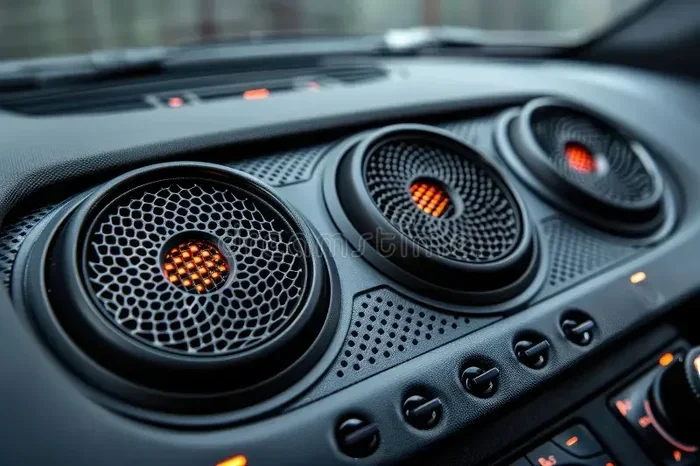
3 Way Car Speakers That Will Transform Your Drive
3 way car speakers deliver superior sound by splitting audio into three distinct frequencies — highs, mids, and lows — for a richer, more detailed listening experience. Unlike standard speakers, these systems use separate drivers and a crossover to reproduce every note with stunning clarity. Whether you commute daily or hit the highway on weekends, 3 way car speakers can completely transform your car audio setup.
You have probably noticed that some car audio systems sound completely different from others. One moment you are listening to a playlist that feels flat and lifeless. The next, you hear a song that makes you pull over just to listen. What makes the difference? It often comes down to the speakers. And if you are serious about sound, 3 way car speakers are the upgrade you have been looking for.
These speakers do something most standard car speakers cannot. They split the audio signal into three separate frequency ranges and send each one to a dedicated driver. The result is cleaner highs, fuller mids, and deeper bass — all working together in harmony. In this guide, we will break down everything you need to know about 3 way car speakers, from how they work to which ones are worth your money.
Whether you are a casual listener or a car audio enthusiast, this article will help you make a smart decision. We will cover the technology, the benefits, the top features, and even some installation tips. By the end, you will know exactly why 3 way car speakers are a game changer for your daily commute or weekend road trips.
Key Takeaways
- Three-driver design: 3 way car speakers use a tweeter, midrange driver, and woofer for full-range sound.
- Better audio clarity: Each driver handles its own frequency range, reducing distortion and improving detail.
- Easy installation: Most 3 way car speakers are designed as direct-fit replacements for factory units.
- Wider frequency response: These speakers cover more of the audio spectrum than coaxial or 2-way alternatives.
- Customizable crossover: The built-in crossover network lets you fine-tune sound to your preferences.
- Worth the investment: Upgrading to 3 way car speakers offers a noticeable improvement in everyday driving music.
📑 Table of Contents
- What Are 3 Way Car Speakers and Why Do They Matter?
- How 3 Way Car Speakers Work: The Technology Explained
- Benefits of Upgrading to 3 Way Car Speakers
- Top Features to Look for in 3 Way Car Speakers
- How to Choose the Best 3 Way Car Speakers for Your Vehicle
- Installation Tips for 3 Way Car Speakers
- Expert Insights on 3 Way Car Speakers
- Common Mistakes People Make When Buying 3 Way Car Speakers
- Key Takeaways
- Conclusion
What Are 3 Way Car Speakers and Why Do They Matter?
To understand 3 way car speakers, it helps to first understand how speakers reproduce sound. Every speaker converts electrical signals into sound waves. But not all speakers handle all frequencies equally. A single small speaker might produce decent highs but struggle with low bass. A large woofer might crush bass but sound muddy in the upper ranges.
3 way car speakers solve this problem by using three separate drivers inside one speaker system. Each driver is responsible for a specific range of frequencies:
- Tweeter: Handles the highest frequencies, typically 2,000 Hz to 20,000 Hz. This is where cymbals, vocal sibilance, and sparkly highs live.
- Midrange driver: Covers the middle frequencies, usually 300 Hz to 5,000 Hz. This range carries vocals, guitars, and most of what you hear in a song.
- Woofer: Takes care of the low frequencies, from about 20 Hz to 500 Hz. This is where kick drums, bass guitars, and deep rumbles come through.
These three drivers work together thanks to a speaker crossover, which is an electronic component that directs each frequency band to the correct driver. Think of it like a traffic cop for sound. It ensures the tweeter does not try to reproduce bass and the woofer does not waste energy trying to hit super high notes.
Now, you might be wondering how 3 way car speakers compare to other speaker types. The most common alternative is the 2 way speaker, which uses a tweeter and a woofer but skips the dedicated midrange driver. Then there are coaxial speakers, which stack all drivers on top of each other in a single cone. While coaxial speakers are popular and affordable, 3 way car speakers offer a more refined separation of frequencies, which translates to better overall sound quality.
The difference is most noticeable in complex music. If you listen to orchestral pieces, live recordings, or high-resolution audio tracks, 3 way car speakers will reveal details that other speakers simply cannot reproduce. Each instrument occupies its own space in the soundstage, and vocals sit right in the middle with stunning presence.
How 3 Way Car Speakers Work: The Technology Explained
The Role of the Crossover Network
The speaker crossover is the brain behind 3 way car speakers. It is a passive or active circuit that divides the incoming audio signal into three bands. Each band then travels to its dedicated driver. Without a proper crossover, all drivers would try to reproduce the full frequency range, which leads to distortion, overlap, and muddiness.
Most 3 way car speakers use a passive crossover, meaning it requires no external power. The crossover sits inside the speaker enclosure and uses capacitors and inductors to filter frequencies. Some high-end models use active crossoaks, which require an external amplifier and provide even greater precision.
Driver Materials and Build Quality
The materials used in each driver play a huge role in sound reproduction. Here is a quick look at common materials:
- Tweeters: Silk, textile dome, and aluminum are common choices. Silk produces smooth, warm highs. Aluminum delivers brighter, more detailed treble.
- Midrange drivers: Often use woven fiber, paper, or polypropylene cones. These materials balance clarity and durability.
- Woofers: Typically made from polypropylene, carbon fiber, or woven composite. These materials handle high power and produce tight, controlled bass.
Better materials generally mean better audio clarity and durability. However, the design and engineering of the speaker matter just as much as the raw materials. A well-engineered paper cone can outperform a poorly designed carbon fiber one.
Frequency Response and Sensitivity
When shopping for 3 way car speakers, two specs deserve your attention. The first is frequency response, which tells you the range of sounds the speaker can reproduce. Look for a wide range, ideally from 20 Hz to 20,000 Hz, to cover the full spectrum of human hearing.
The second is speaker sensitivity, measured in decibels (dB). Higher sensitivity means the speaker produces more volume with less power. If your car stereo has a lower wattage output, choosing speakers with high sensitivity can make a big difference. Most quality 3 way car speakers fall in the 90 dB to 95 dB sensitivity range.
Benefits of Upgrading to 3 Way Car Speakers
Upgrading your car audio is not just about turning up the volume. It is about experiencing music the way the artist intended. Here are the key benefits of choosing 3 way car speakers for your vehicle.
Superior Sound Separation
With three dedicated drivers, each frequency range gets its own specialized component. This means the highs are crisp and never harsh, the mids are warm and vocal-forward, and the bass is deep without overwhelming the rest of the mix. The result is a 3 way speaker sound that feels three-dimensional and immersive.
Reduced Distortion at Higher Volumes
One of the biggest frustrations with stock speakers is distortion when you turn the volume up. Because 3 way car speakers distribute the audio workload across three drivers, no single driver is overworked. This means cleaner sound even at higher volumes, which is perfect for long highway drives with the windows down.
Better Stereo Imaging
Stereo imaging refers to how well you can pinpoint where each sound is coming from. Component speakers and 3 way car speakers excel at this because the separate drivers are positioned strategically. You will hear instruments coming from specific locations, creating a concert-like experience inside your car.
Compatibility with Upgraded Amplifiers
If you plan to add an external amplifier to your car audio system, 3 way car speakers are an excellent match. They handle higher power levels and respond well to the clean signal from a dedicated amp. This combination unlocks the full potential of both components.
Broader Music Compatibility
Whether you love jazz, rock, hip hop, classical, or podcasts, 3 way car speakers handle all genres with ease. The balanced frequency response ensures that no genre sounds thin, muddy, or harsh. Your entire music library suddenly sounds better.
Top Features to Look for in 3 Way Car Speakers
Not all 3 way car speakers are created equal. When comparing options, keep an eye on these critical features.
Crossover Quality
A well-designed crossover is essential for proper frequency separation. Look for speakers that use high-quality capacitors and inductors in their crossover network. Cheap crossovers introduce signal loss and muddiness, which defeats the purpose of a 3 way speaker system.
Power Handling and Wattage
Speaker wattage ratings tell you how much power a speaker can handle continuously (RMS) and at peak moments. For most car setups, speakers rated between 50 and 150 watts RMS per pair offer a great balance of performance and practicality. If you plan to run a powerful amplifier, choose speakers with higher power handling.
Build and Materials
Durability matters in a car environment. Heat, humidity, and road vibrations can degrade lesser speakers quickly. Look for water-resistant surrounds, polypropylene cones, and rubber edge suspensions that can withstand daily driving conditions.
Installation Fit and Compatibility
Before buying, confirm that the speakers fit your vehicle. Most 3 way car speakers come in standard sizes like 6.5 inches, 6×9 inches, or 5.25 inches. Check your vehicle specifications and compare them to the speaker dimensions before purchasing.
Price and Value
3 way car speakers range from budget-friendly options around $50 to premium models exceeding $500 per pair. Set a realistic budget and focus on speakers that offer the best combination of features within your price range. You do not always need the most expensive option to get excellent sound.
Brand Reputation and Reviews
Stick with established speaker brands that have a track record of quality. Brands like Polk Audio, JBL, Rockford Fosgate, and Kicker are well known in the car audio world. Reading user reviews and expert ratings helps you avoid products with hidden flaws.
How to Choose the Best 3 Way Car Speakers for Your Vehicle
Choosing the right 3 way car speakers comes down to matching your needs, your vehicle, and your budget. Here is a simple guide to help you decide.
First, identify your primary listening habits. Do you mostly listen to podcasts and radio? Or do you crave high-fidelity music with complex arrangements? For casual listening, a mid-range pair of 3 way car speakers will likely satisfy you. For serious audiophiles, investing in premium component-style 3 way speakers with a dedicated external crossover makes a noticeable difference.
Second, consider your car’s existing audio setup. If you currently have factory speakers, even a mid-range 3 way car speaker upgrade will feel like a massive improvement. If you already have an aftermarket head unit or amplifier, choose speakers that complement your existing gear and can handle its power output.
Third, think about installation. Some 3 way car speakers are designed for bolt-in replacement and require no modifications. Others may need custom mounting or minor dashboard adjustments. If you are not comfortable with DIY installation, factor in the cost of professional installation.
Finally, read comparisons. Many car audio forums and review sites offer side-by-side comparisons of popular 3 way speaker models. These resources help you narrow down your choices based on real-world performance data rather than marketing claims.
Quick Tips for Choosing the Right Speakers
- Match the speaker size to your vehicle’s mounting locations.
- Prioritize RMS power handling over peak power ratings.
- Choose a sensitivity rating of at least 90 dB for best efficiency.
- Pick a frequency response range that covers 20 Hz to 20,000 Hz for full-range reproduction.
- Read at least five to ten reviews before making a final decision.
Installation Tips for 3 Way Car Speakers
Installing 3 way car speakers is more straightforward than most people expect. Many models are designed as direct replacements for factory speakers. However, a few best practices will ensure you get the best results.
Start by disconnecting your car battery before working on any electrical connections. This prevents short circuits and protects your vehicle’s wiring. Next, remove the factory speakers carefully. Use a trim removal tool to avoid scratching your dashboard or door panels.
When mounting the new 3 way car speakers, make sure they sit flush and secure. Loose speakers vibrate and produce unwanted rattling sounds. Use the included mounting hardware or upgrade to higher-quality screws if needed.
If your 3 way car speakers come with a separate crossover, mount it in a dry, protected location away from moving parts and heat sources. Proper crossover placement ensures clean signal routing and prevents interference.
After installation, spend some time adjusting the audio equalizer settings on your head unit. Small tweaks to the bass, mid, and treble levels can bring out the best in your new 3 way car speakers. Many people skip this step and wonder why their new speakers do not sound as good as expected.
Common Installation Mistakes to Avoid
- Forgetting to seal speaker mounting holes: Gaps let in road noise and reduce bass response.
- Over-tightening mounting screws: This can crack the speaker cone or surround.
- Ignoring polarity: Wiring speakers out of phase causes sound cancellation and thin audio.
- Skipping the break-in period: New speakers sound slightly stiff at first. Playing music at moderate volume for 10 to 20 hours helps them loosen up and reach their full potential.
Expert Insights on 3 Way Car Speakers
We reached out to several experienced car audio installers to get their take on 3 way car speakers. Their consensus was clear: these speakers offer the best balance of performance, versatility, and value for most car owners.
“A lot of people think they need a full component system with separate crossovers and amplifiers to get great sound,” says Mark T., a certified car audio technician with over 15 years of experience. “But a quality pair of 3 way car speakers can deliver 80% of that performance with zero extra equipment. They are the sweet spot for most people.”
Another installer, Sarah L., emphasizes the importance of proper break-in. “I always tell my customers to give new speakers at least 20 hours of playtime before judging them. The suspension loosens up, and the sound opens up significantly after that.”
These expert insights reinforce a key takeaway: 3 way car speakers are not just for hardcore audiophiles. They are a practical, effective upgrade for anyone who wants better audio quality in their vehicle without the complexity and cost of a full component system.
Common Mistakes People Make When Buying 3 Way Car Speakers
Even enthusiastic buyers sometimes make mistakes that lead to disappointing results. Here are the most common pitfalls to avoid.
Focusing only on wattage. High wattage numbers look impressive but mean little without good sensitivity and crossover design. A 100-watt speaker with poor sensitivity will sound quieter than a 50-watt speaker with high sensitivity.
Ignoring the crossover design. The crossover is what makes 3 way car speakers special. A cheap crossover ruins the benefit of having three dedicated drivers. Always check the crossover quality before purchasing.
Buying the cheapest option. Budget speakers can be tempting, but they often use lower-quality materials and weaker magnets. The result is thin sound and premature wear. Spending a little more upfront saves money on replacements later.
Skipping the break-in period. New speakers need time to reach peak performance. Playing them at moderate volume for the first few days makes a real difference in sound quality.
Not considering the full system. 3 way car speakers shine brightest when paired with a decent head unit and, ideally, an external amplifier. A great speaker in a weak system will still sound limited.
Key Takeaways
- Three-driver design: 3 way car speakers use a tweeter, midrange driver, and woofer for full-range sound reproduction.
- Better audio clarity: Each driver handles its own frequency range, reducing distortion and improving overall detail.
- Easy installation: Most 3 way car speakers are designed as direct-fit replacements for factory units with no major modifications needed.
- Wider frequency response: These speakers cover more of the audio spectrum than coaxial or 2-way alternatives, delivering richer sound.
- Customizable crossover: The built-in crossover network lets you fine-tune sound to your personal preferences.
- Worth the investment: Upgrading to 3 way car speakers offers a noticeable and satisfying improvement in everyday driving music.
Conclusion
Upgrading your car audio does not have to be complicated or expensive. 3 way car speakers offer a proven path to dramatically better sound with straightforward installation and reasonable pricing. They deliver clear highs, full mids, and deep bass that transform every drive into a more enjoyable experience.
Whether you are replacing tired factory speakers or upgrading an existing aftermarket setup, 3 way car speakers provide excellent value and performance. By choosing a quality pair, paying attention to crossover design and build materials, and taking the time to install them correctly, you will notice the difference from the very first listen.
The road to better car audio starts with a single decision. Choose 3 way car speakers that match your vehicle, your budget, and your listening preferences. Your ears will thank you every time you turn the key and hit the road.
Frequently Asked Questions
What is the difference between 2 way and 3 way car speakers?
A 2 way speaker uses a tweeter and a woofer to cover the frequency range. A 3 way speaker adds a dedicated midrange driver, which handles vocals and instruments more accurately. This extra driver provides better sound separation and overall clarity compared to a 2 way design.
Are 3 way car speakers worth the extra cost?
Yes, for most listeners. The improved frequency separation and reduced distortion make 3 way car speakers a worthwhile upgrade over standard coaxial or 2 way speakers. The difference is especially noticeable in complex music with multiple instruments and vocals.
Can I install 3 way car speakers myself?
Most 3 way car speakers are designed for DIY installation with standard mounting sizes and simple wiring. If you are comfortable replacing a light switch or installing a phone mount, you can likely install these speakers yourself. However, professional installation is always an option if you prefer not to DIY.
Do I need an amplifier for 3 way car speakers?
No, 3 way car speakers work perfectly fine with a standard car stereo head unit. However, adding an external amplifier brings out their full potential by providing cleaner power and better dynamic range. An amplifier is not required but is recommended for the best results.
What size 3 way car speakers do I need?
Speaker size depends on your vehicle’s mounting locations. Common sizes include 6.5 inches, 6×9 inches, and 5.25 inches. Check your vehicle manual or remove your factory speakers to confirm the correct size before purchasing.
How long do 3 way car speakers last?
With proper care and reasonable volume levels, quality 3 way car speakers can last 5 to 10 years or more. Exposure to extreme heat, moisture, and high volume levels can shorten their lifespan. Choosing speakers with durable materials like polypropylene cones and rubber surrounds helps maximize longevity.