What Is a Hood Release Lever and Why It Matters So Much
The hood release lever is a vital component that lets you open your car hood from inside the vehicle. It connects to a cable and latch system that releases the hood safely and quickly. Understanding how this simple mechanism works can save you time, money, and frustration during routine maintenance or emergencies. This guide covers everything from basic function to common problems and practical fixes.
SEO Title: What Is a Hood Release Lever and Why It Matters So Much
Meta Title: What Is a Hood Release Lever and Why It Matters So Much
URL Slug: /hood-release-lever
Your hood release lever is one of the most important yet overlooked parts of your vehicle. This small mechanism lets you open the car hood quickly and safely whenever you need to check the engine. Without a working hood release lever, you would be stuck staring at a sealed hood latch with no way in. In this guide, we will walk you through everything you need to know about this essential component. You will learn how it works, common problems, and simple fixes anyone can do at home.
The hood release lever has been a standard feature in vehicles for decades. Whether you drive a new sedan or a classic truck, this part plays a critical role in your daily driving experience. It might be small, but its job is huge. A broken or stuck hood release lever can leave you stranded or unable to perform basic maintenance. That is why understanding how it works and how to care for it matters so much.
Key Takeaways
- Essential Vehicle Component: The hood release lever is the primary way you access your engine bay for maintenance and inspections.
- Simple Two-Step Process: Most vehicles require pulling an interior lever and then releasing a secondary latch under the hood.
- Common Problems Are Fixable: Stuck levers, broken cables, and loose handles can usually be resolved with basic tools and a little know-how.
- Regular Maintenance Matters: Lubricating the latch and inspecting the cable every six months prevents most hood release issues.
- Location Varies by Vehicle: The lever is typically on the driver side floor, but placement differs across makes and models.
- Safety Is Key: A working hood release lever ensures you can access the engine in emergencies and keep the hood secure while driving.
📑 Table of Contents
What Is a Hood Release Lever?
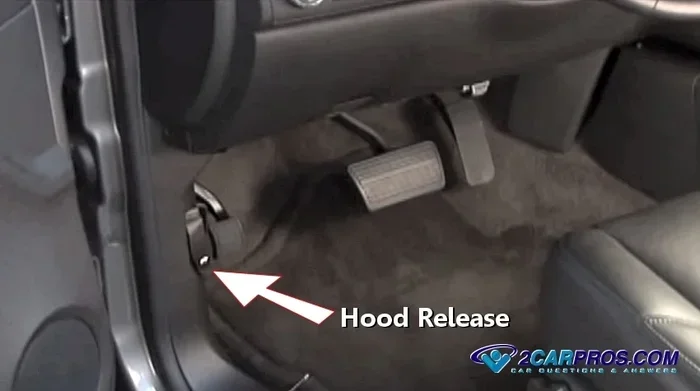
The hood release lever is a hand-operated tool that lets you unlatch the car hood from inside the vehicle. You usually find it on the driver side, near the floor on the left side of the cabin. When you pull this lever, it releases the hood latch and lets you lift the hood slightly. Most vehicles have a two-step process for opening the hood. First, you pull the interior lever. Then, you lift the hood and release the secondary latch from underneath.
This simple design has been around for decades, and it works on nearly every car, truck, and SUV on the road today. The hood release lever connects to a cable that runs from the handle inside the cabin down to the hood latch mechanism under the front of the vehicle. When you pull the handle, the cable tugs on the latch, and the hood pops open just enough for you to reach the secondary release.
Not all hood release levers look the same. Some vehicles use a pull handle, while others use a push button or a pull knob. The design may vary, but the purpose stays the same. You need a working hood release lever to access the engine bay for maintenance, fluid checks, and inspections.
Why the Hood Release Lever Matters
Your hood release lever matters because it gives you access to the engine. Without it, you cannot check your oil, inspect your belts, or look at your battery. Regular use of the hood release lever is part of routine car hood maintenance. A broken or stuck lever can leave you stranded or unable to perform basic checks.
Here are a few reasons why this small part deserves your attention:
- Safety: A working hood release lever lets you open the hood in emergencies.
- Maintenance: You need to open the hood to check fluids and inspect the engine.
- Convenience: A smooth hood release mechanism makes every trip to the garage faster.
- Vehicle Value: A functioning hood release lever keeps your car in good standing for inspections and resale.
How a Hood Release Lever Works
Understanding how your hood release lever works helps you troubleshoot problems. The system is simple but clever. It relies on a few key parts working together in harmony.
The Main Components
Here are the main parts that make up your hood release system:
- Interior Handle: This is the lever or knob you pull inside the cabin.
- Release Cable: A thin metal cable that connects the handle to the latch.
- Hood Latch: The locking mechanism that holds the hood shut.
- Secondary Latch: A safety latch under the hood that keeps it from flying open while driving.
- Hood Prop Rod: A metal rod or spring-loaded arm that holds the hood up while you work.
The Step-by-Step Process
Here is how the hood release lever works when you pull the handle:
- You pull the interior hood release handle inside the car.
- This pulls the hood release cable taut.
- The cable pushes or pulls on the hood latch mechanism.
- The latch releases, and the car hood pops up slightly.
- You walk to the front of the vehicle and release the secondary latch.
- You lift the hood fully and secure it with the prop rod or hydraulic strut.
That is all there is to it. The whole process takes just a few seconds when everything works correctly. The hood release cable is the backbone of this system. If the cable frays, stretches, or breaks, the entire mechanism fails.
Types of Hood Release Systems
Not every vehicle uses the same type of hood release lever. Here are the most common types you will encounter:
| Type | How It Works | Common In |
|---|---|---|
| Pull Handle | A lever you pull toward you inside the cabin | Most sedans and SUVs |
| Push Button | A button you press to release the latch | Some modern vehicles |
| Pull Knob | A round knob you tug on | Older vehicles and trucks |
| Electric Release | A motor-driven system activated by a switch | Luxury and newer models |
Each type serves the same purpose. The hood release mechanism may look different, but the goal is always the same: to let you open the hood safely and easily.
Common Hood Release Lever Problems
Even though the hood release lever is a simple device, it can develop problems over time. Knowing the signs of trouble helps you fix issues before they become big headaches.
Stuck or Jammed Hood Release Lever
A stuck hood release lever is one of the most common issues drivers face. You pull the handle, but nothing happens. The hood latch stays locked, and the car hood remains shut.
This problem usually happens for a few reasons:
- The hood release cable has become frozen or corroded.
- Dirt and grime have built up inside the cable housing.
- The cable has stretched and lost its tension.
- The hood latch mechanism itself is rusted or bent.
Cold weather makes this problem worse. Ice can form around the cable and latch, making the hood release lever completely immobile. If you live in a cold climate, this is something to watch for during winter months. Hood release troubleshooting in cold weather often starts with thawing the latch area before attempting to pull the lever.
Broken Hood Release Cable
The hood release cable is a thin metal wire wrapped in a protective sheath. Over time, the cable can fray, kink, or snap entirely. A broken hood release cable means pulling the handle does nothing at all.
Signs of a failing cable include:
- Slack or looseness in the handle when you pull it.
- A clicking sound that does not lead to the hood opening.
- The handle feels different than it used to.
- Visible fraying or damage to the cable near the engine bay.
If you notice any of these signs, address the problem quickly. A hood release cable replacement is inexpensive and straightforward, but ignoring it can leave you unable to open the hood when you need it most.
Hood Release Lever That Feels Loose
If your hood release lever feels wiggly or loose, the cable may have slipped out of position. A loose handle does not always mean the cable is broken, but it does mean the system needs attention. A loose hood release lever can also make it hard to get a clean release, leaving the hood latch only partially open.
Secondary Latch Failure
Sometimes the interior hood release lever works fine, but the secondary latch under the hood does not release. This can happen if the secondary latch gets stuck or corroded. In this case, the car hood will only pop up slightly, and you will need to use force to open it fully. This is dangerous and should be fixed right away. A hood safety latch that fails can cause the hood to fly open while driving, which is a serious hazard.
How to Fix a Hood Release Lever
Many hood release lever problems are easy to fix at home. You do not need to be a mechanic to handle most of these repairs. Here are some practical steps you can take.
Fixing a Stuck Hood Release Lever
If your hood release lever is stuck, try these steps:
- Spray a lubricant like WD-40 directly onto the hood latch and cable entry point.
- Wait a few minutes for the lubricant to work its way in.
- Try pulling the hood release handle again gently.
- If it still does not move, try tapping lightly on the latch area with a rubber mallet.
- Never force the handle. Forcing it can break the cable or damage the latch.
In cold weather, try warming the front of the vehicle with a heater or heat gun before attempting to pull the lever. This melts any ice blocking the mechanism. Hood release troubleshooting in winter should always start with checking for ice buildup around the latch and cable.
Replacing a Broken Hood Release Cable
Replacing a hood release cable is a job most DIYers can handle. Here is what you need to do:
- Buy a replacement cable that matches your vehicle model. You can find the part number in your owner manual.
- Open the car hood using the secondary latch or by having someone push the lever while you reach under the front grille.
- Locate the cable end attached to the hood latch.
- Disconnect the old cable from the latch.
- Feed the new cable through the housing from the engine bay side.
- Attach the new cable to the latch and secure it with the retaining clip.
- Adjust the cable tension so the handle feels firm but not too tight.
- Test the hood release lever by pulling the handle and confirming the hood pops open.
This repair usually takes about 30 minutes and costs between $15 and $40 for the replacement cable. It is one of the easiest and most affordable hood release lever repairs you can do.
Adjusting a Loose Hood Release Lever
If your hood release lever feels loose, you may just need to adjust the cable tension. Most vehicles have an adjustment point where the cable connects to the handle or the latch. Simply tighten the adjustment nut or bolt to take up slack. Test the handle after each small adjustment until the feel is firm and responsive. A proper hood release cable adjustment ensures smooth operation and prevents the lever from feeling mushy or unresponsive.
Common Mistakes to Avoid
When dealing with a hood release lever problem, avoid these common mistakes:
- Forcing the lever: Yanking a stuck handle can snap the cable or bend the latch.
- Using the wrong lubricant: Grease that is too thick can gum up the cable housing. Use a silicone-based spray or white lithium grease.
- Ignoring small issues: A slightly stiff lever today can become a fully broken system tomorrow.
- Skipping the secondary latch check: Always verify that both the primary and secondary latches work before driving.
- Using mismatched replacement parts: Always match the replacement cable to your specific vehicle make and model.
Hood Release Lever Location by Vehicle
The hood release lever location varies slightly from vehicle to vehicle, but there are some general rules you can follow.
Where to Find the Hood Release Lever
In most cars, you will find the hood release lever in one of these spots:
- Driver side floor: Near the bottom of the driver door, on the left side of the cabin.
- Under the dashboard: Sometimes hidden behind a small cover on the lower left side of the dash.
- Near the steering column: In some older vehicles, the lever is close to the steering wheel.
- Center console: Rare, but some vehicles place the handle between the front seats.
If you cannot find your hood release lever, check your vehicle owner manual. The manual will show you the exact hood release lever location for your specific make and model.
Hood Release Lever Location by Popular Brands
Here is a quick look at where you can expect to find the hood release lever in some popular brands:
| Brand | Typical Location | Notes |
|---|---|---|
| Toyota | Driver side floor, below the steering column | Pull handle with a small tab |
| Honda | Driver side floor, left side | Push-style or pull handle depending on model |
| Ford | Driver side floor, near the door | Pull lever with a raised edge |
| Chevrolet | Driver side floor, below dash | May have a plastic cover over the lever |
| BMW | Driver side, near the lower dashboard | Some models use a push button instead |
| Jeep | Driver side floor, left side | Pull handle, often with a hood safety latch |
No matter where the hood release lever is located, the basic mechanism is the same. You pull the handle, the cable engages, and the hood latch releases.
Tips for Maintaining Your Hood Release Lever
Good maintenance keeps your hood release lever working smoothly for years. Here are some simple tips every car owner should follow.
Lubricate the Latch and Cable Regularly
Apply a small amount of white lithium grease or silicone spray to the hood latch and cable housing every six months. This prevents rust and keeps the hood release mechanism moving freely. A little maintenance goes a long way in preventing a stuck hood release lever.
Check the Cable for Wear
Once a year, look at the hood release cable under the hood. Check for fraying, kinks, or rust. If the cable looks worn, replace it before it breaks. A hood release cable replacement is much cheaper than dealing with a broken cable on the side of the road.
Keep the Area Around the Lever Clean
Dirt, leaves, and debris can build up around the hood release lever inside the cabin. This gunk can work its way into the cable housing and cause sticking. Wipe down the area around the handle regularly to keep it clean and functional.
Do Not Force the Lever
If the hood release lever feels stiff or hard to pull, do not force it. Forcing the handle can snap the cable or damage the latch. Instead, spray some lubricant and let it soak in for a few minutes. If the problem persists, have a professional inspect the hood release system.
Address Issues Promptly
Do not ignore small problems with your hood release lever. A loose handle or a slightly stiff cable today can become a fully broken system tomorrow. Addressing minor issues early saves you time, money, and frustration.
Quick Tips for Hood Release Lever Care
- Lubricate the hood latch every 6 months.
- Inspect the hood release cable for wear once a year.
- Keep the cabin floor around the lever clean and free of debris.
- Never force a stiff or stuck hood release lever.
- Replace frayed cables immediately.
- Know your hood release lever location before you need it in an emergency.
Expert Insights
Experienced mechanics agree that most hood release lever problems come from neglect. A little regular attention prevents the majority of issues. According to automotive experts, the hood release cable should be inspected during every oil change. This simple habit catches wear early and keeps the entire hood release mechanism in top shape. Many professionals also recommend keeping a spare hood release cable in your trunk, especially if you drive an older vehicle or live in a cold climate where ice and corrosion are common.
Another expert tip is to familiarize yourself with the hood release lever location in your specific vehicle before you actually need it. In an emergency situation, you do not want to be searching under the dashboard while stressed. Taking two minutes to locate and test your hood release lever today can save you a lot of hassle later.
Conclusion
The hood release lever may seem like a small and simple part, but it plays a big role in your daily driving experience. Without it, you cannot open the car hood to check fluids, inspect the engine, or perform basic maintenance. Understanding how your hood release lever works, recognizing common problems, and performing simple maintenance can save you time and money.
Whether you deal with a stuck hood release lever, a frayed hood release cable, or a loose handle, most issues are easy to fix. A little regular care keeps the entire hood release mechanism working smoothly. Make it a habit to check your hood latch and cable during routine vehicle maintenance.
Your hood release lever is always there for you, working quietly behind the scenes. Give it the attention it deserves, and it will serve you well for many miles to come. Take a moment today to locate your hood release lever and make sure it is in good working order. Your future self will thank you.
Frequently Asked Questions
Can you drive with a broken hood release lever?
You can still drive with a broken hood release lever if the car hood is securely latched. However, you will not be able to open the hood for maintenance or fluid checks. It is best to fix the problem as soon as possible so you can access the engine bay when needed. Driving with a broken lever is safe for the vehicle, but it limits your ability to perform basic upkeep.
How much does it cost to replace a hood release cable?
A hood release cable replacement typically costs between $15 and $40 for the part alone. If you take your vehicle to a mechanic, labor costs may add $50 to $100. However, this is one of the easiest repairs you can do at home with basic tools. Watching a tutorial for your specific vehicle model can save you the labor cost entirely.
Why does my hood release lever feel loose?
A loose hood release lever usually means the hood release cable has slipped out of position or has stretched over time. The cable may need adjustment to restore proper tension. In some cases, the handle itself may be worn and need replacement. Adjusting the cable tension is a quick fix that most car owners can do in just a few minutes.
Can I open my hood from the outside if the lever is broken?
Yes, many vehicles have an external hood latch that can be accessed from the front of the car. Look for a small latch or tab under the front grille or bumper area. You can use a long screwdriver or a wire to reach it and release the hood safety latch. This is a handy trick to know if your interior hood release lever fails unexpectedly.
How often should I maintain my hood release lever?
You should lubricate the hood latch and inspect the hood release cable at least every six months. A quick check during every oil change is a great habit. Regular hood release troubleshooting and maintenance prevents most common problems like sticking, looseness, and cable failure. Keeping the area around the lever clean inside the cabin also helps maintain smooth operation.
What causes a hood release lever to stick?
The most common causes of a stuck hood release lever are corrosion, ice buildup, dirt accumulation, and cable stretching. Cold weather is a major culprit because moisture freezes around the latch and cable. Using the wrong lubricant or skipping regular maintenance can also lead to sticking. Applying a silicone-based spray and keeping the mechanism clean are the best ways to prevent this problem.