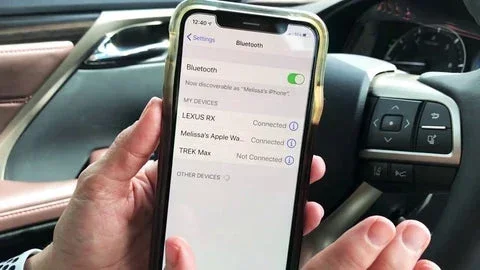
Why Cant I Connect to My Car Bluetooth Any Longer
Struggling with Why Cant I Connect to My Car Bluetooth Any Longer? You are not alone. This guide covers the most common causes, from simple settings glitches to compatibility problems. Learn proven fixes, expert tips, and prevention steps to get your wireless connection back fast.
There is nothing more frustrating than getting into your car, ready to hit the road, and realizing your phone will not connect to the Bluetooth system. You have done this a hundred times before, so why does it feel like such a mystery now? The truth is, Bluetooth connection problems are incredibly common, and they can happen for a wide range of reasons.
If you have been Googling “Why Cant I Connect to My Car Bluetooth Any Longer,” you are in the right place. This article breaks down every possible cause, from simple fixes you can do in two minutes to deeper issues that might need a little more attention. Whether you drive a sedan, SUV, or truck, these tips apply to nearly every car with wireless capabilities. Let us get your music, calls, and navigation back on track.
Bluetooth technology has come a long way, but it is still a wireless system that depends on both your phone and your car working together perfectly. When one side has a problem, the whole connection falls apart. The good news is that most issues are easy to solve once you know what to look for.
Key Takeaways
- Restart Both Devices: A simple restart of your phone and car infotainment system resolves most Bluetooth pairing issues.
- Check Compatibility: Older cars and newer phones may not support the same Bluetooth versions, causing connection failures.
- Clear Paired Devices List: Removing old pairings frees up memory and often fixes stubborn connection problems.
- Update Software: Keeping your phone and car firmware updated prevents Bluetooth errors and improves stability.
- Distance and Interference Matter: Physical barriers and other wireless signals can weaken or block your Bluetooth signal.
- Reset Network Settings: Resetting your phone’s network settings is a powerful fix for persistent Bluetooth problems.
📑 Table of Contents
Common Reasons Your Car Bluetooth Won’t Connect
Before you start pulling your hair out, it helps to understand what is actually going wrong. Bluetooth connection failures usually fall into a few clear categories. Let us walk through the most common reasons your phone and car cannot find each other.
Bluetooth Is Turned Off or in Airplane Mode
This sounds obvious, but it happens more often than you would think. Sometimes a quick toggle of Bluetooth on your phone is all it takes. Or maybe your phone accidentally switched to airplane mode, which kills all wireless connections including Bluetooth. Check your phone’s status bar first. Look for the airplane icon or the Bluetooth symbol. If either is off, turn it back on and try pairing again.
Some cars also have a Bluetooth power button on the infotainment screen. Make sure the car’s Bluetooth system is active too. It is a two-way street, and both sides need to be ready to connect.
Your Phone Has Too Many Paired Devices
Here is something many people do not realize. Your phone keeps a memory of every Bluetooth device it has ever paired with. Over time, that list can grow to dozens of entries. When your car tries to connect, it may get confused by all the stored devices. This can slow things down or prevent a new connection from forming.
Go into your phone’s Bluetooth settings and delete any devices you no longer use. Keep your list clean and short. This alone fixes the problem for a surprising number of people.
Interference from Other Wireless Devices
Bluetooth operates on a specific radio frequency. Other wireless devices nearby can create interference. Your Wi-Fi router, a smart home device, or even another phone in the car can cause signal disruption. If you have a lot of wireless gadgets in your vehicle, try turning some of them off and see if the connection improves.
Physical barriers also play a role. A thick metal roof, a phone case with metal in it, or even placing your phone in the glove box instead of the dashboard can weaken the Bluetooth signal. Move your phone closer to the car’s antenna, which is usually near the rearview mirror or windshield.
How to Fix Bluetooth Connection Problems in Your Car
Now that you know the common causes, let us get into the fixes. These steps are ordered from the simplest to the more advanced, so start at the top and work your way down.
Step 1: Turn Bluetooth Off and Back On
The oldest trick in the book, but it works for a reason. Turning Bluetooth off on your phone and then back on forces the system to refresh its connection list. Do the same on your car’s infotainment system if it has that option. This simple reset often clears up temporary glitches that block the pairing process.
Step 2: Delete the Old Pairing and Re-Pair
If toggling Bluetooth did not work, the next step is to remove the existing pairing from both devices. On your phone, go to Bluetooth settings, find your car, and select “Forget This Device.” On the car’s system, find your phone in the paired devices list and delete it too.
Then start fresh. Turn on Bluetooth on both devices, put your car in pairing mode, and let your phone search again. This fresh start eliminates any corrupted data that may have built up between the two devices.
Step 3: Restart Both Devices
A full restart is more powerful than just toggling Bluetooth off and on. Restart your phone completely. If your car has a restart option for the infotainment system, use it. Some cars require you to hold the power button for several seconds to reboot the screen. This clears temporary memory and resets the Bluetooth module.
Many people skip this step, but it solves a huge number of connection issues. It takes less than a minute and costs nothing.
Step 4: Check for Software Updates
Both your phone and your car’s infotainment system run on software. Outdated software can cause compatibility problems with Bluetooth. On your phone, go to settings and check for system updates. For your car, check the manufacturer’s website or visit a dealer for firmware updates.
Some newer cars even support over-the-air updates. If yours does, make sure you are running the latest version. Software updates often include bug fixes for Bluetooth connectivity.
Step 5: Reset Network Settings on Your Phone
If none of the above steps worked, resetting your phone’s network settings is a strong next move. This clears all saved Wi-Fi passwords, Bluetooth pairings, and cellular settings. It does not delete your photos, apps, or personal data.
On iPhone, go to Settings, then General, then Transfer or Reset iPhone, then Reset, then Reset Network Settings. On Android, go to Settings, then System, then Reset Options, then Reset Wi-Fi, Mobile and Bluetooth. After the reset, try pairing your phone with the car again.
Phone and Car Compatibility Issues
Not all phones and cars play nicely together. Bluetooth technology has evolved over the years, and older car systems may not support newer phone features. Understanding compatibility is key to solving connection problems.
Bluetooth Version Mismatch
Bluetooth comes in different versions, and older versions may not work well with newer phones. If your car was made before 2015, it might have Bluetooth 3.0 or earlier. Modern smartphones use Bluetooth 5.0 or higher. While backward compatibility exists, the connection may be unstable or limited to basic audio streaming.
You may notice that calls work but music does not stream, or vice versa. This is a classic sign of a version mismatch. Unfortunately, you cannot upgrade the Bluetooth hardware in your car. The workaround is to use an auxiliary cable or a Bluetooth adapter that plugs into your car’s audio input.
Apple CarPlay and Android Auto
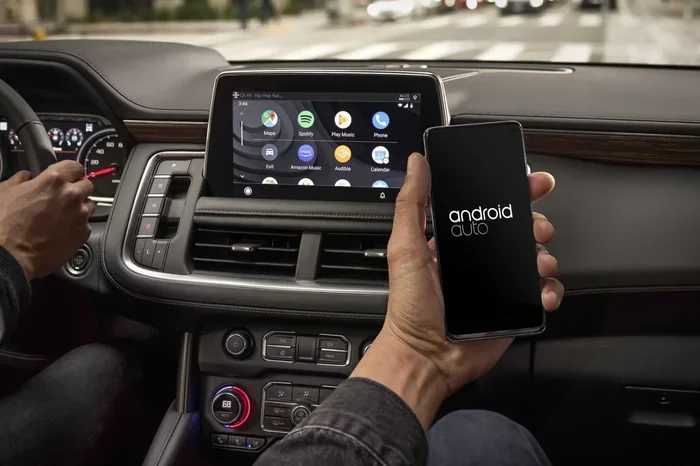
If your car supports Apple CarPlay or Android Auto, these systems rely on Bluetooth for the initial connection. But they also need a USB cable or Wi-Fi for full functionality. If your phone connects via Bluetooth but does not display on the car screen, you may need to check your CarPlay or Auto settings separately.
Make sure both CarPlay and Android Auto are enabled on your phone. On iPhone, go to Settings, then General, then CarPlay. On Android, open the Google App and search for “Android Auto” to check settings. Sometimes simply toggling these features off and on fixes the display problem.
Phone Case and Hardware Problems
A thick or metal phone case can block Bluetooth signals. Remove the case and try connecting again. Also, check your phone’s Bluetooth antenna. If you have dropped your phone recently, internal damage could affect wireless performance. Test your phone’s Bluetooth with other devices, like headphones or a speaker, to see if the problem is phone-specific.
Bluetooth Settings You Should Check
There are several settings on both your phone and car that can make or break your Bluetooth connection. Taking a few minutes to review them can save you a lot of frustration.
Visibility and Pairing Mode
Your car’s infotainment system needs to be visible to other devices when you are trying to pair. Look for a “Pairing Mode” or “Add New Device” option on the car’s screen. Some systems stay in pairing mode for only a few minutes before timing out. If you miss the window, start the process again.
On your phone, make sure Bluetooth visibility is turned on. On Android, this is usually found under Bluetooth settings as “Visible to All Nearby Bluetooth Devices.” On iPhone, you do not need to toggle anything extra, but make sure Bluetooth is on and your phone is unlocked.
Priority and Connection Preferences
Many cars let you choose what happens when a phone connects. You can set it to prioritize calls, audio streaming, or both. If your phone connects but you cannot hear music, check the audio streaming setting. If calls do not route through the car speakers, check the call priority setting.
On your phone, when a Bluetooth device is connected, tap the gear icon next to it. You will see options for calls, media, and other features. Make sure the right ones are toggled on for your needs.
Battery Saver Mode
Battery saver mode on your phone can restrict Bluetooth activity to save power. This is especially common on Android phones. If your phone connects but keeps dropping, check if battery saver is on. Turn it off while driving and see if the connection stabilizes.
When to Seek Professional Help
Most Bluetooth problems are fixable at home. But sometimes the issue is deeper and needs professional attention. Here are signs that it is time to see a mechanic or car audio specialist.
Bluetooth Stops Working After a Car Accident
If your Bluetooth stopped working after a collision or rough impact, the antenna or wiring may be damaged. A professional can inspect the system and replace any broken components. Do not try to open up your car’s dashboard yourself unless you have experience.
Infotainment System Freezes or Crashes
If your car’s screen freezes every time you try to connect Bluetooth, the infotainment unit itself may be malfunctioning. A factory reset might help, but if the problem continues, the unit may need to be replaced or repaired by a specialist.
Bluetooth Works on Some Phones but Not Others
If your car connects to one phone but not another, the problem is likely with the second phone. But if it connects to no phones at all, the car’s Bluetooth module is probably at fault. A dealer or car audio shop can diagnose this with specialized tools.
Tips to Keep Your Car Bluetooth Running Smoothly
Prevention is always better than cure. A few simple habits can keep your wireless connection strong and reliable for years to come.
- Restart your infotainment system weekly. This clears temporary bugs and keeps the system running smoothly.
- Keep your phone software updated. Updates often include Bluetooth improvements and bug fixes.
- Limit paired devices. Only keep devices in your Bluetooth list that you actively use.
- Place your phone in a good spot. The dashboard or center console is better than the glove box or back seat.
- Avoid using Bluetooth while the car is starting. Wait a few seconds after the engine turns on before connecting. This lets the car’s system fully boot up.
- Clean your phone’s Bluetooth antenna area. A case with metal or magnetic parts can block the signal. Remove it during troubleshooting.
Taking these small steps can prevent most Bluetooth problems before they start. Your car and phone will stay connected without you having to think about it.
Final Thoughts
Dealing with Bluetooth connection problems in your car is annoying, but it is almost always fixable. The next time you find yourself asking “Why Cant I Connect to My Car Bluetooth Any Longer,” go back to this guide and work through the steps one by one. Start with the simplest fixes and move to the more advanced ones if needed.
Most of the time, a quick restart, a fresh pairing, or a software update is all it takes. Keep your devices updated, limit paired devices, and place your phone in the right spot for the strongest signal. If the problem persists, do not hesitate to seek professional help. A car audio specialist or your car dealer can diagnose hardware issues that are beyond DIY fixes.
Your car’s Bluetooth system is designed to make driving safer and more convenient. Do not let a connection problem keep you from enjoying hands-free calling, streaming music, or using navigation on the road. With the right approach, you will be back to seamless wireless connectivity in no time.
Frequently Asked Questions
Why does my car Bluetooth keep disconnecting randomly?
Random disconnections are usually caused by interference, low battery, or outdated software. Try moving your phone closer to the car’s antenna, turning off other wireless devices, and updating both your phone and car firmware. If the problem continues, remove the pairing and reconnect from scratch.
Can a phone case block my car Bluetooth signal?
Yes, especially cases made with metal or magnetic materials. These can block the Bluetooth antenna on your phone. Remove the case and try connecting again. If the connection works without the case, switch to a thinner or non-metallic case.
How do I put my car in pairing mode?
The process varies by car brand and model. Generally, you go to the Bluetooth or Settings menu on your car’s infotainment screen and select “Add New Device” or “Pair New Phone.” Your car will then become visible to nearby phones. Refer to your car’s owner manual for specific instructions.
Does Bluetooth work when the car is off?
In most cars, Bluetooth does not work when the engine is off. Some vehicles allow limited functionality in accessory mode, but full Bluetooth features like audio streaming usually require the car to be running or in accessory mode. Check your car’s manual for details.
Why does my Bluetooth connect but there is no sound?
This usually means the audio streaming profile is not enabled. Go to your phone’s Bluetooth settings, tap the gear icon next to your car, and make sure “Media Audio” is turned on. Also check your car’s volume and make sure it is not muted or set to a different audio source.
Is there a Bluetooth adapter I can use for older cars?
Yes, Bluetooth adapters are a great solution for older cars without built-in Bluetooth. You plug the adapter into your car’s auxiliary input or cigarette lighter, and it creates a wireless connection with your phone. Look for adapters with good reviews and support for the latest Bluetooth versions for the best performance.