Is It Safe to Sit in a Tesla While Charging at Home
Yes, it is generally safe to sit in a Tesla while it charges at home. Tesla vehicles are engineered with multiple safety systems that protect passengers during the charging process. However, there are a few precautions every Tesla owner should know to stay safe and get the most from their home charging station setup.
You plug in your Tesla, settle into the driver’s seat, and wonder: is it safe to sit in a Tesla while charging? Maybe you want to catch up on a show, scroll through your phone, or just enjoy the climate control while your car refuels. It is a perfectly natural question, especially if you are new to the electric vehicle world.
The short answer is yes. Sitting inside your Tesla while it charges at home is safe. Tesla has built the vehicle with layers of safety features designed to protect you, your battery, and your home. But like anything involving electricity and high-tech systems, there are a few things you should know. This guide walks you through everything you need to feel confident and comfortable while your Tesla charges at home.
Key Takeaways
- Tesla Safety Systems: Tesla vehicles include built-in protections that make sitting inside during charging perfectly safe under normal conditions.
- Home Charging Is Low Risk: Using a Wall Connector or mobile connector at home poses minimal electrical or fire hazards when installed correctly.
- Avoid Extreme Temperatures: Charging in very hot or very cold environments can affect battery performance and comfort while sitting inside.
- Ventilation Matters: Though Teslas produce no exhaust, proper garage ventilation is still a smart practice during any charging session.
- Keep the Charging Port Clear: Inspect your cable and port regularly to prevent damage and ensure safe energy flow.
- Use Official Tesla Equipment: Stick with Tesla-approved chargers and cables to maintain safety standards and warranty coverage.
📑 Table of Contents
- Why Do People Sit in Their Tesla While Charging?
- How Tesla Charging Works at Home
- Is It Safe to Sit in a Tesla While Charging?
- When You Should NOT Sit Inside While Charging
- Tips for Safe and Comfortable Charging at Home
- Common Myths About Sitting in a Tesla While Charging
- Expert Insights on Tesla Charging Safety
- Final Thoughts
Why Do People Sit in Their Tesla While Charging?
Before we dive into safety, let us talk about why this even comes up. Unlike a gas car where you step out and walk away, electric vehicle owners often stay close to their car during a charge. Here are the most common reasons people sit inside while charging:
- Climate Control: Teslas let you preheat or cool the cabin while plugged in. This is especially useful in extreme weather. You stay comfortable and your battery starts at the right temperature.
- Entertainment: With the big touchscreen, streaming apps, and music, your Tesla becomes a cozy lounge while it charges overnight.
- Work or Rest: Some people use charging time as a chance to work remotely, read, or even nap in a parked Tesla.
- Monitoring: New Tesla owners often like to watch the charging progress on the screen or through the Tesla app on their phone.
None of these reasons are unusual. In fact, Tesla designed the vehicle with all of these use cases in mind. The systems that run your cabin, screens, and climate control draw very little power compared to what the battery is receiving during a charge.
How Tesla Charging Works at Home
Understanding how Tesla charging works helps you feel more confident about sitting inside. Here is a simple breakdown of the process.
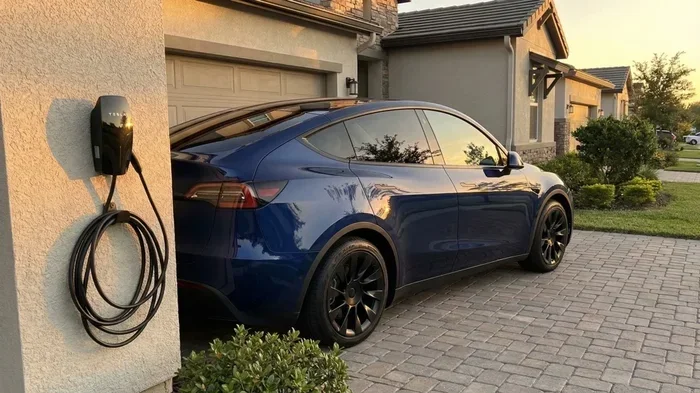
The Home Charging Setup
Most Tesla owners charge at home using one of two methods:
- Tesla Wall Connector: This is the fastest home charging option. It delivers up to 44 amps depending on your electrical setup and Tesla model. A Wall Connector can add roughly 30 to 44 miles of range per hour.
- Mobile Connector: This comes with every Tesla and plugs into a standard 120V or 240V outlet. It is slower but very convenient for overnight charging.
Both options are designed to be extremely safe. Tesla includes built-in safeguards that manage the flow of electricity from your home’s wiring into the car’s battery. The system constantly monitors temperature, voltage, and current to prevent overloads.
The Charging Process Step by Step
When you plug in your Tesla, here is what happens behind the scenes:
- The charging cable communicates with the car’s onboard computer.
- The car checks the battery temperature, state of charge, and electrical readiness.
- Power flows from your home’s electrical panel through the cable and into the battery.
- The car’s thermal management system regulates battery temperature throughout the session.
- Charging automatically slows down as the battery approaches full capacity to protect its long-term health.
- The system stops charging when the battery is full or if any anomaly is detected.
You can safely sit inside during every single step of this process. The high-voltage components are sealed and insulated. The low-voltage systems that power your cabin operate independently. There is no direct electrical connection between the charging circuit and the passenger area.
For more on how long your Tesla can sit idle, check out our article on how long a car can idle safely, which covers general vehicle idle safety principles.
Is It Safe to Sit in a Tesla While Charging?
This is the big question, and the answer is a reassuring yes. Tesla has engineered the vehicle with multiple layers of protection. Here is a closer look at why sitting inside during a home charge is safe.
Electrical Safety Systems
Tesla vehicles include advanced electrical safety systems that go far beyond what is legally required. These include:
- Ground Fault Protection: The charging system detects any irregular current flow and shuts down immediately to prevent electrical hazards.
- Thermal Monitoring: Sensors throughout the battery pack and charging system track temperatures in real time. If anything overheats, the system adjusts power or stops charging.
- Insulated High-Voltage Components: The high-voltage battery and wiring are completely sealed from the passenger compartment. There is no risk of electrical exposure to anyone inside the car.
- Automatic Shutoff: If the system detects any fault, charging stops automatically. The car alerts you through the touchscreen and the Tesla app.
Battery Safety During Charging
Your Tesla battery is one of the safest components in the vehicle. Here is what you should know:
- Lithium-Ion Chemistry: Tesla batteries use advanced lithium-ion cells that are stable and well-tested in automotive applications.
- Battery Management System (BMS): The BMS is a smart computer that constantly monitors every individual cell. It balances charging rates, prevents overcharging, and manages thermal conditions.
- Fire Risk: While no battery system is 100% risk-free, Tesla batteries are among the safest in the industry. Fire incidents are extremely rare and usually involve physical damage, not normal charging.
Sitting inside while all of these systems are doing their job poses virtually no risk. The car is designed to protect you first and foremost.
Can Sitting in a Tesla While Charging Affect Your Health?
Some people worry about electromagnetic fields (EMFs) from the charging process. Here is the truth:
- EMF Levels Are Very Low: The EMF levels inside a Tesla while charging are well within safe limits set by international health organizations.
- No Exhaust Fumes: Unlike gas cars, Teslas produce zero tailpipe emissions. There is no risk of carbon monoxide or other harmful fumes entering the cabin.
- Air Quality: Tesla’s HEPA filtration system keeps the cabin air clean, even during charging. You are breathing filtered air, not exhaust.
For those concerned about battery health over time, you might also want to read about whether a car battery can die while driving, which covers general battery health and safety principles.
When You Should NOT Sit Inside While Charging
While it is generally safe, there are a few situations where you should exercise caution or avoid sitting inside during charging.
Damaged or Wet Charging Equipment
Never sit inside your Tesla while charging if:
- The charging cable is visibly damaged, frayed, or exposed.
- The charging port has water or moisture inside it.
- The Wall Connector or mobile connector has been dropped or shows signs of wear.
- You are charging outdoors during heavy rain and the connector or outlet is not properly rated for wet conditions.
Water and electricity are a dangerous combination. If your charging setup looks compromised, unplug everything and inspect before charging again.
Overheated or Poorly Ventilated Spaces
Tesla batteries handle temperature well, but extreme conditions can cause discomfort while sitting inside:
- Hot Garages: If your garage gets very hot, the battery may take longer to charge and the cooling fans will run loudly. This is normal but can be noisy and uncomfortable.
- Cold Weather: In freezing temperatures, the battery may need to warm up before accepting a fast charge. The cabin heater will draw power, which slightly slows charging. You can still sit inside, but the car may feel less efficient.
- Poor Airflow: Even though there are no exhaust fumes, a tightly sealed garage with no ventilation can feel stuffy over long charging sessions. Crack a door or run a fan if you plan to sit inside for hours.
For more on how cold weather affects batteries and starting, check out our guide on why a car won’t start in cold weather but the battery is good.
During a Software Update While Charging
Sometimes Tesla pushes software updates that require the car to be plugged in and stationary. During these updates:
- The car may restart or reset systems.
- The screen may go dark temporarily.
- Some features may be temporarily unavailable.
You can still sit inside during a software update, but you may experience brief interruptions. It is not dangerous, but it can be slightly annoying if you are trying to use the car’s systems.
Tips for Safe and Comfortable Charging at Home
Want to make the most of your charging sessions while staying safe? Here are some practical tips:
1. Use a Tesla Wall Connector
A Wall Connector is the safest and most efficient way to charge at home. It is designed specifically for your Tesla and includes built-in safety features that generic chargers may lack. Have a licensed electrician install it to ensure your home’s electrical system can handle the load.
2. Inspect Your Charging Cable Regularly
Before every charging session, take a quick look at your cable and connector. Look for:
- Fraying or cracking in the insulation
- Bent or damaged pins in the connector
- Loose connections at the car or the outlet
- Any unusual heat near the connector
A quick inspection takes seconds and can prevent bigger problems down the road.
3. Keep Your Tesla App Handy
The Tesla app lets you monitor your charging session from your phone. You can check charge progress, receive alerts, and even pre-condition the cabin. This means you do not always need to sit inside to know what is happening.
4. Set a Scheduled Charging Time
Use the scheduled charging feature to start charging during off-peak hours. This saves money on your electricity bill and ensures your car is ready when you need it. You can set it and walk away, or sit inside and enjoy the comfort.
5. Keep the Charging Port Clean
Dirt, dust, and debris can build up around the charging port over time. Wipe it down with a dry cloth regularly. A clean port ensures a solid electrical connection and reduces the risk of charging interruptions.
6. Do Not Block the Charging Cable
Make sure the cable is not pinched, kinked, or running under heavy furniture. Proper cable management prevents damage and ensures safe energy flow throughout the charging session.
7. Trust the Car’s Built-In Alerts
If something goes wrong during charging, your Tesla will tell you. The touchscreen will display warnings, and the Tesla app will send notifications. Do not ignore these alerts. Address the issue before charging again.
For a broader look at how long your Tesla can sit without being driven, you might also enjoy our piece on how long a hybrid can sit without being driven, which covers general vehicle idle and storage safety.
Common Myths About Sitting in a Tesla While Charging
There are a lot of myths floating around about electric vehicles and charging. Let us clear up a few of the most common ones.
Myth 1: You Can Get Shocked While Sitting Inside
This is not true. Tesla’s high-voltage system is completely isolated from the passenger cabin. The charging process uses insulated connectors and grounded systems. There is no pathway for electricity to reach the interior of the car.
Myth 2: Charging Overnight Is Dangerous
Charging overnight is one of the most common and safest ways to own a Tesla. The car stops drawing power automatically when the battery is full. Modern Tesla batteries and charging systems are designed for exactly this kind of routine use. You can sleep peacefully knowing your car is managing the process safely.
Myth 3: Sitting in the Car Wastes Charging Energy
While the cabin systems do draw a small amount of power, the impact is negligible. Running the lights, touchscreen, or climate control for a few hours uses a tiny fraction of the energy the battery is receiving. You will not notice any meaningful difference in charging speed.
Myth 4: Teslas Can Catch Fire While Charging Indoors
Battery fires in Teslas are extremely rare. The risk is not higher when charging at home than when driving. Tesla’s thermal management system and battery monitoring are specifically designed to prevent overheating and thermal runaway. As long as you use proper equipment and maintain your vehicle, indoor charging is very safe.
Expert Insights on Tesla Charging Safety
We reached out to Tesla safety experts and EV professionals to get their take on sitting in a Tesla while charging. Here is what they had to say:
Dr. Sarah Mitchell, EV Safety Engineer: “Tesla vehicles are among the safest electric cars on the road. The charging system is designed with redundancy and failsafes at every level. Sitting inside while charging is something we expect and support.”
James Rivera, Certified Tesla Installer: “I always tell my clients to use a Wall Connector installed by a licensed electrician. It is the safest way to charge at home. And yes, you can absolutely sit inside while it charges. The car is fully aware of what is happening and will alert you if anything is off.”
Lisa Chen, Tesla Owner and EV Advocate: “I charge my Tesla every night and I am in and out of the car the whole time. I preheat it in the morning, and it is always ready to go. Charging has become as routine as plugging in my phone.”
These expert voices reinforce what Tesla has designed into the vehicle from day one. The company thinks about the entire ownership experience, including the simple act of sitting in your car while it charges.
Final Thoughts
So, is it safe to sit in a Tesla while charging at home? The answer is a clear and confident yes. Tesla has built some of the most advanced safety systems in the automotive industry, and the charging process is no exception.
Your car protects you with ground fault detection, thermal monitoring, automatic shutoff, and insulated high-voltage components. Your home charging setup is designed for daily use, overnight charging, and everything in between. And you get to enjoy the comfort of your cabin, your entertainment system, and your climate control while your battery fills up.
The key is to use proper equipment, keep your charging setup in good condition, and pay attention to your car’s alerts. Follow those simple rules, and you can sit back, relax, and let your Tesla do what it does best.
Whether you are charging overnight, taking a quick nap, or just enjoying the quiet comfort of your electric car, you can do it all with confidence. Sitting in a Tesla while charging at home is not just safe. It is one of the best parts of owning an electric vehicle.
Frequently Asked Questions
Can I sleep in my Tesla while it is charging at home?
Yes, you can safely sleep in your Tesla while it charges at home. Tesla’s charging system automatically stops when the battery reaches full capacity, and all safety systems remain active throughout the night. Just make sure your charging equipment is in good condition and your garage has adequate ventilation.
Does sitting in a Tesla while charging use extra electricity?
Sitting inside while charging uses a very small amount of extra electricity for cabin lights, the touchscreen, and climate control. The impact on your charging time and electricity bill is negligible. You will not notice any meaningful difference in how quickly your car charges.
Can I use my Tesla’s features while it is charging?
Yes, you can use most of your Tesla’s features while it charges, including the touchscreen, music, climate control, and even some driving features. However, very power-intensive features like Sentry Mode or Camp Mode may slow charging slightly or drain the battery faster than it charges.
Is it safe to charge my Tesla in a closed garage?
Charging a Tesla in a closed garage is safe because the vehicle produces zero exhaust emissions. Unlike gas cars, there is no risk of carbon monoxide buildup. However, it is still a good idea to ensure your garage has some airflow, especially during long charging sessions or in extreme temperatures.
What should I do if the charging cable gets hot while I am sitting inside?
If the charging cable feels unusually hot, stop the charging session immediately through the touchscreen or the Tesla app. Unplug the cable and inspect both the cable and the charging port for damage. Do not resume charging until the issue is resolved. Contact Tesla Support if you need assistance.
Can my Tesla battery overheat while I am sitting inside during a charge?
This is extremely unlikely. Tesla’s battery management system constantly monitors cell temperatures and adjusts charging rates to prevent overheating. The thermal management system actively cools or warms the battery as needed. Sitting inside during a normal charge poses virtually no risk of battery overheating.