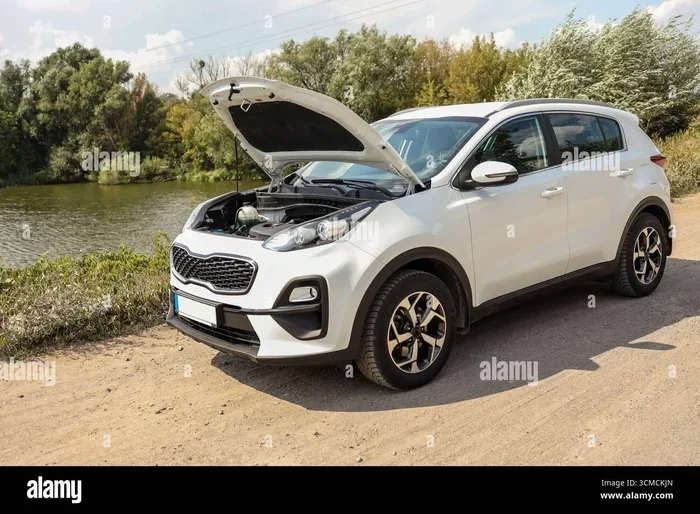
What Should You Do If Your Hood Pops Up While Driving
Your hood popping up while driving is a scary but manageable emergency. Knowing the right steps can keep you safe and prevent costly damage. This guide covers immediate actions, prevention tips, and maintenance advice to handle a hood that pops open on the road.
Your hood popping up while driving is one of the most startling moments you can experience behind the wheel. It happens fast, and for a split second, you might feel completely blinded by the metal panel flying up in front of your face. But here is the good news: knowing what to do can make all the difference.
A hood that flies open on the highway is not just a nuisance. It is a serious safety concern that can block your windshield and limit your visibility in an instant. Whether you are on a city street or cruising down the highway, understanding how to handle this situation is essential for every driver.
In this guide, we will walk you through exactly what to do if your hood pops up while driving. We will cover the immediate steps you need to take, the dangers of driving with an open hood, and how to prevent it from happening again. You will also learn about hood latch maintenance, repair options, and when it is time to see a mechanic. By the end, you will feel more confident handling this emergency like a pro.
Key Takeaways
- Stay Calm and Pull Over Safely: The moment your hood pops up, resist panic and slow down gradually to find a safe spot to stop.
- Use Your Side Mirrors and Windshield Edges: If you cannot see the road clearly, drive carefully using your side mirrors and the edge of the windshield as a guide.
- Check the Hood Latch Immediately: A faulty hood latch, weak spring, or damaged latch cable is often the root cause of a hood flying open.
- Perform Regular Maintenance: Simple checks of your hood latch, hood stabilizer, and hood gas strut can prevent most hood malfunctions.
- Consider Hood Upgrades: Adding a secondary latch, hood catch, or hood support bracket adds an extra layer of safety on the road.
- Know When to Call a Professional: If the hood latch assembly is visibly damaged or the hood hinge is bent, seek expert hood latch replacement.
📑 Table of Contents
Why Does Your Hood Pop Up While Driving?
Understanding why your hood pops up is the first step toward preventing it. Most of the time, the problem comes down to the hood latch system. This system includes the hood latch, the latch cable, the spring mechanism, and the hood hinge. When any of these parts fail, your hood can fly open unexpectedly, even at moderate speeds.
The hood release mechanism is designed to be reliable, but like any mechanical part, it wears down over time. Factors like age, mileage, weather exposure, and poor maintenance all contribute to a hood latch malfunction. The air pressure generated while driving, especially at higher speeds, puts extra force on the hood. If the latch is already weakened, that pressure can be enough to push it open.
Understanding the Hood Latch System
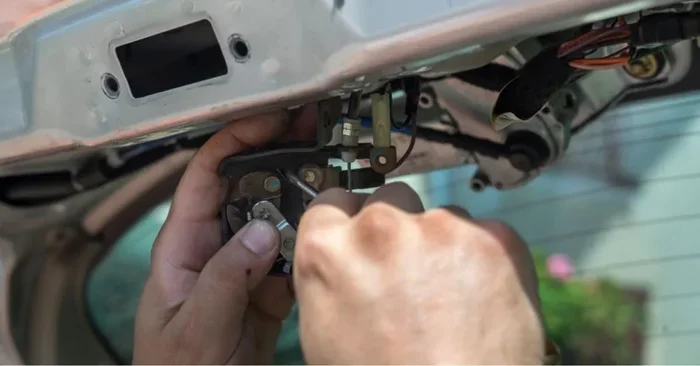
Your car’s hood latch is a simple but critical piece of equipment. It consists of a primary latch that holds the hood closed and a secondary latch that acts as a backup. The primary latch is released by a hood release lever inside the cabin, usually located under the dashboard on the driver’s side.
When you pull the hood release lever, it pulls a latch cable that disengages the primary latch. The hood then pops up slightly, allowing you to lift it fully and secure it with a hood prop rod or hood stabilizer. If any part of this system wears out or breaks, the hood may not stay closed properly.
Common components in the hood latch assembly include the hood catch, the latch spring, the hood gas strut, and the hood support bracket. Each of these plays a role in keeping your hood securely locked during your drive. The hood gas strut, for example, helps lift the hood smoothly and holds it in place while you work under it. When a gas strut fails, it can put uneven pressure on the latch, causing it to release unexpectedly.
A worn hood latch spring can also cause problems. The spring keeps tension on the latch so it stays locked. When the spring weakens, the latch may not grip the hood firmly enough, especially when wind pressure hits it from the front while driving.
Common Causes of Hood Failure on the Road
Several factors can cause your hood to pop up while driving. Here are the most common culprits:
- Worn-out hood latch: Over time, the hood latch can wear down from repeated use. A weakened latch may not hold the hood securely, especially at higher speeds where air pressure increases dramatically.
- Broken latch cable: The cable that connects the release lever to the latch can stretch, fray, or snap. If the cable breaks, the hood may not stay locked even if the latch itself is in good condition.
- Failed hood gas strut: The gas strut helps lift and hold the hood open. If it fails or leaks, it can put uneven pressure on the latch mechanism, causing it to release unexpectedly while driving.
- Damaged hood hinge: A bent or worn hood hinge can prevent the hood from sitting flush against the firewall. When the hood does not sit evenly, the latch has a harder time holding it closed.
- Air pressure at high speeds: Driving at highway speeds creates significant air pressure against the front of the car. If the latch is already weak, this aerodynamic force can push the hood open with surprising force.
- Improper hood closing: If you do not push the hood down firmly enough after closing it, it may not fully engage the latch. This is one of the most common and easily preventable causes of a hood flying open.
- Rust and corrosion: In humid or coastal areas, rust can eat away at the latch mechanism and hinge pins, weakening the entire hood assembly over time.
Immediate Steps to Take When Your Hood Pops Open
When your hood suddenly flies open while you are driving, your adrenaline will spike. This is completely normal. The key is to stay calm and follow a clear set of steps to keep yourself and others safe. Panicking is the single biggest mistake drivers make in this situation.
How to Safely Pull Over
Your first priority is to regain control of your vehicle. Here is what you should do:
- Keep a firm grip on the steering wheel. A hood flying open can startle you, but grip the wheel tightly and resist the urge to make sudden or jerky movements. Smooth, controlled inputs are your best friend right now.
- Turn on your hazard lights immediately. This alerts other drivers that something is wrong and gives them time to react. It also makes your vehicle more visible in case your visibility is compromised.
- Look through the side windows. If your windshield is blocked by the hood, use your side mirrors and the edge of the glass to guide your driving. This takes practice, but it is a skill that can save your life.
- Slow down gradually. Do not slam on the brakes. Ease off the accelerator and let your car slow down naturally. Sudden braking increases the risk of a rear-end collision, especially if the drivers behind you cannot see what is happening.
- Move to the right shoulder or a safe parking area. Avoid stopping in active traffic lanes. Find a flat, stable surface to park on where you will not block traffic.
- Keep both hands on the wheel at all times. Resist the urge to look back at the hood while driving. Focus on the road ahead and use your peripheral vision and side mirrors to monitor the situation.
What to Do Once You Have Stopped
Once you are safely pulled over, follow these steps carefully:
- Turn off the engine. This prevents any further issues and keeps you safe while you assess the situation. A running engine with an open hood can also be a fire hazard if fluids are leaking.
- Do not attempt to look under the hood while driving. Reaching back toward the hood while the car is in motion takes your hands off the wheel and your eyes off the road. This is extremely dangerous.
- Step away from the vehicle carefully. Move to the side of the road away from traffic. Standing behind your vehicle or to the side is safer than standing directly behind the car.
- Try to close the hood from outside. If you can safely reach the hood release and push it down firmly, do so. If the latch is damaged or bent, do not force it, as this could cause further damage.
- Call for roadside assistance if needed. If you cannot close the hood or if there is visible damage to the latch mechanism, contact a professional for help. Driving with an unlatched hood is extremely risky.
- Panicking and braking suddenly: Slamming the brakes can cause the car behind you to rear-end you, especially if they did not see your hazard lights in time.
- Trying to reach back and close the hood while driving: This takes your attention and hands away from controlling the vehicle and is one of the most dangerous reactions a driver can have.
- Ignoring the problem and continuing to drive: Driving with a damaged hood latch can lead to the hood opening again at a worse moment, such as on a busy highway or around a sharp curve.
- Forcing the hood closed without inspecting the damage: If the latch or hinge is damaged, forcing the hood shut can worsen the problem and lead to it opening again at highway speeds.
The Hidden Dangers of a Hood That Flies Open
A hood that pops up while driving is more than just an inconvenience. It poses real risks to your safety and your vehicle. Understanding these dangers can motivate you to take prevention seriously and address small problems before they become big ones.
Visibility Loss and Accident Risks
When your hood flies open, it blocks your entire windshield. This is called hood blind driving, and it is extremely dangerous. You cannot see the road, other vehicles, pedestrians, traffic signals, or obstacles in front of you. At highway speeds, even a few seconds of limited visibility can lead to a serious accident.
Other drivers may not understand what is happening and may not know to give you extra space. Your reaction time drops significantly when you cannot see what is ahead. According to driving safety experts, a hood that opens at speeds above 40 mph creates a significant risk of collision. The aerodynamic force at higher speeds can also make it nearly impossible to close the hood while the vehicle is in motion.
The risk is even greater in poor weather conditions. Rain, fog, or darkness combined with a blocked windshield can turn a scary moment into a life-threatening situation. This is why understanding driving safety and being prepared for emergencies is so important for every driver.
Potential Vehicle Damage
Beyond the safety risks, a hood that flies open can cause significant damage to your vehicle:
- Windshield damage: The hood can smash into the windshield, causing cracks or chips that require expensive repair. Even a small crack can spread quickly and compromise the structural integrity of the glass.
- Hood and fender damage: The hood itself can bend or crease from the force of the wind. Repairing or replacing a bent hood can be costly, especially for luxury or specialty vehicles.
- Engine damage: If the hood opens fully, it can expose the engine compartment to road debris, water, and dirt. Debris can damage the radiator, fans, belts, and other critical engine components.
- Hood hinge and latch damage: The repeated stress of a hood popping open can damage the hinges and latch assembly, potentially requiring a full hood latch replacement.
- Fluid leaks: The sudden force of the hood opening can dislodge or damage hoses and connections in the engine bay, leading to fluid leaks that can cause further mechanical problems.
Repair costs for these types of damage can range from a few hundred dollars for a minor windshield chip to several thousand dollars for a bent hood assembly or damaged engine components. Preventing a hood malfunction is far cheaper than repairing the damage it causes.
How to Prevent Your Hood From Popping Up
The best way to deal with a hood that pops up is to prevent it from happening in the first place. Regular maintenance and a few smart upgrades can go a long way in keeping your hood secure and your drives safe.
Regular Maintenance Tips
Here are simple maintenance steps you can take to keep your hood latch system in top shape:
- Check your hood latch monthly. Open and close the hood regularly and pay attention to how it feels. If it feels loose or does not click securely, it needs attention. A properly latched hood should feel firm and definite when closed.
- Inspect the latch cable. Look for fraying, stretching, or rust on the cable. A damaged cable should be replaced immediately. The cable is usually accessible under the hood near the latch mechanism.
- Lubricate the hood hinge and latch. Use a silicone-based lubricant on the hinge pins and latch mechanism every few months. This prevents sticking, reduces wear, and ensures smooth operation.
- Check the hood gas strut. If your vehicle has a hood gas strut, make sure it is holding the hood properly. A failing strut can put uneven pressure on the latch and should be replaced promptly.
- Listen for unusual sounds. Clicking, popping, or grinding noises when you open or close the hood can be early warning signs of a problem. Do not ignore these sounds.
- Inspect the hood support bracket. The bracket that holds the hood open should be tight and secure. A loose bracket can allow the hood to shift and put stress on the latch.
- Clean the latch area regularly. Dirt, debris, and road grime can build up around the latch mechanism and interfere with its operation. A quick wipe-down during your regular car wash can help.
Upgrades That Add Safety
If you want extra peace of mind, consider these upgrades to your vehicle:
- Secondary hood latch: A secondary latch acts as a backup if the primary latch fails. It is a simple and affordable addition that significantly improves safety. Many modern vehicles come with secondary latches built in, but older models may not have them.
- Hood catch clip: This small device adds extra tension to the latch, making it harder for the hood to pop open unexpectedly. It is a cheap and easy install that can make a big difference.
- Hood stabilizer bar: A stabilizer bar keeps the hood firmly pressed against the firewall, reducing the chance of it opening due to air pressure at high speeds.
- Hood support bracket replacement: If your vehicle has a worn or weak support bracket, replacing it with a stronger aftermarket part can improve hood security and overall driving safety.
- Upgraded hood gas strut: Replacing an aging gas strut with a higher-quality aftermarket part can improve the smooth operation of the hood and reduce stress on the latch system.
Hood Latch Repair and Replacement Guide
If your hood latch is failing, you need to know your options. Whether you choose to fix it yourself or visit a mechanic depends on the severity of the issue and your comfort level with car repairs. Understanding the basics of hood latch repair can help you make an informed decision.
Signs Your Hood Latch Is Failing
Watch for these warning signs that your hood latch needs attention:
- The hood does not click securely when you close it.
- The hood release lever feels loose, spongy, or does not return to its normal position.
- You hear clicking or rattling sounds from the hood area while driving.
- The hood pops open occasionally, even when you are sure it is closed.
- The latch cable has visible fraying, rust, or excessive slack.
- The hood does not stay open on its own when you lift it to a working position.
- You notice rust or corrosion around the latch and hinge area.
- The hood feels heavier or harder to open than usual, which can indicate a failing gas strut.
DIY Fixes and When to Call a Pro
Not all hood latch problems require a trip to the mechanic. Here is a comparison to help you decide what is right for your situation:
| Issue | DIY Fix | Professional Repair |
|---|---|---|
| Loose latch cable | Adjust or replace the cable (cost: $15-$50 for parts) | Mechanic adjusts or replaces cable (cost: $75-$150) |
| Worn hood latch | Lubricate and tighten (temporary fix) | Full latch replacement (cost: $100-$300) |
| Broken latch spring | Replace the spring if accessible (cost: $10-$25) | Mechanic replaces spring and inspects assembly (cost: $100-$200) |
| Damaged hood hinge | Not recommended without experience | Hinge replacement and alignment (cost: $200-$500) |
| Secondary latch installation | Install aftermarket clip or latch (cost: $20-$60) | Mechanic installs secondary latch (cost: $80-$150) |
| Hood gas strut replacement | Replace strut if you are mechanically inclined (cost: $30-$80) | Mechanic replaces strut (cost: $100-$200) |
If you are not comfortable working under the hood or if the damage looks serious, it is always best to consult a professional. A hood latch replacement by an experienced mechanic ensures the job is done safely and correctly. A improperly repaired latch can fail again, potentially at a worse time.
What to Do After a Hood Pops Up Incident
Once the immediate danger has passed, there are still important steps to take. Handling the aftermath properly can prevent future problems and keep your insurance claims straightforward. Even if your hood seems fine after closing it, a thorough inspection is essential.
Post-Incident Vehicle Check
After your hood pops up, do a thorough check of your vehicle before your next drive:
- Inspect the windshield: Look for cracks, chips, or scratches caused by the hood hitting the windshield. Even a small chip can spread quickly and compromise your visibility.
- Check the hood and fenders: Look for dents, creases, or misalignment. A bent hood may not latch properly and could pop open again.
- Examine the latch mechanism: Open the hood and inspect the latch, cable, spring, and hinges for any visible damage. Look for bent pins, stretched cables, or broken springs.
- Look for engine damage: Check for any debris that may have entered the engine compartment. Also check for any fluid leaks under the vehicle.
- Test the hood close: Make sure the hood latches securely before driving again. Give it a firm push and listen for the click.
- Check the hood prop rod or stabilizer: If your vehicle uses a prop rod, make sure it is not bent or damaged. A damaged prop rod can fail to hold the hood open properly.
Insurance and Legal Considerations
If your hood popping up caused an accident or property damage, you may need to file an insurance claim. Document everything with photos and notes about what happened. Include the date, time, location, weather conditions, and any other vehicles or property involved.
If another driver was involved, exchange information and report the incident to your insurance company as soon as possible. Most auto insurance policies cover damage caused by mechanical failures, but it is always best to check your specific policy details.
Keeping records of regular hood latch maintenance can also strengthen your claim if the failure was due to wear and tear rather than neglect. Save all receipts from repairs and maintenance to build a clear record of your vehicle care history.
Conclusion
A hood that pops up while driving can be a frightening experience, but it does not have to be a disaster. By staying calm, pulling over safely, and knowing the right steps to take, you can protect yourself and your vehicle. Prevention is your best defense, and regular maintenance of your hood latch, latch cable, and hood stabilizer goes a long way in avoiding this situation entirely.
Remember to check your hood regularly, consider safety upgrades like a secondary latch, and never ignore warning signs of a failing hood latch. If your hood ever pops up while driving, follow the steps in this guide, and you will be well prepared to handle it safely and confidently.
Your safety on the road matters more than anything else. Take the time to care for your vehicle, and it will take care of you. Stay safe, stay informed, and never underestimate the importance of a properly functioning hood latch system. A few minutes of maintenance today can save you from hours of stress and expense tomorrow.
Frequently Asked Questions
Can I keep driving if my hood pops up and I cannot close it?
No, you should not continue driving with an unlatched hood. It is extremely dangerous because it blocks your windshield and limits your visibility. Pull over safely, turn on your hazard lights, and call for roadside assistance if you cannot close the hood yourself.
How much does it cost to fix a hood latch that pops open?
The cost depends on the severity of the damage. A simple latch cable adjustment might cost $15-$50 for parts, while a full hood latch replacement can range from $100-$300. If the hood hinge or assembly is damaged, costs can go higher. Always get a quote from a trusted mechanic before proceeding with repairs.
Why does my hood keep popping open even after I close it firmly?
This usually indicates a problem with the hood latch mechanism, the latch cable, or the hood gas strut. The latch may be worn, the cable may be stretched, or the gas strut may be failing. Have a mechanic inspect the entire hood assembly to identify and fix the root cause.
Is it safe to drive with a hood that is slightly loose?
No, even a slightly loose hood is a safety risk. It can open further while driving, especially at higher speeds where air pressure increases. Address any looseness in the hood latch immediately to prevent it from becoming a serious problem on the road.
How often should I inspect my hood latch system?
You should inspect your hood latch at least once a month. A quick check involves opening and closing the hood to see if it clicks securely and feels firm. Also visually inspect the latch cable, spring, and hinge for any signs of wear, rust, or damage.
What should I do if my hood pops up and blocks my view while on a highway?
Stay calm, grip the steering wheel firmly, and turn on your hazard lights. Use your side mirrors and the edge of the windshield to navigate. Slow down gradually and move to the right shoulder. Do not try to look back at the hood or brake suddenly. Once stopped safely, assess the situation and call for help if needed.