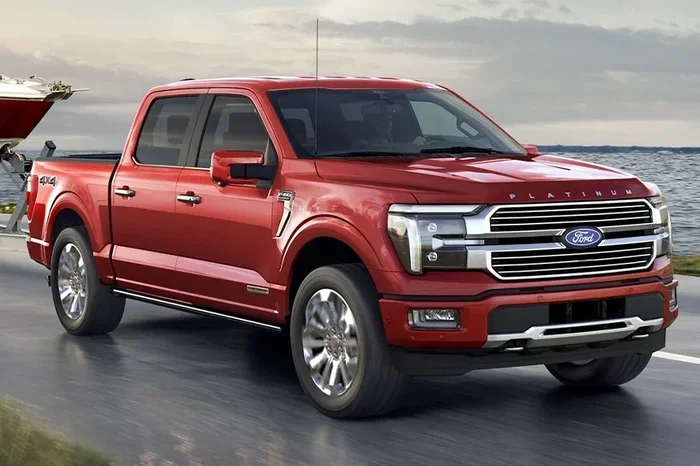
What Year Ford F150 to Avoid Dont Buy the Wrong One
Not every Ford F150 year is a smart buy. Some model years come with known engine troubles, transmission failures, and costly recalls that can turn your truck into a money pit. This guide reveals the specific years to skip and helps you choose a reliable F150 that won’t leave you stranded.
Buying a Ford F150 is one of the most exciting decisions a truck lover can make. The F150 has been the best-selling truck in America for decades, and for good reason. It is tough, capable, and loaded with features that make both work and play easier. But here is the catch: not every model year is created equal.
Some years come loaded with problems that can cost you thousands of dollars in repairs. Others are smooth, reliable machines that will serve you well for hundreds of thousands of miles. If you are shopping for a used F150 or just curious about which years to steer clear of, this guide has you covered.
We are going to break down the worst Ford F150 years to avoid, explain exactly what went wrong, and show you which years you should target instead. By the end of this article, you will know exactly what to look for and what to skip. Let us dive in.
Key Takeaways
- Certain F150 years have serious reliability issues: Model years like 2004, 2007, and 2013 are widely reported as problematic by owners and mechanics alike.
- Engine and transmission problems dominate the complaint list: The 5.4L Triton engine and early 10-speed transmissions are the biggest culprits across multiple model years.
- Recalls and factory defects vary by year: Checking recall history before buying can save you thousands in unexpected repairs.
- Some years are excellent buys: The 2015, 2018, and 2020+ F150 generations offer major improvements in build quality and reliability.
- A pre-purchase inspection is essential: Always have a trusted mechanic inspect any used F150 before you commit to the purchase.
- Resale value reflects reliability: The worst years depreciate faster and cost more to own over time.
📑 Table of Contents
Understanding Ford F150 Generations
The Ford F150 has gone through many changes since it first hit the scene. Each generation brought new engines, new tech, and new design choices. But not every generation was a success. Some introduced problems that plagued owners for years. Understanding the different generations helps you see why certain years struggle more than others.
Ford has built the F150 since 1948. That is over 75 years of production. The current generation, which started in 2015, is the thirteenth generation. Each generation typically spans about five to seven years. During that time, Ford made changes to engines, transmissions, and suspension systems. Some of those changes were brilliant. Others were costly mistakes.
When people ask about the worst years, they are usually referring to specific model years within these generations. A single bad year can ruin the reputation of an otherwise solid generation. That is why it is so important to look at individual years rather than just the generation as a whole.
For context, building a truck like the F150 takes serious effort. It takes roughly how long does a factory take to build a car or truck to go from raw steel to finished product on the assembly line. Understanding the manufacturing process helps you appreciate why quality control matters so much.
Worst Ford F150 Years to Avoid
Now let us get to the heart of the matter. Which years should you avoid at all costs? Here are the model years that consistently show up in owner complaints, mechanic reports, and reliability studies.
2004 Ford F150
The 2004 F150 is one of the most criticized years in the model’s history. The 5.4L Triton V8 engine was the main culprit. This engine had a serious design flaw in its spark plug studs. The studs would corrode and snap off inside the cylinder head. Fixing this problem is not cheap. You are looking at a repair bill that can easily exceed $1,500.
Beyond the engine, the 2004 F150 had issues with the transmission. Many owners reported rough shifting and premature failure of the 4R70W transmission. The suspension components also wore out faster than expected for a truck in this class.
2007 Ford F150
The 2007 model year brought a refresh to the F150, but it also brought new headaches. The 5.4L Triton engine continued to cause problems, and the 4.6L V8 had its own set of issues. Carbon buildup on the intake valves was a common problem that led to rough idling and loss of power.
The 2007 F150 also had notable issues with the electrical system. Owners reported flickering lights, malfunctioning power windows, and intermittent gauge failures. These electrical gremlins can be frustrating to diagnose and expensive to fix.
2013 Ford F150
The 2013 F150 sits in a tricky spot. It was part of the twelfth generation, which started in 2009 and ended in 2014. While the 2013 model had some improvements, it still carried over many of the problems from earlier years in this generation.
The 3.5L EcoBoost engine, while powerful, had issues with coolant leaks and turbocharger failures in some units. The six-speed automatic transmission also received complaints about shuddering and hesitation during acceleration.
2017 Ford F150
The 2017 F150 introduced the new 10-speed automatic transmission. While this was a big step forward in terms of fuel economy and performance, the transmission had early teething problems. Some owners experienced harsh shifts, hesitation, and in rare cases, complete transmission failure.
The 2017 model year also had issues with the infotainment system. The SYNC 3 system was prone to freezing, restarting, and losing connectivity. While these are not safety-critical issues, they are annoying and costly to repair.
Common Problems by Model Year
Understanding the specific problems associated with different F150 years can help you make a smarter buying decision. Let us break down the most common issues by category.
Engine Problems
Engine reliability is the number one concern for F150 buyers. Here are the engines that caused the most trouble:
- 5.4L Triton V8: Spark plug stud corrosion, carbon buildup, and cooling system failures. This engine appears in many of the worst years.
- 4.6L V8: Similar issues to the 5.4L, including intake manifold gasket leaks and timing chain problems.
- 3.5L EcoBoost V6: Coolant leaks, turbo failures, and oil consumption issues in earlier production years.
- 5.0L V8: Generally more reliable than the Triton engines, but some years had issues with variable valve timing.
Transmission Issues
The transmission is another area where certain F150 years fell short. The older 4R70W and 4R75W transmissions were not built to handle the torque of the bigger engines. The newer 10-speed transmissions improved efficiency but had early reliability concerns.
When you are researching a specific year, it is worth noting that how many man hours does it take to build a car or truck can vary, and more complex transmissions require more precision during assembly. Any small error in the build process can lead to transmission problems down the road.
Electrical and Suspension Woes
Electrical problems plagued several F150 generations. The 2004 through 2008 model years had particularly bad electrical issues. The suspension also caused problems, especially in trucks used for towing or hauling heavy loads.
Body and Rust Issues
Rust is a concern for any truck, and certain F150 years were worse than others. The 2004 and 2007 models are known for rust on the frame and body panels. If you are buying a used F150 from these years, always check for rust underneath, especially around the wheel wells and frame rails.
What Makes a Ford F150 Year Problematic?
Not all bad years have the same problems. Understanding what makes a model year problematic can help you evaluate any truck you are considering. Here are the main factors that contribute to a bad F150 year.
Design Flaws
Sometimes the problems start at the design stage. The 5.4L Triton engine, for example, had a fundamental design flaw in how the spark plug studs were installed. No amount of good manufacturing could fix a design that was inherently weak. When Ford releases a new engine or component, there is always a risk that something was not thought through properly.
Manufacturing Defects
Even with good designs, manufacturing defects can slip through. Quality control at the factory is not perfect, and sometimes a batch of parts or a specific assembly line produces trucks with higher failure rates. This is why some owners of the same model year have no problems while others face major repairs.
Rushed Updates
Ford sometimes introduces new technology or design changes too quickly. The 10-speed transmission in the 2017 F150 is a good example. The technology was new, and the early versions had bugs that took time to work out. Rushed updates can lead to reliability issues that affect the entire model year.
Recall History
Checking the recall history for a specific year is one of the best things you can do before buying. Ford has issued recalls for everything from faulty fuel pumps to defective seat belts. Some recalls affect only a small number of trucks, while others impact entire model years.
Best Ford F150 Years Instead
Now that you know which years to avoid, let us talk about the years you should be looking at. These model years offer the best combination of reliability, performance, and value.
2015 Ford F150
The 2015 F150 was a major turning point for the model. It introduced the aluminum body, which made the truck lighter and more fuel-efficient. The 3.5L EcoBoost engine in the 2015 model was more refined than earlier versions, and the new 6-speed automatic transmission was smooth and reliable.
2018 Ford F150
The 2018 F150 continued the upward trend. Ford addressed many of the issues from earlier EcoBoost engines, and the 10-speed transmission was much improved. The 2018 model year also introduced the base 3.3L V6 engine, which proved to be a solid and dependable choice for everyday use.
2020 and Newer Ford F150
The 2020 and newer F150 models represent the latest generation. They feature the most advanced technology, the best fuel economy, and the strongest reliability track record. The hybrid PowerBoost model is a standout, offering impressive towing capacity alongside excellent fuel efficiency.
When you compare the best years to the worst, the difference is clear. A 2018 or 2020 F150 will cost more upfront, but it will save you money in repairs and maintenance over the long run.
How to Check a Ford F150 Before Buying
Whether you are looking at a good year or a questionable one, always do your due diligence before purchasing. Here is a simple checklist to follow.
- Get a vehicle history report: Services like Carfax and AutoCheck can reveal accidents, title issues, and service history.
- Check for recalls: Visit the NHTSA website and enter the VIN to see if any recalls are outstanding.
- Inspect the engine: Look for signs of oil leaks, coolant leaks, and corrosion around the engine bay.
- Test drive thoroughly: Pay attention to how the transmission shifts, how the engine sounds, and how the truck handles on different road surfaces.
- Get a pre-purchase inspection: Have a trusted mechanic look the truck over. This is one of the best investments you can make.
- Check the body for rust: Especially on older models, rust can be a hidden and expensive problem.
Replacing parts like bumpers or body panels can also add up. It takes about how long it takes to fit a new bumper on a truck like the F150, and the cost can vary widely depending on the model year and whether you are going OEM or aftermarket.
Final Thoughts
Choosing the right Ford F150 year can make all the difference in your ownership experience. The worst years can turn a dream truck into a nightmare of repairs and frustration. The best years deliver the power, capability, and reliability that made the F150 the most popular truck in America.
Do your research before you buy. Know which years to avoid, understand the common problems, and always get a professional inspection. A little homework upfront can save you thousands of dollars and a lot of headaches down the road.
The Ford F150 is a great truck, but only when you pick the right year. Use this guide to make an informed decision, and you will be driving home in a truck you can trust for years to come.
Frequently Asked Questions
What is the most unreliable Ford F150 year?
The 2004 Ford F150 is widely considered the most unreliable year due to the 5.4L Triton engine spark plug stud failure and transmission problems. The 2007 and 2013 model years also rank among the worst. These years had the highest number of owner complaints and the most costly repairs.
Are Ford F150 trucks from 2015 and newer reliable?
Yes, the 2015 F150 and newer model years are generally much more reliable. Ford made significant improvements in engine design, transmission quality, and build standards starting with the 2015 generation. The 2018 and 2020+ years are particularly strong choices.
What engine should I avoid in a Ford F150?
The 5.4L Triton V8 is the engine most associated with problems. It had spark plug stud corrosion, carbon buildup, and cooling system failures. The 3.5L EcoBoost in earlier production years also had coolant leak and turbo issues. The 3.3L V6 and 5.0L V8 are generally more reliable options.
How can I find out if a specific F150 year has recalls?
You can check for recalls by visiting the NHTSA website at nhtsa.gov and entering the vehicle identification number. You can also ask the seller for the VIN and run a free recall check. Ford dealerships can also look up recall information using the VIN.
Is it worth buying a problematic F150 year if the price is low?
Usually, no. A low price on a problematic year often means you will spend much more on repairs. The savings at the time of purchase can disappear quickly with engine or transmission repairs. It is better to spend a little more on a reliable year and avoid costly surprises.
What should I look for when buying a used Ford F150?
Always get a vehicle history report, check for outstanding recalls, inspect the engine and transmission during a test drive, and have a mechanic perform a pre-purchase inspection. Pay special attention to rust, especially on older model years like 2004 and 2007. These simple steps can save you from buying a truck with hidden problems.