How Many Miles Can a Ford F-150 Last Before Breaking Down
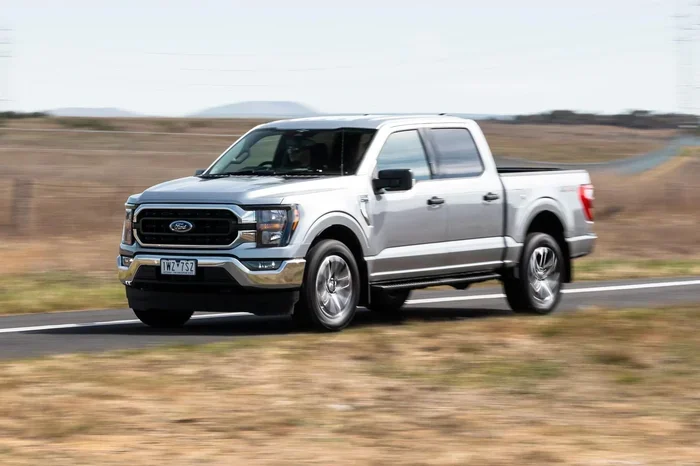
The Ford F-150 is one of the most durable trucks on the road, with many models lasting 200,000 to 300,000 miles or more with proper care. Regular maintenance, smart driving habits, and timely repairs play a huge role in extending your F-150’s life. This guide breaks down everything you need to know about F-150 longevity, from engine health to common problems and maintenance schedules.
The Ford F-150 has been America’s best-selling truck for decades. People buy it for work, play, and everything in between. But one question keeps coming up: how many miles can a Ford F-150 last before breaking down? The answer might surprise you.
With proper care, a Ford F-150 can easily surpass 200,000 miles. Some owners push their trucks well past 300,000 miles without major issues. The F-150 lifespan depends on several factors, including the engine type, maintenance routine, driving conditions, and how the truck is used. In this article, we will explore everything you need to know about F-150 mileage, durability, and what you can do to keep your truck running strong for years to come.
Whether you are buying a used F-150 or planning to keep your current one for a long time, this guide covers the facts. We will look at engine longevity, common issues, maintenance schedules, and real-world examples from F-150 owners. Let us dive in.
Key Takeaways
- Average F-150 lifespan: A well-maintained Ford F-150 can last 200,000 to 300,000 miles or more.
- Maintenance is critical: Regular oil changes, brake inspections, and transmission service dramatically extend F-150 longevity.
- Engine matters: The 5.0L V8 and 3.5L EcoBoost engines are known for exceptional durability and high mileage capability.
- Driving habits count: Avoiding excessive idling, harsh braking, and overloading helps your F-150 last longer.
- Common problems are manageable: Most F-150 issues are fixable and predictable when caught early.
- Resale value stays strong: High mileage F-150 trucks still hold value due to their reputation for durability.
📑 Table of Contents
- How Many Miles Can a Ford F-150 Last?
- Ford F-150 Engine Longevity
- How Long Does It Take to Build a Ford F-150?
- Common Ford F-150 Problems at High Mileage
- Ford F-150 Maintenance Schedule for Longevity
- F-150 Towing Capacity and Its Impact on Longevity
- F-150 Resale Value and High Mileage
- Expert Insights on Ford F-150 Longevity
- Real-World F-150 Mileage Stories
- How to Know When Your F-150 Needs Major Repairs
- Final Thoughts: How Long Will Your Ford F-150 Last?
How Many Miles Can a Ford F-150 Last?
The average Ford F-150 can last between 200,000 and 300,000 miles with regular maintenance. Some well-cared-for trucks exceed 300,000 miles. The key is understanding what affects F-150 longevity and taking action early.
According to data from owner surveys and automotive studies, the Ford F-150 consistently ranks among the most long-lasting trucks in its class. The F-150 reliability has improved significantly over the past two decades. Newer models benefit from better engineering, improved materials, and more advanced manufacturing processes.
Factors That Affect F-150 Mileage
Several factors determine how many miles your Ford F-150 will last. Let us break them down:
- Maintenance routine: Following the Ford truck maintenance schedule is the single most important factor. Oil changes, filter replacements, and fluid checks keep the engine healthy.
- Driving conditions: Trucks used for highway driving tend to last longer than those used in stop-and-go city traffic. Highway driving puts less stress on the engine and transmission.
- Engine type: Different F-150 engines have different lifespans. The 5.0L V8 and 3.5L EcoBoost are known for their durability.
- Usage and load: Constantly hauling heavy loads or towing trailers wears out components faster. Understanding Ford truck towing capacity helps you avoid overloading.
- Climate and environment: Salt, moisture, and extreme temperatures accelerate rust and corrosion. Keeping your F-150 clean and protected helps.
- Driving habits: Aggressive acceleration, hard braking, and excessive idling shorten engine life.
Ford F-150 Engine Longevity
The engine is the heart of your F-150. Different engines offer different levels of durability. Let us look at the most popular F-150 engines and what you can expect from each one.
3.3L V6 Engine
The base 3.3L V6 is a reliable and simple engine. It produces about 290 horsepower and 265 lb-ft of torque. This engine is designed for everyday driving and light-duty work. With proper maintenance, the 3.3L V6 can last well over 200,000 miles. It is not the most powerful option, but it is dependable and affordable to maintain.
5.0L V8 Engine
The 5.0L V8 is one of the most beloved F-150 engines. It delivers around 400 horsepower and 410 lb-ft of torque. This engine is known for its robustness and ability to handle heavy workloads. Many F-150 owners report 300,000 miles or more from a well-maintained 5.0L V8. It is a popular choice for those who need serious power and durability.
3.5L EcoBoost V6 Engine
The 3.5L EcoBoost is a turbocharged engine that combines power with efficiency. It produces up to 450 horsepower and 510 lb-ft of torque. The EcoBoost engine has proven itself in demanding applications, including hauling and towing. With regular maintenance and timely turbo servicing, the 3.5L EcoBoost can also reach 250,000 to 300,000 miles. Just be sure to follow the F-150 maintenance schedule closely, as turbocharged engines need more frequent oil changes.
2.7L EcoBoost V6 Engine
The 2.7L EcoBoost is a smaller twin-turbo engine that offers a good balance of power and efficiency. It produces around 325 horsepower and 400 lb-ft of torque. This engine is popular among F-150 owners who want capability without the bulk of a larger engine. With proper care, the 2.7L EcoBoost can last 200,000 miles or more.
How Long Does It Take to Build a Ford F-150?
Understanding how a Ford F-150 is built helps explain its durability. The manufacturing process is highly sophisticated and designed for quality.
On average, it takes about 20 hours of man hours to build a single Ford F-150. This includes assembly, welding, painting, and quality control checks. Each truck goes through rigorous testing before leaving the factory. The build process involves thousands of individual parts coming together, and Ford invests heavily in precision engineering.
For comparison, the broader automotive industry averages vary, but Ford’s focus on the F-150 line means dedicated resources and attention to detail. The F-150 assembly line at the Dearborn Truck Plant is one of the most advanced in the world. Every step is designed to ensure the truck can handle years of hard use.
The fact that it takes significant man hours to build each F-150 reflects the care that goes into the vehicle. This attention to manufacturing quality is one reason why the F-150 has such a strong reputation for lasting a long time.
Common Ford F-150 Problems at High Mileage
Even the most reliable truck develops issues over time. Knowing what to watch for helps you address problems before they become expensive repairs. Here are the most common F-150 issues that appear at high mileage.
Transmission Issues
The 10-speed automatic transmission in newer F-150 models is generally reliable. However, some owners report transmission hesitation or rough shifting after 150,000 miles. Regular transmission fluid changes can prevent most of these issues. If you notice any slipping or delayed shifting, get it checked immediately.
Rust and Corrosion
Rust is one of the biggest enemies of any truck. F-150s exposed to salt, road chemicals, or moisture can develop rust on the frame, bed, and wheel wells. Regular washing, especially in winter months, helps prevent rust. Applying a protective coating or undercoating adds an extra layer of defense.
Suspension Wear
The F-150 suspension system takes a beating, especially when towing or hauling. Shock absorbers, ball joints, and control arms wear out over time. Signs of suspension problems include bouncing, pulling to one side, or a rough ride. Replacing worn suspension parts keeps your F-150 handling safely.
Electrical Issues
Some F-150 owners report electrical gremlins as the truck ages. These can include flickering lights, faulty sensors, or infotainment system glitches. Most electrical issues are minor and inexpensive to fix. Keeping connectors clean and replacing batteries on schedule helps prevent problems.
Exhaust Manifold Cracks
Certain F-150 models, particularly those with the 5.0L V8, have experienced exhaust manifold cracks. This issue typically appears between 80,000 and 150,000 miles. Regular inspection of the exhaust system can catch cracks early before they lead to more serious damage.
Ford F-150 Maintenance Schedule for Longevity
Staying on top of maintenance is the best way to ensure your F-150 reaches and exceeds 200,000 miles. Here is a practical maintenance schedule to follow.
Every 5,000 to 7,500 Miles
- Change engine oil and filter
- Check tire pressure and tread depth
- Inspect brakes for wear
- Top off all fluids
Every 15,000 to 30,000 Miles
- Replace air filter
- Replace cabin air filter
- Rotate tires
- Check battery condition
- Inspect belts and hoses
Every 60,000 to 100,000 Miles
- Replace spark plugs
- Flush transmission fluid
- Replace coolant
- Inspect brake lines and hoses
- Check suspension components
Every 100,000+ Miles
- Replace timing chain (if applicable)
- Inspect exhaust system thoroughly
- Check for rust and apply protective coating
- Replace water pump if needed
- Full diagnostic check of all systems
Quick Tips for Extending F-150 Life
- Always warm up the truck for 30 seconds before driving.
- Avoid towing beyond the F-150 towing capacity.
- Use the recommended oil grade for your engine.
- Wash the undercarriage regularly, especially in winter.
- Address small issues before they become big problems.
- Keep a maintenance log to track all services.
F-150 Towing Capacity and Its Impact on Longevity
The Ford F-150 is famous for its towing capability. Depending on the engine and configuration, the F-150 can tow between 5,000 and 14,000 pounds. Towing heavy loads regularly puts extra strain on the engine, transmission, brakes, and suspension.
If you use your F-150 for towing, you need to be extra diligent with maintenance. Towing increases the frequency at which you should change fluids and inspect components. For example, if you regularly tow a trailer or a pop-up camper with a Toyota Tacoma, you understand the importance of staying on top of truck maintenance.
One practical consideration is the truck bed size. A 6.5-foot truck bed offers a good balance of cargo space and maneuverability for many F-150 owners. The right bed configuration depends on what you haul most often.
Always check your owner’s manual for the specific towing limits of your F-150 model. Exceeding these limits accelerates wear and can lead to premature breakdowns.
F-150 Resale Value and High Mileage
One of the biggest advantages of owning a Ford F-150 is its resale value. Even high mileage F-150 trucks hold their value remarkably well. This is because buyers trust the F-150’s reputation for durability and reliability.
A well-maintained F-150 with 200,000 miles can still fetch a strong price on the used market. The truck’s build quality and the availability of parts make it easy to maintain, which adds to its long-term value. If you are considering selling your F-150 after many years of service, you can expect a fair return on your investment.
Factors that boost F-150 resale value include:
- Complete maintenance records
- Clean, rust-free condition
- Popular trim levels and configurations
- Lower mileage engines (3.3L V6 and 5.0L V8 tend to hold value well)
- Service history from a Ford dealership
Expert Insights on Ford F-150 Longevity
Automotive experts agree that the Ford F-150 is built to last. According to mechanics and F-150 specialists, the key to reaching 300,000 miles is consistent maintenance and gentle driving habits. Experts also emphasize the importance of using genuine Ford parts or high-quality aftermarket replacements.
Many long-time F-150 owners share a common philosophy: treat the truck well, and it will treat you well. Simple habits like checking fluid levels weekly, addressing warning lights immediately, and avoiding short trips that do not allow the engine to fully warm up can add years to your F-150’s life.
The F-150’s longevity also benefits from Ford’s extensive dealer network. If you are wondering whether you can take your Ford truck to any Ford dealership for service, the answer is generally yes. Ford’s service centers have the tools, training, and parts to handle any F-150 issue, from routine maintenance to complex repairs.
Real-World F-150 Mileage Stories
Nothing speaks louder than real owner experiences. Here are a few stories from F-150 owners who have pushed their trucks to impressive mileage milestones.
Mike from Texas: Mike owns a 2010 F-150 with the 5.0L V8 engine. He has driven over 280,000 miles and says the truck still runs like new. His secret? Strict adherence to the maintenance schedule and never skipping oil changes.
Sarah from Colorado: Sarah’s 2015 F-150 EcoBoost has 240,000 miles on the odometer. She uses the truck for her landscaping business, hauling equipment daily. She attributes the truck’s longevity to regular transmission fluid changes and keeping the truck clean to prevent rust.
James from Michigan: James has a 2008 F-150 with the 4.6L V8. At 310,000 miles, he says the truck is still his daily driver. He replaces worn parts proactively and never ignores unusual sounds or vibrations.
These stories show that with the right approach, a Ford F-150 can go far beyond the average lifespan. The key is consistency and attentiveness.
How to Know When Your F-150 Needs Major Repairs
Even with the best maintenance, every truck eventually needs significant repairs. Knowing the signs can save you from unexpected breakdowns.
Watch for these warning signs:
- Check engine light that stays on or flashes
- Unusual noises from the engine or transmission
- Decreased fuel efficiency
- Difficulty starting the truck
- Excessive smoke from the exhaust
- Vibrations or pulling while driving
- Fluid leaks under the truck
- Rough idling or stalling
If you notice any of these signs, take your F-150 to a qualified mechanic right away. Early diagnosis often means simpler and less expensive repairs. Ignoring warning signs can turn a minor fix into a major overhaul.
For those considering a high-mileage F-150 purchase, always get a pre-purchase inspection. A professional mechanic can identify hidden issues that may not be visible on the surface. This is especially important for trucks with over 150,000 miles.
Final Thoughts: How Long Will Your Ford F-150 Last?
The Ford F-150 is a truck built to last. With an average lifespan of 200,000 to 300,000 miles, and many examples exceeding 300,000 miles, the F-150 proves its reliability year after year. The Ford F-150 lifespan ultimately depends on how well you care for it.
Follow the maintenance schedule, drive responsibly, and address issues promptly. Your F-150 can be a loyal companion for hundreds of thousands of miles. Whether you use it for work, towing, or daily commuting, the F-150 delivers the durability and dependability that millions of owners trust.
Invest in your truck today, and it will reward you with years of reliable service. The Ford F-150 is more than just a truck. It is a long-term partner on the road.
Frequently Asked Questions
How many miles can a Ford F-150 last on average?
A well-maintained Ford F-150 can last between 200,000 and 300,000 miles. Some owners report pushing their trucks past 300,000 miles with consistent care and timely repairs. The average depends heavily on maintenance habits and driving conditions.
What is the most reliable Ford F-150 engine for high mileage?
The 5.0L V8 and 3.5L EcoBoost engines are widely considered the most reliable for high mileage. The 5.0L V8 is known for its robustness and simplicity, while the 3.5L EcoBoost offers excellent power and efficiency. Both engines can reach 250,000 miles or more with proper maintenance.
How often should I change the oil in my Ford F-150?
Ford recommends changing the oil every 7,500 to 10,000 miles for newer models. However, if you tow frequently or drive in harsh conditions, you should change it every 5,000 miles. Always use the oil grade recommended in your owner’s manual.
Does towing shorten the life of a Ford F-150?
Regular towing does put extra strain on the engine, transmission, and brakes. However, if you stay within the F-150 towing capacity and keep up with maintenance, towing should not significantly shorten the truck’s lifespan. Just be extra diligent with fluid changes and inspections.
Can a Ford F-150 last 400,000 miles?
While rare, some Ford F-150 trucks have been reported to last 400,000 miles. These are typically trucks that received exceptional care, regular maintenance, and gentle driving habits. Reaching this milestone requires dedication to the maintenance schedule and prompt attention to any issues.
What is the best way to prevent rust on my Ford F-150?
Wash your F-150 regularly, especially the undercarriage, during winter months when road salt is common. Apply a rust-preventive coating or undercoating when you first purchase the truck. Keep drain holes clear and address any paint chips or scratches quickly to prevent rust from forming.